The question used to have a simple answer: buy Japanese. Toyota Camry, Honda Accord, Lexus RX — these names carried an implicit promise of reliability, longevity, and good resale value that no Chinese brand could match. That answer is becoming outdated fast.
In 2026, Chinese vehicles have not only caught up with Japanese equivalents in quality, technology, and reliability — in key areas, they have overtaken them. And for African buyers, the price advantage makes the comparison even more compelling.
Price: The Gap Is Dramatic
Let’s start with the most immediate difference.
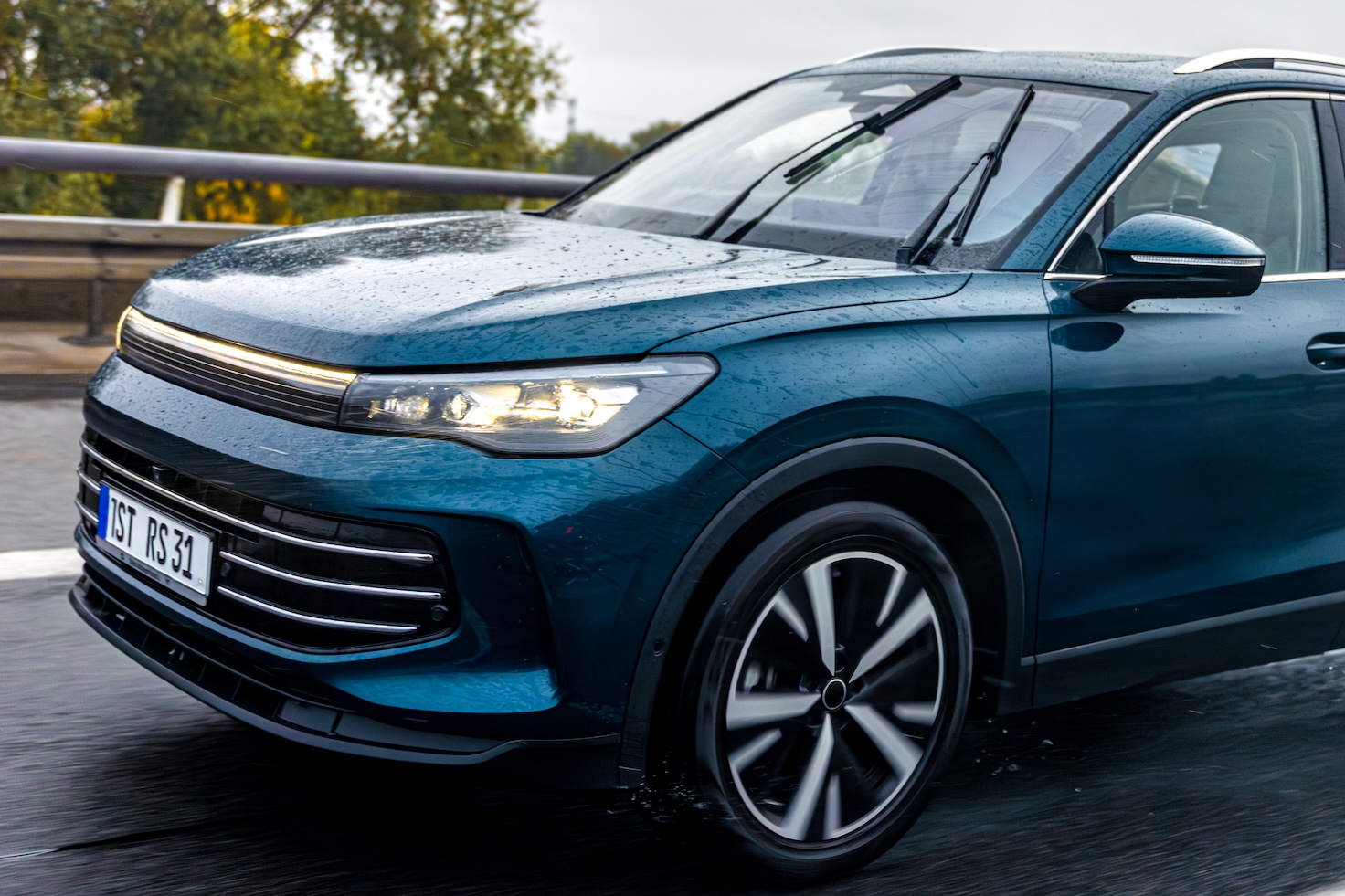
A new Toyota RAV4 (2025/2026 model) costs approximately $32,000–$38,000 at source. A new BYD Atto 3 (equivalent segment, similar size) starts at approximately $16,000–$19,000 from China. The new Chery Tiggo 8 Pro — a seven-seat SUV that competes with the Highlander — starts at around $18,000–$22,000.
For the price of one Toyota RAV4, you could import two new Chinese SUVs with change to spare. That’s not a minor difference — it’s a structural price advantage that reflects China’s manufacturing efficiency, competitive domestic market, and government support for the auto export sector.
Technology: Chinese Vehicles Are Ahead of the Curve
This is where the comparison has shifted most dramatically. Chinese NEV brands are investing enormous resources in technology, and new Chinese vehicles come standard with features that are either optional extras or unavailable on Japanese models at the same price point:
- Large infotainment screens: 12–27 inch touchscreens are standard on mid-range Chinese models. Most Japanese cars in the same bracket still offer 8–10 inch systems.
- Over-the-air (OTA) updates: BYD, Xpeng, and Nio push software updates wirelessly — improving features post-purchase. No Japanese mass-market brand offers this.
- Advanced ADAS: Lane-keeping, adaptive cruise, automatic emergency braking, and highway autopilot features are standard or cheap upgrades on Chinese EVs.
- Electric powertrains: Every major Chinese brand has invested billions in BEV, PHEV, and EREV technology. Most Japanese brands are still transitioning.
Build Quality: The Gap Has Closed
Five years ago, “Chinese car quality” was a legitimate concern. Today it isn’t — at least not for major brands imported through Autoimport Africa.
BYD’s Blade Battery passed nail penetration tests that no other battery chemistry has matched. Geely owns Volvo and has transferred Swedish engineering standards into its own vehicles. Chery’s export models undergo rigorous third-party quality certification. These brands are competing in Europe, where safety and quality standards are among the strictest in the world.
Chinese brands also typically offer longer warranties than Japanese competitors:
- BYD: 8-year/500,000km battery warranty; 6-year vehicle warranty on many models
- BYD Atto 8 (South Africa): 5-year/100,000km vehicle warranty + 5-year maintenance plan
Fuel and Running Costs: Chinese EVs Win Convincingly
A Toyota Camry averaging 8L/100km costs approximately ₦8,000–₦10,000 per 100km at current petrol prices in Nigeria.
A BYD Atto 3 charged from the grid costs a fraction of that per 100km. Even accounting for Nigeria’s inconsistent power supply, PHEV and EREV models — which run primarily on electricity in the city — slash fuel costs dramatically compared to any petrol vehicle.

The Autoimport Africa Advantage
When you buy a used Japanese car from a local dealer, you’re getting an older model with unknown history, unknown mileage accuracy, and a depreciated resale value. When you import a new Chinese vehicle through Autoimport Africa, you’re getting:
- A brand-new vehicle with zero prior ownership history
- Full manufacturer warranty intact
- The latest model year with the latest technology
- Clean title, by definition
- Direct-from-China pricing without middleman markups
The era of defaulting to Japanese because “quality” has passed. Chinese vehicles in 2026 earn their place on merit — and the price gap means they deserve to be the first comparison, not the last.