Tag: China

  • 5 Affordable High-Quality Chinese Cars Worth Importing to Algeria in 2026

    5 Affordable High-Quality Chinese Cars Worth Importing to Algeria in 2026

    For Algerian buyers comparing options in 2026, the most interesting category in the market isn’t the established Korean and European inventory — it’s the new wave of Chinese vehicles that combine genuinely competitive build quality with prices that meaningfully undercut traditional alternatives. Five models in particular have emerged as the value standouts for Algerian conditions.

    This guide covers what those five are, why each one works for Algeria specifically, and how the import maths actually plays out compared to local-dealer pricing.

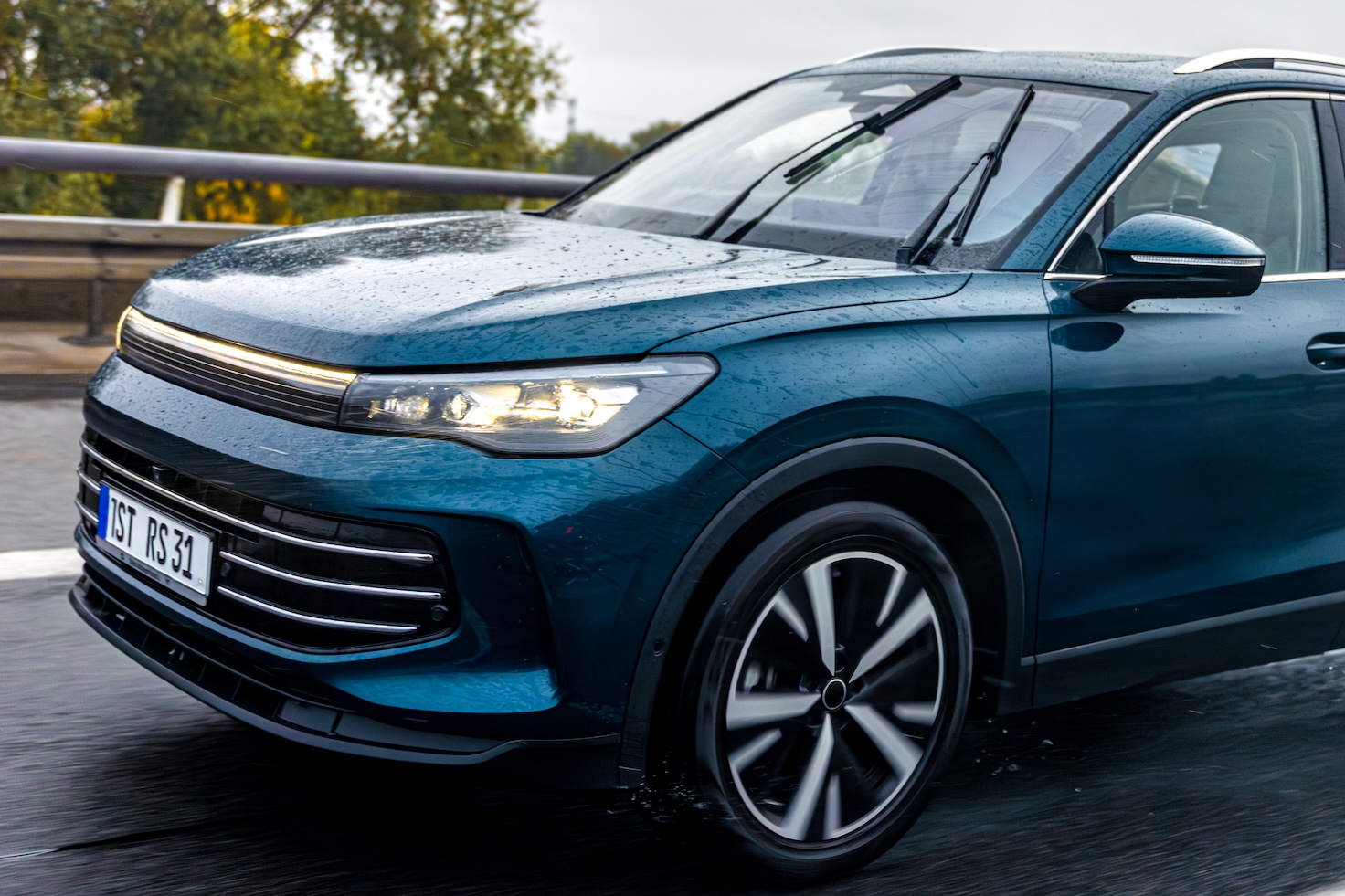
    Modern vehicle on display
    Five Chinese models offer Algerian buyers the best blend of price, equipment, and build quality available in 2026

    1. BYD Song Plus DM-i (Plug-in Hybrid SUV)

    The Song Plus DM-i is the standout pick across most rational comparisons. It’s a mid-size plug-in hybrid SUV with 60+ km of pure electric range, efficient hybrid operation for longer journeys, and an interior and equipment package that competes directly with European premium SUVs.

    For Algerian conditions specifically:

    • The hybrid system delivers strong fuel economy regardless of charging access — 18+ km/L in petrol-hybrid mode
    • The interior is genuinely premium-grade — soft-touch materials, large screens, premium audio
    • The full ADAS suite (adaptive cruise, lane-keeping, blind-spot monitoring) comes as standard
    • The landed cost imported direct is meaningfully below local-dealer pricing for any equivalent European hybrid SUV

    For Algerian buyers prioritising long-term running cost, this is the best-priced option that doesn’t compromise on quality.

    2. Chery Tiggo 8 Pro (Mid-size 7-seat SUV)

    The Tiggo 8 Pro is the family-priority choice. Genuine 7-seat capability, strong 1.6L turbocharged petrol engine producing 187 hp, and an interior that punches well above its price.

    What works for Algeria:

    • The seven-seat configuration is suited to extended family use
    • The petrol engine is reliable and pairs well with a refined automatic gearbox
    • Build quality has improved substantially in recent generations — the 8 Pro is qualitatively different from earlier Chery vehicles
    • The price-to-equipment ratio dramatically undercuts equivalent Korean or Japanese 7-seat SUVs

    For families wanting genuine 7-seat capability without paying European or Japanese 7-seat prices, the Tiggo 8 Pro delivers.

    3. Geely Coolray (Compact SUV)

    The Coolray punches above its segment in equipment and design quality. Built on a platform that benefits from Geely’s ownership of Volvo, the Coolray feels structurally more solid than its compact-SUV class rivals.

    Strong points for Algerian use:

    • 1.5L turbocharged three-cylinder engine producing 177 hp — surprisingly muscular
    • Sport-tuned chassis that handles well on Algerian highway driving
    • Equipment package competitive with European compact SUVs at meaningfully lower prices
    • Increasingly common parts availability through Geely’s expanding service network

    The Coolray is the right choice for younger Algerian buyers who want a stylish, well-equipped compact SUV without paying European premium pricing.
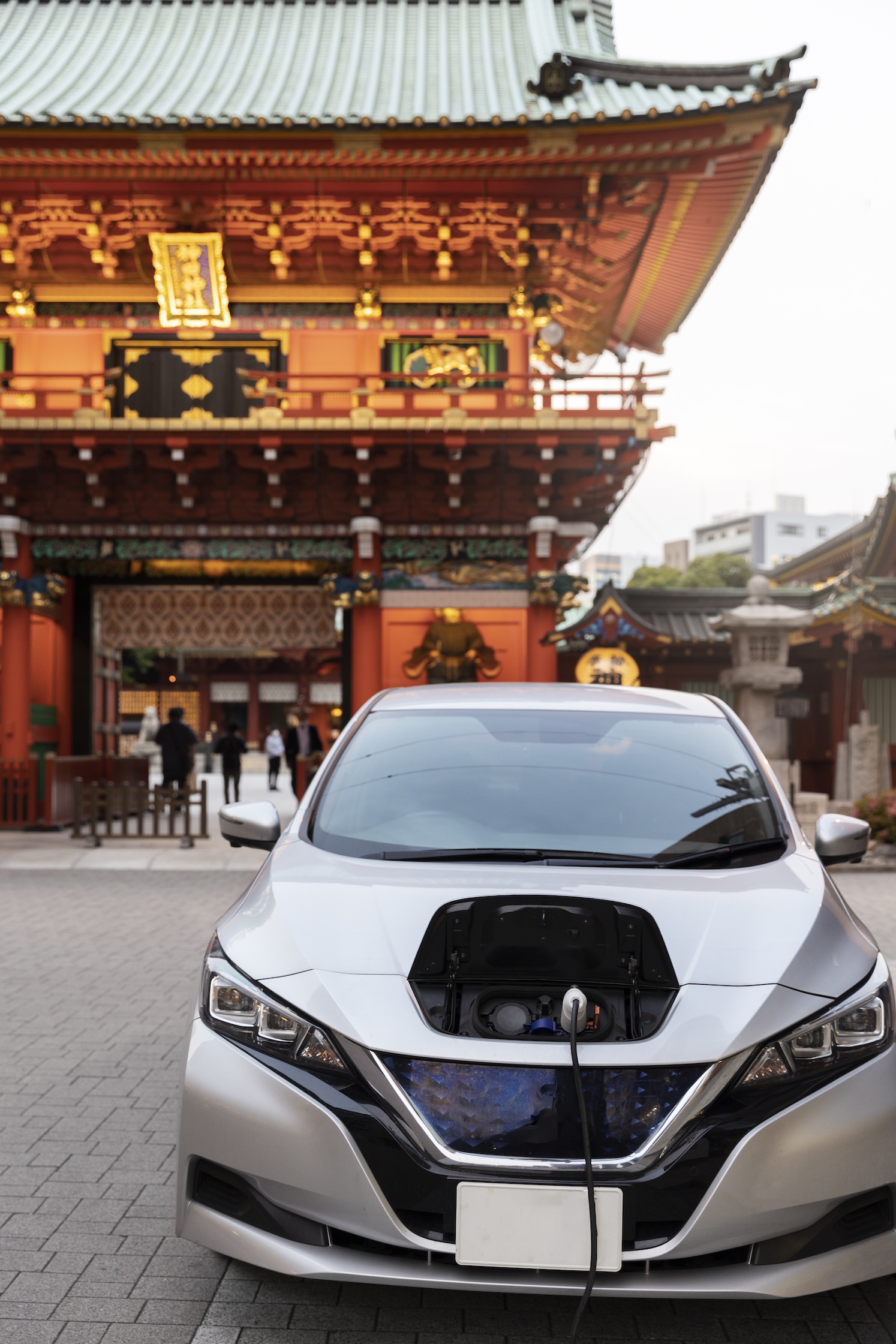
    Modern electric vehicle charging
    The shift toward Chinese new-energy vehicles is reshaping Algerian buyer expectations — and the price-to-equipment maths is hard to argue with

    4. MG ZS (Compact SUV)

    The MG ZS — built by the SAIC group, with Chinese ownership of the once-British MG brand — has become one of the strongest value propositions in the compact SUV segment globally. Affordable, well-equipped, and supported by MG’s expanding global service network.

    For Algeria specifically:

    • Compact dimensions suited to urban driving in Algiers, Oran, and Constantine
    • Modern interior with reasonable infotainment and driver-assistance equipment
    • The MG warranty offer (often 7 years on direct imports) is genuinely class-leading
    • Pricing significantly undercuts equivalent compact SUVs from European or Korean brands

    For buyers wanting a small SUV without paying small-SUV-with-premium-badge pricing, the ZS is hard to beat.

    5. BYD Dolphin (Compact EV)

    The Dolphin is the entry that requires honest assessment of charging infrastructure access. For Algerian buyers in major cities with home charging available, the Dolphin’s economics are genuinely transformative — running costs roughly one-eighth of an equivalent petrol vehicle.

    What works:

    • ~400 km real-world range — sufficient for almost all daily Algerian driving
    • Compact dimensions ideal for city use
    • Modern interior with surprising space for the exterior footprint
    • Running costs that genuinely transform monthly transport spending

    The honest caveat: in Algerian cities and regions where home charging isn’t practical and public charging infrastructure is still developing, the Dolphin makes less sense. Match the vehicle to your charging reality.

    How the Cost Maths Works for Algeria

    Comparing these five Chinese vehicles to equivalent European or Japanese alternatives at local Algerian dealer prices, the consistent pattern in 2026 is:

    • Direct-import landed cost typically lands 50–70% of equivalent local-dealer pricing
    • Equipment levels are consistently equal or better at the lower price point
    • Build quality has crossed the credibility threshold — these are not the Chinese vehicles of 2015
    • Warranty coverage on direct imports is often longer than what local dealers offer on European vehicles

    The financial advantage of direct-import Chinese vehicles is structural, not promotional. It reflects China’s manufacturing scale efficiency and the elimination of multiple distribution layers between factory and end buyer.

    How to Import These Vehicles to Algeria

    For Algerian buyers wanting to access these models at direct-import pricing, the practical sequence is:

    Step 1: Choose your vehicle and request a transparent landed-cost quote from Autoimport Africa. The quote covers vehicle price, freight, insurance, customs duty, clearing, and delivery to Algeria.

    Step 2: Once accepted, the order is placed in China. The supplier procures the vehicle and prepares export documentation.

    Step 3: Vehicles ship via consolidated 40-foot containers, typically transit time 30–45 days from Shanghai or Tianjin to Algerian ports.

    Step 4: Customs clearing in Algeria is handled by experienced clearing partners. Duty and taxes are paid against the pre-quoted figure.

    Step 5: The vehicle is delivered to your address in Algiers, Oran, Constantine, or other Algerian cities.

    End-to-end, expect 8–12 weeks from order to delivery.

    Pitfalls to Avoid

    A few specific cautions for Algerian buyers considering Chinese imports:

    Don’t compare based on perception alone. If you haven’t driven a current-generation BYD, Geely, Chery, or MG, your impression of “Chinese cars” may be 5–7 years out of date. Drive the vehicles or read current independent reviews before deciding.

    Match the model to your service ecosystem. Some Chinese brands have established service networks in Algeria; others are still building. Choose models supported by either local service or by a supplier that backs ongoing parts availability.

    Verify warranty terms specific to direct imports. Manufacturer warranty terms on direct imports can differ from terms on locally-distributed vehicles. Confirm what coverage applies before ordering.

    The Bottom Line

    For Algerian buyers in 2026, five Chinese vehicles — BYD Song Plus DM-i, Chery Tiggo 8 Pro, Geely Coolray, MG ZS, and BYD Dolphin — collectively offer the best blend of price, equipment, and quality available in the market. The structural cost advantage of direct import means meaningfully better economics than any locally-distributed alternative.

    Talk to Autoimport Africa for transparent landed-cost quotes on any of these models — or any other Chinese vehicle — delivered to your address in Algeria.


  • 10 Things to Know Before You Import a Car into Ghana in 2026

    10 Things to Know Before You Import a Car into Ghana in 2026

    Importing a vehicle into Ghana is a structured process — but it’s a process where the cost of mistakes is real money. Many first-time importers calculate their landed cost using the auction price plus a rough estimate of duty, only to discover at the port that the actual duty bill, the over-age penalty, the documentation fees, and the clearing-side surprises have eaten 60% of what they thought they were paying for.

    This is the no-fluff list of 10 things you need to know before committing money to a Ghana vehicle import in 2026 — the items that veteran importers internalised years ago and that every new importer learns the hard way.

    Vehicles arriving at port
    The 10 essentials below are the difference between an import that works profitably and one that quietly bleeds margin

    1. Auction Price Is Roughly 60% of Total Landed Cost

    The single most common mistake among new importers is assuming the auction or buy-it-now price represents most of what they’re going to pay. It doesn’t.

    For a typical vehicle imported into Ghana from China, Japan, the US, or Europe, the auction or purchase price typically lands between 55% and 65% of total landed cost. The remaining 35–45% is some combination of buyer’s premium, source-country export documentation, ocean freight, marine insurance, Ghanaian customs duty and taxes, port handling, clearing fees, and inland delivery.

    If you’re modelling margin against auction price, you’re modelling against a fraction of what you’re actually committing to.

    2. The 10-Year Age Rule Has Sharp Teeth

    Ghana enforces a 10-year vehicle age rule, calculated from the year of manufacture. Vehicles older than 10 years face a stiff over-age penalty that can effectively double the import duty payment.

    For 2026 imports, this means:

    • A 2016 model year vehicle is the oldest you can practically import without penalty
    • A 2015 or earlier vehicle should generally be avoided unless the math works even with the penalty
    • Vehicles right at the cutoff need careful timing — manufacture date matters, and shipping delays can push you over

    The pattern that works best in 2026: source vehicles 0–5 years old. The price advantage of older vehicles is more than wiped out by the penalty when they tip past 10 years.

    3. Duty Is Calculated on Assessed Value, Not What You Paid

    Ghanaian customs assess each imported vehicle against an internal valuation. If you bought the vehicle for less than the assessed value, you’re still paying duty on the higher number. If you bought it for more than the assessed value, you’re paying duty on the lower number.

    In 2026, with VIN-based valuation systems increasingly common, assessed values are typically close to fair market value. The practical implication: don’t budget duty against your purchase price. Budget against the realistic market value.

    4. Port Handling and Clearing Fees Are Real

    Beyond duty itself, you’ll pay:

    • Port handling fees
    • Clearing agent fees (typically $400–$700 per vehicle in 2026)
    • Examination fees
    • Demurrage if your vehicle sits at port awaiting clearing

    Demurrage in particular catches new importers. A vehicle that sits 14 extra days at port — perhaps because documentation wasn’t ready, or your clearing agent was slow — can rack up demurrage charges that meaningfully eat your margin.

    Container port operations
    The clearing-side process matters more than most new importers realise — every day at the port costs money

    5. Documentation Has to Be Complete and Specific

    Ghanaian customs requires a specific documentation set for vehicle imports:

    • Bill of Lading (BL)
    • Commercial Invoice
    • Packing List (where applicable)
    • Title or equivalent ownership document
    • Source-country export certificate
    • Ghana Customs declaration
    • Tax Identification Number (TIN) for the importer
    • Other supporting documents depending on vehicle type and origin

    Missing or incorrect documentation is one of the most common sources of port delays — and demurrage cost. The discipline of getting documentation right at source pays back many times over at the port.

    6. Tema Is Faster Than Takoradi for Most Imports

    Most vehicle imports come through Tema port. Takoradi can work but is generally slower and less efficient for vehicle clearing. For first-time importers, Tema is the safer choice unless you have a specific reason to use Takoradi.

    7. Your Clearing Agent Matters More Than the Source

    A great vehicle from a great source can still go badly if your clearing agent isn’t competent. The clearing process touches multiple government agencies, requires constant follow-up, and rewards relationships built over years of operation.

    For new importers, working with an established clearing partner — or a full-service import platform that includes clearing — is meaningfully safer than trying to negotiate with random clearing agents at the port.

    8. New Imports From China Often Beat Used Imports From Elsewhere

    The maths that surprises many new importers in 2026: a brand-new vehicle imported directly from China through a structured platform like Autoimport Africa often lands in Ghana at a competitive price compared to a 4–6 year-old used Toyota or Hyundai imported via Japan or the US.

    Why? Chinese manufacturing prices are structurally lower, the consolidated shipping reduces per-unit cost, the vehicle has zero history (no inspection-discovered surprises), and the duty calculation on a new vehicle is straightforward without age-penalty complications.

    For first-time importers especially, this can be the most rational starting point.

    9. Currency Risk Is Real, and It’s Not Just Cedi-Dollar

    If you’re paying for the vehicle in USD or CNY and your costs in Ghana are in cedis, every week between order and final payment exposes you to currency movement. A 5% cedi depreciation between order and clearing can wipe out your target margin.

    Effective importers either lock currency forward, structure payments in tranches, or work with import partners who quote final landed cost in cedis upfront — eliminating the currency risk entirely.

    10. Resale Market Conditions Change Faster Than Import Cycles

    By the time your vehicle clears port, the market you planned to sell into may look different from the market you planned for at order time. Buyer preferences shift, fuel prices move, and competing supply arrives.

    The dealers who consistently win in Ghana plan their imports against expected market conditions 3 months out — not current conditions at order time. That requires staying close to the market and being willing to adjust source selections based on shifts in demand.

    How Autoimport Africa Removes Most of These Concerns

    The 10 items above are why Autoimport Africa exists. We handle the supply chain end-to-end: vehicle sourcing in China, third-party inspection, export documentation, consolidated shipping, customs clearing in Ghana, and final delivery. Our quotes are denominated in cedis upfront, eliminating currency risk. Our clearing partners are established veterans who minimise demurrage exposure. Our inventory focuses on new and lightly-used Chinese vehicles that fall well within the age rule and deliver competitive landed cost.

    For first-time importers and scaling dealers, this means most of the 10 concerns above become someone else’s problem (ours). You choose the vehicle. We deliver it.

    The Bottom Line

    The cost of importing a vehicle into Ghana in 2026 isn’t just the auction price. It’s the auction price plus 35–45% in duties, fees, freight, and clearing — plus the cost of every mistake along the way that catches first-time importers. The 10 essentials above are the working knowledge that experienced importers internalised years ago.

    Talk to Autoimport Africa about your next import. We’ll give you the transparent landed cost up front, in cedis, with the clearing already pre-arranged.

  • Nigeria’s 2026 Used Car Import Duty: A Dealer’s Working Guide to Landed Cost

    Nigeria’s 2026 Used Car Import Duty: A Dealer’s Working Guide to Landed Cost

    For Nigerian dealers and importers, the 2026 customs landscape has changed in ways that reshape the import business — some favourably, some demanding new attention. The headline change is the tariff reduction on fully built passenger vehicles. The detail that matters more, for anyone running margin maths, is how compounding duties, age limits, and VIN-based valuation now combine to determine what you actually pay at the port.

    This is the working dealer’s guide to Nigerian used car import duty in 2026 — what’s changed, how the maths actually compounds, and how to estimate landed cost accurately enough to protect your margin.

    Lagos commercial street scene
    The 2026 Nigerian import duty environment is the most favourable for new and recent vehicles in nearly a decade — but the structure rewards precise planning

    The Headline Change: Tariff Reduction

    Nigeria’s 2026 Fiscal Policy Measures reduced the import tariff on fully built passenger vehicles from 70% to 40%. This is the first major reduction since 2015 and meaningfully improves the landed cost of any imported passenger vehicle.

    What it doesn’t mean: that you should expect a 30 percentage point reduction in your total landed cost. The 70% figure was the import duty rate alone — the total duty load on a vehicle has always included multiple additional levies that compound on top.

    What it does mean: the dealer maths is now meaningfully more favourable for new and recent imports than it was in 2024 or 2025.

    How the Duty Stack Actually Compounds

    For a passenger vehicle imported into Nigeria in 2026, the typical duty stack looks like this:

    • Import Duty: 40% of the assessed value
    • VAT: 7.5% on top of (assessed value + import duty)
    • Surcharge: typically 7% of import duty (variable; check current Customs publication)
    • CISS (Comprehensive Import Supervision Scheme): 1% of FOB value
    • ETLS (ECOWAS Trade Liberalisation Scheme) Levy: 0.5% of CIF value

    The compounding effect matters: VAT is calculated on the value after import duty, so a higher import duty effectively inflates the VAT line as well. For a vehicle assessed at $20,000, the duty and tax stack might break down approximately as:

    • FOB value: $20,000
    • Freight + insurance to CIF: ~$1,500
    • CIF value: ~$21,500
    • Import duty (40%): ~$8,600
    • VAT (7.5% on CIF + duty): ~$2,257
    • Other levies (CISS, ETLS, surcharge): ~$700
    • Total customs payment: ~$11,557 — roughly 53.7% of CIF value

    Add clearing agent fees, port handling, and inland delivery, and the total landed-cost overhead on the CIF value typically lands in the 58–63% range for a 2026 import.

    The 12-Year Age Limit and What It Means

    Nigeria’s enforcement of the 12-year vehicle age limit has tightened significantly in 2026. Vehicles older than 12 years from the year of manufacture face increasingly difficult clearing experiences — additional documentation requirements, stricter physical inspection, and in some cases outright refusal of entry.

    For dealers, the practical implication is that the older end of the used market — vehicles 10+ years old — is no longer a viable sourcing target. The economics that used to work on cheap older imports collapse under the combined weight of compliance costs and the risk that the vehicle simply won’t clear.

    This is one of the structural reasons direct imports of new and lightly-used Chinese vehicles have grown so quickly in 2026: they fall well within the 12-year window with two decades of remaining headroom.

    Vehicles on a Lagos road
    The 12-year rule and the VIN valuation system both reward dealers who specialise in newer, well-documented inventory

    The VIN Valuation System

    A second structural change is the broader adoption of VIN-based valuation by Nigerian Customs. Previously, dealers could sometimes negotiate assessed values that bore little relation to actual market value. The VIN system now references international vehicle databases to confirm a reasonable assessed value for any specific vehicle.

    What this means in practice:

    • Underdeclaring the value of an imported vehicle has become much harder
    • The assessed value (the basis for duty calculation) is now meaningfully closer to actual market value
    • The “tricks” some importers used to compress duty bills have been largely eliminated
    • The playing field for honest dealers has improved — they’re no longer competing against importers who systematically underdeclared

    For dealers planning landed-cost models, this means using realistic market values for duty calculation rather than the optimistic numbers that may have worked under previous practice.

    Estimating Real Landed Cost: A Dealer’s Working Framework

    For any vehicle you’re considering importing into Nigeria in 2026, run this calculation:

    Step 1: Establish FOB price. The price paid at the Chinese port (or other source country port).

    Step 2: Add freight and insurance. Typically $1,000–$1,500 per vehicle in a consolidated container, plus 1–2% insurance on vehicle value. This gives you CIF value.

    Step 3: Apply the duty stack. 40% import duty on CIF, then 7.5% VAT on (CIF + duty), then 1% CISS, 0.5% ETLS, and surcharge. Total customs payment is typically 53–55% of CIF in 2026.

    Step 4: Add port and clearing costs. Clearing agent fees, port handling, demurrage allowance — typically $500–$1,000 per vehicle.

    Step 5: Add inland transport. From port to forecourt — typically ₦150,000–₦400,000 in Lagos area.

    Step 6: Add target margin. Whatever margin you need on top of total landed cost.

    The selling price you can support is the landed cost plus margin. The hammer price or buy-it-now price you can support at source is the landed cost target minus everything that gets added between source and Lagos.

    Dealers who run this model consistently — vehicle by vehicle, before committing — protect their margins. Dealers who estimate roughly and “see how it goes” routinely find that 30% of their imports come in under target margin, eroding overall profitability.

    Where Direct Import Through Autoimport Africa Helps

    For Nigerian dealers, the practical question in 2026 isn’t just “what’s the duty rate?” — it’s “how do I minimise total landed cost while maximising vehicle quality and clearing reliability?”

    Autoimport Africa is structured specifically to address that question. We source brand-new and lightly-used vehicles directly from China, where pricing is structurally lower than equivalent vehicles available through Japanese, European, or Dubai-based supply chains. Our consolidated shipping reduces per-unit freight cost. Our customs clearing in Nigeria is handled by experienced brokers who price duties accurately upfront — no surprises at the port.

    For a dealer running a fleet of 20–50 vehicles a year, working with Autoimport Africa typically improves landed-cost-to-selling-price margins by 15–25% versus traditional sourcing channels.

    Common Pitfalls in 2026

    The mistakes that catch even experienced Nigerian importers in the new environment:

    Estimating duty using outdated rates. The 70%-to-40% change is the most visible, but multiple smaller levies have also changed. Use current rates, not last year’s.

    Sourcing vehicles too close to the 12-year cutoff. A vehicle that’s 11 years old at time of purchase may be 12+ by clearing time, depending on shipping schedule. Build in a buffer.

    Ignoring VIN valuation when bidding at auction. Just because you won a vehicle at $8,000 doesn’t mean Customs will assess it at $8,000. Run your VIN check during inspection, before bidding.

    Underestimating clearing-side delays. Even with all paperwork in order, port congestion in Lagos can extend clearing timelines. Budget time and demurrage capacity accordingly.

    The Bottom Line

    Nigerian customs in 2026 reward precision. The duty rates are more favourable than they’ve been in years, the age limits and VIN system have improved the playing field for honest dealers, and direct imports of new vehicles from China have become genuinely competitive against alternative sourcing. The dealers who thrive in this environment are the ones who run accurate landed-cost models, source through reliable partners, and avoid the structural traps that catch less disciplined operators.

    If you’d like to model Nigerian landed cost on any specific vehicle from China, talk to Autoimport Africa. We’ll quote a transparent number that accounts for everything from FOB through to delivery in Lagos.

  • The Top 10 Used Car Brands in 2026: A Dealer’s Sourcing Ranking

    The Top 10 Used Car Brands in 2026: A Dealer’s Sourcing Ranking

    The 2026 used vehicle market reflects a moment of genuine transition. Established Japanese and European brands still dominate volume in many markets, but Chinese brands have quietly moved from challengers to legitimate market leaders — and the pace of that shift is accelerating.

    This is the dealer-focused brand ranking for 2026, drawing on global transaction patterns, regional inventory turnover, and the markets that drive volume for African importers. The list isn’t a celebration of nostalgic favourites — it’s an honest read of which brands are actually moving in the global supply chain right now.

    Premium European sports car
    The 2026 brand ranking reflects a global market in transition — Chinese brands now compete for volume leadership alongside established European and Japanese names

    1. Volkswagen

    Still the global volume leader by a meaningful margin. Volkswagen’s strength in 2026 is the depth of its used inventory across multiple price tiers — from the entry-level Polo to the premium Touareg — and the brand’s parts ecosystem in Europe, Africa, and the Middle East. For dealers needing reliable mid-market inventory, Volkswagen remains the safest default.

    2. Toyota

    The reliability premium continues to power Toyota volume. The Corolla, RAV4, Camry, and Hilux move through the global supply chain at near-constant velocity. Toyota’s hybrid options have re-entered the demand picture aggressively in 2026 as fuel prices and emissions concerns push buyers toward efficient powertrains.

    3. BYD

    The most significant story in the 2026 ranking is BYD’s rise to third position globally. The world’s largest EV manufacturer has expanded aggressively into hybrid and ICE segments, dominated multiple emerging markets, and built a reputation for build quality that genuinely competes with Toyota. The Song Plus, Atto 3, Dolphin, and Han are all in the top tier of fastest-moving inventory globally.

    4. BMW

    The premium segment leader for the global used market in 2026. BMW’s inventory turnover is concentrated in the 3 Series, X1, X3, and X5 — vehicles that combine premium positioning with enough volume to remain accessible. African dealers continue to find strong margins on BMW imports, particularly the X-series SUVs.

    5. Audi

    Audi’s used inventory volume has held steady through 2026 despite increased competition from Chinese premium entries. The A3, A4, Q3, and Q5 are the volume drivers. The brand’s diesel options are still highly sought after in markets that haven’t shifted to petrol or electric defaults.

    Premium German automotive brand emblem
    Chinese brands now occupy multiple positions in the global top 10 — a structural shift that’s reshaping the global used car supply chain

    6. Geely

    Geely’s position in the top six reflects both its standalone brand strength and its ownership of Volvo, Lotus, and Lynk & Co. The Coolray, Atlas Pro, and Boyue have driven serious volume in emerging markets. The Volvo connection has lifted Geely’s perceived quality, and rightfully — many platforms are shared.

    7. Mercedes-Benz

    Mercedes’ position has slipped slightly from previous years as Chinese premium options gain ground, but the brand still anchors the high end of the used market. The C-Class and E-Class remain volume leaders; GLC and GLE drive the SUV side. African dealers selling Mercedes consistently command strong margins.

    8. Jetour

    Jetour — a relatively newer Chinese brand under Chery’s umbrella — has surged in 2026 by focusing on well-equipped SUVs at aggressive prices. The X70, X90, and Dashing models have driven serious volume in emerging markets. For dealers looking for inventory that moves quickly at competitive prices, Jetour is increasingly appearing on shortlists.

    9. Honda

    Honda’s position has been pressured by Chinese competition and by Toyota’s aggressive hybrid push, but the brand still sells well on reliability reputation. The Civic, CR-V, and Accord remain core volume drivers. The 2017–2019 1.5L turbo oil-dilution issue has now been clearly resolved on later models, but used-car buyers should still verify model year carefully.

    10. Chery

    Closing out the top 10 with Chery, whose Tiggo SUV range has captured significant share in markets across Africa, the Middle East, Latin America, and Eastern Europe. The Tiggo 7 Pro and Tiggo 8 are exported in serious volume; pricing is aggressive; build quality has lifted to credible levels. For African dealers, Chery is now a default consideration rather than an experimental choice.

    What This Ranking Means for African Importers

    A few takeaways for dealers and importers in 2026:

    Chinese brands now occupy four of the top 10 positions. BYD, Geely, Jetour, and Chery have all moved from “interesting alternatives” to mainstream choices. Dealers who haven’t yet built supply relationships into Chinese inventory are operating at a structural disadvantage in 2026.

    The premium-to-mass-market gap is narrowing. Mercedes and BMW still command price premiums, but Chinese vehicles are increasingly delivering equivalent equipment and build quality at significantly lower prices. The buyer who previously stretched for an entry-level BMW now has BYD and Geely options that may serve them better.

    Hybrid and PHEV demand has pulled forward. Toyota’s hybrid range and BYD’s DM-i platform are both moving faster through the supply chain than equivalent pure-ICE inventory. Stocking decisions in 2026 should weight toward electrified powertrains where possible.

    Volume vs margin trade-offs differ by brand. Volkswagen and Toyota remain the safest volume plays. BYD and Geely now offer the best margins for dealers willing to source aggressively. BMW and Mercedes remain the highest absolute margin per unit. The right brand mix depends on your local market dynamics.

    How Autoimport Africa Sources Across All 10

    Autoimport Africa sources vehicles across every brand on this list, with particular depth on the Chinese entries (BYD, Geely, Jetour, Chery) where direct China sourcing offers structural cost advantages. We provide transparent landed-cost quotes for any model in any of these brands, run third-party inspections, and handle the full import process into Nigeria, Ghana, and other African markets.

    For dealers building 2026 inventory plans, the right brand mix is no longer just about Toyota and Volkswagen. It’s about strategically combining the established volume leaders with the rising Chinese brands that now offer the best per-unit economics.

    The Bottom Line

    The 2026 global used car brand ranking — Volkswagen, Toyota, BYD, BMW, Audi, Geely, Mercedes-Benz, Jetour, Honda, Chery — reflects a market that’s no longer dominated solely by traditional players. Chinese brands have moved from peripheral to central in just a few years, and the pace of that shift will continue.

    For African dealers building inventory plans, the question isn’t whether to engage with Chinese supply — it’s how aggressively to lean in. Talk to Autoimport Africa about sourcing across the full top 10.

  • Importing Cars from China to Algeria in 2026: The Practical Buyer’s Guide

    Importing Cars from China to Algeria in 2026: The Practical Buyer’s Guide

    Algeria’s vehicle market has been a frustrating one for buyers for years. Local prices have climbed faster than wages, the official import channels favour a small set of higher-priced brands, and the used vehicle market has been increasingly dominated by older, harder-to-maintain inventory. For buyers who’ve watched these dynamics tighten, importing directly from China has emerged as the most credible path back to value, choice, and quality.

    This guide walks through how Algerian buyers can practically import vehicles from China in 2026, which models are best suited to local conditions, and how the supply chain has matured to the point that direct import is now realistic for individual buyers — not just established dealers.

    Urban traffic and city driving
    The Chinese auto industry has scaled to the point where Algerian buyers can access genuinely new, well-equipped vehicles at prices the local market simply cannot match

    Why Import from China to Algeria in 2026

    The case for direct import has strengthened substantially in the past two years:

    Price. A new Chinese vehicle (BYD, Chery, Geely, MG) imported direct typically lands in Algeria at 50–70% of the equivalent local-dealer price for an established Korean or European brand. That gap is structural, not promotional — it reflects China’s manufacturing scale and the elimination of multiple distribution layers.

    Quality. The “Chinese car” stigma is now factually outdated. Chinese vehicles win European safety ratings, lead the global EV market, and are increasingly outperforming Japanese rivals on technology benchmarks. The 2026 BYD Atto 3, Chery Tiggo 8, and Geely Coolray are vehicles that compete directly on quality with Toyota, Hyundai, and Volkswagen — at significantly lower prices.

    Choice. Direct import lets you specify the exact model, trim, colour, and configuration you want. Local dealer inventory is constrained to what the official importers chose to bring in. Direct import unlocks the full Chinese market.

    Trust. A brand-new vehicle imported directly has no history. There’s no question about flood damage, accident repairs, or odometer rollback. For buyers who’ve been burned by the local used market, this alone is worth the import process.

    The Top 5 Models for Algerian Conditions in 2026

    1. BYD Song Plus DM-i (Plug-in Hybrid SUV). The standout choice for buyers who want low running costs without sacrificing utility. 60+ km of pure electric range, efficient hybrid mode for longer journeys, and equipment levels that match European premium SUVs. Lands in Algeria at competitive cost.

    2. Chery Tiggo 8 (Mid-size SUV). Seven-seater capability, premium interior finish, robust 1.6L turbocharged petrol engine. Already established in the Algerian market through official channels but typically priced 40–50% higher than direct import would deliver.

    3. Geely Coolray (Compact SUV). Stylish, well-equipped, and built on a platform that benefits from Geely’s ownership of Volvo. The 1.5L turbo three-cylinder engine delivers 177 hp and respectable economy. Excellent option for urban Algerian buyers.

    4. MG ZS / MG HS. The MG brand (now Chinese-owned by SAIC) offers two SUVs with strong appeal in Algerian conditions — the smaller ZS and the larger HS. Both come with seven-year warranties on direct import, parts availability is reasonable, and pricing significantly undercuts European rivals.

    5. BYD Dolphin (Compact EV). For buyers in major Algerian cities with home charging access, the Dolphin offers all-electric operation at running costs roughly 1/8 of equivalent petrol vehicles. As electric infrastructure expands, this becomes increasingly practical.

    Modern SUV on the road
    The shift toward Chinese new-energy vehicles is reshaping import patterns across North Africa — Algeria included

    How the Import Process Works

    For Algerian buyers, the practical sequence in 2026 is:

    Step 1: Vehicle selection and quoting. Choose the make, model, and trim through a verified import partner like Autoimport Africa. The partner provides a transparent landed-cost quote covering vehicle price, ocean freight, marine insurance, and customs duties.

    Step 2: Payment. Funds are transferred against the agreed quote.

    Step 3: Procurement and export documentation. The supplier in China procures the vehicle, completes export certification, and prepares the vehicle for ocean shipping.

    Step 4: Ocean freight. Vehicles are typically consolidated in 40-foot containers (3-4 vehicles per container) and shipped from Shanghai or Tianjin to Algerian ports — typically Algiers or Oran. Transit time is approximately 30–45 days.

    Step 5: Arrival and customs clearing. The clearing agent files the import documentation with Algerian customs, pays applicable duties and taxes, and arranges release.

    Step 6: Local delivery. The vehicle is transported from the port to your address.

    End to end, expect 8–12 weeks from order placement to delivery in Algiers, Oran, or Constantine.

    Cost Structure: What You’ll Actually Pay

    For a typical Chinese mid-size SUV import to Algeria in 2026, the cost stack roughly breaks down:

    • Vehicle FOB price (China): 55–65% of total landed cost
    • Ocean freight (consolidated): typically $1,000–$1,400 per vehicle
    • Marine insurance: 1–2% of vehicle value
    • Algerian customs duty and taxes: meaningfully variable depending on vehicle category, with EVs and new-energy vehicles attracting more favourable rates than pure ICE
    • Clearing agent fees: typically $400–$700
    • Inland delivery in Algeria: typically $200–$500 depending on destination city

    Compared to local-dealer pricing on equivalent vehicles, a direct import typically lands at 50–70% of the local sticker price — a significant saving even after accounting for the time and process involved.

    Common Pitfalls to Avoid

    Skipping inspection reports. Even on new vehicles, third-party inspection prior to shipping confirms the exact specifications and condition. Skip this and you have no recourse if the vehicle arrives different from what you ordered.

    Misjudging customs. Algerian customs duty on vehicles has changed multiple times in recent years. Working with an import partner who keeps current on the rules — rather than estimating based on outdated information — protects your landed cost.

    Choosing models without service support. Some Chinese brands have established service networks in Algeria; others don’t. Match your model selection to brands with reasonable local service capability, or work with a supplier who can support parts on an ongoing basis.

    Underestimating documentation timelines. Algerian vehicle registration documentation can take additional weeks after customs release. Budget for this in your overall planning.

    How Autoimport Africa Helps

    Autoimport Africa handles end-to-end imports of Chinese vehicles into multiple African markets, including services tailored to North African buyers. We source from verified Chinese suppliers, run third-party inspections, manage export documentation, consolidate shipping, coordinate customs clearing in Algeria, and arrange final delivery.

    For Algerian buyers, working with Autoimport Africa replaces a complex multi-party process with a single transparent quote and a single point of accountability. You choose the vehicle. We deliver it.

    The Bottom Line

    Importing from China to Algeria in 2026 is no longer the speculative activity it was a few years ago. The supply chain is mature, the quality of Chinese vehicles is competitive with the best Japanese and European alternatives, and the price advantage is structural rather than promotional. For Algerian buyers who’ve been frustrated by local pricing, limited choice, or used-vehicle quality risk, direct import offers a credible alternative.

    If you’d like a transparent landed-cost quote on any of the models discussed above — or any other Chinese vehicle — talk to Autoimport Africa. We’ll handle the rest.

  • How to Import Vehicles from China to Africa in 2026: The Complete Working Guide

    <![CDATA[The volume of Chinese vehicles arriving in African ports has quietly become one of the most significant shifts in the continent's automotive landscape. Five years ago, the dominant import flow into Lagos, Tema, and Mombasa was Japanese and European used cars sourced through Dubai, the UK, and the United States. In 2026, China is competing aggressively with all of them — and winning many of the comparisons.

    This is a working guide for African dealers and individual importers who want to understand how Chinese vehicle imports work in 2026: the supply chain, the country-specific rules, the costs, and the strategies that actually deliver landed inventory at competitive prices.

    Asian commercial port and skyline
    The supply chain that connects Chinese factories and auctions to African ports has matured rapidly — what required specialist knowledge five years ago is now a structured process

    Why China, and Why Now

    Three structural shifts have made China the primary growth source for African vehicle imports:

    1. Domestic supply abundance. China is now the world’s largest vehicle producer. Inventory turnover at Chinese auction platforms is enormous, with thousands of vehicles changing hands daily. That depth of supply means African buyers can specify exact trims, colours, and conditions with realistic chances of finding what they want.

    2. Quality has crossed the credibility threshold. BYD, Geely, Chery, Great Wall, and others now produce vehicles that compete directly with Toyota, Hyundai, and Volkswagen on quality, equipment, and reliability. The “Chinese car” stigma that lingered until the early 2020s is now mostly outdated.

    3. Price advantage at scale. Chinese new vehicles cost less than comparable Japanese or Korean equivalents — sometimes dramatically less. Used Chinese vehicles, particularly fleet-removed and lease-return inventory, are even more aggressively priced.

    For African dealers operating on margin compression and individual importers stretched by foreign exchange volatility, those three factors combine to make Chinese sourcing the rational default in 2026.

    The Sourcing Process: Step by Step

    A clean, modern Chinese-to-Africa import follows roughly this sequence:

    Step 1: Vehicle selection. Browse inventory on a verified platform — either a Chinese auction marketplace or a curated supplier like Autoimport Africa. Filter by make, model, year, mileage, and condition grade. The best platforms include 200- to 300-point third-party inspection reports.

    Step 2: Bid or buy. Some inventory is auction-only (sealed-bid or live), some is buy-it-now. Auctions reward disciplined bidding; buy-it-now offers price certainty.

    Step 3: Payment and procurement. Funds are transferred (typically USD or CNY) and the vehicle is procured by the supplier. A reputable supplier handles the Chinese-side documentation, including export certificate of title and customs paperwork.

    Step 4: Ocean freight. The vehicle is consolidated with other shipments — usually three to four vehicles per 40-foot container — and shipped by sea to the destination African port. Transit time from Shanghai to Lagos is typically 35–45 days; to Tema, 38–48 days; to Mombasa, 25–35 days.

    Step 5: Arrival and customs clearing. The destination-side clearing agent receives the vehicle, files customs documentation, pays the applicable duties and taxes, and arranges release.

    Step 6: Local delivery. The vehicle is transported from the port to the buyer’s address — or, for dealers, to their forecourt or warehouse.

    End to end, the timeline from order placement to delivery in Lagos or Accra is typically 8–12 weeks.

    Aerial view of urban traffic
    The vehicles that move through this supply chain land on Lagos, Accra, and Nairobi roads within 8–12 weeks of order placement

    Country-Specific Rules You Need to Know

    Customs and import regulations differ meaningfully between African markets. The big three for 2026 imports:

    Nigeria. The 2026 Fiscal Policy Measures reduced import tariffs on fully built passenger vehicles from 70% to 40%. Combined with VAT (7.5%) and a few smaller levies, the effective duty load on a passenger vehicle landed in Lagos is now in the mid-50% range — meaningfully better than 2024 conditions. Vehicles older than 12 years are increasingly restricted under End-of-Life Vehicle certification rules.

    Ghana. Vehicles older than 10 years are subject to a stiff over-age penalty that can effectively double the duty. New and near-new imports avoid this penalty entirely, which is why direct imports of recent Chinese inventory through platforms like Autoimport Africa are increasingly economic compared to older used imports from other regions.

    Kenya. The 8-year age rule is strictly enforced — vehicles must be no more than 8 years from the year of first registration. Excise duty, import duty, VAT, IDF fee, and Railway Development Levy combine to a meaningful total. The good news: Chinese new and lightly-used inventory falls well within the 8-year window with room to spare.

    Other markets: Côte d’Ivoire, Senegal, Cameroon, Tanzania, Rwanda, and Uganda all have specific rule sets. The pattern is consistent: newer vehicles attract lower effective duty, age penalties have been tightening over the past five years, and the regulatory environment increasingly favours quality imports over high-mileage older inventory.

    Cost Structure: What Actually Goes Into Landed Cost

    The hammer price or buy-it-now price of a Chinese vehicle is roughly 55–70% of the total landed cost for the African importer. The remaining 30–45% breaks down approximately as:

    • Buyer’s premium and platform fees: 5–8% of vehicle price
    • Chinese-side export documentation and inland transport: 2–4% of vehicle price
    • Ocean freight (consolidated): typically $800–$1,400 per vehicle for a 40-foot consolidation
    • Marine insurance: 1–2% of vehicle value
    • Customs duty and taxes: varies by country (Nigeria ~50–55% currently, Ghana ~35–50% depending on age, Kenya ~25–35%)
    • Clearing agent fees: typically $300–$600 per vehicle
    • Inland delivery: varies, typically $150–$400 within capital cities

    Understanding this breakdown matters because dealers who plan margin against hammer price rather than landed cost consistently lose money on imports. The discipline of working from full landed cost backward is what separates profitable importers from frustrated ones.

    Common Pitfalls to Avoid

    The repeat mistakes that catch new importers, year after year:

    Skipping inspection reports. A Chinese auction vehicle without a third-party inspection report is a gamble. Almost every “I lost money on a Chinese import” story traces back to this single shortcut.

    Assuming Japanese-export logistics apply. The infrastructure for Japan-to-Africa shipping has been mature for 30 years. China-to-Africa is newer, has different documentation requirements, and rewards working with partners who have done it many times.

    Misjudging duty calculations. Duty in most African markets is calculated against an assessed value, not necessarily the price paid. Underestimating that gap can blow up your landed-cost model.

    Choosing models without local parts ecosystems. A clean Chinese SUV is great. A clean Chinese SUV that nobody in your city can service is a problem. Stick to models with established local parts pipelines, or work with a supplier who can support parts sourcing on an ongoing basis.

    How Autoimport Africa Fits

    The whole point of Autoimport Africa is to remove the operational complexity that has historically made Chinese-to-Africa imports an expert-level activity. We curate verified inventory from Chinese suppliers, run third-party inspections, handle export documentation, consolidate shipping, manage customs clearing in Nigeria, Ghana, and Kenya, and deliver to your address.

    The buyer’s job is to choose the vehicle. The importer’s job — ours — is to deliver it.

    The Bottom Line

    Importing used and new vehicles from China to Africa in 2026 is no longer the specialist activity it was five years ago. The supply is deep, the quality is competitive, the prices are favourable, and the logistics infrastructure has matured. What separates importers who win from importers who struggle is whether they work with the right partner — one with real China-side relationships, real inspection partnerships, and real customs clearing capacity in your destination country.

    If you’re importing into Nigeria, Ghana, Kenya, or another African market and you’d like to skip the trial-and-error phase, talk to Autoimport Africa. We’ve already done the hard work — your job is just to choose the vehicle.]]>

  • 5 Costly Mistakes First-Time Car Buyers in Ghana Keep Making (And How to Skip All of Them)

    <![CDATA[Buying your first car in Accra, Kumasi, or anywhere else in Ghana is one of the most expensive mistakes-or-wins of a young adult's financial life. Get it right and you've got reliable transport, a maintained asset, and the foundation for serious mobility. Get it wrong and you spend the next three years pouring money into a vehicle that should have been someone else's problem.

    The patterns are predictable. Almost every first-time buyer in Ghana makes a version of the same five mistakes — and almost every one of those mistakes can be avoided with a little upfront discipline.

    A first-time car buyer in West Africa
    The first car you buy sets the financial pattern for the next decade — getting it right matters more than most people realise

    Mistake #1: Falling in Love with the Look Before Checking the Numbers

    You see a clean Honda Accord on a dealer’s lot in Tema. The body’s straight, the paint shines, the price is “negotiable”. Three weeks later, you’ve signed and paid — and discovered that the AC compressor is dying, the gearbox needs work, and the fuel consumption is double what you budgeted for.

    The fix: price the total cost of ownership, not the sticker price. A reasonable first-car budget should account for the purchase price plus at least 15–25% over the first year for maintenance, repairs, and parts. If a vehicle is at the top of your purchase budget, you don’t actually have a budget for ownership.

    Mistake #2: Skipping the Independent Mechanic Inspection

    This is the most common and most damaging mistake on the list. The dealer’s mechanic is not your mechanic. The seller’s “trusted technician” is not your technician. Any vehicle you’re considering needs a pre-purchase inspection from someone whose only loyalty is to your wallet.

    A proper Ghana pre-purchase inspection for ₵400–₵800 will catch:

    • Frame and chassis damage hidden by paint
    • Flood-damage indicators (mud in unusual places, electrical corrosion, musty smells)
    • Engine compression problems
    • Transmission issues developing under the surface
    • Odometer rollback (verifiable through service records and wear patterns)

    If the seller refuses to allow an independent inspection, walk. That refusal is itself the answer to whatever question you were going to ask the inspector.

    Mistake #3: Trusting Local Used Cars Without Verifying History

    The Ghanaian used car market is full of vehicles with stories. Imported as accident-damaged from the US or Europe, repaired in coastal yards, and resold inland with the previous history quietly forgotten. Some of these repairs are honest and well done. Many are not.

    The reliable way to verify a used vehicle’s history depends on its origin:

    • US-imported: Pay for a Carfax or AutoCheck report using the VIN. Worth every cedi.
    • Europe-imported: Check the VIN against UK or German vehicle records. Service stamps in the maintenance book matter.
    • Japan-imported: Auction sheets are available for most Japanese auction vehicles and reveal the original condition grade.

    If a seller can’t or won’t provide history documentation, treat the vehicle as if it has the worst plausible history. Most of the time, you’ll be right.

    Buyer inspecting a vehicle
    The five minutes you spend on a vehicle inspection are worth more than the five hours you spend negotiating price

    Mistake #4: Comparing Home-Used vs Imported Without Doing the Maths

    “Home-used” vehicles in Ghana have a reputation for being less abused than imports. Sometimes that’s true. Often it’s not. The decision shouldn’t be based on the label — it should be based on the condition of the specific vehicle in front of you.

    What actually matters:

    How was the vehicle maintained? A home-used vehicle with a service-book history beats an import every time. An import with documented service history beats a home-used vehicle without records every time.

    What’s the resale market for that exact model? Some imports hold value better than home-used equivalents because parts are easier to source and buyers trust the original equipment. Others depreciate faster because they’re rarer and harder to service locally.

    What’s the parts ecosystem? A Toyota Corolla — home-used or imported — has parts available in every major Ghanaian city. A specific European hatchback you’ve never heard of may not. Match your purchase to your local parts reality.

    Mistake #5: Ignoring Total Import Cost When Considering Direct Imports

    For many first-time buyers, importing a brand-new or near-new vehicle directly from China through a platform like Autoimport Africa works out to less per cedi than buying a used local vehicle of comparable quality. But many buyers never run the numbers because they assume direct import is “for businesses” or “too complicated”.

    The reality in 2026:

    • A new BYD Dolphin sedan or SUV imported through Autoimport Africa typically lands in Accra at a competitive price compared to a 4–6 year-old used Toyota or Hyundai of similar size
    • The brand-new vehicle has zero accident history, zero hidden damage, and a full manufacturer warranty
    • The financing options for direct imports have improved significantly — many buyers structure imports against savings plus a short-term loan

    The numbers won’t work for every buyer. But running them at least once before defaulting to a used local purchase is the discipline that separates buyers who finish ahead from buyers who don’t.

    The Smart Way to Avoid All Five Mistakes

    The pattern across all five mistakes is the same: under-investing in research and verification before committing money. The fix is the same too: spend more time and a little more money upfront, save a lot of both later.

    For first-time buyers in Ghana who want to skip the local-used-car gamble entirely, Autoimport Africa offers a clean alternative. Brand-new vehicles imported directly from China, with verified specifications, transparent landed-cost pricing in cedis, and full handling from order to delivery in Accra. No accident histories to verify because the vehicles have no histories. No mechanic-inspection roulette because the vehicles are new.

    The Bottom Line

    The first car you buy in Ghana doesn’t have to be the financial mistake that everyone warns you about. The buyers who get it right are the ones who treat the purchase like a project: budget properly, inspect rigorously, verify history, compare options on the maths rather than the label, and consider direct import as a serious alternative rather than dismissing it.

    Talk to Autoimport Africa if you’d like to skip the gamble entirely. We’ll quote a brand-new vehicle landed in Accra against any used vehicle you’re considering, and let the numbers speak.]]>

  • Sealed-Bid vs Live Auctions: Which Format Actually Protects Your Budget?

    <![CDATA[Every car auction format ultimately rewards a different kind of buyer. Live, open auctions favour fast thinkers with steady nerves and deep pockets. Sealed-bid auctions favour disciplined buyers who do their homework and know exactly what a vehicle is worth to them.

    Knowing the difference between the two — and choosing the right one for your situation — can move thousands of dollars between your margin and someone else's. This guide breaks down both formats from a budget-first perspective and explains which one tends to deliver better outcomes for African dealers and individual importers in 2026.

    Modern electric vehicle being charged
    Whether the vehicle on the block is a petrol Toyota or a new-energy BYD, the auction format you choose changes what you’ll pay for it

    How Live (Open) Auctions Work

    In a live auction, all bids are visible. Buyers see what others are willing to pay and can react in real time. The pace is fast, the energy is high, and the closing price is the result of an open contest between everyone who wants the vehicle.

    Where live auctions win:

    • You learn the market quickly because every bid is visible
    • It’s transparent — there’s no question about what the winning offer was
    • Vehicles that nobody wants can sell for genuinely cheap because the bidding stalls quickly

    Where they hurt your budget:

    • Emotion takes over. Buyers see another bid and react rather than think
    • “Bidding wars” inflate prices on popular models well beyond their fair value
    • Once you’ve placed three or four bids, walking away psychologically feels like losing — even when it would save you money

    If you’ve ever watched a live auction and noticed yourself thinking “just one more bid, then I’m done” — that’s the format working against you.

    How Sealed-Bid Auctions Work

    In a sealed-bid auction, every buyer submits one bid privately. Nobody sees what others bid. The highest offer at the close wins. There’s no back-and-forth, no live drama, and no opportunity to “react” to other buyers.

    Where sealed-bid auctions win:

    • You bid what the vehicle is worth to you rather than what others are willing to pay
    • Discipline is rewarded — buyers who price calmly tend to outperform buyers who chase
    • It removes the emotional escalation that drives prices up in live auctions
    • Less experienced buyers compete on equal footing with veteran auction-floor regulars

    Where they get tricky:

    • You only have one shot, so under-bidding loses the vehicle entirely
    • You don’t get the real-time market signal that live bidding provides
    • Some buyers feel less satisfied — there’s no “won the room” moment
    Buyer reviewing vehicle details on a tablet
    Sealed-bid auctions reward research and discipline — qualities that align well with the way smart African importers buy

    Which Format Is Better for Your Budget?

    For most African importers and dealers, the honest answer is: sealed-bid auctions tend to produce better budget outcomes. Three reasons:

    1. They protect you from your own emotions. Most buyers overpay at live auctions not because the vehicle is mispriced, but because the format itself triggers competitive instincts. Sealed-bid auctions structurally remove that risk.

    2. They reward research. If you’ve done the work — checked recent comparable sales, calculated landed cost, factored in your target margin — sealed-bid bidding lets that work pay off. Live auctions can punish disciplined buyers because they’re outbid by buyers acting on impulse.

    3. They’re easier to budget around. You decide your number, submit it, and move on. There’s no mental gymnastics about whether to add “just a bit more”. Either you win at your price or you don’t.

    For experienced auction veterans with strong market knowledge and tight discipline, live auctions can still be the better choice — they offer faster feedback and the chance to capitalise on lulls. But for everyone else, sealed-bid is the safer route to consistent margin.

    How to Bid Smartly in Either Format

    Whichever format you choose, the same principles apply:

    Calculate landed cost first. Hammer price plus buyer’s premium, plus shipping, plus customs duty, plus clearing, plus your target margin. The number you’ll bid is whatever fits inside that ceiling.

    Pull comparable sales. Look at three to five recent auction results for the same model, year, and trim. That gives you a fair-value anchor.

    Know your buyer. If you’re reselling in Lagos, the local market value of a ₦15M sedan is your ceiling. If you’re keeping the vehicle yourself, your ceiling is whatever the equivalent local-dealer price is, minus the savings you want to capture.

    Walk away cleanly when needed. The best auction discipline isn’t winning more bids. It’s losing the right ones.

    Where Autoimport Africa Fits

    The auctions that produce the best deals for African importers in 2026 are concentrated in China — where supply is huge, inspection standards are robust, and prices are structurally lower than in Japan or Europe. But accessing those auctions directly requires Chinese-language platform navigation, local payment infrastructure, vehicle export licences, and ocean shipping arrangements.

    Autoimport Africa handles all of that. We participate in both sealed-bid and live Chinese auctions on behalf of our buyers, run third-party inspections on every vehicle, and quote a transparent landed cost in your local currency before you commit. Whether you prefer the discipline of sealed-bid or the speed of live bidding, you can play whichever format suits your style — without doing the operational work yourself.

    The Bottom Line

    Sealed-bid and live auctions are tools, not philosophies. The right tool depends on your experience level, the vehicle in question, and how disciplined you can stay under pressure. For most buyers — and especially those scaling their import volume in 2026 — sealed-bid is the format that aligns most cleanly with budget control and consistent margin.

    If you’d like to put that into practice with verified Chinese inventory, transparent inspection reports, and end-to-end import handling, talk to Autoimport Africa. We’ll help you bid smart in whichever format fits.]]>

  • How to Win at Used Car Auctions in 2026: A Practical Guide for African Importers

    <![CDATA[Car auctions are one of the oldest, fastest, and most misunderstood ways to buy a vehicle. Done right, they let you skip the dealer markup, access inventory you'd never see on a forecourt, and walk away with something genuinely well-priced. Done badly, they're a ruthless way to lose money to overpaid bids, hidden mechanical problems, and processing fees that nobody warned you about.

    This is the practical, no-fluff guide for African importers and dealers who want to buy at auction without learning the lessons the hard way.

    Modern Asian city skyline representing Asian auction marketplaces
    The largest and most active car auctions in 2026 are in Asia — particularly China, where global supply meets serious price discipline

    The Auction Types You Actually Need to Know

    There are essentially four formats you’ll encounter as a buyer in 2026:

    Live (open) auctions. Bidders see each other’s bids in real time and can react. Adrenaline-driven, fast, and easy to lose discipline in if you don’t have a hard ceiling.

    Sealed-bid auctions. You submit one offer without seeing other bids. Forces buyers to bid what the vehicle is genuinely worth to them, rather than what others are willing to pay. Generally more buyer-friendly for those without auction experience.

    Online timed auctions. A hybrid model where bids are placed within a fixed window, often with anti-sniping extensions in the final minutes. Common on platforms aggregating Chinese supply for global buyers.

    Dealer-only auctions. Closed to the public, restricted to licensed dealers. Higher trust, lower drama, but requires either a dealer licence or working through an importer with auction access.

    For most African dealers and individual importers, the practical choice in 2026 is between online timed auctions on global platforms and accessing Chinese auctions through a partner that already has the licences and infrastructure.

    Five Bidding Tips That Actually Save Money

    1. Set your maximum before you log in. Write the number down. Bidding without a hard ceiling is the single fastest way to overpay at auction.

    2. Watch three lots before you bid. Sit out the first three vehicles you’d be willing to buy. Watch how the bidding moves, who the active buyers are, and where final hammer prices land. Your fourth bid will be far more disciplined than your first.

    3. Bid odd numbers. Bidders crowd around round numbers (₦5,000,000 or $25,000). Bidding ₦5,050,000 or $25,300 puts you one tick ahead of the crowd at minimal extra cost.

    4. Don’t bid early on a lot you want. Early bids signal commitment and pull the price up. The disciplined move is to enter near the close, especially in timed online auctions where snipe-style behaviour is rewarded.

    5. Calculate landed cost, not hammer price. Every auction has buyer’s premium (typically 5–10%), documentation fees, transport to the port, ocean freight, customs duty, and clearing. A vehicle won at $12,000 might land in Lagos at $19,500. Bid against the landed cost ceiling, not the hammer.

    Aerial view of city traffic
    The vehicles you bid on at auction will eventually arrive on roads exactly like these — landed cost is what matters, not hammer price

    Inspection: The Make-or-Break Step

    A vehicle’s hammer price is only good news if the vehicle itself is sound. Auction inspections fall into three categories:

    No inspection. The vehicle is sold as-is, with whatever the seller chose to disclose. Avoid these unless you can physically inspect or you’re willing to gamble.

    Self-inspection at the auction lot. Possible if you’re physically present. Useless if you’re bidding remotely from Lagos or Accra.

    Third-party verified inspections. The gold standard. Independent technicians inspect the vehicle and publish a structured report covering exterior, interior, mechanical, electrical, and undercarriage. The best Chinese auction platforms now offer 200- to 300-point inspections by default.

    If a vehicle doesn’t have a full third-party inspection report, treat the listed price as a guide, not a guarantee. The cost of a single bad import — flood damage, accident damage, transmission issues — wipes out the savings on five good ones.

    Cost-Saving Strategies That Veterans Actually Use

    Bid Tuesdays and Wednesdays. Mid-week auctions consistently see thinner bidding than weekend events. Less competition translates directly into lower hammer prices.

    Look at “boring” colours. White, grey, and silver vehicles tend to sell for less than black or red. In hot African markets, you can resell at full market price regardless of colour, capturing the discount as margin.

    Target slightly older trims. A 2022 Limited often sells for less than a 2023 SE despite being better-equipped. Auction algorithms over-weight model year.

    Consolidate shipping. If you can fill a 40-foot container with three to four vehicles, your per-unit shipping cost drops dramatically. This is one of the biggest reasons importers buy through partners with consolidation infrastructure.

    Common Pitfalls to Avoid

    Auction veterans will tell you the same handful of mistakes catch every new buyer:

    Ignoring the buyer’s premium when calculating budget. A 10% premium on a ₦8 million vehicle is ₦800,000 — a real cost that has to come out of your margin or your pocket.

    Skipping deposit due dates. Most auctions require deposit within 24–48 hours of winning. Miss the window, lose the deposit and the vehicle.

    Trusting auction-listed condition grades blindly. A “Grade 4” vehicle from a Japanese auction is meaningfully different from a “Grade 4” from a Chinese platform. Read the inspection report itself; don’t rely on summary scores.

    Buying without an export plan. A vehicle won at auction in Shanghai is not the same as a vehicle delivered to your forecourt in Accra. Ocean freight, port congestion, customs duty, age limits — all of this needs to be priced in before you bid.

    Why More African Importers Are Working Through Autoimport Africa

    The global auction landscape in 2026 is almost overwhelming. Hundreds of platforms, dozens of auction types, varying inspection standards, and a constantly shifting regulatory environment around imports into Nigeria, Ghana, and other African markets.

    Autoimport Africa simplifies that complexity by giving buyers access to verified Chinese auction inventory with full inspection reports, transparent landed-cost calculations, end-to-end logistics, and customs clearing handled in-country. Instead of stitching together six relationships across three countries, our buyers run one process from selection to delivery.

    The Bottom Line

    Auctions are still one of the highest-leverage ways to buy a vehicle in 2026 — but only if you bid disciplined, inspect properly, and price the full landed cost rather than just the hammer. The buyers who win consistently aren’t the most aggressive bidders. They’re the ones with the most accurate cost models and the most reliable supply chain behind them.

    If you’re new to auction buying or scaling up your import volume, talk to Autoimport Africa. We’ve already done the platform vetting, the inspection partnerships, and the customs work — so you can focus on choosing the right vehicles at the right price.]]>

  • 5 Reasons Nigerians Are Switching to Direct China Imports in 2026

    5 Reasons Nigerians Are Switching to Direct China Imports in 2026

    Something has shifted in how smart Nigerian car buyers are thinking about vehicle acquisition. Over the past two years, a growing number of buyers — individuals, families, and businesses — have stopped walking into local dealerships and started importing directly from China. The trend is accelerating in 2026, driven by a combination of economic reality, better access to information, and platforms like Autoimport Africa that make the process genuinely accessible.

    Nigerian car buyers making smart decisions
    A new generation of Nigerian buyers is choosing transparency, value, and technology — and importing direct from China

    Here are the five reasons fuelling this shift.

    1. The Price Gap Has Become Too Large to Ignore

    When the naira fell sharply in 2023 and has remained volatile since, the landed cost of vehicles through official local dealers ballooned. A new Toyota Corolla or Hyundai Tucson through an official Nigerian dealer now costs ₦45–₦65 million. Meanwhile, an equivalent — or technically superior — new Chinese vehicle imported directly from China through Autoimport Africa lands for ₦25–₦38 million.

    That’s a ₦15–₦25 million gap on a single vehicle. For a household buying one car every 5–7 years, that difference is life-changing money. For businesses running fleets of 5–10 vehicles, the savings are transformational.

    The price advantage isn’t a temporary discount or a quality compromise. It reflects China’s structural manufacturing efficiency, domestic market competition that drives prices down, and the elimination of multiple middlemen layers that inflate local dealer pricing.

    2. Nigerian Buyers Are Done Tolerating Hidden Vehicle Histories

    The used car market in Nigeria has been broken for a long time. Flood-damaged vehicles dried out and resold as clean. Salvage cars patched up and presented as accident-free. Odometers wound back. Paint jobs that cover structural damage. Most Nigerian buyers have either experienced this personally or know someone who has.

    The new generation of car buyers — more connected, more informed, and more tired of being exploited — is rejecting this entirely. They want what their counterparts in the UAE, Europe, and the USA get as standard: a car with a verifiable, honest history.

    Autoimport Africa delivers exactly that. Every vehicle sourced through the platform is brand new — manufactured in China, never registered, never owned, never damaged. There is no history to verify because there is no history.

    Clean new vehicle with no history
    Every vehicle from Autoimport Africa is brand new — no accident history, no floods, no hidden damage

    3. Chinese Vehicles in 2026 Are Genuinely Excellent

    A few years ago, “Chinese car” carried a quality stigma that made buyers hesitant. That stigma is now factually outdated. BYD is the world’s largest electric vehicle manufacturer. Geely owns Volvo. CATL is the global leader in battery technology. Chery’s export models are certified to European safety standards.

    Chinese vehicles are winning awards in Europe, outperforming Japanese rivals on technology benchmarks, and delivering reliability data that has erased the old quality gap. The BYD Atto 3 is the best-selling EV in South Africa. MG is one of the fastest-growing car brands in the UK. These outcomes don’t happen with inferior products.

    Nigerian buyers who’ve done the research are arriving at the same conclusion: a new BYD, Chery, or Geely vehicle from China offers more technology, more warranty coverage, and comparable or better build quality than equivalent Japanese or Korean vehicles — at a dramatically lower price.

    4. The Import Process Has Become Manageable

    The old reason most people didn’t import directly was complexity. Ports, agents, customs, exchange rates, documentation — it was a process that required specialist knowledge, connections at the port, and significant time investment. Most people simply didn’t have the bandwidth.

    Platforms like Autoimport Africa have removed that barrier. The entire import process — vehicle selection, procurement in China, ocean shipping, customs clearing, and home delivery — is handled end-to-end through a single platform. Buyers track their order online. Documents are prepared professionally. The port is handled by our clearing team.

    What used to require weeks of personal effort and multiple third-party relationships now requires a few clicks and a payment.

    Nigerian buyer using Autoimport Africa platform
    Autoimport Africa has made direct China imports as simple as ordering online — from selection to home delivery

    5. Nigeria’s 2026 Policy Changes Are Making New Imports More Attractive

    The timing couldn’t be better. Nigeria’s 2026 Fiscal Policy Measures reduced import tariffs on fully built passenger vehicles from 70% to 40% — the first major tariff reduction since 2015. This directly lowers the customs duty cost of importing a new vehicle, improving the landed cost for every buyer.

    At the same time, new End-of-Life Vehicle certification requirements are making it harder to dump condemned foreign cars on the Nigerian market. Used car importers face more compliance costs. The playing field is shifting toward transparent, quality imports — exactly what Autoimport Africa offers.

    Electric vehicles are additionally exempt from the new Green Tax surcharge launching in July 2026, making EVs and PHEVs from China even more cost-competitive against large-engine petrol vehicles.

    The policy environment in 2026 is, for the first time in years, genuinely aligned with what Autoimport Africa does: bringing new, clean-title, quality vehicles into Nigeria at fair prices.

    The Shift Is Real — and It’s Only Getting Bigger

    The five factors above — price, transparency, quality, accessibility, and policy alignment — are all reinforcing each other in 2026. Nigerian buyers who make the switch to direct China imports through Autoimport Africa consistently report the same thing: they wish they’d done it sooner.

    If you’re still on the fence, the question worth asking isn’t “is this the right time to import?” The question is: “what am I actually getting by waiting?”