Something has shifted in how smart Nigerian car buyers are thinking about vehicle acquisition. Over the past two years, a growing number of buyers — individuals, families, and businesses — have stopped walking into local dealerships and started importing directly from China. The trend is accelerating in 2026, driven by a combination of economic reality, better access to information, and platforms like Autoimport Africa that make the process genuinely accessible.

Here are the five reasons fuelling this shift.
1. The Price Gap Has Become Too Large to Ignore
When the naira fell sharply in 2023 and has remained volatile since, the landed cost of vehicles through official local dealers ballooned. A new Toyota Corolla or Hyundai Tucson through an official Nigerian dealer now costs ₦45–₦65 million. Meanwhile, an equivalent — or technically superior — new Chinese vehicle imported directly from China through Autoimport Africa lands for ₦25–₦38 million.
That’s a ₦15–₦25 million gap on a single vehicle. For a household buying one car every 5–7 years, that difference is life-changing money. For businesses running fleets of 5–10 vehicles, the savings are transformational.
The price advantage isn’t a temporary discount or a quality compromise. It reflects China’s structural manufacturing efficiency, domestic market competition that drives prices down, and the elimination of multiple middlemen layers that inflate local dealer pricing.
2. Nigerian Buyers Are Done Tolerating Hidden Vehicle Histories
The used car market in Nigeria has been broken for a long time. Flood-damaged vehicles dried out and resold as clean. Salvage cars patched up and presented as accident-free. Odometers wound back. Paint jobs that cover structural damage. Most Nigerian buyers have either experienced this personally or know someone who has.
The new generation of car buyers — more connected, more informed, and more tired of being exploited — is rejecting this entirely. They want what their counterparts in the UAE, Europe, and the USA get as standard: a car with a verifiable, honest history.
Autoimport Africa delivers exactly that. Every vehicle sourced through the platform is brand new — manufactured in China, never registered, never owned, never damaged. There is no history to verify because there is no history.
3. Chinese Vehicles in 2026 Are Genuinely Excellent
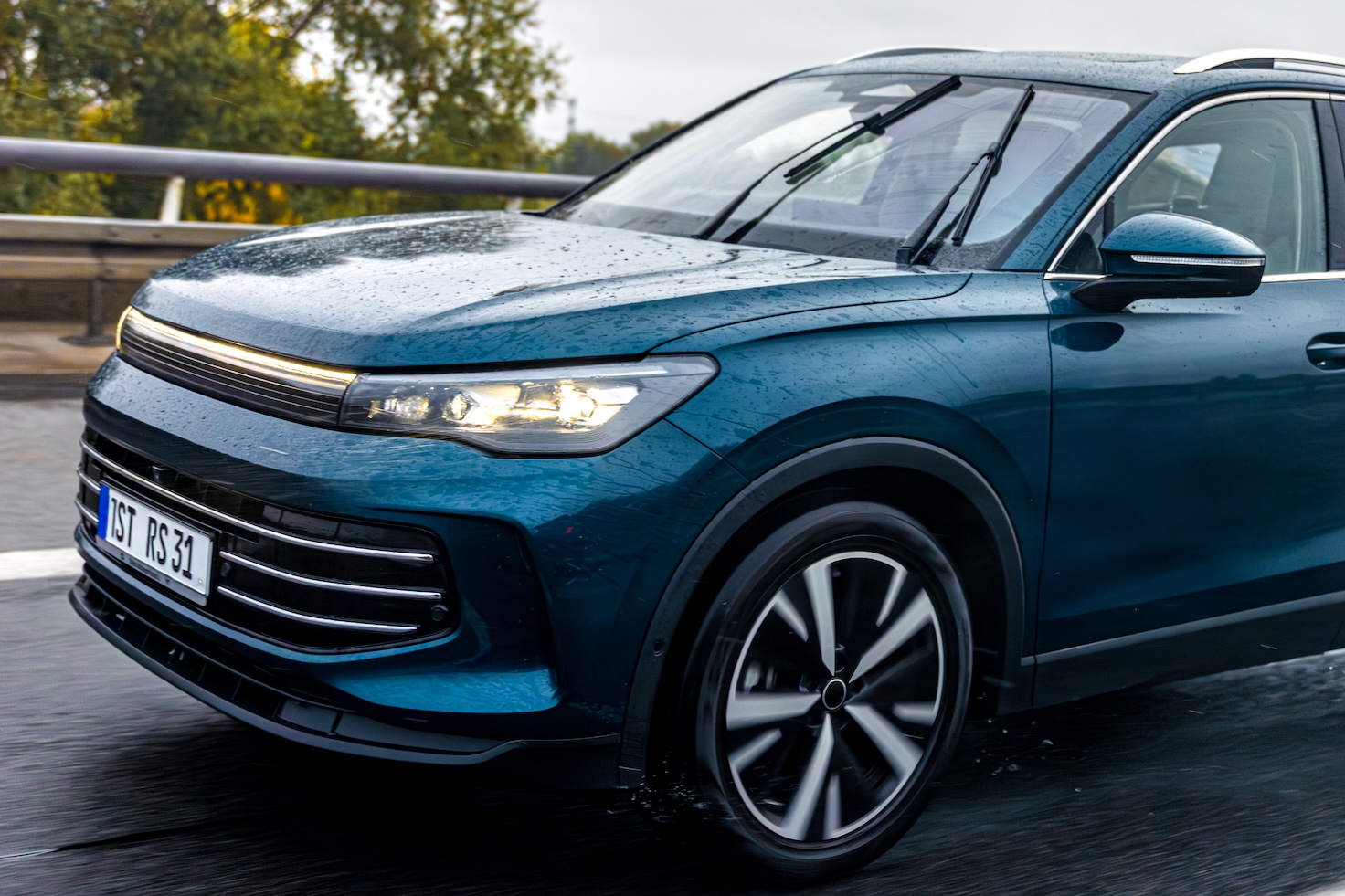
A few years ago, “Chinese car” carried a quality stigma that made buyers hesitant. That stigma is now factually outdated. BYD is the world’s largest electric vehicle manufacturer. Geely owns Volvo. CATL is the global leader in battery technology. Chery’s export models are certified to European safety standards.
Chinese vehicles are winning awards in Europe, outperforming Japanese rivals on technology benchmarks, and delivering reliability data that has erased the old quality gap. The BYD Atto 3 is the best-selling EV in South Africa. MG is one of the fastest-growing car brands in the UK. These outcomes don’t happen with inferior products.
Nigerian buyers who’ve done the research are arriving at the same conclusion: a new BYD, Chery, or Geely vehicle from China offers more technology, more warranty coverage, and comparable or better build quality than equivalent Japanese or Korean vehicles — at a dramatically lower price.
4. The Import Process Has Become Manageable
The old reason most people didn’t import directly was complexity. Ports, agents, customs, exchange rates, documentation — it was a process that required specialist knowledge, connections at the port, and significant time investment. Most people simply didn’t have the bandwidth.
Platforms like Autoimport Africa have removed that barrier. The entire import process — vehicle selection, procurement in China, ocean shipping, customs clearing, and home delivery — is handled end-to-end through a single platform. Buyers track their order online. Documents are prepared professionally. The port is handled by our clearing team.
What used to require weeks of personal effort and multiple third-party relationships now requires a few clicks and a payment.

5. Nigeria’s 2026 Policy Changes Are Making New Imports More Attractive
The timing couldn’t be better. Nigeria’s 2026 Fiscal Policy Measures reduced import tariffs on fully built passenger vehicles from 70% to 40% — the first major tariff reduction since 2015. This directly lowers the customs duty cost of importing a new vehicle, improving the landed cost for every buyer.
At the same time, new End-of-Life Vehicle certification requirements are making it harder to dump condemned foreign cars on the Nigerian market. Used car importers face more compliance costs. The playing field is shifting toward transparent, quality imports — exactly what Autoimport Africa offers.
Electric vehicles are additionally exempt from the new Green Tax surcharge launching in July 2026, making EVs and PHEVs from China even more cost-competitive against large-engine petrol vehicles.
The policy environment in 2026 is, for the first time in years, genuinely aligned with what Autoimport Africa does: bringing new, clean-title, quality vehicles into Nigeria at fair prices.
The Shift Is Real — and It’s Only Getting Bigger
The five factors above — price, transparency, quality, accessibility, and policy alignment — are all reinforcing each other in 2026. Nigerian buyers who make the switch to direct China imports through Autoimport Africa consistently report the same thing: they wish they’d done it sooner.
If you’re still on the fence, the question worth asking isn’t “is this the right time to import?” The question is: “what am I actually getting by waiting?”