Tag: Electric Vehicle

  • 5 Affordable High-Quality Chinese Cars Worth Importing to Algeria in 2026

    5 Affordable High-Quality Chinese Cars Worth Importing to Algeria in 2026

    For Algerian buyers comparing options in 2026, the most interesting category in the market isn’t the established Korean and European inventory — it’s the new wave of Chinese vehicles that combine genuinely competitive build quality with prices that meaningfully undercut traditional alternatives. Five models in particular have emerged as the value standouts for Algerian conditions.

    This guide covers what those five are, why each one works for Algeria specifically, and how the import maths actually plays out compared to local-dealer pricing.

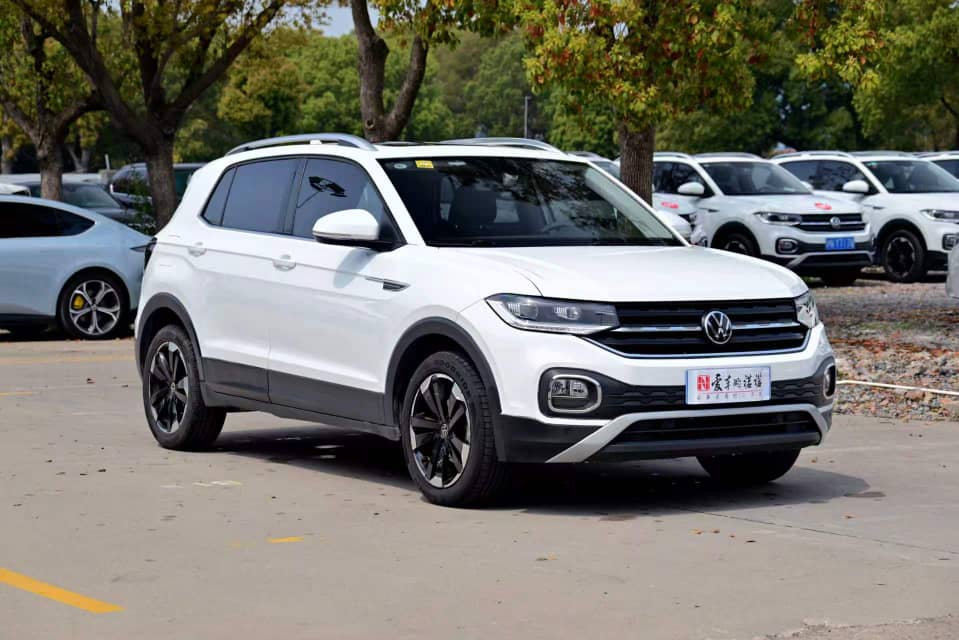
    Modern vehicle on display
    Five Chinese models offer Algerian buyers the best blend of price, equipment, and build quality available in 2026

    1. BYD Song Plus DM-i (Plug-in Hybrid SUV)

    The Song Plus DM-i is the standout pick across most rational comparisons. It’s a mid-size plug-in hybrid SUV with 60+ km of pure electric range, efficient hybrid operation for longer journeys, and an interior and equipment package that competes directly with European premium SUVs.

    For Algerian conditions specifically:

    • The hybrid system delivers strong fuel economy regardless of charging access — 18+ km/L in petrol-hybrid mode
    • The interior is genuinely premium-grade — soft-touch materials, large screens, premium audio
    • The full ADAS suite (adaptive cruise, lane-keeping, blind-spot monitoring) comes as standard
    • The landed cost imported direct is meaningfully below local-dealer pricing for any equivalent European hybrid SUV

    For Algerian buyers prioritising long-term running cost, this is the best-priced option that doesn’t compromise on quality.

    2. Chery Tiggo 8 Pro (Mid-size 7-seat SUV)

    The Tiggo 8 Pro is the family-priority choice. Genuine 7-seat capability, strong 1.6L turbocharged petrol engine producing 187 hp, and an interior that punches well above its price.

    What works for Algeria:

    • The seven-seat configuration is suited to extended family use
    • The petrol engine is reliable and pairs well with a refined automatic gearbox
    • Build quality has improved substantially in recent generations — the 8 Pro is qualitatively different from earlier Chery vehicles
    • The price-to-equipment ratio dramatically undercuts equivalent Korean or Japanese 7-seat SUVs

    For families wanting genuine 7-seat capability without paying European or Japanese 7-seat prices, the Tiggo 8 Pro delivers.

    3. Geely Coolray (Compact SUV)

    The Coolray punches above its segment in equipment and design quality. Built on a platform that benefits from Geely’s ownership of Volvo, the Coolray feels structurally more solid than its compact-SUV class rivals.

    Strong points for Algerian use:

    • 1.5L turbocharged three-cylinder engine producing 177 hp — surprisingly muscular
    • Sport-tuned chassis that handles well on Algerian highway driving
    • Equipment package competitive with European compact SUVs at meaningfully lower prices
    • Increasingly common parts availability through Geely’s expanding service network

    The Coolray is the right choice for younger Algerian buyers who want a stylish, well-equipped compact SUV without paying European premium pricing.
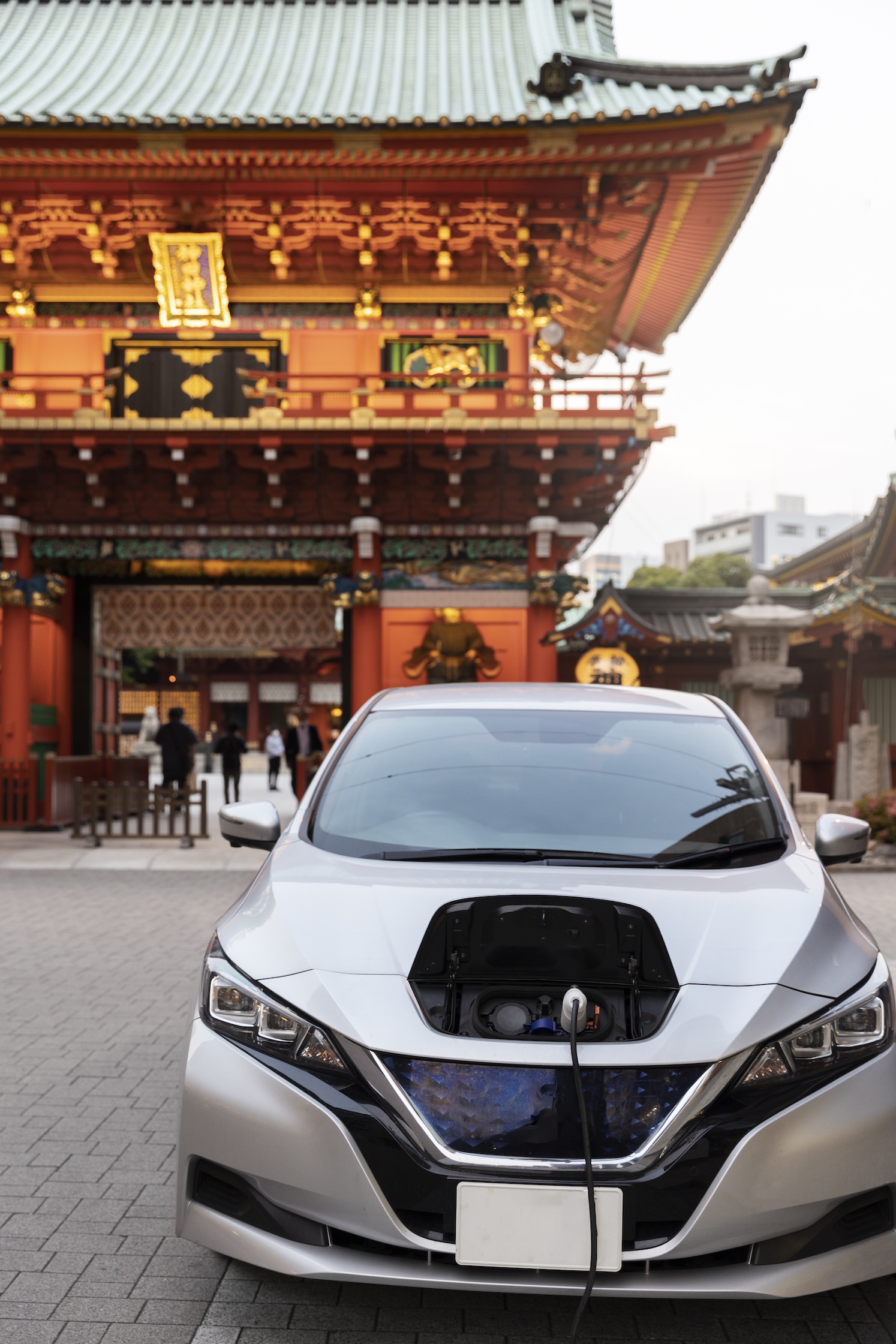
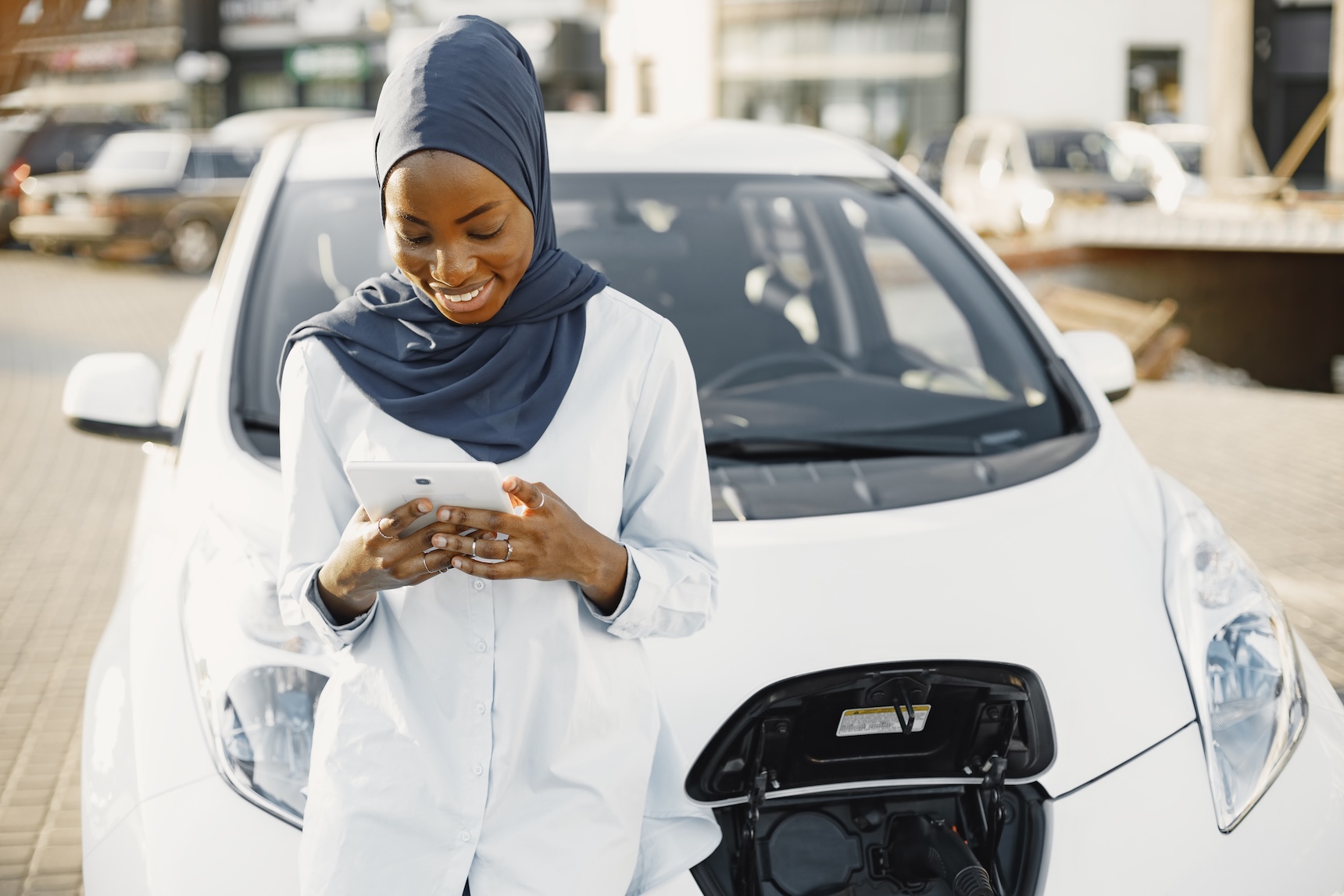
    Modern electric vehicle charging
    The shift toward Chinese new-energy vehicles is reshaping Algerian buyer expectations — and the price-to-equipment maths is hard to argue with

    4. MG ZS (Compact SUV)

    The MG ZS — built by the SAIC group, with Chinese ownership of the once-British MG brand — has become one of the strongest value propositions in the compact SUV segment globally. Affordable, well-equipped, and supported by MG’s expanding global service network.

    For Algeria specifically:

    • Compact dimensions suited to urban driving in Algiers, Oran, and Constantine
    • Modern interior with reasonable infotainment and driver-assistance equipment
    • The MG warranty offer (often 7 years on direct imports) is genuinely class-leading
    • Pricing significantly undercuts equivalent compact SUVs from European or Korean brands

    For buyers wanting a small SUV without paying small-SUV-with-premium-badge pricing, the ZS is hard to beat.

    5. BYD Dolphin (Compact EV)

    The Dolphin is the entry that requires honest assessment of charging infrastructure access. For Algerian buyers in major cities with home charging available, the Dolphin’s economics are genuinely transformative — running costs roughly one-eighth of an equivalent petrol vehicle.

    What works:

    • ~400 km real-world range — sufficient for almost all daily Algerian driving
    • Compact dimensions ideal for city use
    • Modern interior with surprising space for the exterior footprint
    • Running costs that genuinely transform monthly transport spending

    The honest caveat: in Algerian cities and regions where home charging isn’t practical and public charging infrastructure is still developing, the Dolphin makes less sense. Match the vehicle to your charging reality.

    How the Cost Maths Works for Algeria

    Comparing these five Chinese vehicles to equivalent European or Japanese alternatives at local Algerian dealer prices, the consistent pattern in 2026 is:

    • Direct-import landed cost typically lands 50–70% of equivalent local-dealer pricing
    • Equipment levels are consistently equal or better at the lower price point
    • Build quality has crossed the credibility threshold — these are not the Chinese vehicles of 2015
    • Warranty coverage on direct imports is often longer than what local dealers offer on European vehicles

    The financial advantage of direct-import Chinese vehicles is structural, not promotional. It reflects China’s manufacturing scale efficiency and the elimination of multiple distribution layers between factory and end buyer.

    How to Import These Vehicles to Algeria

    For Algerian buyers wanting to access these models at direct-import pricing, the practical sequence is:

    Step 1: Choose your vehicle and request a transparent landed-cost quote from Autoimport Africa. The quote covers vehicle price, freight, insurance, customs duty, clearing, and delivery to Algeria.

    Step 2: Once accepted, the order is placed in China. The supplier procures the vehicle and prepares export documentation.

    Step 3: Vehicles ship via consolidated 40-foot containers, typically transit time 30–45 days from Shanghai or Tianjin to Algerian ports.

    Step 4: Customs clearing in Algeria is handled by experienced clearing partners. Duty and taxes are paid against the pre-quoted figure.

    Step 5: The vehicle is delivered to your address in Algiers, Oran, Constantine, or other Algerian cities.

    End-to-end, expect 8–12 weeks from order to delivery.

    Pitfalls to Avoid

    A few specific cautions for Algerian buyers considering Chinese imports:

    Don’t compare based on perception alone. If you haven’t driven a current-generation BYD, Geely, Chery, or MG, your impression of “Chinese cars” may be 5–7 years out of date. Drive the vehicles or read current independent reviews before deciding.

    Match the model to your service ecosystem. Some Chinese brands have established service networks in Algeria; others are still building. Choose models supported by either local service or by a supplier that backs ongoing parts availability.

    Verify warranty terms specific to direct imports. Manufacturer warranty terms on direct imports can differ from terms on locally-distributed vehicles. Confirm what coverage applies before ordering.

    The Bottom Line

    For Algerian buyers in 2026, five Chinese vehicles — BYD Song Plus DM-i, Chery Tiggo 8 Pro, Geely Coolray, MG ZS, and BYD Dolphin — collectively offer the best blend of price, equipment, and quality available in the market. The structural cost advantage of direct import means meaningfully better economics than any locally-distributed alternative.

    Talk to Autoimport Africa for transparent landed-cost quotes on any of these models — or any other Chinese vehicle — delivered to your address in Algeria.

  • 5 Reasons Nigerians Are Switching to Direct China Imports in 2026

    5 Reasons Nigerians Are Switching to Direct China Imports in 2026

    Something has shifted in how smart Nigerian car buyers are thinking about vehicle acquisition. Over the past two years, a growing number of buyers — individuals, families, and businesses — have stopped walking into local dealerships and started importing directly from China. The trend is accelerating in 2026, driven by a combination of economic reality, better access to information, and platforms like Autoimport Africa that make the process genuinely accessible.

    Nigerian car buyers making smart decisions
    A new generation of Nigerian buyers is choosing transparency, value, and technology — and importing direct from China

    Here are the five reasons fuelling this shift.

    1. The Price Gap Has Become Too Large to Ignore

    When the naira fell sharply in 2023 and has remained volatile since, the landed cost of vehicles through official local dealers ballooned. A new Toyota Corolla or Hyundai Tucson through an official Nigerian dealer now costs ₦45–₦65 million. Meanwhile, an equivalent — or technically superior — new Chinese vehicle imported directly from China through Autoimport Africa lands for ₦25–₦38 million.

    That’s a ₦15–₦25 million gap on a single vehicle. For a household buying one car every 5–7 years, that difference is life-changing money. For businesses running fleets of 5–10 vehicles, the savings are transformational.

    The price advantage isn’t a temporary discount or a quality compromise. It reflects China’s structural manufacturing efficiency, domestic market competition that drives prices down, and the elimination of multiple middlemen layers that inflate local dealer pricing.

    2. Nigerian Buyers Are Done Tolerating Hidden Vehicle Histories

    The used car market in Nigeria has been broken for a long time. Flood-damaged vehicles dried out and resold as clean. Salvage cars patched up and presented as accident-free. Odometers wound back. Paint jobs that cover structural damage. Most Nigerian buyers have either experienced this personally or know someone who has.

    The new generation of car buyers — more connected, more informed, and more tired of being exploited — is rejecting this entirely. They want what their counterparts in the UAE, Europe, and the USA get as standard: a car with a verifiable, honest history.

    Autoimport Africa delivers exactly that. Every vehicle sourced through the platform is brand new — manufactured in China, never registered, never owned, never damaged. There is no history to verify because there is no history.

    Clean new vehicle with no history
    Every vehicle from Autoimport Africa is brand new — no accident history, no floods, no hidden damage

    3. Chinese Vehicles in 2026 Are Genuinely Excellent

    A few years ago, “Chinese car” carried a quality stigma that made buyers hesitant. That stigma is now factually outdated. BYD is the world’s largest electric vehicle manufacturer. Geely owns Volvo. CATL is the global leader in battery technology. Chery’s export models are certified to European safety standards.

    Chinese vehicles are winning awards in Europe, outperforming Japanese rivals on technology benchmarks, and delivering reliability data that has erased the old quality gap. The BYD Atto 3 is the best-selling EV in South Africa. MG is one of the fastest-growing car brands in the UK. These outcomes don’t happen with inferior products.

    Nigerian buyers who’ve done the research are arriving at the same conclusion: a new BYD, Chery, or Geely vehicle from China offers more technology, more warranty coverage, and comparable or better build quality than equivalent Japanese or Korean vehicles — at a dramatically lower price.

    4. The Import Process Has Become Manageable

    The old reason most people didn’t import directly was complexity. Ports, agents, customs, exchange rates, documentation — it was a process that required specialist knowledge, connections at the port, and significant time investment. Most people simply didn’t have the bandwidth.

    Platforms like Autoimport Africa have removed that barrier. The entire import process — vehicle selection, procurement in China, ocean shipping, customs clearing, and home delivery — is handled end-to-end through a single platform. Buyers track their order online. Documents are prepared professionally. The port is handled by our clearing team.

    What used to require weeks of personal effort and multiple third-party relationships now requires a few clicks and a payment.

    Nigerian buyer using Autoimport Africa platform
    Autoimport Africa has made direct China imports as simple as ordering online — from selection to home delivery

    5. Nigeria’s 2026 Policy Changes Are Making New Imports More Attractive

    The timing couldn’t be better. Nigeria’s 2026 Fiscal Policy Measures reduced import tariffs on fully built passenger vehicles from 70% to 40% — the first major tariff reduction since 2015. This directly lowers the customs duty cost of importing a new vehicle, improving the landed cost for every buyer.

    At the same time, new End-of-Life Vehicle certification requirements are making it harder to dump condemned foreign cars on the Nigerian market. Used car importers face more compliance costs. The playing field is shifting toward transparent, quality imports — exactly what Autoimport Africa offers.

    Electric vehicles are additionally exempt from the new Green Tax surcharge launching in July 2026, making EVs and PHEVs from China even more cost-competitive against large-engine petrol vehicles.

    The policy environment in 2026 is, for the first time in years, genuinely aligned with what Autoimport Africa does: bringing new, clean-title, quality vehicles into Nigeria at fair prices.

    The Shift Is Real — and It’s Only Getting Bigger

    The five factors above — price, transparency, quality, accessibility, and policy alignment — are all reinforcing each other in 2026. Nigerian buyers who make the switch to direct China imports through Autoimport Africa consistently report the same thing: they wish they’d done it sooner.

    If you’re still on the fence, the question worth asking isn’t “is this the right time to import?” The question is: “what am I actually getting by waiting?”

  • First-Time Buyer’s Guide to Importing a New Car from China Through Autoimport Africa

    First-Time Buyer’s Guide to Importing a New Car from China Through Autoimport Africa

    Buying your first new car is a significant milestone. It’s also one of the most consequential financial decisions most people make — and in Nigeria, it’s one where the stakes of making the wrong call are particularly high.

    The traditional path — visit a dealer, browse their limited inventory, trust their account of a car’s condition, pay a premium — has served generations of Nigerian car buyers. But it has also produced generations of buyers who discovered structural damage months after purchase, paid far over market value, and had no recourse when the car turned out to be different from what was described.

    Autoimport Africa exists to give first-time buyers a better option. This guide is written specifically for you.

    First-time car buyer researching on tablet
    With Autoimport Africa, first-time buyers can research, select, and order their vehicle entirely online — with full transparency

    Start With a Realistic Total Budget

    Before looking at any specific vehicle, establish your total budget — not just for the car, but for the full import cost. As detailed in our cost breakdown guide, importing a vehicle from China involves:

    • Vehicle price
    • Shipping and insurance
    • Customs duty (40% of CIF value under 2026 tariff)
    • Port handling and clearing fees
    • Optional home delivery

    A useful rule of thumb: budget approximately 55–65% on top of the vehicle’s USD price to arrive at a full landed naira cost. So if a vehicle costs $15,000, budget for approximately $23,000–$25,000 equivalent in naira for the full delivered cost.

    Choose the Right Vehicle Type for Your Life

    The best car for you depends on where you live and how you drive, not on what looks impressive or what a friend recommended.

    Ask yourself:

    • Do I mostly drive within a city (under 80km/day)?
    • Do I have a reliable place to charge a vehicle at home or at work?
    • Do I take long inter-city trips regularly?
    • How reliable is my power supply?
    • Do I need to carry more than 5 passengers regularly?
    EV charging options
    If you can charge at home, a pure BEV offers the lowest running costs — but a PHEV or EREV is more practical if your power supply is unreliable

    If you drive short city routes and can charge at home, a pure EV like the BYD Atto 3 or BYD Dolphin gives you the lowest running costs. If your driving is more varied or your power is unreliable, a PHEV or EREV is the more practical choice. Our buying guide covers this in detail in the Hybrid vs. Full Electric article on this blog.

    Don’t Get Seduced by Specs Alone

    Chinese vehicles come with impressive feature lists — large screens, many speakers, massage seats, panoramic roofs. These are genuine features, but they shouldn’t be your primary decision criteria. Focus on:

    • Powertrain reliability: BYD, Chery, Geely, and SAIC have proven track records in export markets. Newer brands may have less documented long-term reliability data.
    • Parts availability: As Chinese brands expand their African presence, parts availability is improving — but for some models, parts may need to be ordered from China. Ask about this before you buy.
    • Warranty terms: Confirm what is covered, for how long, and whether the warranty is honoured through a local service partner or requires China-based support.

    Why Buying New Beats Buying Used for First-Time Buyers

    For a first-time buyer, the appeal of a used car is usually price. But consider what you’re actually getting with a used car in Nigeria:

    • Unknown accident history (often undisclosed)
    • Unknown maintenance history
    • No manufacturer warranty remaining
    • Depreciation already absorbed by the previous owner — but you’re still paying close to market value

    A new vehicle from Autoimport Africa gives you:

    • Full manufacturer warranty from day one
    • Zero prior history — no accidents, no repairs, no secrets
    • The latest model year with the latest technology
    • Predictable, documented costs from purchase to delivery
    New vehicle delivered to buyer
    Your first car purchase should come with zero hidden history — that’s exactly what Autoimport Africa delivers

    For a first-time buyer making a major financial decision, certainty is valuable. Buying new eliminates the biggest categories of risk that used car buyers face.

    Use the Customer Support Chat

    If you’re not sure which vehicle is right for your situation, Autoimport Africa’s customer service team is there to help — before you buy. Describe your driving patterns, your budget, your power situation, and any specific requirements. Our team will guide you to the vehicles most likely to serve you well.

    This is your first major vehicle purchase. Get it right. And when you do, enjoy it — a new car with a clean title and a full warranty is an excellent foundation for the years of driving ahead.

  • The Business Case for Importing Chinese NEVs for Your Nigerian Fleet in 2026

    The Business Case for Importing Chinese NEVs for Your Nigerian Fleet in 2026

    Running a business fleet in Nigeria in 2026 is expensive. Petrol prices remain elevated, vehicle maintenance costs have increased with the naira’s devaluation making imported spare parts pricier, and the cost of acquiring reliable vehicles has risen significantly. For fleet managers and business owners operating more than three vehicles, these costs compound rapidly.

    The smartest businesses in Nigeria are already solving this problem by switching to Chinese NEVs — and importing them directly through platforms like Autoimport Africa rather than buying locally.

    Nigerian business district with cars
    For Nigerian businesses running multiple vehicles, switching to Chinese NEVs can save millions in annual fuel and maintenance costs

    The Petrol Cost Problem at Fleet Scale

    A typical corporate fleet sedan — say, a Toyota Corolla or Honda Accord — consumes approximately 8–10 litres per 100km. At Nigerian petrol prices of around ₦1,000–₦1,100 per litre, that’s ₦8,000–₦11,000 per 100km per vehicle.

    A fleet vehicle doing 150km per day spends approximately ₦1.2–₦1.65 million on fuel annually. Multiply that by 10 vehicles and you’re looking at ₦12–₦16.5 million in fuel per year — before maintenance, tyres, or insurance.

    Switch those vehicles to a Chinese PHEV or EREV, where the majority of daily city driving happens on electric power, and fuel costs fall by 60–80%. On a 10-vehicle fleet, that could mean ₦8–₦12 million in annual savings.

    Why Chinese NEVs Make Sense for Business Fleets

    Lower acquisition cost: A new BYD Seal or BYD Atto 3 imported through Autoimport Africa costs significantly less than a new Toyota or Honda of equivalent size.

    Lower running costs: Electricity is cheaper than petrol per kilometre. Electric motors have fewer moving parts — no oil changes, fewer brake replacements, no timing belt.

    Longer warranties: BYD offers 6-year vehicle warranties and 8-year battery warranties on key models.

    Clean title, zero history: Every vehicle sourced through Autoimport Africa is new — no accident history, no undisclosed repairs, no mileage fraud.

    Real-time tracking integration: Many Chinese NEVs come with connected vehicle apps that allow fleet managers to monitor battery levels, vehicle location, and driving behaviour from a phone.

    Fleet vehicles ready for business
    Chinese NEVs imported through Autoimport Africa are ideal for corporate fleets — lower costs, longer warranties, full documentation

    Best Chinese Vehicles for Corporate Fleet Use

    BYD Atto 3 (BEV): Compact SUV, ideal for urban corporate travel. Pure electric, low running cost, professional appearance.

    BYD Seal (BEV): Executive sedan with sporty profile. Excellent choice for senior staff vehicles.

    BYD Sealion 6 (PHEV): Mid-size SUV with electric-first driving and petrol backup. Ideal for managers who do a mix of city and inter-city travel.

    BYD Shark 6 (PHEV pickup): For businesses in logistics, construction, or agriculture. PHEV technology in a pickup format.

    Chery Tiggo 8 Pro (PHEV): Seven-seat PHEV SUV ideal for larger executive groups or airport transfers.

    How Autoimport Africa Supports Fleet Buyers

    Autoimport Africa makes fleet importing practical at scale. Whether you need 3 vehicles or 30, the platform handles the same end-to-end process — selection, procurement in China, shipping, customs clearing, and home delivery — with consistent documentation for each vehicle.

    For fleet buyers, having every vehicle’s documentation in order from day one (commercial invoice, bill of lading, VIN records, manufacturer documentation) simplifies insurance, registration, and company accounting.

    EV charging for fleet
    As Nigeria’s charging infrastructure grows, EV fleet running costs will only improve — making the switch now a smart long-term investment

    Talk to our team about fleet pricing and timing for multi-vehicle orders. The savings at scale are significant — and the switch to clean Chinese NEVs is one of the most impactful decisions a Nigerian business can make in 2026.

  • New Chinese Vehicle vs. Used Japanese Car: An Honest Comparison for African Buyers in 2026

    New Chinese Vehicle vs. Used Japanese Car: An Honest Comparison for African Buyers in 2026

    The question used to have a simple answer: buy Japanese. Toyota Camry, Honda Accord, Lexus RX — these names carried an implicit promise of reliability, longevity, and good resale value that no Chinese brand could match. That answer is becoming outdated fast.

    In 2026, Chinese vehicles have not only caught up with Japanese equivalents in quality, technology, and reliability — in key areas, they have overtaken them. And for African buyers, the price advantage makes the comparison even more compelling.

    Modern SUV on the road
    New Chinese SUVs in 2026 rival — and often surpass — Japanese counterparts on technology and value

    Price: The Gap Is Dramatic

    Let’s start with the most immediate difference.

    A new Toyota RAV4 (2025/2026 model) costs approximately $32,000–$38,000 at source. A new BYD Atto 3 (equivalent segment, similar size) starts at approximately $16,000–$19,000 from China. The new Chery Tiggo 8 Pro — a seven-seat SUV that competes with the Highlander — starts at around $18,000–$22,000.

    For the price of one Toyota RAV4, you could import two new Chinese SUVs with change to spare. That’s not a minor difference — it’s a structural price advantage that reflects China’s manufacturing efficiency, competitive domestic market, and government support for the auto export sector.

    Technology: Chinese Vehicles Are Ahead of the Curve

    This is where the comparison has shifted most dramatically. Chinese NEV brands are investing enormous resources in technology, and new Chinese vehicles come standard with features that are either optional extras or unavailable on Japanese models at the same price point:

    • Large infotainment screens: 12–27 inch touchscreens are standard on mid-range Chinese models. Most Japanese cars in the same bracket still offer 8–10 inch systems.
    • Over-the-air (OTA) updates: BYD, Xpeng, and Nio push software updates wirelessly — improving features post-purchase. No Japanese mass-market brand offers this.
    • Advanced ADAS: Lane-keeping, adaptive cruise, automatic emergency braking, and highway autopilot features are standard or cheap upgrades on Chinese EVs.
    • Electric powertrains: Every major Chinese brand has invested billions in BEV, PHEV, and EREV technology. Most Japanese brands are still transitioning.
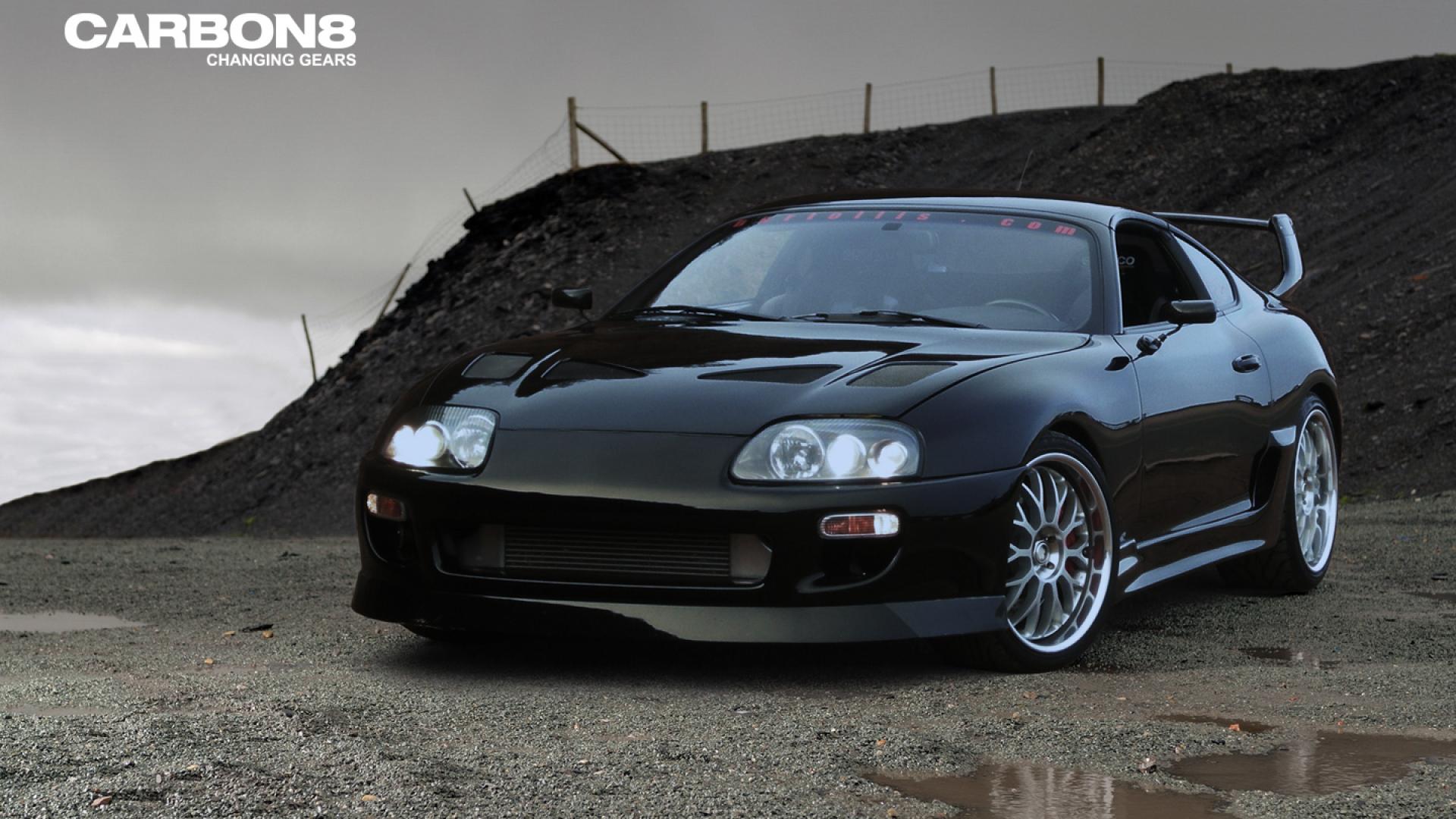
    Japanese sports car
    Japanese brands still command strong brand recognition — but Chinese vehicles now offer more technology at significantly lower prices

    Build Quality: The Gap Has Closed

    Five years ago, “Chinese car quality” was a legitimate concern. Today it isn’t — at least not for major brands imported through Autoimport Africa.

    BYD’s Blade Battery passed nail penetration tests that no other battery chemistry has matched. Geely owns Volvo and has transferred Swedish engineering standards into its own vehicles. Chery’s export models undergo rigorous third-party quality certification. These brands are competing in Europe, where safety and quality standards are among the strictest in the world.

    Chinese brands also typically offer longer warranties than Japanese competitors:

    • BYD: 8-year/500,000km battery warranty; 6-year vehicle warranty on many models
    • BYD Atto 8 (South Africa): 5-year/100,000km vehicle warranty + 5-year maintenance plan

    Fuel and Running Costs: Chinese EVs Win Convincingly

    A Toyota Camry averaging 8L/100km costs approximately ₦8,000–₦10,000 per 100km at current petrol prices in Nigeria.

    A BYD Atto 3 charged from the grid costs a fraction of that per 100km. Even accounting for Nigeria’s inconsistent power supply, PHEV and EREV models — which run primarily on electricity in the city — slash fuel costs dramatically compared to any petrol vehicle.

    African buyer with new Chinese vehicle
    Autoimport Africa gives African buyers direct access to new Chinese vehicles — more technology, better warranty, lower running costs

    The Autoimport Africa Advantage

    When you buy a used Japanese car from a local dealer, you’re getting an older model with unknown history, unknown mileage accuracy, and a depreciated resale value. When you import a new Chinese vehicle through Autoimport Africa, you’re getting:

    • A brand-new vehicle with zero prior ownership history
    • Full manufacturer warranty intact
    • The latest model year with the latest technology
    • Clean title, by definition
    • Direct-from-China pricing without middleman markups

    The era of defaulting to Japanese because “quality” has passed. Chinese vehicles in 2026 earn their place on merit — and the price gap means they deserve to be the first comparison, not the last.

  • EREV vs Pure Electric: Which Is the Smarter Choice for African Roads in 2026?

    EREV vs Pure Electric: Which Is the Smarter Choice for African Roads in 2026?

    If you’ve been researching Chinese vehicles recently, you’ve probably come across the term “EREV” and wondered how it differs from a regular electric car. The distinction matters — especially in Africa — and understanding it could be the key to making the right vehicle decision for your lifestyle and location.

    EV charging station
    Understanding the difference between EREVs and pure EVs starts with understanding how they’re charged and powered

    What Is a Pure Electric Vehicle (BEV)?

    A Battery Electric Vehicle runs entirely on electricity stored in a large battery pack. There is no petrol engine anywhere in the car. You charge it from a wall socket, home charger, or public charging station, and the motor draws power from the battery to drive the wheels.

    The advantages are significant: zero tailpipe emissions, very low running costs, fewer moving parts so lower maintenance, and a smooth, quiet driving experience with instant torque.

    The limitation is simple: when the battery is empty, the car stops. And in Africa, where public charging infrastructure is still developing and grid reliability varies widely, that limitation is more than a minor inconvenience — it can be a genuine daily risk.

    Popular BEV options from China: BYD Atto 3, BYD Seal, BYD Dolphin, Nio ES9, Xpeng GX, Chery Fulwin X3, Zeekr 001.

    What Is a Range-Extender Electric Vehicle (EREV)?

    An EREV is primarily electric — the wheels are always driven by electric motors, just like a BEV. The key difference is that it also carries a small petrol engine onboard. But this engine never directly drives the wheels. Its only job is to act as a generator: when the battery level drops, the petrol engine turns on and generates electricity to keep the motors running and partially recharge the battery.

    The result is a vehicle that drives, feels, and performs like an electric car — smooth, quiet, with instant torque — but can travel essentially unlimited distances as long as you have petrol available.

    Popular EREV options from China: IM LS6 (up to 1,502km combined range), Avatr 06/07/12, Chery Fulwin X3L, Li Auto L6/L7/L9, Voyah Free.

    Chinese EREV SUV on the road
    EREV models like the IM LS6 and Avatr series offer 1,000km+ combined range — perfect for African inter-city travel

    How the Technology Differs Under the Hood

    In a conventional petrol-hybrid car, the engine can drive the wheels directly. In an EREV, the engine is completely decoupled from the drivetrain — it only charges the battery. This means the engine can run at a fixed, optimal RPM for maximum efficiency, rather than constantly revving up and down with road speed.

    Think of it like a diesel-electric train — the diesel engine generates electricity, and electric motors do the actual moving. It’s a well-proven concept applied to passenger vehicles.

    Real-World Range Comparison

    • BYD Atto 3 (BEV): ~430km on a full charge. Fast charging adds ~200km in 20–30 minutes.
    • BYD Seal AWD (BEV): ~580km on a full charge.
    • IM LS6 66 Max EREV: 450km pure electric + 1,052km additional on petrol = 1,502km total.
    • Avatr 07 EREV: ~230km pure electric + 800km+ on petrol = 1,000km+ combined.
    • Li Auto L9 EREV: ~215km pure electric + 900km on petrol = 1,100km+ combined.

    The African Context: Why EREV Has a Structural Advantage

    For buyers in cities like Lagos, Nairobi, Accra, or Abuja who primarily drive within the city and can charge at home or work, a BEV may be entirely sufficient. But Africa also has realities that don’t exist in the same way in Europe or China:

    • Unreliable grid power: If you can’t guarantee overnight charging, a BEV’s range shrinks unpredictably. An EREV always has petrol as backup.
    • Sparse public charging infrastructure: Outside major cities, fast chargers are rare or non-existent. An EREV lets you refuel at any petrol station.
    • Long inter-city distances: Lagos to Abuja is 530km. Lagos to Accra is over 600km. These trips require either multiple charging stops in a BEV or a single petrol fill-up in an EREV.
    Long roads across African cities
    Inter-city travel across Africa makes the EREV’s unlimited range a major practical advantage

    Which Should You Choose?

    Choose a BEV if: You drive mostly within one city, have reliable home charging, and your daily round trip is consistently under 200km.

    Choose an EREV if: You experience frequent power cuts, regularly travel between cities, or want an EV driving experience without any range anxiety whatsoever.

    For most African buyers today, the EREV offers the best balance of electric efficiency and real-world practicality. As Africa’s charging network grows over the next 5–10 years, BEVs will become increasingly practical for a wider range of buyers. But in 2026, for anyone who drives beyond city limits, an EREV is hard to argue against.

    Autoimport Africa carries both BEVs and EREVs from leading Chinese brands — with full specs, transparent pricing, and direct import from source.

  • Egypt’s Rising Auto Manufacturing Hub: What GAC, MG, Zeekr, BAIC and Geely Are Building — and Why It Matters for Africa

    Egypt’s Rising Auto Manufacturing Hub: What GAC, MG, Zeekr, BAIC and Geely Are Building — and Why It Matters for Africa

    Something quietly significant is happening in North Africa that could reshape how vehicles reach the entire continent. Egypt is rapidly becoming a Chinese automotive manufacturing hub — and the ripple effects for buyers in Nigeria, Kenya, Ghana, and across sub-Saharan Africa are only starting to be felt.

    In the space of 18 months, a remarkable number of Chinese automakers have either started building cars in Egypt or committed to doing so. The country’s strategic location — at the crossroads of Africa, the Middle East, and Europe — makes it an ideal export base. And the Egyptian government is actively encouraging this with tax incentives, industrial zone access, and a clear national automotive strategy.

    Aerial view of city with roads
    Egypt’s central location makes it a natural hub for vehicle manufacturing destined for Africa, the Middle East, and beyond

    Why Egypt?

    Egypt offers Chinese automakers something that mainland China cannot: proximity to African and Middle Eastern markets without the import duties that come with shipping finished vehicles from China. By assembling vehicles in Egypt, brands avoid high import tariffs across Africa and the Arab world, which can add 40–70% to the cost of a fully built imported vehicle.

    Egypt also has a population of over 110 million, making it one of Africa’s largest domestic car markets. And Egypt’s National Automotive Industry Strategy (NAIS) explicitly prioritises electric vehicle production and export ambition — offering brands clear government backing.

    The Chinese Brands Building in Egypt

    MG Motor (SAIC)
    SAIC signed a $135 million agreement with Egypt’s Al Mansour Automotive Group to build a manufacturing plant in the New October City industrial zone. The 126,000-square-metre facility began production in Q2 2026, starting with the new-generation MG5. Initial annual capacity is 50,000 vehicles, with plans to scale to 100,000 units.

    BAIC
    BAIC signed a binding agreement with the Egyptian International Motor Group (EIM Group) and the Egyptian government to establish an EV manufacturing plant in the suburbs of Cairo. The 120,000-square-metre facility targets production of 20,000 EVs in its first year, scaling to 50,000 annually by year five and will employ 1,200 people.

    GAC
    GAC has signed a deal for a CKD (Completely Knocked Down) localized vehicle assembly project in Egypt, with mass production expected in the second half of 2026.

    Geely
    Geely has already started production in Egypt in early 2026, making it one of the first Chinese brands to actually manufacture on African soil.

    Modern Chinese vehicle
    Vehicles assembled in Egypt by Chinese brands will benefit from AfCFTA trade agreements, reducing costs across the continent

    Zeekr (Geely’s Premium EV Brand)
    Zeekr has entered the Egyptian market with the Zeekr 001 and Zeekr X, with the first Cairo store open. This marks Zeekr’s first African footprint — a premium electric brand in a continent that has traditionally only received budget options.

    Li Auto
    Li Auto has entered Egypt alongside Kazakhstan and Azerbaijan as part of a major overseas expansion push, bringing its EREV-focused lineup to a North African audience for the first time.

    Jetour, Changan, Haval
    Multiple other brands — including Jetour, Changan, and Haval — are either in production or preparing to begin local assembly in Egypt.

    What This Means for Sub-Saharan African Buyers

    Egyptian-assembled Chinese vehicles benefit from Africa’s Continental Free Trade Area (AfCFTA) and COMESA trade agreements, which can significantly reduce the cost of shipping vehicles to other African countries compared with importing direct from China.

    As these Egyptian factories scale up, vehicles assembled there could become a cost-competitive alternative for buyers in Nigeria, Kenya, Ghana, Ethiopia, and beyond — potentially arriving faster, with lower shipping costs, and with easier access to spare parts manufactured regionally.

    For buyers not waiting on the rollout, Autoimport Africa continues to provide direct access to all of these brands from source in China — with the full vehicle range, clean titles, and end-to-end import support.

    The Bigger Picture

    Egypt’s emergence as a Chinese auto assembly hub is not an isolated development — it’s part of a continent-wide pattern. Geely is building in Algeria. Okla Global is planning assembly in Nigeria, Kenya, South Africa, Zimbabwe, and Egypt. The era of Africa simply receiving other countries’ old cars is coming to an end.

  • The 2026 China Export Surge: Why More Affordable Chinese Cars Are Heading to Africa Than Ever Before

    The 2026 China Export Surge: Why More Affordable Chinese Cars Are Heading to Africa Than Ever Before

    Something interesting is happening in the global car market — and African importers stand to benefit enormously from it.

    China, the world’s largest auto producer and exporter, is experiencing a significant slowdown in its domestic car market in 2026. Sales at home are down, a brutal price war is squeezing margins, and production capacity is running well above domestic demand. So where is all that production going? Overseas. And Africa is one of the most important destinations.

    China manufacturing and city
    China’s automotive industry is producing at record scale, with exports becoming its primary growth engine in 2026

    China’s Domestic Market Is Slowing

    After years of explosive growth driven by government trade-in subsidies, China’s auto market entered 2026 on weak footing. January and February 2026 saw vehicle sales fall roughly 22.9% year-on-year as subsidy programmes were scaled back and Lunar New Year timing shifted demand. While the market has since stabilised, overall growth projections for 2026 are just 1% — down sharply from 9.4% growth in 2025.

    Domestically, Chinese automakers are fighting each other in an intense price war. BYD, Chery, Geely, SAIC, and dozens of other brands are all chasing the same buyers with increasingly aggressive discounts. Profit margins are under severe pressure. For producers, the only way to maintain healthy operations is to grow exports.

    Exports Are Surging — Africa Is a Key Destination

    China closed 2025 with a record 7.1 million vehicle exports — cementing overseas markets as a core outlet for industry growth. That momentum has carried into 2026. In the first two months of 2026 alone, exports reached approximately 1.35 million units — roughly 48% ahead of the same period in 2025.

    The export mix is also shifting rapidly. Nearly 43% of China’s auto exports are now new energy vehicles (NEVs) — electric, plug-in hybrid, and extended-range models. This means Africa is increasingly receiving not just affordable cars, but genuinely modern, technology-rich vehicles.

    Nigerian car buyer
    African buyers are increasingly the target market for China’s record vehicle export volumes

    Why This Creates an Opportunity for African Buyers

    When a manufacturer has more supply than domestic demand, three things happen: prices get competitive, inventory choices expand, and export programmes become a strategic priority rather than an afterthought.

    For African buyers importing from China in 2026, this translates to:

    • More competitive pricing: China’s domestic price war has driven new vehicle prices down significantly. Smaller margins at home mean manufacturers are willing to compete aggressively on export pricing too.
    • Greater model variety: More brands and models are being made export-ready than ever before. Vehicles that were previously only available in China are increasingly coming with right-hand drive options and global homologation.
    • Newer technology at lower price points: The pressure to innovate domestically means Chinese brands are putting advanced ADAS, large displays, and long-range battery technology into mass-market vehicles — not just premium ones.
    • Motivated sellers: Chinese manufacturers and trading companies are actively courting African markets. This creates better service conditions, better after-sales support development, and more flexible payment arrangements for bulk or fleet buyers.

    The NEV Export Shift Is Especially Important for Africa

    The fact that nearly half of China’s exports are now electrified vehicles is a game-changer for Africa. Previously, most Chinese vehicles reaching the continent were conventional petrol or diesel models. Now, the same export wave is bringing PHEVs and EREVs at price points that make clean transportation genuinely accessible.

    A PHEV SUV from China now costs less than a used Japanese petrol SUV of equivalent age and spec — but offers electric efficiency for daily city driving, petrol backup for long trips, and significantly lower running costs over time.

    African woman with new car
    Autoimport Africa connects African buyers directly to China’s competitive vehicle market — clean titles, new models, no middlemen

    How to Take Advantage of This Moment

    The window to get the best combination of price, choice, and model freshness is now. As Chinese exports become more structured and regulated in coming years — and as African governments introduce more formal certification and import requirements — buying directly from source through a trusted importer platform remains the most cost-effective route.

    Autoimport Africa is built for exactly this moment — giving African buyers direct access to China’s full vehicle market, with clean titles, transparent pricing, and end-to-end logistics support. The global export surge is your opportunity. Make the most of it.

  • Chinese EV Brands Coming to Africa in 2026: The Complete Guide (BYD, Geely, Chery, Changan, Okla & More)

    Chinese EV Brands Coming to Africa in 2026: The Complete Guide (BYD, Geely, Chery, Changan, Okla & More)

    Africa is becoming one of the most contested frontiers for Chinese automakers. Locked out of European markets by tariffs, and facing a softening domestic market at home, China’s biggest automotive brands are accelerating their push into the continent — with aggressive pricing, local assembly plants, and tailored models designed for African roads and buyer preferences.

    African city roads and growth
    Africa’s rapidly urbanising cities represent one of the world’s fastest-growing vehicle markets

    Here is a comprehensive look at the Chinese EV and NEV brands making the biggest moves in Africa in 2026.

    1. BYD

    BYD is the most prominent Chinese EV brand in Africa, and it’s scaling fast. Currently selling seven models in South Africa — including the Atto 3, Seal, Dolphin, Sealion 7, Shark 6, Sealion 6, and the newly launched Atto 8 — BYD is expanding its dealer network to 30–35 South African locations by end-2026, while simultaneously building 300 fast-charging stations. South Africa is BYD’s African launchpad, with plans to replicate the model across Nigeria, Kenya, Ghana, and Egypt.

    EV charging infrastructure
    BYD’s charging infrastructure rollout is removing one of the biggest barriers to EV adoption in Africa

    2. Chery

    Chery is one of China’s top exporters globally and has strong distributor relationships across Africa. The brand already operates in South Africa, Nigeria, Egypt, and across the Maghreb region. The Chery Tiggo SUV range is among the most widely distributed Chinese vehicle lines on the continent. In 2026, Chery is expanding its NEV offerings across African markets, including the Fulwin X3 electric off-road SUV and the X3L EREV.

    3. Geely

    Geely has made a landmark commitment: a $200 million investment to build an automobile assembly plant in Algeria, with an initial production capacity of 50,000 vehicles annually and an expected launch in 2026. Beyond serving Algerian demand, the plant is designed as a regional export hub for North and West Africa, Latin America, and Central Asia. By manufacturing locally, Geely avoids high import duties — making its vehicles more affordable for African buyers.

    4. SAIC (MG Motor)

    MG Motor, owned by SAIC, has strong brand recognition across Africa thanks to its UK heritage. SAIC has also secured a deal to produce MG vehicles locally in Egypt, with the new-generation MG5 as the first locally assembled model and an initial plant capacity of 50,000 units annually. MG’s range of EVs and hybrids — particularly the MG4 EV and ZS EV — are competitively priced and well-suited to urban African markets.

    5. Changan (Deepal and Avatr)

    Changan has over 30 years of presence in the Middle East and Africa, giving it a distribution and after-sales advantage most newer brands lack. In 2026, the company is expanding its intelligent EV offerings through sub-brands Deepal and Avatr — both of which feature Huawei’s ADAS and HarmonyOS technology. A six-seat flagship SUV co-developed with Huawei is also planned for 2026 under the Avatr brand.

    6. Great Wall Motor (Haval)

    Great Wall Motor’s Haval brand is one of the most recognised Chinese SUV names across Africa, with a particularly strong presence in South Africa, Kenya, and Egypt. Haval’s H6 and Jolion models are popular choices for buyers wanting reliable, well-priced SUVs.

    7. Okla Global

    A newer entrant making a major commitment: Okla Global has appointed Treadway Investment Bank to lead its Africa expansion, with assembly plants specifically planned for Kenya, Nigeria, South Africa, Egypt, and Zimbabwe. Okla is positioning itself as an EV brand tailored to African conditions, with localized assembly intended to reduce costs and create jobs in target markets.

    8. BAIC

    BAIC, China’s sixth-largest automaker, is partnering with Egypt’s Alkan Auto to establish a local EV factory in Egypt — a 120,000-square-metre facility set to produce 20,000 EVs in its first year, scaling to 50,000 annually by year five and will employ 1,200 people.

    9. Zeekr (Geely’s Premium EV Brand)

    Zeekr has entered Egypt with the Zeekr 001 and Zeekr X, marking its first African market. As Geely’s flagship premium electric brand, Zeekr brings high-performance EVs at competitive price points.

    10. Nio

    Nio’s battery-swap technology makes it uniquely interesting for fleet operators and markets where charging time is a constraint. The brand is debuting the ES9 large electric SUV at the Beijing Auto Show 2026 and has been steadily expanding its global footprint.

    African buyer browsing vehicle options
    Autoimport Africa gives buyers across Africa direct access to all these brands, imported new from China with clean titles

    What This Means for African Buyers

    The arrival of this many competitive, well-funded Chinese brands in Africa is transforming the market. Prices are falling, quality is rising, and the model variety available to African buyers in 2026 is dramatically better than it was even two years ago. Whether you’re looking for a compact city EV, a tough PHEV pickup, or a premium intelligent SUV, a Chinese brand is building something specifically for your needs.

    Autoimport Africa gives you direct access to all of these brands — from factory floor in China to your driveway in Africa — with clean titles and full transparency.

  • Hybrid vs Full-Electric: Which Powertrain Is Right for African Driving Conditions in 2026?

    Hybrid vs Full-Electric: Which Powertrain Is Right for African Driving Conditions in 2026?

    You’ve decided you want a Chinese vehicle. You’ve browsed the listings and the specs look impressive. But now comes the question that trips up most first-time importers: should I get a full electric vehicle (BEV), a plug-in hybrid (PHEV), or a range-extender (EREV)?

    Each of these technologies has genuine advantages — but in the African context, the right answer depends heavily on where you live, how you drive, and what your power situation looks like. This guide breaks it down simply.

    Electric vehicle charging
    Understanding EV charging is key to choosing the right powertrain for your lifestyle

    Understanding the Three Technologies

    BEV (Battery Electric Vehicle) — Pure electric. No petrol engine at all. You charge it from the grid or a charging station. Range is fixed by battery size. Examples: BYD Atto 3, BYD Seal, Nio ES9, Chery Fulwin X3.

    PHEV (Plug-in Hybrid Electric Vehicle) — Has both an electric motor and a petrol engine. You can charge the battery from a plug for electric-only driving, but the petrol engine kicks in when the battery runs low. Best of both worlds in theory. Examples: BYD Atto 8, BYD Sealion 6, BYD Shark 6.

    EREV (Extended Range Electric Vehicle) — Primarily electric, but has a small petrol engine that acts as a generator to recharge the battery while you drive. The petrol engine never directly drives the wheels — it only makes electricity. This gives you very long combined ranges (often 1,000km+) without needing to stop and charge. Examples: IM LS6, Avatr 06/07/12, Chery Fulwin X3L, Li Auto L series.

    The African Reality Check

    Before comparing vehicles, be honest about three things:

    • Your charging access: Do you have a reliable place to charge at home or work? Or do you depend entirely on public infrastructure?
    • Your grid reliability: How often do you experience power cuts? Hours per day? Days per week?
    • Your driving patterns: Are you mostly city driving with predictable short trips? Or do you do long inter-city routes regularly?
    City traffic and roads
    Urban driving patterns across African cities make the BEV vs PHEV vs EREV choice very personal

    Pure EVs (BEVs): Great If Your Conditions Are Right

    A pure electric vehicle is the cheapest to run over its lifetime — no petrol costs, lower maintenance, fewer moving parts. For city drivers in Lagos, Nairobi, or Accra who can charge overnight at home, a BEV makes a lot of sense.

    The Achilles heel in Africa is infrastructure. Nigeria’s public charging network is still in early stages. If you can’t charge at home and you rely on public chargers, range anxiety becomes a real daily concern. The BYD Atto 3 (new gen) with flash charging helps — 15–20 minutes on a fast charger can add 200km+ of range. But fast chargers need to actually exist near you.

    Best for: City dwellers with home charging, short daily commutes under 150km, buyers who prioritise lowest running costs.

    PHEVs: The Practical African Compromise

    PHEVs are arguably the most practical choice for most African buyers right now. You get 40–100km of pure electric range for your daily city driving (covering most people’s daily mileage in electric mode), and then the petrol engine handles everything beyond that.

    No range anxiety. No dependence on public charging infrastructure. Fill up at any petrol station when you need to. But when power is available, you’re running mostly electric and cutting fuel costs significantly.

    PHEV vehicle ready for road
    PHEVs offer the best of both worlds — electric efficiency in the city with petrol backup for longer trips

    The BYD Shark 6 pickup and Sealion 6 SUV are strong examples — built for African utility and terrain, with petrol backup for long trips or low-grid environments.

    Best for: Buyers in areas with inconsistent electricity, those doing a mix of city and long-distance driving, fleet operators, and anyone who can’t yet guarantee reliable daily charging.

    EREVs: The Best Range in the Game

    EREVs are the dark horse of this comparison. They’re technically electric vehicles — the wheels are powered by electric motors — but they carry a small petrol engine that generates electricity when the battery is depleted. The result is combined ranges of 1,000km to 1,500km.

    The new IM LS6 EREV gets a 1,502km combined range. The Avatr 07 EREV covers over 1,000km combined. These numbers make inter-city travel in countries with sparse charging networks completely stress-free.

    Best for: Long-distance drivers, inter-city travel, buyers in areas with no charging infrastructure, those who want an EV experience without any of the range limitations.

    The Verdict for African Buyers

    Urban buyer with home charging: BEV — lowest cost, best for the environment, practical for city use.

    Mixed urban/rural buyer, uncertain grid: PHEV — flexible, practical, no infrastructure dependency.

    Long-distance driver or rural buyer: EREV — best range in any conditions, electric-smooth, petrol-backed freedom.

    The good news is that Chinese automakers offer all three — at prices significantly more competitive than Japanese or European alternatives. And through Autoimport Africa, you can access all three powertrain types directly from China, with full transparency on specs and pricing before you commit.