You’ve decided you want a Chinese vehicle. You’ve browsed the listings and the specs look impressive. But now comes the question that trips up most first-time importers: should I get a full electric vehicle (BEV), a plug-in hybrid (PHEV), or a range-extender (EREV)?
Each of these technologies has genuine advantages — but in the African context, the right answer depends heavily on where you live, how you drive, and what your power situation looks like. This guide breaks it down simply.
Understanding the Three Technologies
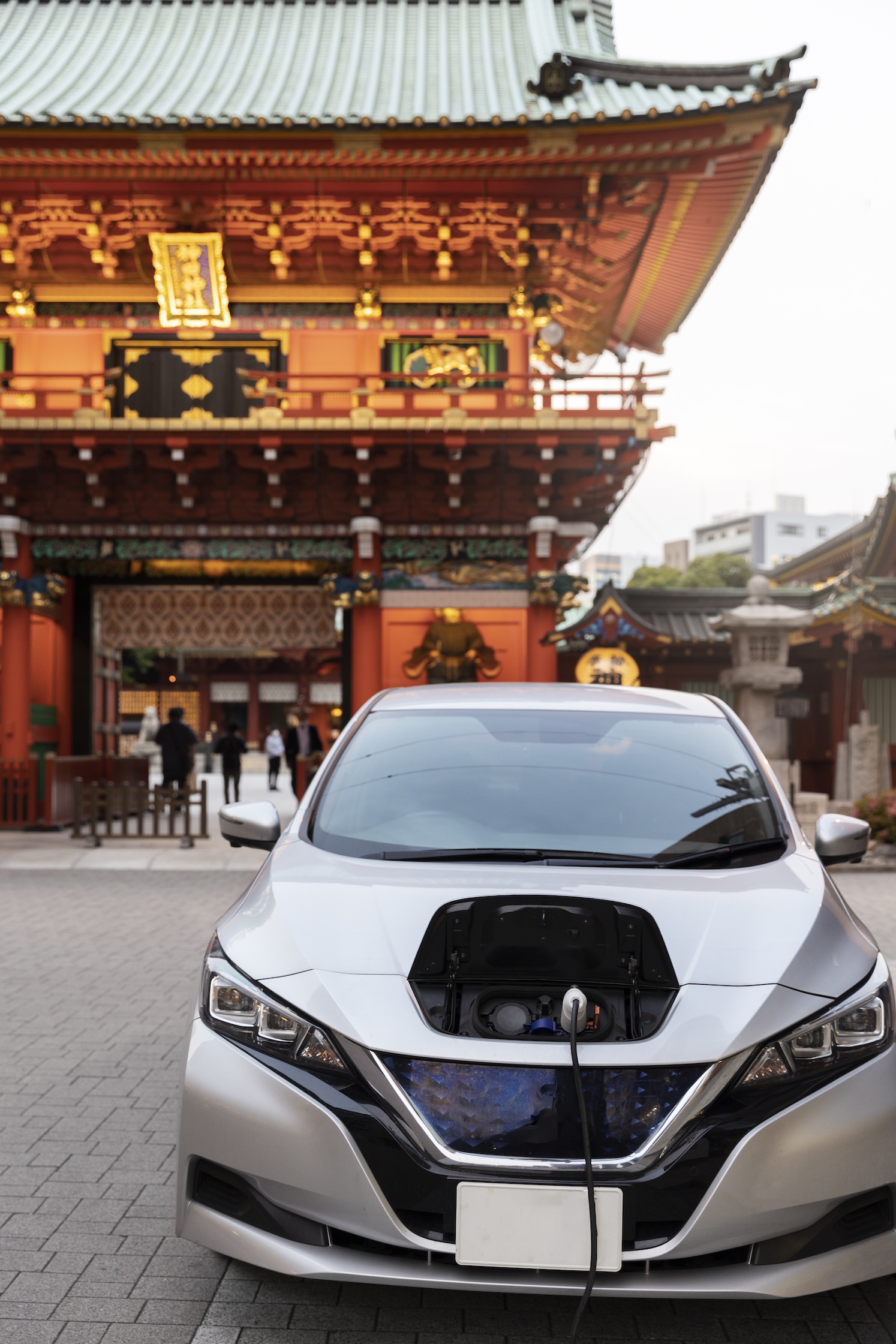
BEV (Battery Electric Vehicle) — Pure electric. No petrol engine at all. You charge it from the grid or a charging station. Range is fixed by battery size. Examples: BYD Atto 3, BYD Seal, Nio ES9, Chery Fulwin X3.
PHEV (Plug-in Hybrid Electric Vehicle) — Has both an electric motor and a petrol engine. You can charge the battery from a plug for electric-only driving, but the petrol engine kicks in when the battery runs low. Best of both worlds in theory. Examples: BYD Atto 8, BYD Sealion 6, BYD Shark 6.
EREV (Extended Range Electric Vehicle) — Primarily electric, but has a small petrol engine that acts as a generator to recharge the battery while you drive. The petrol engine never directly drives the wheels — it only makes electricity. This gives you very long combined ranges (often 1,000km+) without needing to stop and charge. Examples: IM LS6, Avatr 06/07/12, Chery Fulwin X3L, Li Auto L series.
The African Reality Check
Before comparing vehicles, be honest about three things:
- Your charging access: Do you have a reliable place to charge at home or work? Or do you depend entirely on public infrastructure?
- Your grid reliability: How often do you experience power cuts? Hours per day? Days per week?
- Your driving patterns: Are you mostly city driving with predictable short trips? Or do you do long inter-city routes regularly?

Pure EVs (BEVs): Great If Your Conditions Are Right
A pure electric vehicle is the cheapest to run over its lifetime — no petrol costs, lower maintenance, fewer moving parts. For city drivers in Lagos, Nairobi, or Accra who can charge overnight at home, a BEV makes a lot of sense.
The Achilles heel in Africa is infrastructure. Nigeria’s public charging network is still in early stages. If you can’t charge at home and you rely on public chargers, range anxiety becomes a real daily concern. The BYD Atto 3 (new gen) with flash charging helps — 15–20 minutes on a fast charger can add 200km+ of range. But fast chargers need to actually exist near you.
Best for: City dwellers with home charging, short daily commutes under 150km, buyers who prioritise lowest running costs.
PHEVs: The Practical African Compromise
PHEVs are arguably the most practical choice for most African buyers right now. You get 40–100km of pure electric range for your daily city driving (covering most people’s daily mileage in electric mode), and then the petrol engine handles everything beyond that.
No range anxiety. No dependence on public charging infrastructure. Fill up at any petrol station when you need to. But when power is available, you’re running mostly electric and cutting fuel costs significantly.
The BYD Shark 6 pickup and Sealion 6 SUV are strong examples — built for African utility and terrain, with petrol backup for long trips or low-grid environments.
Best for: Buyers in areas with inconsistent electricity, those doing a mix of city and long-distance driving, fleet operators, and anyone who can’t yet guarantee reliable daily charging.
EREVs: The Best Range in the Game
EREVs are the dark horse of this comparison. They’re technically electric vehicles — the wheels are powered by electric motors — but they carry a small petrol engine that generates electricity when the battery is depleted. The result is combined ranges of 1,000km to 1,500km.
The new IM LS6 EREV gets a 1,502km combined range. The Avatr 07 EREV covers over 1,000km combined. These numbers make inter-city travel in countries with sparse charging networks completely stress-free.
Best for: Long-distance drivers, inter-city travel, buyers in areas with no charging infrastructure, those who want an EV experience without any of the range limitations.
The Verdict for African Buyers
Urban buyer with home charging: BEV — lowest cost, best for the environment, practical for city use.
Mixed urban/rural buyer, uncertain grid: PHEV — flexible, practical, no infrastructure dependency.
Long-distance driver or rural buyer: EREV — best range in any conditions, electric-smooth, petrol-backed freedom.
The good news is that Chinese automakers offer all three — at prices significantly more competitive than Japanese or European alternatives. And through Autoimport Africa, you can access all three powertrain types directly from China, with full transparency on specs and pricing before you commit.