Category: Report

  • 10 Best Used Cars to Source in 2026: A Working Dealer’s Sourcing Guide

    10 Best Used Cars to Source in 2026: A Working Dealer’s Sourcing Guide

    For dealers building 2026 inventory plans, the question isn’t just which vehicles will sell — it’s which vehicles will sell quickly, at strong margins, and without tying up capital in inventory that ages on the lot. The 10 models below have emerged as the volume-and-margin sweet spots for African dealers sourcing through global supply chains in 2026.

    This is the working dealer’s sourcing list, organised around the models that combine consistent demand, healthy margin potential, and reliable supply. Each entry includes why it works and what to watch when sourcing.

    Vehicles on a busy African street
    The 10 models below are the volume-and-margin sweet spots for African dealers in 2026 — consistent demand, healthy supply, and reliable economics

    1. Audi A3

    The A3 remains a strong volume performer in 2026 for one specific reason: it gives buyers entry-level Audi prestige at a price point that’s competitive with mid-range Hyundai or Toyota models. For dealers, the A3 turns over fast, particularly the recent fourth generation (2020-onward).

    Sourcing watch: Diesel variants still attract premium pricing in markets that haven’t shifted to petrol-default. Hatchback and Sportback configurations both move well; sedan variants slightly slower in African markets.

    2. Volkswagen Tharu

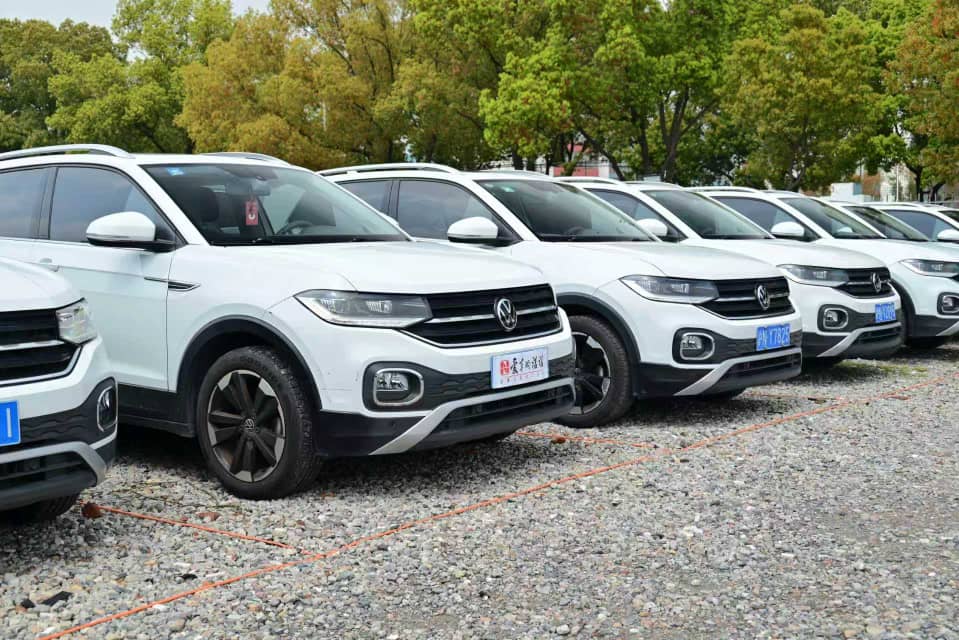
    The Tharu is a China-market-specific Volkswagen SUV that has become a strong export candidate for African dealers in 2026. Built on the MQB platform, well-equipped, and priced significantly below equivalent European-spec Tiguan models. Strong consumer recognition of the Volkswagen badge plus aggressive pricing makes for fast turnover.

    Sourcing watch: Verify that any Tharu being sourced has been spec’d for export (right-hand-drive markets in Kenya/Uganda or left-hand-drive markets across most of West Africa).

    3. Toyota RAV4

    The RAV4 needs no introduction. The fifth-generation model (2019-onward) is the volume sweet spot, and the hybrid variant carries a particular premium in 2026 as fuel costs push buyers toward efficient powertrains.

    Sourcing watch: Hybrid variants command 15–20% price premiums in resale markets and absolutely justify the higher source-side cost. Pre-2019 RAV4s are increasingly less attractive as the market has moved on.

    4. BMW X1

    The X1 is the entry-level X-series gateway and a consistent volume performer for African dealers. The third generation (2022-onward) is well-equipped and offers premium positioning at a price that’s accessible relative to the X3 or X5.

    Sourcing watch: sDrive (front-wheel-drive) and xDrive (all-wheel-drive) variants both sell, but xDrive commands a meaningful premium in markets with poor road conditions.

    5. BYD Song Plus DM-i

    The standout Chinese new-energy entry on the dealer list. The Song Plus DM-i (Dual-Mode intelligent) plug-in hybrid SUV has become one of the fastest-moving inventory items globally in 2026. Strong consumer interest in the BYD brand combined with genuinely competitive equipment at sub-Toyota pricing creates ideal volume conditions.

    Sourcing watch: Demand has outstripped supply at certain points in 2026. Dealers who establish reliable supply relationships through partners like Autoimport Africa get priority allocation.
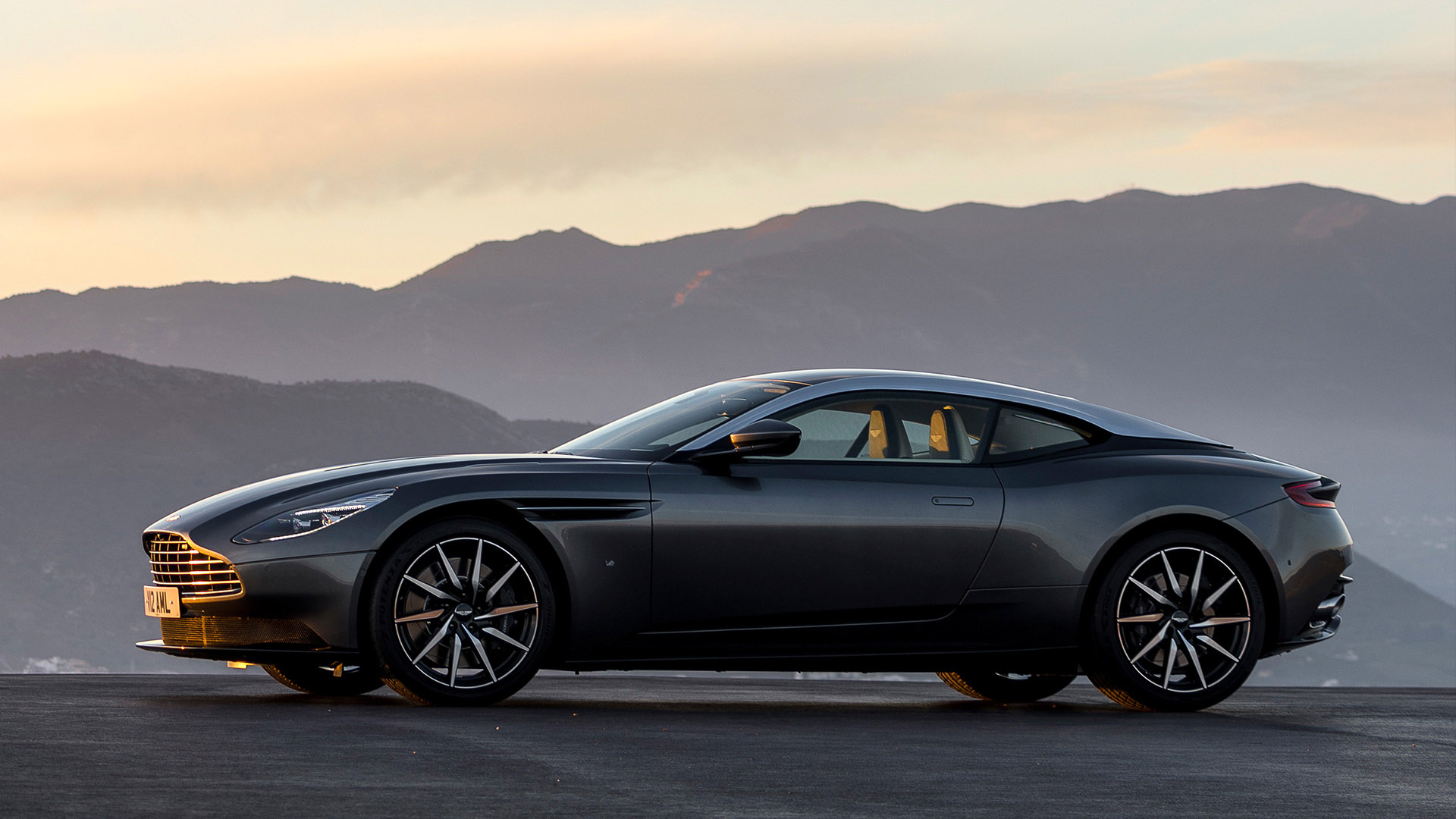
    Premium vehicle in showroom condition
    The dealer’s sourcing edge in 2026 is the combination of established models with the rising Chinese new-energy entries

    6. Honda CR-V

    The CR-V remains a reliable mid-volume performer. The fifth and sixth generations both move steadily, with the hybrid variant of the sixth generation commanding particular interest in 2026.

    Sourcing watch: The 2017–2019 1.5L turbo oil-dilution issue affected CR-Vs of those years. Verify model year carefully and price accordingly.

    7. Mercedes-Benz C-Class

    The C-Class is the entry into Mercedes prestige and continues to support strong dealer margins in 2026. The W205 generation (2014–2021) is the volume zone — well-priced at source and commanding meaningful premiums at retail.

    Sourcing watch: AMG-branded variants (C43, C63) carry significantly higher source-side costs but also significantly higher retail premiums. The maths usually works for dealers with appropriate buyer pipelines.

    8. Chery Tiggo 7 Pro

    The Tiggo 7 Pro has become Chery’s volume leader in African export markets. Mid-size SUV with premium-grade interior, well-equipped at competitive prices, and increasingly recognised by African consumers.

    Sourcing watch: The Tiggo 7 Pro Max (the higher-spec variant) commands meaningful premiums and sells faster than the standard Tiggo 7 Pro. Source the higher trim where possible.

    9. Geely Coolray

    The Coolray is Geely’s compact SUV and one of the strongest-performing Chinese SUVs in African dealer inventory in 2026. Stylish design, well-equipped interior, and competitive pricing combine for fast turnover.

    Sourcing watch: Available in multiple trim levels with significantly different equipment packages. The mid and high trims sell faster and at better margins than entry-level variants.

    10. Toyota Corolla (recent generations)

    The Corolla is the volume baseline of any African dealer’s inventory. Twelfth-generation models (2018-onward) move at near-constant velocity, with the hybrid variant commanding particular premiums in 2026.

    Sourcing watch: Cross Hybrid and Sedan Hybrid variants both move well. Pure petrol Corollas still sell but at lower margins than hybrid versions in 2026.

    Pattern Observations from the Top 10

    Several patterns emerge that should shape dealer sourcing decisions:

    Hybrid and PHEV demand has fundamentally shifted. Toyota RAV4 Hybrid, Toyota Corolla Hybrid, and BYD Song Plus DM-i all turn faster than equivalent pure-ICE inventory. Stocking decisions in 2026 should weight toward electrified powertrains where supply allows.

    Chinese brands are now mainstream sourcing priorities. BYD, Geely, and Chery occupy three positions in the top 10 — and their share of total inventory turnover continues to grow. Dealers who haven’t yet built reliable Chinese supply relationships are operating at a structural disadvantage.

    Premium German remains margin-dense. BMW X1, Mercedes C-Class, and Audi A3 all support healthy per-unit margins despite their pricing. The right buyer pipeline makes these consistently profitable.

    Volume vs margin trade-offs are real. Toyota RAV4 and Corolla deliver volume but moderate margin. Mercedes C-Class delivers margin but moderate volume. The optimal inventory mix combines both.

    Where Autoimport Africa Fits

    Autoimport Africa sources every model on this list directly from Chinese suppliers and through verified Chinese auction platforms, with end-to-end logistics into Nigeria, Ghana, Kenya, and other African markets. Our particular depth on Chinese inventory (BYD, Geely, Chery) gives African dealers reliable access to the fastest-growing segment of the global supply chain, while our broader network supports volume sourcing across Toyota, BMW, Mercedes, Audi, and other established brands.

    For dealers building 2026 inventory plans, working with Autoimport Africa removes the complexity of multi-channel sourcing and gives a single transparent view of landed cost across your full inventory mix.

    The Bottom Line

    The 2026 dealer’s top 10 — Audi A3, Volkswagen Tharu, Toyota RAV4, BMW X1, BYD Song Plus DM-i, Honda CR-V, Mercedes-Benz C-Class, Chery Tiggo 7 Pro, Geely Coolray, Toyota Corolla — combines established volume performers with the Chinese new-energy entries that have transformed the supply landscape. The dealers who source intentionally across this mix, through reliable partners, are the ones running profitable books in 2026.

    Talk to Autoimport Africa about scaling your inventory across all 10. We’ll quote landed cost on each, in your local currency, with the import already pre-arranged.

  • The Top 10 Used Car Brands in 2026: A Dealer’s Sourcing Ranking

    The Top 10 Used Car Brands in 2026: A Dealer’s Sourcing Ranking

    The 2026 used vehicle market reflects a moment of genuine transition. Established Japanese and European brands still dominate volume in many markets, but Chinese brands have quietly moved from challengers to legitimate market leaders — and the pace of that shift is accelerating.

    This is the dealer-focused brand ranking for 2026, drawing on global transaction patterns, regional inventory turnover, and the markets that drive volume for African importers. The list isn’t a celebration of nostalgic favourites — it’s an honest read of which brands are actually moving in the global supply chain right now.

    Premium European sports car
    The 2026 brand ranking reflects a global market in transition — Chinese brands now compete for volume leadership alongside established European and Japanese names

    1. Volkswagen

    Still the global volume leader by a meaningful margin. Volkswagen’s strength in 2026 is the depth of its used inventory across multiple price tiers — from the entry-level Polo to the premium Touareg — and the brand’s parts ecosystem in Europe, Africa, and the Middle East. For dealers needing reliable mid-market inventory, Volkswagen remains the safest default.

    2. Toyota

    The reliability premium continues to power Toyota volume. The Corolla, RAV4, Camry, and Hilux move through the global supply chain at near-constant velocity. Toyota’s hybrid options have re-entered the demand picture aggressively in 2026 as fuel prices and emissions concerns push buyers toward efficient powertrains.

    3. BYD

    The most significant story in the 2026 ranking is BYD’s rise to third position globally. The world’s largest EV manufacturer has expanded aggressively into hybrid and ICE segments, dominated multiple emerging markets, and built a reputation for build quality that genuinely competes with Toyota. The Song Plus, Atto 3, Dolphin, and Han are all in the top tier of fastest-moving inventory globally.

    4. BMW

    The premium segment leader for the global used market in 2026. BMW’s inventory turnover is concentrated in the 3 Series, X1, X3, and X5 — vehicles that combine premium positioning with enough volume to remain accessible. African dealers continue to find strong margins on BMW imports, particularly the X-series SUVs.

    5. Audi

    Audi’s used inventory volume has held steady through 2026 despite increased competition from Chinese premium entries. The A3, A4, Q3, and Q5 are the volume drivers. The brand’s diesel options are still highly sought after in markets that haven’t shifted to petrol or electric defaults.

    Premium German automotive brand emblem
    Chinese brands now occupy multiple positions in the global top 10 — a structural shift that’s reshaping the global used car supply chain

    6. Geely

    Geely’s position in the top six reflects both its standalone brand strength and its ownership of Volvo, Lotus, and Lynk & Co. The Coolray, Atlas Pro, and Boyue have driven serious volume in emerging markets. The Volvo connection has lifted Geely’s perceived quality, and rightfully — many platforms are shared.

    7. Mercedes-Benz

    Mercedes’ position has slipped slightly from previous years as Chinese premium options gain ground, but the brand still anchors the high end of the used market. The C-Class and E-Class remain volume leaders; GLC and GLE drive the SUV side. African dealers selling Mercedes consistently command strong margins.

    8. Jetour

    Jetour — a relatively newer Chinese brand under Chery’s umbrella — has surged in 2026 by focusing on well-equipped SUVs at aggressive prices. The X70, X90, and Dashing models have driven serious volume in emerging markets. For dealers looking for inventory that moves quickly at competitive prices, Jetour is increasingly appearing on shortlists.

    9. Honda

    Honda’s position has been pressured by Chinese competition and by Toyota’s aggressive hybrid push, but the brand still sells well on reliability reputation. The Civic, CR-V, and Accord remain core volume drivers. The 2017–2019 1.5L turbo oil-dilution issue has now been clearly resolved on later models, but used-car buyers should still verify model year carefully.

    10. Chery

    Closing out the top 10 with Chery, whose Tiggo SUV range has captured significant share in markets across Africa, the Middle East, Latin America, and Eastern Europe. The Tiggo 7 Pro and Tiggo 8 are exported in serious volume; pricing is aggressive; build quality has lifted to credible levels. For African dealers, Chery is now a default consideration rather than an experimental choice.

    What This Ranking Means for African Importers

    A few takeaways for dealers and importers in 2026:

    Chinese brands now occupy four of the top 10 positions. BYD, Geely, Jetour, and Chery have all moved from “interesting alternatives” to mainstream choices. Dealers who haven’t yet built supply relationships into Chinese inventory are operating at a structural disadvantage in 2026.

    The premium-to-mass-market gap is narrowing. Mercedes and BMW still command price premiums, but Chinese vehicles are increasingly delivering equivalent equipment and build quality at significantly lower prices. The buyer who previously stretched for an entry-level BMW now has BYD and Geely options that may serve them better.

    Hybrid and PHEV demand has pulled forward. Toyota’s hybrid range and BYD’s DM-i platform are both moving faster through the supply chain than equivalent pure-ICE inventory. Stocking decisions in 2026 should weight toward electrified powertrains where possible.

    Volume vs margin trade-offs differ by brand. Volkswagen and Toyota remain the safest volume plays. BYD and Geely now offer the best margins for dealers willing to source aggressively. BMW and Mercedes remain the highest absolute margin per unit. The right brand mix depends on your local market dynamics.

    How Autoimport Africa Sources Across All 10

    Autoimport Africa sources vehicles across every brand on this list, with particular depth on the Chinese entries (BYD, Geely, Jetour, Chery) where direct China sourcing offers structural cost advantages. We provide transparent landed-cost quotes for any model in any of these brands, run third-party inspections, and handle the full import process into Nigeria, Ghana, and other African markets.

    For dealers building 2026 inventory plans, the right brand mix is no longer just about Toyota and Volkswagen. It’s about strategically combining the established volume leaders with the rising Chinese brands that now offer the best per-unit economics.

    The Bottom Line

    The 2026 global used car brand ranking — Volkswagen, Toyota, BYD, BMW, Audi, Geely, Mercedes-Benz, Jetour, Honda, Chery — reflects a market that’s no longer dominated solely by traditional players. Chinese brands have moved from peripheral to central in just a few years, and the pace of that shift will continue.

    For African dealers building inventory plans, the question isn’t whether to engage with Chinese supply — it’s how aggressively to lean in. Talk to Autoimport Africa about sourcing across the full top 10.

  • Autoimport Africa vs. Local Dealer vs. Used Car Market: Which Is the Smarter Buy?

    Autoimport Africa vs. Local Dealer vs. Used Car Market: Which Is the Smarter Buy?

    The decision to import a vehicle is rarely made in isolation. Most people thinking about importing through Autoimport Africa are also comparing it mentally against two other options: buying a locally available new car through an official dealer, or buying a used imported car from a local trader.

    Both alternatives exist in Nigeria, and both have their merits and serious drawbacks. This comparison lays them out honestly, so you can make the decision that’s right for your situation.

    Nigerian car market scene
    Three buying options exist for Nigerian car buyers in 2026 — but not all of them offer the same value or transparency

    Option 1: New Car Through Official Local Dealer

    Official dealers for major brands — Toyota, Honda, Nissan, Hyundai — offer new vehicles with local warranty support and established after-sales networks. This is the most premium local buying experience available.

    Advantages:

    • Local warranty servicing at authorised centres
    • No import logistics to manage
    • Immediate availability (if in stock)
    • Established brand presence and resale recognition

    Disadvantages:

    • Significantly higher prices: a new Toyota Corolla through an official Nigerian dealer costs ₦45–₦60 million+. The equivalent through Autoimport Africa from China would be a new, equally spec’d Chinese sedan at ₦25–₦35 million landed.
    • Limited technology: official dealers bring models that are 1–2 years behind the latest releases. You’re paying premium prices for yesterday’s technology.
    • Narrow model selection: dealers stock what they choose to import. You’re limited to their inventory.
    • Petrol-only: most official Nigerian dealers still offer predominantly ICE vehicles. NEV options are extremely limited.

    Verdict: Good option if you prioritise convenience, established local service network, and brand recognition — and are willing to pay a significant price premium for it.

    Japanese vehicle
    Japanese brands through official dealers offer reassurance — but at prices that are often ₦15–25 million higher than equivalent new Chinese vehicles

    Option 2: Used Imported Car from Local Trader

    This is the most common vehicle acquisition path in Nigeria — buying a used car from a dealer at Trade Fair, Berger, or similar markets, or from an individual seller.

    Advantages:

    • Immediate availability — drive it home today
    • Lower upfront cost (but see below for the full picture)
    • Wide variety of makes and models available

    Disadvantages:

    • Unknown history: most used cars sold locally have no verifiable accident, maintenance, or ownership history. You are trusting the seller entirely.
    • Hidden damage risk: structural accident damage, flood damage, and odometer fraud are widespread in the Nigerian used car market.
    • No warranty: buying used typically means zero remaining manufacturer warranty coverage.
    • Older technology: a 3–5 year old vehicle lacks the ADAS, connected features, and NEV efficiency available in new Chinese vehicles at similar or lower prices.

    Verdict: Accessible and immediate, but carries significant hidden risk. The price advantage over a new Chinese import is often smaller than it appears once you factor in potential repair costs, no warranty, and older technology.

    Option 3: New Chinese Vehicle Through Autoimport Africa

    Advantages:

    • New vehicle — no history, no hidden damage, no prior owner
    • Full manufacturer warranty from day one
    • Latest model year with the most advanced technology
    • NEV options (BEV, PHEV, EREV) available at every price point
    • Clean title by definition
    • Transparent, upfront pricing covering the full import cost
    • End-to-end logistics handled including optional clearing and home delivery
    • Significantly lower price than equivalent Japanese/Korean vehicles through official dealers

    Disadvantages:

    • 6–10 week lead time from order to delivery
    • Local after-sales network is still developing for many Chinese brands (though expanding rapidly)
    • Currency exposure over the import window (manageable with proper planning)

    Verdict: Best value per naira spent, with the highest transparency and lowest risk — at the cost of a waiting period and slightly less mature local service infrastructure.

    Happy buyer with new Autoimport Africa vehicle
    Autoimport Africa delivers more car, better warranty, and cleaner history — at a lower price than any local alternative

    The Bottom Line

    If you need a car tomorrow, the local used market or an in-stock dealer car is your only option. If you can plan 6–10 weeks ahead, Autoimport Africa delivers more car, more technology, more warranty, and cleaner history at a lower price than either alternative.

    For buyers who value what they get for their money — and who’ve been burned by hidden damage or surprise repair bills in the past — the choice is clear.

  • Naira vs Dollar: How to Manage Currency Risk When Importing a Car from China

    Naira vs Dollar: How to Manage Currency Risk When Importing a Car from China

    Nigeria’s naira has faced severe volatility since 2023. For anyone trying to import a vehicle, this creates a real planning challenge: how do you budget for a purchase that involves foreign currency (the vehicle price in USD or CNY), shifting exchange rates, and a multi-week import timeline during which the rate could move significantly?

    This guide is designed to help you think through currency risk when importing through Autoimport Africa — so you can plan effectively, protect your budget, and avoid the most common financial mistakes.

    Nigerian financial planning
    Understanding currency risk is essential for anyone importing a vehicle from China to Nigeria

    Why Currency Risk Matters in Vehicle Importing

    When you import a vehicle from China, several costs are denominated in USD or Chinese Yuan (CNY):

    • Vehicle purchase price
    • Ocean freight
    • Marine insurance
    • Sometimes customs duty (assessed on CIF value in USD)

    Between the time you decide to import and the time your vehicle clears customs, 6–10 weeks can pass. If the naira weakens by 10–15% during that window — as it has done several times in recent years — your total naira cost increases proportionally, even though your USD cost stays the same.

    Three Scenarios: How Exchange Rate Movement Affects Your Total Cost

    Let’s use a vehicle with a CIF value of $16,500 and a 40% customs duty as an example:

    Scenario A — Stable exchange rate (₦1,600/$):

    • Vehicle + freight + insurance: $16,500 = ₦26.4 million
    • Customs duty (40%): $6,600 = ₦10.56 million
    • Port and clearing fees: ~$1,000 = ₦1.6 million
    • Total: ~₦38.6 million

    Scenario B — Naira weakens to ₦1,800/$ during import:

    • Vehicle + freight + insurance: $16,500 = ₦29.7 million
    • Customs duty: $6,600 = ₦11.88 million
    • Port and clearing fees: ~$1,000 = ₦1.8 million
    • Total: ~₦43.4 million — ₦4.8 million more than Scenario A

    Scenario C — Naira strengthens to ₦1,400/$ during import:

    • Total: ~₦33.7 million — ₦4.9 million less than Scenario A

    The lesson: exchange rate movement can swing your total naira outlay by several million naira in either direction over a typical import timeline.

    Nigerian buyer making decisions
    Paying early and budgeting conservatively are the two most effective ways to protect yourself from exchange rate swings

    How to Reduce Currency Risk When Importing

    1. Pay early and in full: Once you’ve committed to a purchase, the best way to lock in your cost is to pay as quickly as possible. Delaying payment while the naira moves is speculative — you might save money, but you might also lose it.

    2. Budget conservatively: When planning your import budget, use a naira/USD rate that is 10–15% weaker than the current rate. If the rate holds or improves, you’ll have a surplus. If it weakens, you won’t be caught short.

    3. Buy USD in advance: If you’re serious about importing and watching rates, buying and holding the USD you need for the purchase before placing your order removes exchange rate risk entirely from your planning.

    4. Consider EVs and vehicles with lower duty exposure: Electric vehicles are exempt from the new Green Tax surcharge (from July 2026) and may qualify for reduced excise duties. The lower effective duty rate reduces the portion of your cost exposed to exchange rate movement.

    5. Understand what’s fixed vs. variable: Your vehicle price in USD is agreed at the time of purchase — exchange rate movement affects how much that costs in naira, but not the USD amount. Customs duty, however, is assessed when your vehicle clears the port — at whatever rate applies on that day.

    How Autoimport Africa Helps You Plan

    African buyer planning vehicle import
    Autoimport Africa shows you the full cost breakdown upfront — so you can plan your naira budget before committing

    Autoimport Africa provides transparent, upfront pricing in USD for every vehicle listed on the platform. We show you the full cost breakdown at the time of purchase — vehicle, freight, insurance, and estimated duties — so you can calculate your naira exposure before committing.

    For buyers who want a detailed landed cost estimate before placing an order, our team can provide this based on current exchange rates and the specific vehicle you’re interested in. Reach out through the platform’s customer support chat before ordering if you’d like help planning your budget.

    Import confidently. Know your numbers in advance.

  • New Chinese Vehicle vs. Used Japanese Car: An Honest Comparison for African Buyers in 2026

    New Chinese Vehicle vs. Used Japanese Car: An Honest Comparison for African Buyers in 2026

    The question used to have a simple answer: buy Japanese. Toyota Camry, Honda Accord, Lexus RX — these names carried an implicit promise of reliability, longevity, and good resale value that no Chinese brand could match. That answer is becoming outdated fast.

    In 2026, Chinese vehicles have not only caught up with Japanese equivalents in quality, technology, and reliability — in key areas, they have overtaken them. And for African buyers, the price advantage makes the comparison even more compelling.

    Modern SUV on the road
    New Chinese SUVs in 2026 rival — and often surpass — Japanese counterparts on technology and value

    Price: The Gap Is Dramatic

    Let’s start with the most immediate difference.

    A new Toyota RAV4 (2025/2026 model) costs approximately $32,000–$38,000 at source. A new BYD Atto 3 (equivalent segment, similar size) starts at approximately $16,000–$19,000 from China. The new Chery Tiggo 8 Pro — a seven-seat SUV that competes with the Highlander — starts at around $18,000–$22,000.

    For the price of one Toyota RAV4, you could import two new Chinese SUVs with change to spare. That’s not a minor difference — it’s a structural price advantage that reflects China’s manufacturing efficiency, competitive domestic market, and government support for the auto export sector.

    Technology: Chinese Vehicles Are Ahead of the Curve

    This is where the comparison has shifted most dramatically. Chinese NEV brands are investing enormous resources in technology, and new Chinese vehicles come standard with features that are either optional extras or unavailable on Japanese models at the same price point:

    • Large infotainment screens: 12–27 inch touchscreens are standard on mid-range Chinese models. Most Japanese cars in the same bracket still offer 8–10 inch systems.
    • Over-the-air (OTA) updates: BYD, Xpeng, and Nio push software updates wirelessly — improving features post-purchase. No Japanese mass-market brand offers this.
    • Advanced ADAS: Lane-keeping, adaptive cruise, automatic emergency braking, and highway autopilot features are standard or cheap upgrades on Chinese EVs.
    • Electric powertrains: Every major Chinese brand has invested billions in BEV, PHEV, and EREV technology. Most Japanese brands are still transitioning.
    Japanese sports car
    Japanese brands still command strong brand recognition — but Chinese vehicles now offer more technology at significantly lower prices

    Build Quality: The Gap Has Closed

    Five years ago, “Chinese car quality” was a legitimate concern. Today it isn’t — at least not for major brands imported through Autoimport Africa.

    BYD’s Blade Battery passed nail penetration tests that no other battery chemistry has matched. Geely owns Volvo and has transferred Swedish engineering standards into its own vehicles. Chery’s export models undergo rigorous third-party quality certification. These brands are competing in Europe, where safety and quality standards are among the strictest in the world.

    Chinese brands also typically offer longer warranties than Japanese competitors:

    • BYD: 8-year/500,000km battery warranty; 6-year vehicle warranty on many models
    • BYD Atto 8 (South Africa): 5-year/100,000km vehicle warranty + 5-year maintenance plan

    Fuel and Running Costs: Chinese EVs Win Convincingly

    A Toyota Camry averaging 8L/100km costs approximately ₦8,000–₦10,000 per 100km at current petrol prices in Nigeria.

    A BYD Atto 3 charged from the grid costs a fraction of that per 100km. Even accounting for Nigeria’s inconsistent power supply, PHEV and EREV models — which run primarily on electricity in the city — slash fuel costs dramatically compared to any petrol vehicle.

    African buyer with new Chinese vehicle
    Autoimport Africa gives African buyers direct access to new Chinese vehicles — more technology, better warranty, lower running costs

    The Autoimport Africa Advantage

    When you buy a used Japanese car from a local dealer, you’re getting an older model with unknown history, unknown mileage accuracy, and a depreciated resale value. When you import a new Chinese vehicle through Autoimport Africa, you’re getting:

    • A brand-new vehicle with zero prior ownership history
    • Full manufacturer warranty intact
    • The latest model year with the latest technology
    • Clean title, by definition
    • Direct-from-China pricing without middleman markups

    The era of defaulting to Japanese because “quality” has passed. Chinese vehicles in 2026 earn their place on merit — and the price gap means they deserve to be the first comparison, not the last.

  • The Real Cost of Importing a Car to Nigeria in 2026: Tariffs, Clearing, Recycling Fees and Home Delivery — Full Breakdown

    One of the most common questions we get at Autoimport Africa is: “What will this actually cost me, all in?” It’s a fair question — and an important one. The price of the vehicle itself is just the starting point. By the time your car is in your driveway, several other costs have stacked up. This guide breaks every one of them down clearly, using 2026 figures, so you can budget with confidence before you commit.

    Step 1: Vehicle Price (FOB China)

    FOB stands for “Free On Board” — it is the price of the vehicle at the Chinese port, before shipping. This is the base price you see on most import listings.

    For reference, a clean-title mid-size Chinese SUV like a BYD Atto 3 or Chery Tiggo 7 Pro might be listed at approximately $15,000–$20,000 FOB China in 2026. Compact city cars can start from $8,000–$12,000. Premium EVs and EREVs range from $25,000 upward.

    Budget: $8,000 – $35,000+ depending on model

    Step 2: International Freight (Shipping)

    Shipping a vehicle from a Chinese port (typically Tianjin, Shanghai, or Guangzhou) to Lagos (Apapa or Tin Can Island port) via RoRo (Roll-on Roll-off) vessel typically costs between $800 and $1,500, depending on vessel availability and lead time. Transit time is usually 4–6 weeks.

    Budget: $800 – $1,500

    Step 3: Import Duty

    This is where the 2026 policy change makes a significant difference. Nigeria’s import duty on fully built passenger vehicles — including SUVs and 4WDs — has been reduced from 70% to 40% of the CIF (Cost + Insurance + Freight) value.

    Example: Vehicle priced at $16,000 FOB + $1,200 shipping + $100 insurance = $17,300 CIF. At 40% duty: $6,920.

    Note: Electric vehicles are exempt from the new green tax and excise duty taking effect July 1, 2026, making EVs particularly attractive on landed cost.

    Budget: approximately 40% of CIF value

    Step 4: Port Charges and Terminal Handling

    Once the vehicle arrives at the Nigerian port, it incurs terminal handling charges, demurrage (if clearance is delayed), and port storage fees. Efficient clearance — ideally within 2–3 days of vessel arrival — minimises these costs. Working with a competent clearing agent or using Autoimport Africa’s optional customs clearing service keeps these fees manageable.

    Typical port charges and handling at Lagos port: $300–$600.

    Budget: $300 – $600

    Step 5: Pre-Export Certification (New in 2026)

    Under Nigeria’s new End-of-Life Vehicle policy, all imported used vehicles must now be certified before export from the country of origin. The cost — $250 to $300 per vehicle — is borne by the exporter or importer, not the buyer. However, if you are arranging the import yourself through a sourcing agent, confirm whether this fee is included in the quoted price.

    For new vehicles imported directly from China (as Autoimport Africa sources), this certification requirement adds a layer of confidence, not a hidden cost.

    Budget: $250 – $300 (typically absorbed by importer/exporter)

    Step 6: Customs Clearing Agent Fees

    A clearing agent handles all documentation, duty payments, and port interactions on your behalf. Professional clearing agents charge between ₦150,000 and ₦400,000 ($100–$260 at current rates) depending on complexity and vehicle value.

    Autoimport Africa offers optional customs clearing as an add-on service, handling this entire process so you don’t need to manage it yourself.

    Budget: $100 – $260

    Step 7: Vehicle Inspection and Registration

    Before your vehicle can be legally driven in Nigeria, it needs FRSC registration and a roadworthiness certificate. Costs vary by state but typically range from ₦50,000 to ₦150,000 ($30–$100) including number plates and all documentation.

    From 2026, a mandatory vehicle recycling fee is also charged at registration — a one-time payment toward future disposal. The exact fee is yet to be published in final form but is not expected to be prohibitive.

    Budget: $30 – $100

    Step 8: Home Delivery (Optional)

    If you want the vehicle delivered to your door rather than collecting from port, Autoimport Africa offers home delivery as an optional service. Delivery costs vary by distance from the port but typically range from ₦80,000 to ₦250,000 ($50–$165) for locations within Lagos, Abuja, Port Harcourt, and major cities.

    Budget: $50 – $165 (optional)

    Total Cost Summary (Example: $16,000 FOB Mid-Size SUV)

    • Vehicle (FOB): $16,000
    • Shipping: $1,200
    • Import Duty (40% of CIF $17,300): $6,920
    • Port charges: $450
    • Clearing agent: $180
    • Registration: $70
    • Home delivery: $120
    • Total estimated landed cost: ~$24,940

    Under the old 70% duty rate, that same vehicle would have cost approximately $28,000+ landed — a difference of over $3,000 on a single car.

    Final Tip

    Always get a full landed cost estimate before committing to a purchase. Autoimport Africa provides transparent pricing inclusive of all fees and gives you the option to add customs clearing and home delivery at checkout — so there are no surprises when your vehicle arrives.

  • The 2026 China Export Surge: Why More Affordable Cars Are Heading to Africa Than Ever

    Something significant is happening in the global automotive market that most African car buyers don’t yet fully appreciate — and it works directly in their favour. China, the world’s largest auto producer, is exporting vehicles at a record-breaking pace in 2026. The reason? Slowing domestic demand at home. The result? More affordable, newer, cleaner inventory flowing toward Africa and other emerging markets.

    Here is what’s driving this shift, and why it matters if you’re thinking of importing a vehicle.

    China’s Domestic Market Has Softened

    After a surge in 2025 driven by government trade-in subsidies, China’s domestic vehicle sales have slowed sharply in early 2026. The China Association of Automobile Manufacturers reported a significant dip in January and February 2026, with year-on-year volumes falling roughly 22.9% as subsidy step-downs and Lunar New Year timing reset demand. Domestic passenger vehicle sales have been sluggish, weighed down by weaker consumer confidence and a more competitive pricing environment.

    For Chinese automakers who have dramatically scaled up production capacity over the past five years, this creates a problem: factories built to produce millions of vehicles need to stay running. The solution? Export.

    Exports Are at Record Highs

    China closed 2025 with approximately 7.1 million vehicle exports — a record — cementing overseas markets as a core channel for the industry rather than just a cyclical overflow valve. In early 2026, that momentum has continued and accelerated. Exports rose to roughly 1.35 million units in the first two months of 2026 alone, approximately 48% above the same period in 2025.

    Critically, the export mix is also shifting. New energy vehicles — EVs, PHEVs, and EREVs — now account for roughly 43% of China’s auto exports, meaning the vehicles heading to global markets are increasingly modern, efficient, and technologically advanced.

    Price Wars Are Making Chinese Vehicles Cheaper

    Intensifying competition among Chinese automakers domestically has triggered an ongoing price war. Brands have repeatedly cut prices to maintain market share, and those lower prices have flowed through to export pricing. Vehicles that would have cost $18,000–$22,000 FOB China two years ago can now be sourced for significantly less, while featuring better technology, safety ratings, and refinement than previous generations.

    The leading export brands — Chery, BYD, SAIC, and Geely — are all competing aggressively for the same international buyers, which keeps prices under pressure in Africa’s favour.

    Africa Is a Primary Target Market

    With access to the US blocked by tariffs and Europe becoming increasingly restrictive, African markets have moved near the top of Chinese automakers’ export strategies. Major cities like Lagos, Nairobi, Johannesburg, and Cairo are experiencing growing EV and NEV adoption, and Chinese brands are investing in dealerships, assembly plants, and charging infrastructure across the continent to support long-term demand.

    For African buyers, this alignment of factors — record Chinese export volumes, price competition, NEV-heavy export mix, and active brand investment in Africa — creates a uniquely favourable buying environment.

    How to Take Advantage of This Moment

    The best time to import a Chinese vehicle into Africa is when supply is high and prices are competitive. That time is now. With Nigeria’s new 40% import tariff (down from 70%), EV tax exemptions, and a broader range of clean-title vehicles available from China than ever before, the economics of importing directly have never been more attractive.

    Autoimport Africa sources vehicles directly from China with clean titles, full documentation, and the option to add customs clearing and home delivery — putting you at the front of this supply wave without the complexity of navigating it alone. Browse our current listings and speak to our team to find the right vehicle at the right price.

  • Top Chinese Car Brands of 2025

    Top Chinese Car Brands of 2025

    China’s automotive industry has undergone a remarkable transformation over the past decade. In 2025, Chinese car brands are no longer just budget alternatives — they are genuine competitors to global giants like Toyota, Volkswagen, and Hyundai. Whether you’re an importer, a fleet buyer, or an individual consumer, here are the top Chinese car brands you need to know.

    Top Chinese car brands in 2025
    Chinese car brands have moved from budget alternatives to genuine global leaders — here’s what you need to know

    1. BYD (Build Your Dreams)

    BYD is arguably the most talked-about Chinese car brand in the world right now. In 2024, it overtook Tesla as the world’s best-selling electric vehicle brand, and 2025 has only solidified that position.

    • Popular models: BYD Seal, BYD Atto 3, BYD Han EV, BYD Dolphin
    • Why it stands out: BYD manufactures its own batteries (Blade Battery technology), giving it a significant cost and safety advantage.
    • Best for: EV buyers looking for range, safety, and value

    2. Chery Automobile

    Chery is one of China’s oldest and most experienced car exporters, with a strong presence across Africa, South America, and the Middle East. The brand is known for its reliable, affordable SUVs and sedans.

    • Popular models: Chery Tiggo 7 Pro, Tiggo 8 Plus, Arrizo 6 Pro
    • Why it stands out: Strong after-sales network in emerging markets and competitive pricing.
    • Best for: Family SUVs and budget-conscious buyers
    Chinese SUV quality 2025
    Modern Chinese SUVs like the Chery Tiggo and BYD Atto series offer premium build quality at prices that beat Japanese equivalents

    3. Geely Automobile

    Geely is the parent company of Volvo, Polestar, and Lotus — which tells you everything about its ambitions. The brand produces premium-feel vehicles at mid-range prices.

    • Popular models: Geely Coolray, Geely Emgrand, Geely Galaxy E5
    • Why it stands out: European design influence, advanced safety features, and strong hybrid lineup.
    • Best for: Buyers wanting a premium experience at an accessible price

    4. Great Wall Motors (GWM / Haval)

    Great Wall Motors operates several sub-brands including Haval, Tank, and ORA. Haval is particularly popular in Africa for its rugged, feature-rich SUVs.

    • Popular models: Haval Jolion, Haval H6, Tank 300, ORA Funky Cat (EV)
    • Why it stands out: GWM has one of the widest product ranges of any Chinese brand, covering everything from city SUVs to off-road vehicles.
    • Best for: SUV lovers and off-road enthusiasts

    5. SAIC Motor (MG Brand)

    SAIC’s MG brand has made a massive global comeback. Once a British icon, MG is now Chinese-owned and producing some of the most value-packed vehicles on the market.

    • Popular models: MG ZS EV, MG5 Electric, MG Hector, MG RX8
    • Why it stands out: Global recognition, wide dealer network, strong warranty packages.
    • Best for: First-time EV buyers and value-seekers

    6. Nio

    Nio is China’s answer to Tesla — a premium EV brand targeting tech-savvy, high-income buyers. Its unique battery-swap technology allows drivers to exchange depleted batteries in under 5 minutes.

    • Popular models: Nio ET5, Nio ES6, Nio EC7, Nio ES9
    • Why it stands out: Cutting-edge technology, over-the-air software updates, and a premium cabin experience.
    • Best for: Premium EV market
    Chinese EV charging infrastructure
    China’s EV brands are backed by world-class charging technology — increasingly relevant as Africa’s charging network grows

    7. Li Auto

    Li Auto focuses exclusively on extended-range electric vehicles (EREVs) — a smart hybrid that uses a small petrol engine as a generator to extend EV range. This makes it ideal for markets with limited charging infrastructure.

    • Popular models: Li L7, Li L8, Li L9, Li i8
    • Why it stands out: No range anxiety — perfect for long-distance driving without relying on charging stations.
    • Best for: Markets transitioning to EVs with limited charging infrastructure

    8. JAC Motors

    JAC (Jianghuai Automobile Corporation) has a long export history and is particularly popular in Nigeria and other West African markets. The brand offers affordable commercial vehicles, pickups, and SUVs.

    • Popular models: JAC T8 (pickup), JAC S3, JAC iEV series
    • Why it stands out: Excellent value for commercial buyers and reliable spare parts supply.
    • Best for: Commercial use and budget buyers in Africa

    Final Thoughts

    The rise of Chinese car brands is not a trend — it is a structural shift in the global automotive industry. Whether you’re looking for an affordable family SUV, a cutting-edge EV, or a rugged commercial vehicle, there is a Chinese brand built for your needs.

    African buyer with new Chinese vehicle
    Autoimport Africa gives you direct access to every brand on this list — new vehicles, clean titles, imported directly from China

    Ready to import any of these brands? Browse Autoimport Africa and let us help you source, ship, and clear your vehicle — with clean title guaranteed.