Tag: Car Brands

  • 10 Best Used Cars to Source in 2026: A Working Dealer’s Sourcing Guide

    10 Best Used Cars to Source in 2026: A Working Dealer’s Sourcing Guide

    For dealers building 2026 inventory plans, the question isn’t just which vehicles will sell — it’s which vehicles will sell quickly, at strong margins, and without tying up capital in inventory that ages on the lot. The 10 models below have emerged as the volume-and-margin sweet spots for African dealers sourcing through global supply chains in 2026.

    This is the working dealer’s sourcing list, organised around the models that combine consistent demand, healthy margin potential, and reliable supply. Each entry includes why it works and what to watch when sourcing.

    Vehicles on a busy African street
    The 10 models below are the volume-and-margin sweet spots for African dealers in 2026 — consistent demand, healthy supply, and reliable economics

    1. Audi A3

    The A3 remains a strong volume performer in 2026 for one specific reason: it gives buyers entry-level Audi prestige at a price point that’s competitive with mid-range Hyundai or Toyota models. For dealers, the A3 turns over fast, particularly the recent fourth generation (2020-onward).

    Sourcing watch: Diesel variants still attract premium pricing in markets that haven’t shifted to petrol-default. Hatchback and Sportback configurations both move well; sedan variants slightly slower in African markets.

    2. Volkswagen Tharu

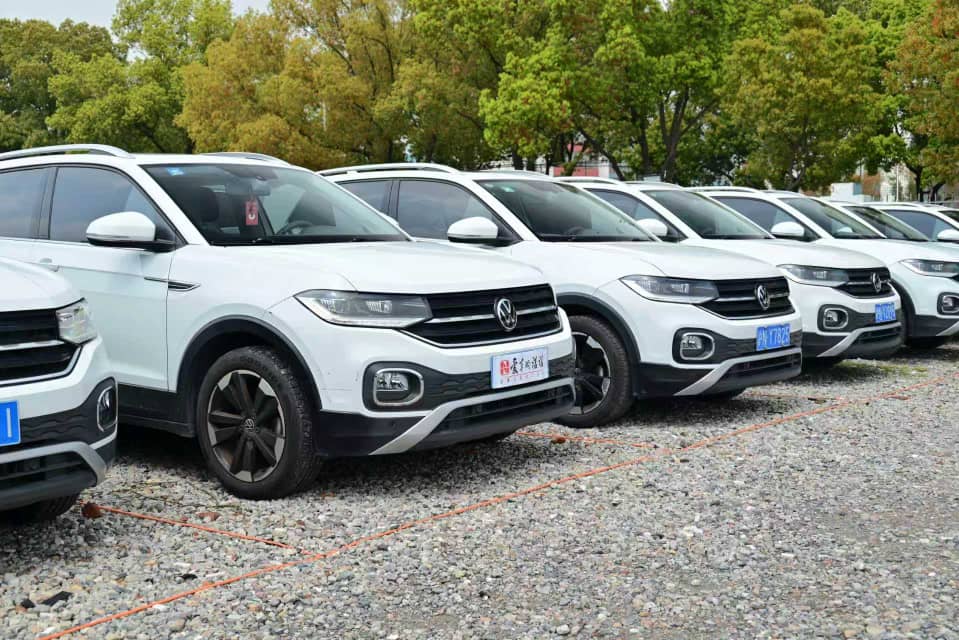
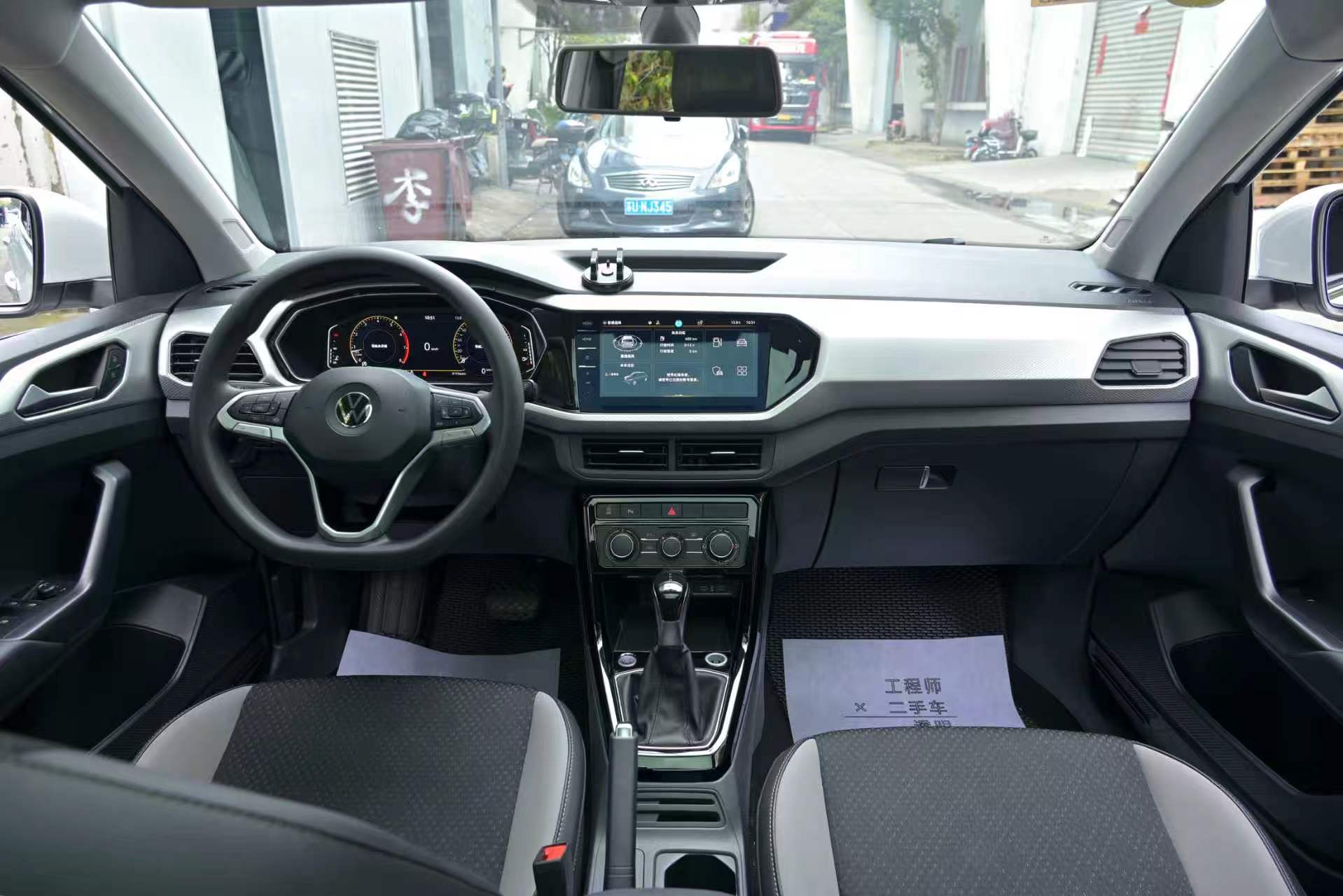
    The Tharu is a China-market-specific Volkswagen SUV that has become a strong export candidate for African dealers in 2026. Built on the MQB platform, well-equipped, and priced significantly below equivalent European-spec Tiguan models. Strong consumer recognition of the Volkswagen badge plus aggressive pricing makes for fast turnover.

    Sourcing watch: Verify that any Tharu being sourced has been spec’d for export (right-hand-drive markets in Kenya/Uganda or left-hand-drive markets across most of West Africa).

    3. Toyota RAV4

    The RAV4 needs no introduction. The fifth-generation model (2019-onward) is the volume sweet spot, and the hybrid variant carries a particular premium in 2026 as fuel costs push buyers toward efficient powertrains.

    Sourcing watch: Hybrid variants command 15–20% price premiums in resale markets and absolutely justify the higher source-side cost. Pre-2019 RAV4s are increasingly less attractive as the market has moved on.

    4. BMW X1

    The X1 is the entry-level X-series gateway and a consistent volume performer for African dealers. The third generation (2022-onward) is well-equipped and offers premium positioning at a price that’s accessible relative to the X3 or X5.

    Sourcing watch: sDrive (front-wheel-drive) and xDrive (all-wheel-drive) variants both sell, but xDrive commands a meaningful premium in markets with poor road conditions.

    5. BYD Song Plus DM-i

    The standout Chinese new-energy entry on the dealer list. The Song Plus DM-i (Dual-Mode intelligent) plug-in hybrid SUV has become one of the fastest-moving inventory items globally in 2026. Strong consumer interest in the BYD brand combined with genuinely competitive equipment at sub-Toyota pricing creates ideal volume conditions.

    Sourcing watch: Demand has outstripped supply at certain points in 2026. Dealers who establish reliable supply relationships through partners like Autoimport Africa get priority allocation.
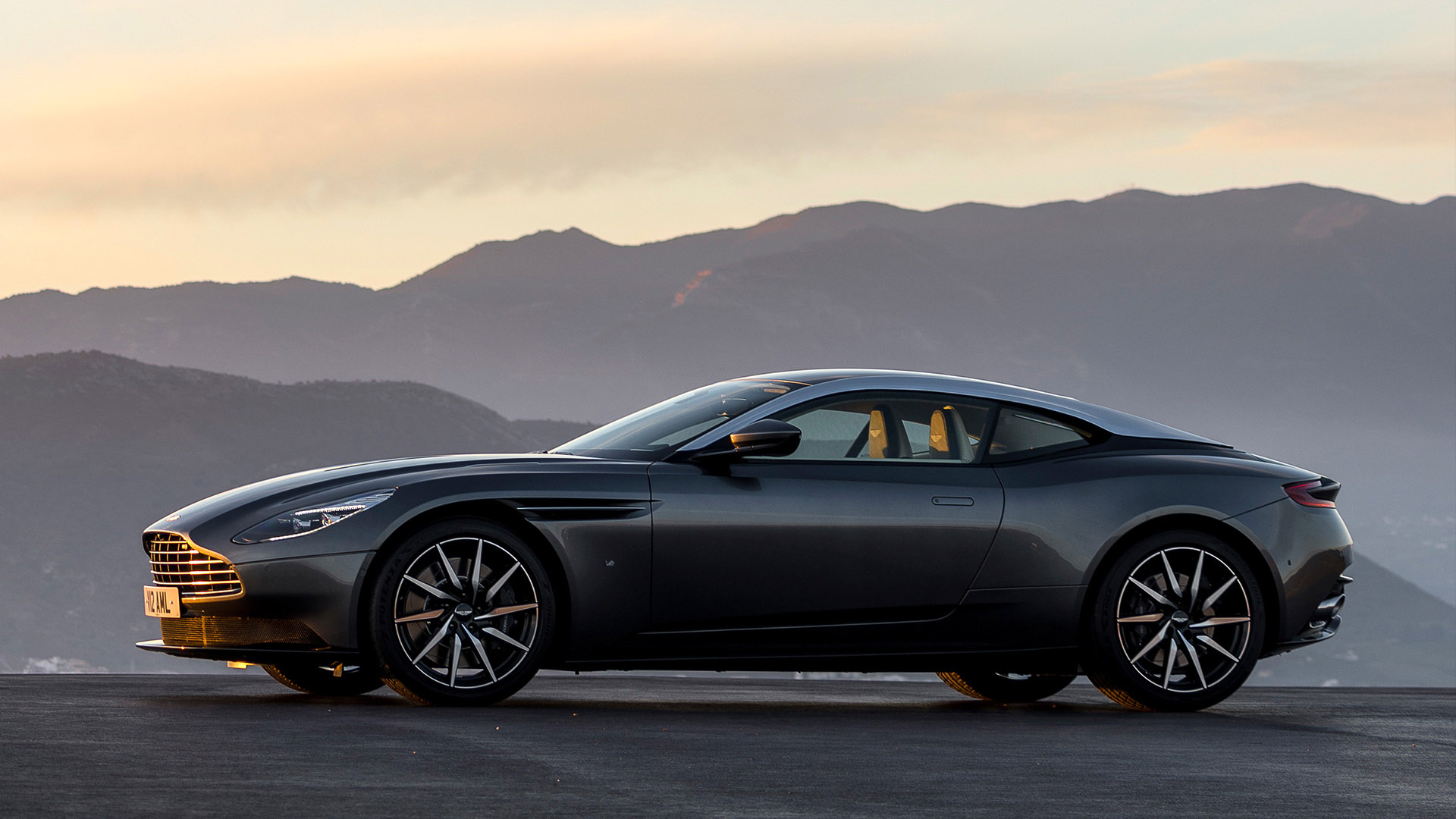
    Premium vehicle in showroom condition
    The dealer’s sourcing edge in 2026 is the combination of established models with the rising Chinese new-energy entries

    6. Honda CR-V

    The CR-V remains a reliable mid-volume performer. The fifth and sixth generations both move steadily, with the hybrid variant of the sixth generation commanding particular interest in 2026.

    Sourcing watch: The 2017–2019 1.5L turbo oil-dilution issue affected CR-Vs of those years. Verify model year carefully and price accordingly.

    7. Mercedes-Benz C-Class

    The C-Class is the entry into Mercedes prestige and continues to support strong dealer margins in 2026. The W205 generation (2014–2021) is the volume zone — well-priced at source and commanding meaningful premiums at retail.

    Sourcing watch: AMG-branded variants (C43, C63) carry significantly higher source-side costs but also significantly higher retail premiums. The maths usually works for dealers with appropriate buyer pipelines.

    8. Chery Tiggo 7 Pro

    The Tiggo 7 Pro has become Chery’s volume leader in African export markets. Mid-size SUV with premium-grade interior, well-equipped at competitive prices, and increasingly recognised by African consumers.

    Sourcing watch: The Tiggo 7 Pro Max (the higher-spec variant) commands meaningful premiums and sells faster than the standard Tiggo 7 Pro. Source the higher trim where possible.

    9. Geely Coolray

    The Coolray is Geely’s compact SUV and one of the strongest-performing Chinese SUVs in African dealer inventory in 2026. Stylish design, well-equipped interior, and competitive pricing combine for fast turnover.

    Sourcing watch: Available in multiple trim levels with significantly different equipment packages. The mid and high trims sell faster and at better margins than entry-level variants.

    10. Toyota Corolla (recent generations)

    The Corolla is the volume baseline of any African dealer’s inventory. Twelfth-generation models (2018-onward) move at near-constant velocity, with the hybrid variant commanding particular premiums in 2026.

    Sourcing watch: Cross Hybrid and Sedan Hybrid variants both move well. Pure petrol Corollas still sell but at lower margins than hybrid versions in 2026.

    Pattern Observations from the Top 10

    Several patterns emerge that should shape dealer sourcing decisions:

    Hybrid and PHEV demand has fundamentally shifted. Toyota RAV4 Hybrid, Toyota Corolla Hybrid, and BYD Song Plus DM-i all turn faster than equivalent pure-ICE inventory. Stocking decisions in 2026 should weight toward electrified powertrains where supply allows.

    Chinese brands are now mainstream sourcing priorities. BYD, Geely, and Chery occupy three positions in the top 10 — and their share of total inventory turnover continues to grow. Dealers who haven’t yet built reliable Chinese supply relationships are operating at a structural disadvantage.

    Premium German remains margin-dense. BMW X1, Mercedes C-Class, and Audi A3 all support healthy per-unit margins despite their pricing. The right buyer pipeline makes these consistently profitable.

    Volume vs margin trade-offs are real. Toyota RAV4 and Corolla deliver volume but moderate margin. Mercedes C-Class delivers margin but moderate volume. The optimal inventory mix combines both.

    Where Autoimport Africa Fits

    Autoimport Africa sources every model on this list directly from Chinese suppliers and through verified Chinese auction platforms, with end-to-end logistics into Nigeria, Ghana, Kenya, and other African markets. Our particular depth on Chinese inventory (BYD, Geely, Chery) gives African dealers reliable access to the fastest-growing segment of the global supply chain, while our broader network supports volume sourcing across Toyota, BMW, Mercedes, Audi, and other established brands.

    For dealers building 2026 inventory plans, working with Autoimport Africa removes the complexity of multi-channel sourcing and gives a single transparent view of landed cost across your full inventory mix.

    The Bottom Line

    The 2026 dealer’s top 10 — Audi A3, Volkswagen Tharu, Toyota RAV4, BMW X1, BYD Song Plus DM-i, Honda CR-V, Mercedes-Benz C-Class, Chery Tiggo 7 Pro, Geely Coolray, Toyota Corolla — combines established volume performers with the Chinese new-energy entries that have transformed the supply landscape. The dealers who source intentionally across this mix, through reliable partners, are the ones running profitable books in 2026.

    Talk to Autoimport Africa about scaling your inventory across all 10. We’ll quote landed cost on each, in your local currency, with the import already pre-arranged.

  • The Top 10 Used Car Brands in 2026: A Dealer’s Sourcing Ranking

    The Top 10 Used Car Brands in 2026: A Dealer’s Sourcing Ranking

    The 2026 used vehicle market reflects a moment of genuine transition. Established Japanese and European brands still dominate volume in many markets, but Chinese brands have quietly moved from challengers to legitimate market leaders — and the pace of that shift is accelerating.

    This is the dealer-focused brand ranking for 2026, drawing on global transaction patterns, regional inventory turnover, and the markets that drive volume for African importers. The list isn’t a celebration of nostalgic favourites — it’s an honest read of which brands are actually moving in the global supply chain right now.

    Premium European sports car
    The 2026 brand ranking reflects a global market in transition — Chinese brands now compete for volume leadership alongside established European and Japanese names

    1. Volkswagen

    Still the global volume leader by a meaningful margin. Volkswagen’s strength in 2026 is the depth of its used inventory across multiple price tiers — from the entry-level Polo to the premium Touareg — and the brand’s parts ecosystem in Europe, Africa, and the Middle East. For dealers needing reliable mid-market inventory, Volkswagen remains the safest default.

    2. Toyota

    The reliability premium continues to power Toyota volume. The Corolla, RAV4, Camry, and Hilux move through the global supply chain at near-constant velocity. Toyota’s hybrid options have re-entered the demand picture aggressively in 2026 as fuel prices and emissions concerns push buyers toward efficient powertrains.

    3. BYD

    The most significant story in the 2026 ranking is BYD’s rise to third position globally. The world’s largest EV manufacturer has expanded aggressively into hybrid and ICE segments, dominated multiple emerging markets, and built a reputation for build quality that genuinely competes with Toyota. The Song Plus, Atto 3, Dolphin, and Han are all in the top tier of fastest-moving inventory globally.

    4. BMW

    The premium segment leader for the global used market in 2026. BMW’s inventory turnover is concentrated in the 3 Series, X1, X3, and X5 — vehicles that combine premium positioning with enough volume to remain accessible. African dealers continue to find strong margins on BMW imports, particularly the X-series SUVs.

    5. Audi

    Audi’s used inventory volume has held steady through 2026 despite increased competition from Chinese premium entries. The A3, A4, Q3, and Q5 are the volume drivers. The brand’s diesel options are still highly sought after in markets that haven’t shifted to petrol or electric defaults.

    Premium German automotive brand emblem
    Chinese brands now occupy multiple positions in the global top 10 — a structural shift that’s reshaping the global used car supply chain

    6. Geely

    Geely’s position in the top six reflects both its standalone brand strength and its ownership of Volvo, Lotus, and Lynk & Co. The Coolray, Atlas Pro, and Boyue have driven serious volume in emerging markets. The Volvo connection has lifted Geely’s perceived quality, and rightfully — many platforms are shared.

    7. Mercedes-Benz

    Mercedes’ position has slipped slightly from previous years as Chinese premium options gain ground, but the brand still anchors the high end of the used market. The C-Class and E-Class remain volume leaders; GLC and GLE drive the SUV side. African dealers selling Mercedes consistently command strong margins.

    8. Jetour

    Jetour — a relatively newer Chinese brand under Chery’s umbrella — has surged in 2026 by focusing on well-equipped SUVs at aggressive prices. The X70, X90, and Dashing models have driven serious volume in emerging markets. For dealers looking for inventory that moves quickly at competitive prices, Jetour is increasingly appearing on shortlists.

    9. Honda

    Honda’s position has been pressured by Chinese competition and by Toyota’s aggressive hybrid push, but the brand still sells well on reliability reputation. The Civic, CR-V, and Accord remain core volume drivers. The 2017–2019 1.5L turbo oil-dilution issue has now been clearly resolved on later models, but used-car buyers should still verify model year carefully.

    10. Chery

    Closing out the top 10 with Chery, whose Tiggo SUV range has captured significant share in markets across Africa, the Middle East, Latin America, and Eastern Europe. The Tiggo 7 Pro and Tiggo 8 are exported in serious volume; pricing is aggressive; build quality has lifted to credible levels. For African dealers, Chery is now a default consideration rather than an experimental choice.

    What This Ranking Means for African Importers

    A few takeaways for dealers and importers in 2026:

    Chinese brands now occupy four of the top 10 positions. BYD, Geely, Jetour, and Chery have all moved from “interesting alternatives” to mainstream choices. Dealers who haven’t yet built supply relationships into Chinese inventory are operating at a structural disadvantage in 2026.

    The premium-to-mass-market gap is narrowing. Mercedes and BMW still command price premiums, but Chinese vehicles are increasingly delivering equivalent equipment and build quality at significantly lower prices. The buyer who previously stretched for an entry-level BMW now has BYD and Geely options that may serve them better.

    Hybrid and PHEV demand has pulled forward. Toyota’s hybrid range and BYD’s DM-i platform are both moving faster through the supply chain than equivalent pure-ICE inventory. Stocking decisions in 2026 should weight toward electrified powertrains where possible.

    Volume vs margin trade-offs differ by brand. Volkswagen and Toyota remain the safest volume plays. BYD and Geely now offer the best margins for dealers willing to source aggressively. BMW and Mercedes remain the highest absolute margin per unit. The right brand mix depends on your local market dynamics.

    How Autoimport Africa Sources Across All 10

    Autoimport Africa sources vehicles across every brand on this list, with particular depth on the Chinese entries (BYD, Geely, Jetour, Chery) where direct China sourcing offers structural cost advantages. We provide transparent landed-cost quotes for any model in any of these brands, run third-party inspections, and handle the full import process into Nigeria, Ghana, and other African markets.

    For dealers building 2026 inventory plans, the right brand mix is no longer just about Toyota and Volkswagen. It’s about strategically combining the established volume leaders with the rising Chinese brands that now offer the best per-unit economics.

    The Bottom Line

    The 2026 global used car brand ranking — Volkswagen, Toyota, BYD, BMW, Audi, Geely, Mercedes-Benz, Jetour, Honda, Chery — reflects a market that’s no longer dominated solely by traditional players. Chinese brands have moved from peripheral to central in just a few years, and the pace of that shift will continue.

    For African dealers building inventory plans, the question isn’t whether to engage with Chinese supply — it’s how aggressively to lean in. Talk to Autoimport Africa about sourcing across the full top 10.

  • The 6 Best Used Cars to Watch in Albania for 2026 (And What That Tells African Importers)

    The 6 Best Used Cars to Watch in Albania for 2026 (And What That Tells African Importers)

    Albania’s used car market in 2026 looks dramatically different than it did five years ago. The 10-year vehicle age rule continues to define what’s importable, the rise of Chinese new-energy vehicles has reshaped buyer expectations, and the country’s growing affluence has pushed demand toward better-equipped, more reliable models.

    For Albanian buyers — and for African importers who watch the Albanian market for inventory cues — six models consistently come up as the best blend of value, reliability, and import-rule compliance. Here’s what each one offers and why they belong on the shortlist.

    Premium European vehicle showcase
    The Albanian used car market increasingly mirrors the wider European trend toward newer, better-equipped, and more efficient vehicles

    1. Mercedes-Benz E-Class (W213)

    The W213 generation E-Class — produced from 2016 to 2023 — has emerged as one of the most desirable used vehicles in Albania for 2026. It comfortably falls within the 10-year import rule, offers the kind of premium ride quality Albanian buyers increasingly expect, and has held its value well enough that resale strength is real.

    What makes it work for Albania: solid diesel and petrol engine options, robust build quality on rough rural roads, and a well-developed parts and service network. The E220d in particular delivers excellent fuel economy across long-distance Albanian driving.

    2. Volkswagen Passat (B8)

    The Passat B8 (2014–2023) is one of the most rationally chosen used cars in 2026 Albania. It’s well within the age rule, mechanically straightforward, and supported by Volkswagen’s deep European service infrastructure.

    Strong points: reliable 2.0L TDI diesel, comfortable highway cruiser, well-equipped even in mid-range trims, and parts availability that’s never an issue. For families and business users putting on serious mileage, it’s hard to fault.

    3. BMW 3 Series (G20)

    For Albanian buyers who want premium driving dynamics without crossing into German luxury price territory, the G20 3 Series (2018-onward) is consistently strong. The 320d remains the sensible choice for fuel cost; the 330i for those who want petrol refinement.

    Why it works: stunning ride-handling balance, modern infotainment, and a brand image that still carries weight in Albania’s status-conscious car market. Watch for Adaptive Suspension and M Sport package options — they significantly affect resale.

    Classic premium European automobile
    Albanian buyer preferences in 2026 increasingly mirror premium European tastes — but at meaningfully lower price points than five years ago

    4. Toyota RAV4 (XA50)

    The fifth-generation RAV4 — and especially the hybrid variant — has become the default rational SUV choice in Albania. It comfortably fits the 10-year rule, offers Toyota’s reliability advantage, and the hybrid version’s fuel economy is genuinely class-leading.

    The hybrid AWD variant is the standout pick: solid all-weather capability for Albanian winters, real-world fuel economy in the 16–19 km/L range, and Toyota’s reputation for needing very little beyond routine maintenance.

    5. BYD Song Plus DM-i

    This is the Chinese new-energy entrant that has shifted Albanian buyer expectations the most. The Song Plus DM-i plug-in hybrid SUV combines very low fuel cost (60+ km of electric-only range plus efficient hybrid operation), modern technology (large infotainment, full ADAS suite), and pricing that significantly undercuts equivalent European or Japanese hybrid SUVs.

    For buyers who can charge at home, the DM-i platform delivers running costs that are genuinely transformative. For those who can’t, the petrol-hybrid mode still returns 18+ km/L in mixed driving. Imported new from China, it’s one of the fastest-growing models in Albanian dealer inventory.

    6. Hyundai Tucson (NX4)

    The fourth-generation Tucson, launched in 2020, has earned a strong place in the Albanian SUV market. Bold styling, premium interior quality at a sub-premium price, and a hybrid option that competes directly with the RAV4.

    The Hybrid AWD variant is particularly well-suited to Albanian conditions, offering the all-weather capability needed for winter driving in the north combined with strong fuel economy on long trips toward Tirana and the coast.

    The Common Thread Across All Six

    Look closely at the list above and the pattern is clear: every model on it is either a recent (post-2016) European premium vehicle, a recent Japanese hybrid, or a current-generation Chinese new-energy vehicle. The older diesel hatchbacks and basic petrol sedans that defined the Albanian market a decade ago aren’t on this list at all.

    That’s the structural shift in 2026: Albanian buyers — like buyers across the Balkans, Central Europe, and increasingly Africa — are demanding newer, better-equipped, more efficient vehicles. The 10-year rule has accelerated that shift by making older imports less economic.

    The Cross-Market Implication for African Importers

    For African dealers and importers reading this, the Albanian model list is more than just regional trivia. It’s a preview of where many African import markets are heading.

    The Chinese new-energy vehicles that are reshaping Albanian dealer inventory in 2026 are the same models gaining traction in Lagos, Accra, and Nairobi. The price advantages, fuel-cost advantages, and quality advantages that work in Albania work even more strongly in African markets, where local dealer pricing has historically been more inflated and where used-car histories are harder to verify.

    The dealers who position themselves now to source these models — particularly the BYD, Geely, and Chery range — through structured platforms with full inspection and clearing infrastructure are the ones who’ll capture the volume growth ahead.

    How Autoimport Africa Helps

    Autoimport Africa sources brand-new and lightly-used Chinese vehicles directly from verified Chinese suppliers and lands them in African markets with full third-party inspections, transparent landed-cost pricing, and end-to-end logistics. The same models driving the shift in Albania are available to import into Nigeria, Ghana, and other African markets through us — at competitive prices and with the import handling already taken care of.

    The Bottom Line

    Albania’s top-six used and near-new car list for 2026 — Mercedes E-Class, Volkswagen Passat, BMW 3 Series, Toyota RAV4, BYD Song Plus DM-i, and Hyundai Tucson — reflects a market that has matured rapidly. Quality, efficiency, and modern equipment now lead the buying decision in a way they didn’t five years ago.

    For African importers watching the trend, the takeaway is straightforward: the Chinese new-energy entries on this list aren’t a future development — they’re already the smart purchase in 2026. Talk to Autoimport Africa about quoting any of them landed in your market.

  • The 2026 Hyundai Palisade Buyer’s Brief: Specs, Pricing, and Why It Belongs on Your Import Shortlist

    <![CDATA[The full-size three-row SUV segment has produced very few vehicles that genuinely deliver on the promise of family-friendly luxury at a non-luxury price. The Hyundai Palisade is one of them. Since its debut in 2018, it has progressively pulled buyers away from more expensive German and Japanese rivals, and the 2026 lineup is the strongest case yet for adding it to your import shortlist.

    This guide walks through everything an African buyer needs to know before choosing a Palisade — current trims, real-world pricing, the history behind the badge, and the standout features that make this SUV punch well above its weight class.

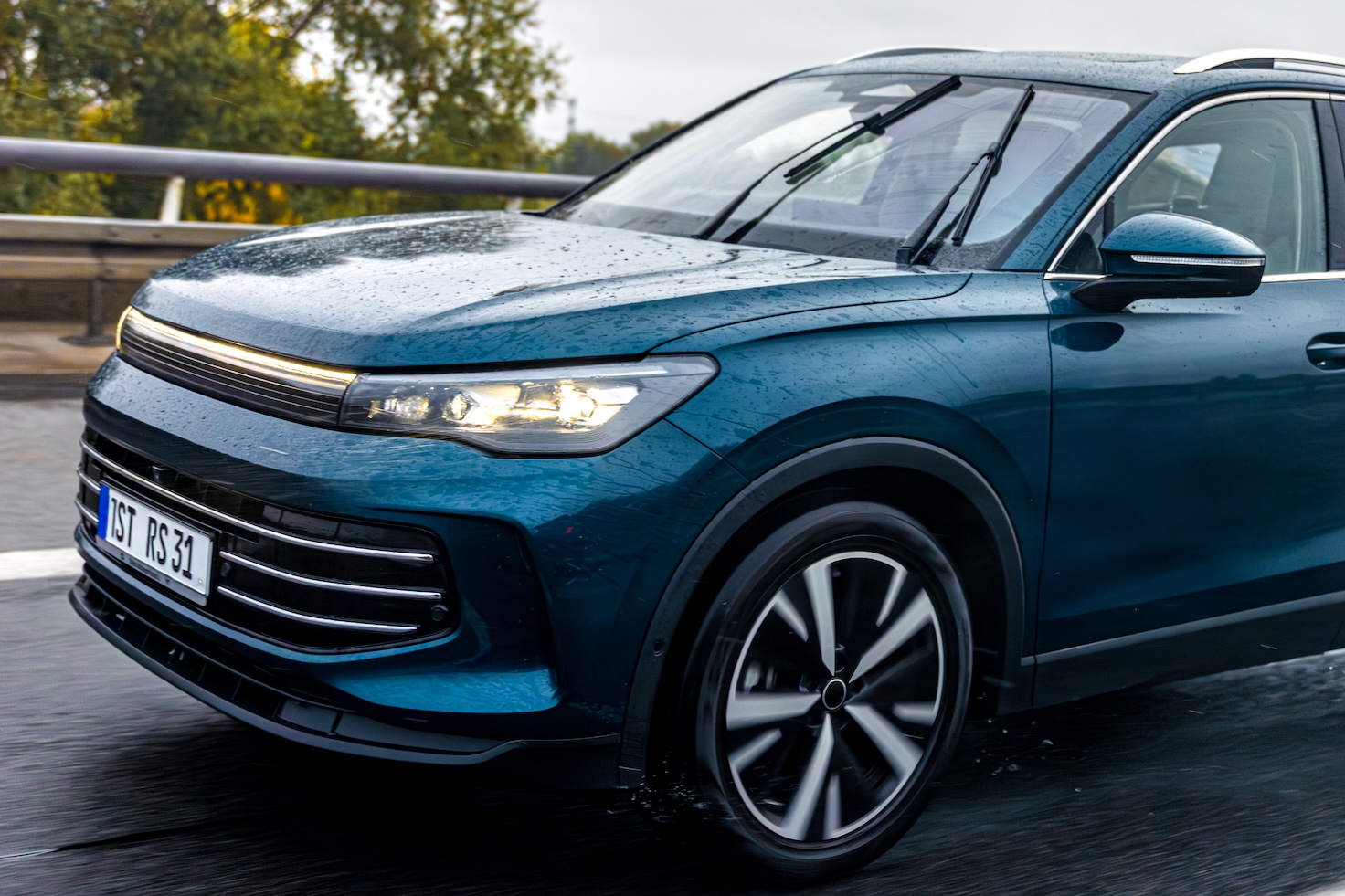
    Modern SUV with sleek styling on a wet road
    The 2026 Hyundai Palisade combines premium refinement with the kind of cabin space that makes long Lagos commutes genuinely comfortable

    A Quick History: How the Palisade Earned Its Reputation

    The Palisade was Hyundai’s deliberate move into the premium three-row SUV territory previously dominated by the Toyota Highlander, Honda Pilot, and the entry-level Mercedes-Benz GLS. It replaced the ageing Santa Fe XL and quickly stood out for one reason: it didn’t feel like a Hyundai. It felt like a vehicle that should have cost $15,000 more.

    In its first generation (2018–2022), the Palisade collected awards across markets — Best Three-Row SUV (multiple publications), Top Safety Pick+ from the IIHS, and consistent top-five finishes for residual value. The 2023 mid-cycle refresh added a more aggressive front fascia, upgraded interior tech, and a Calligraphy trim that genuinely rivalled the Lexus RX in fit and finish.

    The 2026 model carries that momentum forward with refreshed styling, expanded driver-assistance technology, and the introduction of a hybrid powertrain on select trims.

    The 2026 Lineup: Trims and What They Mean

    There are four trims worth knowing about for the 2026 model year:

    SE — The base trim. Despite that label, it’s well-equipped: 18-inch wheels, three-zone climate control, eight-passenger seating, Apple CarPlay/Android Auto, Hyundai SmartSense suite, and a 12.3-inch infotainment screen. For a family that wants a clean, modern SUV without paying for premium features they won’t use, this is a sensible starting point.

    SEL — The sweet-spot trim for most buyers. Adds heated front seats, a power liftgate, blind-spot monitoring, a wireless charging pad, and second-row captain’s chairs as an option. This is the trim that most African importers should target — it has all the daily-use features that matter, without paying for cosmetic upgrades.

    Limited — Steps into genuine luxury territory. Nappa leather, ventilated front and second-row seats, a 12-speaker Bose audio system, surround-view monitor, and the head-up display. This is where the Palisade starts trading punches with the Lexus TX and BMW X5.

    Calligraphy — The flagship. Quilted leather, microfibre suede headliner, 20-inch alloy wheels with a unique design, and exclusive paint options. If you want a vehicle that looks a class above what it costs to import, the Calligraphy is exactly that.

    African woman with tablet next to a modern SUV
    Buyers across Lagos, Abuja, and Accra are increasingly choosing the Palisade for its combination of presence and value

    Pricing: What You Should Actually Expect to Pay

    Local Nigerian and Ghanaian dealer prices for a new Palisade can climb to ₦65–₦95 million once you factor in the dealer markup, which is heavily inflated compared to factory pricing.

    When you import a brand-new Palisade through Autoimport Africa, the landed cost — including duty, VAT, freight, and clearing — typically falls between ₦38–₦55 million depending on trim and exchange rate at time of order. That’s a saving of ₦20–₦40 million per vehicle.

    For dealers running fleets, the maths becomes impossible to ignore. Every Palisade sourced through a transparent import process is one less unit of margin handed over to a multi-tier local distribution chain.

    Standout Features That Justify the Hype

    A few features have done more than anything else to lift the Palisade’s reputation:

    Cabin space and comfort. The third row in the Palisade is genuinely usable for adults — not the punishment box you find in many “three-row” SUVs. Combined with the second-row captain’s chairs option, this creates an interior that can carry seven adults across a long road trip without anyone complaining.

    Hyundai SmartSense. The full driver-assistance suite — adaptive cruise, lane-keeping, blind-spot collision avoidance, rear cross-traffic alert, and highway driving assist — is now standard or optional across all trims. For buyers used to assuming this technology is reserved for German luxury, it’s a meaningful shift.

    The 3.8L V6. Producing 291 hp, it’s smooth, well-paired with the eight-speed automatic, and reliable in a way that has made Hyundai engines a genuine match for Toyota over the past decade. The new hybrid option offers improved economy without sacrificing performance — useful for buyers thinking about long-term fuel costs in 2026 and beyond.

    Resale strength. The Palisade has held its value remarkably well in markets where it’s been imported in volume. That matters for African dealers reselling the vehicle and for individual buyers who may want to upgrade in three or four years.

    Should You Import a Palisade in 2026?

    If you’re in the market for a three-row SUV that offers premium-grade refinement without a German price tag, the answer is straightforward: yes. The Palisade has matured into a vehicle that competes on equipment and ride quality with SUVs costing 50% more.

    The decision that actually matters is how you import it. Buying through a local dealer means paying multiple layers of markup and accepting whatever stock they happen to have. Importing directly through Autoimport Africa means choosing the exact trim, colour, and configuration you want — and paying the price the vehicle is actually worth.

    The Bottom Line

    The 2026 Hyundai Palisade is one of the strongest value propositions in the full-size SUV market today. It looks and drives like a vehicle from a luxury brand, and when sourced as a brand-new direct import, it costs about what a second-hand version costs through traditional channels.

    Reach out to Autoimport Africa for a current quote on any Palisade trim. We handle vehicle selection, procurement, ocean freight, customs clearing, and home delivery — so the only decision you need to make is which trim fits your life.]]>

  • Autoimport Africa vs. Local Dealer vs. Used Car Market: Which Is the Smarter Buy?

    Autoimport Africa vs. Local Dealer vs. Used Car Market: Which Is the Smarter Buy?

    The decision to import a vehicle is rarely made in isolation. Most people thinking about importing through Autoimport Africa are also comparing it mentally against two other options: buying a locally available new car through an official dealer, or buying a used imported car from a local trader.

    Both alternatives exist in Nigeria, and both have their merits and serious drawbacks. This comparison lays them out honestly, so you can make the decision that’s right for your situation.

    Nigerian car market scene
    Three buying options exist for Nigerian car buyers in 2026 — but not all of them offer the same value or transparency

    Option 1: New Car Through Official Local Dealer

    Official dealers for major brands — Toyota, Honda, Nissan, Hyundai — offer new vehicles with local warranty support and established after-sales networks. This is the most premium local buying experience available.

    Advantages:

    • Local warranty servicing at authorised centres
    • No import logistics to manage
    • Immediate availability (if in stock)
    • Established brand presence and resale recognition

    Disadvantages:

    • Significantly higher prices: a new Toyota Corolla through an official Nigerian dealer costs ₦45–₦60 million+. The equivalent through Autoimport Africa from China would be a new, equally spec’d Chinese sedan at ₦25–₦35 million landed.
    • Limited technology: official dealers bring models that are 1–2 years behind the latest releases. You’re paying premium prices for yesterday’s technology.
    • Narrow model selection: dealers stock what they choose to import. You’re limited to their inventory.
    • Petrol-only: most official Nigerian dealers still offer predominantly ICE vehicles. NEV options are extremely limited.

    Verdict: Good option if you prioritise convenience, established local service network, and brand recognition — and are willing to pay a significant price premium for it.

    Japanese vehicle
    Japanese brands through official dealers offer reassurance — but at prices that are often ₦15–25 million higher than equivalent new Chinese vehicles

    Option 2: Used Imported Car from Local Trader

    This is the most common vehicle acquisition path in Nigeria — buying a used car from a dealer at Trade Fair, Berger, or similar markets, or from an individual seller.

    Advantages:

    • Immediate availability — drive it home today
    • Lower upfront cost (but see below for the full picture)
    • Wide variety of makes and models available

    Disadvantages:

    • Unknown history: most used cars sold locally have no verifiable accident, maintenance, or ownership history. You are trusting the seller entirely.
    • Hidden damage risk: structural accident damage, flood damage, and odometer fraud are widespread in the Nigerian used car market.
    • No warranty: buying used typically means zero remaining manufacturer warranty coverage.
    • Older technology: a 3–5 year old vehicle lacks the ADAS, connected features, and NEV efficiency available in new Chinese vehicles at similar or lower prices.

    Verdict: Accessible and immediate, but carries significant hidden risk. The price advantage over a new Chinese import is often smaller than it appears once you factor in potential repair costs, no warranty, and older technology.

    Option 3: New Chinese Vehicle Through Autoimport Africa

    Advantages:

    • New vehicle — no history, no hidden damage, no prior owner
    • Full manufacturer warranty from day one
    • Latest model year with the most advanced technology
    • NEV options (BEV, PHEV, EREV) available at every price point
    • Clean title by definition
    • Transparent, upfront pricing covering the full import cost
    • End-to-end logistics handled including optional clearing and home delivery
    • Significantly lower price than equivalent Japanese/Korean vehicles through official dealers

    Disadvantages:

    • 6–10 week lead time from order to delivery
    • Local after-sales network is still developing for many Chinese brands (though expanding rapidly)
    • Currency exposure over the import window (manageable with proper planning)

    Verdict: Best value per naira spent, with the highest transparency and lowest risk — at the cost of a waiting period and slightly less mature local service infrastructure.

    Happy buyer with new Autoimport Africa vehicle
    Autoimport Africa delivers more car, better warranty, and cleaner history — at a lower price than any local alternative

    The Bottom Line

    If you need a car tomorrow, the local used market or an in-stock dealer car is your only option. If you can plan 6–10 weeks ahead, Autoimport Africa delivers more car, more technology, more warranty, and cleaner history at a lower price than either alternative.

    For buyers who value what they get for their money — and who’ve been burned by hidden damage or surprise repair bills in the past — the choice is clear.

  • How Chinese Cars Became the World’s Most Advanced: A Quality Story African Buyers Need to Know

    How Chinese Cars Became the World’s Most Advanced: A Quality Story African Buyers Need to Know

    Five years ago, most Chinese car brands were unknown outside of China. Today, they are winning awards in Europe, selling in over 100 countries, and consistently outperforming Japanese and German rivals in technology benchmarks and customer satisfaction surveys. The transformation has been rapid, deliberate, and built on a foundation of genuine engineering progress.

    Modern Chinese vehicle
    Chinese vehicles in 2026 are the result of billions in R&D investment — and the quality shows in every detail

    The Investment Behind the Quality Shift

    Chinese automakers have invested on a scale that most Western brands simply couldn’t match during the same period. BYD alone spends more on R&D annually than Toyota. The entire Chinese NEV sector received tens of billions in government support through subsidies, infrastructure investment, and manufacturing incentives — creating a concentrated burst of innovation that compressed what would normally take 20–30 years of development into about 10.

    The result: Chinese brands didn’t just copy existing technology. They leapfrogged it. Instead of building better petrol engines, they built better batteries. Instead of improving traditional instrument clusters, they built 27-inch 5K displays with AI assistants. Instead of adding parking sensors, they built full 360-degree camera systems with automatic parking as standard.

    Battery Technology: Where China Leads the World

    Battery technology is arguably the most important component in any modern vehicle, and China’s CATL is the world’s largest and most advanced battery manufacturer. CATL’s batteries power vehicles from BYD, Avatr, IM Motors, Chery, and dozens of other brands.

    Key milestones:

    • BYD’s Blade Battery passed nail penetration safety tests that conventional lithium-ion batteries fail — making thermal runaway (fire risk) dramatically less likely
    • CATL’s Freevoy Super Max battery (used in the IM LS6) enables 1,502km combined range in an EREV
    • CATL’s latest cells achieve energy density of up to 300Wh/kg — setting global benchmarks
    • Chinese fast-charging technology now enables 200km of range to be added in under 10 minutes on some platforms
    Advanced EV charging technology
    China’s fast-charging technology is the world’s most advanced — adding 200km of range in minutes on compatible vehicles

    Software and Connectivity: A New Benchmark

    Chinese NEV brands have built their vehicles around software in a way that traditional automakers haven’t. OTA (over-the-air) updates allow Chinese EVs to improve after purchase — adding new features, fixing bugs, and enhancing driving assistance systems wirelessly, exactly like a smartphone.

    Xpeng pushes around 40 OTA updates per year to its vehicles. BYD vehicles receive regular updates that improve battery management, add features to the infotainment system, and refine ADAS behaviour. Traditional Japanese automakers typically issue 2–3 software updates per year, most of which require a dealer visit.

    This means a Chinese EV bought in 2026 will be functionally better in 2027 and 2028 — with no hardware change needed.

    Safety Ratings: Dispelling the Old Myth

    The perception that Chinese cars are unsafe is based on data that is years out of date. Current-generation Chinese exports are built to meet European NCAP standards — one of the strictest safety testing regimes in the world.

    The MG4 EV received a 5-star Euro NCAP rating. BYD’s export models meet European pedestrian safety and crash test requirements. Chery’s Tiggo range passes rigorous multi-market certification.

    What This Means When You Import Through Autoimport Africa

    African buyer confident with new car
    When you import through Autoimport Africa, you get cutting-edge Chinese vehicles at prices that make European and Japanese alternatives look overpriced

    When Autoimport Africa sources a vehicle for you from China, you are getting a vehicle from manufacturers who are actively competing — and winning — in Europe, the Middle East, and Australia. You’re getting:

    • Battery technology that is the global leader in energy density and safety
    • Software systems that continue to improve after you buy
    • Safety engineering rated to European standards
    • Build quality that has been independently validated in competitive international markets
    • All of this at a price point that makes equivalent Japanese or European vehicles look dramatically overpriced

    Chinese vehicles in 2026 are not a compromise. They are, for many buyers, the objectively better choice.

  • New Chinese Vehicle vs. Used Japanese Car: An Honest Comparison for African Buyers in 2026

    New Chinese Vehicle vs. Used Japanese Car: An Honest Comparison for African Buyers in 2026

    The question used to have a simple answer: buy Japanese. Toyota Camry, Honda Accord, Lexus RX — these names carried an implicit promise of reliability, longevity, and good resale value that no Chinese brand could match. That answer is becoming outdated fast.

    In 2026, Chinese vehicles have not only caught up with Japanese equivalents in quality, technology, and reliability — in key areas, they have overtaken them. And for African buyers, the price advantage makes the comparison even more compelling.

    Modern SUV on the road
    New Chinese SUVs in 2026 rival — and often surpass — Japanese counterparts on technology and value

    Price: The Gap Is Dramatic

    Let’s start with the most immediate difference.

    A new Toyota RAV4 (2025/2026 model) costs approximately $32,000–$38,000 at source. A new BYD Atto 3 (equivalent segment, similar size) starts at approximately $16,000–$19,000 from China. The new Chery Tiggo 8 Pro — a seven-seat SUV that competes with the Highlander — starts at around $18,000–$22,000.

    For the price of one Toyota RAV4, you could import two new Chinese SUVs with change to spare. That’s not a minor difference — it’s a structural price advantage that reflects China’s manufacturing efficiency, competitive domestic market, and government support for the auto export sector.

    Technology: Chinese Vehicles Are Ahead of the Curve

    This is where the comparison has shifted most dramatically. Chinese NEV brands are investing enormous resources in technology, and new Chinese vehicles come standard with features that are either optional extras or unavailable on Japanese models at the same price point:

    • Large infotainment screens: 12–27 inch touchscreens are standard on mid-range Chinese models. Most Japanese cars in the same bracket still offer 8–10 inch systems.
    • Over-the-air (OTA) updates: BYD, Xpeng, and Nio push software updates wirelessly — improving features post-purchase. No Japanese mass-market brand offers this.
    • Advanced ADAS: Lane-keeping, adaptive cruise, automatic emergency braking, and highway autopilot features are standard or cheap upgrades on Chinese EVs.
    • Electric powertrains: Every major Chinese brand has invested billions in BEV, PHEV, and EREV technology. Most Japanese brands are still transitioning.
    Japanese sports car
    Japanese brands still command strong brand recognition — but Chinese vehicles now offer more technology at significantly lower prices

    Build Quality: The Gap Has Closed

    Five years ago, “Chinese car quality” was a legitimate concern. Today it isn’t — at least not for major brands imported through Autoimport Africa.

    BYD’s Blade Battery passed nail penetration tests that no other battery chemistry has matched. Geely owns Volvo and has transferred Swedish engineering standards into its own vehicles. Chery’s export models undergo rigorous third-party quality certification. These brands are competing in Europe, where safety and quality standards are among the strictest in the world.

    Chinese brands also typically offer longer warranties than Japanese competitors:

    • BYD: 8-year/500,000km battery warranty; 6-year vehicle warranty on many models
    • BYD Atto 8 (South Africa): 5-year/100,000km vehicle warranty + 5-year maintenance plan

    Fuel and Running Costs: Chinese EVs Win Convincingly

    A Toyota Camry averaging 8L/100km costs approximately ₦8,000–₦10,000 per 100km at current petrol prices in Nigeria.

    A BYD Atto 3 charged from the grid costs a fraction of that per 100km. Even accounting for Nigeria’s inconsistent power supply, PHEV and EREV models — which run primarily on electricity in the city — slash fuel costs dramatically compared to any petrol vehicle.

    African buyer with new Chinese vehicle
    Autoimport Africa gives African buyers direct access to new Chinese vehicles — more technology, better warranty, lower running costs

    The Autoimport Africa Advantage

    When you buy a used Japanese car from a local dealer, you’re getting an older model with unknown history, unknown mileage accuracy, and a depreciated resale value. When you import a new Chinese vehicle through Autoimport Africa, you’re getting:

    • A brand-new vehicle with zero prior ownership history
    • Full manufacturer warranty intact
    • The latest model year with the latest technology
    • Clean title, by definition
    • Direct-from-China pricing without middleman markups

    The era of defaulting to Japanese because “quality” has passed. Chinese vehicles in 2026 earn their place on merit — and the price gap means they deserve to be the first comparison, not the last.

  • Chinese EV Brands Coming to Africa in 2026: The Complete Guide (BYD, Geely, Chery, Changan, Okla & More)

    Chinese EV Brands Coming to Africa in 2026: The Complete Guide (BYD, Geely, Chery, Changan, Okla & More)

    Africa is becoming one of the most contested frontiers for Chinese automakers. Locked out of European markets by tariffs, and facing a softening domestic market at home, China’s biggest automotive brands are accelerating their push into the continent — with aggressive pricing, local assembly plants, and tailored models designed for African roads and buyer preferences.

    African city roads and growth
    Africa’s rapidly urbanising cities represent one of the world’s fastest-growing vehicle markets

    Here is a comprehensive look at the Chinese EV and NEV brands making the biggest moves in Africa in 2026.

    1. BYD

    BYD is the most prominent Chinese EV brand in Africa, and it’s scaling fast. Currently selling seven models in South Africa — including the Atto 3, Seal, Dolphin, Sealion 7, Shark 6, Sealion 6, and the newly launched Atto 8 — BYD is expanding its dealer network to 30–35 South African locations by end-2026, while simultaneously building 300 fast-charging stations. South Africa is BYD’s African launchpad, with plans to replicate the model across Nigeria, Kenya, Ghana, and Egypt.

    EV charging infrastructure
    BYD’s charging infrastructure rollout is removing one of the biggest barriers to EV adoption in Africa

    2. Chery

    Chery is one of China’s top exporters globally and has strong distributor relationships across Africa. The brand already operates in South Africa, Nigeria, Egypt, and across the Maghreb region. The Chery Tiggo SUV range is among the most widely distributed Chinese vehicle lines on the continent. In 2026, Chery is expanding its NEV offerings across African markets, including the Fulwin X3 electric off-road SUV and the X3L EREV.

    3. Geely

    Geely has made a landmark commitment: a $200 million investment to build an automobile assembly plant in Algeria, with an initial production capacity of 50,000 vehicles annually and an expected launch in 2026. Beyond serving Algerian demand, the plant is designed as a regional export hub for North and West Africa, Latin America, and Central Asia. By manufacturing locally, Geely avoids high import duties — making its vehicles more affordable for African buyers.

    4. SAIC (MG Motor)

    MG Motor, owned by SAIC, has strong brand recognition across Africa thanks to its UK heritage. SAIC has also secured a deal to produce MG vehicles locally in Egypt, with the new-generation MG5 as the first locally assembled model and an initial plant capacity of 50,000 units annually. MG’s range of EVs and hybrids — particularly the MG4 EV and ZS EV — are competitively priced and well-suited to urban African markets.

    5. Changan (Deepal and Avatr)

    Changan has over 30 years of presence in the Middle East and Africa, giving it a distribution and after-sales advantage most newer brands lack. In 2026, the company is expanding its intelligent EV offerings through sub-brands Deepal and Avatr — both of which feature Huawei’s ADAS and HarmonyOS technology. A six-seat flagship SUV co-developed with Huawei is also planned for 2026 under the Avatr brand.

    6. Great Wall Motor (Haval)

    Great Wall Motor’s Haval brand is one of the most recognised Chinese SUV names across Africa, with a particularly strong presence in South Africa, Kenya, and Egypt. Haval’s H6 and Jolion models are popular choices for buyers wanting reliable, well-priced SUVs.

    7. Okla Global

    A newer entrant making a major commitment: Okla Global has appointed Treadway Investment Bank to lead its Africa expansion, with assembly plants specifically planned for Kenya, Nigeria, South Africa, Egypt, and Zimbabwe. Okla is positioning itself as an EV brand tailored to African conditions, with localized assembly intended to reduce costs and create jobs in target markets.

    8. BAIC

    BAIC, China’s sixth-largest automaker, is partnering with Egypt’s Alkan Auto to establish a local EV factory in Egypt — a 120,000-square-metre facility set to produce 20,000 EVs in its first year, scaling to 50,000 annually by year five and will employ 1,200 people.

    9. Zeekr (Geely’s Premium EV Brand)

    Zeekr has entered Egypt with the Zeekr 001 and Zeekr X, marking its first African market. As Geely’s flagship premium electric brand, Zeekr brings high-performance EVs at competitive price points.

    10. Nio

    Nio’s battery-swap technology makes it uniquely interesting for fleet operators and markets where charging time is a constraint. The brand is debuting the ES9 large electric SUV at the Beijing Auto Show 2026 and has been steadily expanding its global footprint.

    African buyer browsing vehicle options
    Autoimport Africa gives buyers across Africa direct access to all these brands, imported new from China with clean titles

    What This Means for African Buyers

    The arrival of this many competitive, well-funded Chinese brands in Africa is transforming the market. Prices are falling, quality is rising, and the model variety available to African buyers in 2026 is dramatically better than it was even two years ago. Whether you’re looking for a compact city EV, a tough PHEV pickup, or a premium intelligent SUV, a Chinese brand is building something specifically for your needs.

    Autoimport Africa gives you direct access to all of these brands — from factory floor in China to your driveway in Africa — with clean titles and full transparency.

  • Egypt’s Rising Auto Manufacturing Hub: What GAC, MG, Zeekr and BAIC Are Building — and Why It Matters for All of Africa

    When most Africans think about Chinese cars coming to their continent, they picture imports arriving at Lagos or Durban ports. But a quieter and more consequential story is unfolding in North Africa — specifically in Egypt — where a cluster of major Chinese automakers are not just selling vehicles, but building factories to manufacture them locally.

    Egypt is rapidly becoming Africa’s most important automotive manufacturing hub, and the implications reach far beyond its own borders.

    Why Egypt?

    Egypt offers a compelling combination of factors that no other African country currently matches for automotive manufacturing:

    • Large domestic market: Egypt has approximately 271,000 annual vehicle registrations, projected to reach 353,000 by 2028 — making it one of Africa’s largest automotive markets.
    • Strategic location: Sitting at the junction of Africa, the Middle East, and Europe, Egyptian-manufactured vehicles can be exported across multiple regions without prohibitive freight costs.
    • Government incentives: The Egyptian government has actively courted automotive investment with favourable regulatory frameworks and land allocations for manufacturing facilities.
    • Existing industrial base: Egypt already has a history of vehicle assembly, giving incoming manufacturers a trained workforce and supply chain infrastructure to build on.

    The Chinese Brands Building in Egypt

    MG Motor (SAIC) was among the first major Chinese brands to commit to local Egyptian production, with plans to manufacture the new-generation MG5 at a local plant with an initial annual capacity of 50,000 units. MG’s established brand recognition in the region makes it a natural anchor tenant for Egypt’s automotive industrial strategy.

    BAIC, China’s sixth-largest automaker, is building an EV factory in Egypt in partnership with Alkan Auto. The facility, planned on a 120,000 square-metre site, targets 20,000 EVs in its first year of production, scaling to 50,000 annually. The factory is also expected to employ 1,200 people, making it a significant jobs investment.

    GAC Motor has signed a deal for localised vehicle assembly in Egypt, with mass production expected in the second half of 2026. Like BAIC and MG, GAC is using Egypt as a regional manufacturing base for distribution across North Africa and beyond.

    Zeekr, Geely’s premium EV brand, has entered the Egyptian market with the Zeekr 001 and Zeekr X as import models. Egypt is its African entry point, and local production arrangements are expected to follow as volumes grow.

    Geely itself, through its Algeria assembly investment of $200 million, is extending the local manufacturing trend westward across North Africa. The Algeria facility has an initial capacity of 50,000 vehicles annually and is designed to supply other African nations, Latin America, and Central Asia.

    What Local Assembly Means for African Buyers

    When vehicles are assembled locally rather than imported fully built, the economics change significantly:

    Lower prices: Local assembly avoids import duties on fully built vehicles, reducing landed costs. In Nigeria, for example, fully built vehicle import duties run at 40% (down from 70%). A locally assembled vehicle sidesteps this entirely.

    Faster availability: Local production means shorter lead times. A vehicle built in Egypt or Algeria can reach Nigerian, Kenyan, or Ghanaian buyers faster than one shipped from a Chinese factory.

    Parts availability: Local assembly operations bring spare parts infrastructure with them, reducing the challenge of sourcing components for maintenance and repairs.

    Job creation: Local manufacturing generates skilled employment in assembly, logistics, and supply chain management — which in turn supports broader economic growth and regulatory goodwill for the brands involved.

    The Bigger Picture

    What is happening in Egypt in 2026 is the early stage of Africa developing a genuine automotive manufacturing identity — not just as a consumer of vehicles produced elsewhere, but as a production base in its own right. Chinese brands are the catalysts, bringing capital, technology, and global supply chains to partner with local governments and workers.

    For buyers anywhere on the continent, this trend means more choices, better prices, and improved after-sales infrastructure over the next 3–5 years. The investment being made in Egypt today is building the automotive ecosystem that will serve all of Africa tomorrow.

  • Beijing Auto Show 2026: The Biggest Chinese Car Debuts You’ll Soon See on African Roads

    Beijing Auto Show 2026: The Biggest Chinese Car Debuts You’ll Soon See on African Roads

    The world’s biggest automotive event just kicked off in Beijing — and if you’re planning to import a vehicle from China in the next 12 months, what’s being unveiled right now will directly shape what you can order.

    Auto China 2026, the Beijing International Auto Show, officially opened on April 24 and runs through May 3. This year’s edition is the largest auto show on the planet by scale, featuring 1,451 vehicles across a record 380,000 square metres spread across two venues. Among those vehicles are 181 global premieres — brand new models being shown to the world for the very first time.

    Modern Asian city architecture
    Auto China 2026 takes place across two venues spanning 380,000 square metres in Beijing

    For African buyers importing from China, this event is essentially a preview of your next vehicle options. Here are the biggest debuts you should be watching.

    BYD Atto 3 (Third Generation) — With Flash Charging

    One of the most relevant debuts for African markets is the third-generation BYD Atto 3, known as the Yuan Plus in China. The new model features a longer wheelbase (+50mm), a sleeker exterior with thin headlights and a closed front end, and — critically — BYD’s new flash charging technology. The Atto 3 is already the best-selling Chinese EV in South Africa and is widely regarded as one of the most practical import EVs for African roads. The flash charging upgrade means shorter charging stops, a huge benefit in markets with developing charging infrastructure.

    Electric car charging
    BYD’s new flash charging technology can add 200km of range in under 20 minutes

    New-Generation BYD Atto 8 (Tang L) — 7-Seat PHEV SUV

    Already launched in South Africa just days ago, the BYD Atto 8 is a seven-seater plug-in hybrid SUV powered by a 1.5-litre turbocharged petrol engine paired with electric motors. It’s BYD’s premium family offering and competes with Toyota Land Cruiser territory in terms of space and capability. With PHEV technology, it’s perfectly suited to Africa’s patchy charging infrastructure — you get electric efficiency when power is available, and petrol range when it’s not.

    Nio ES9 — Large Six-Seat Electric SUV

    Nio is debuting the ES9, a large six-seater electric SUV at Beijing. Nio’s battery-swap technology makes it uniquely interesting for fleet operators — instead of waiting to charge, drivers swap the depleted battery for a full one in minutes. As Nio expands its global footprint, models like the ES9 could become increasingly accessible to African importers.

    Xpeng GX — Premium Electric SUV

    Xpeng, which recently deepened its partnership with Volkswagen Group, is launching the GX — a premium electric SUV aimed at the high end of the market. Xpeng’s ADAS technology is among the most advanced in the industry, and with VW’s backing, the brand is scaling rapidly for global export.

    AITO M9 (Updated) — Huawei-Powered Luxury Flagship

    The updated AITO M9 is making its debut at Beijing with the world’s first 6-LiDAR sensor system and Huawei’s full-stack intelligent driving technology. Positioned in the 500,000 yuan luxury bracket, the M9 is already expanding into the Middle East and is being watched closely for broader emerging market rollout. The AITO brand, backed by Huawei and Changan, represents the leading edge of what Chinese intelligent vehicles are capable of.

    Chinese SUV on display
    Premium Chinese SUVs are increasingly available for direct import to Africa through Autoimport Africa

    Leapmotor D19, Zeekr 9X, Lynk & Co 900, IM LS9

    A wave of six-seat large SUVs is also debuting at Beijing, reflecting China’s strongest growth segment. The Leapmotor D19 is expected to be aggressively priced — Leapmotor is known for offering strong value. The Zeekr 9X, Lynk & Co 900, and IM LS9 round out a class of spacious, tech-packed family SUVs that are set to hit export markets over the coming year.

    Volkswagen Group’s EV Offensive — AUDI E7X and More

    Volkswagen Group is making its biggest-ever electric mobility push at the Beijing show, unveiling over 20 new electrified vehicles planned for 2026. Highlights include the AUDI E7X world premiere and the AUDI E6L e-tron. VW’s expanding CEA architecture partnership with Xpeng will mean many of these models carry cutting-edge ADAS and OTA software update capability.

    What This Means for Autoimport Africa Customers

    The vehicles debuting at Beijing 2026 are the cars that will be available for import within 6 to 18 months. Many will reach Chinese showrooms by mid-to-late 2026, making them available through Autoimport Africa’s platform shortly after.

    Key takeaways for buyers:

    • The new Atto 3 with flash charging is a strong upgrade over the current model — worth waiting for if you’re in the EV market
    • Six-seat SUVs are dominating — if you need family space, the options are expanding dramatically
    • PHEV and EREV technology is maturing fast — ideal for African buyers who want electric efficiency without range anxiety
    • Prices remain competitive — China’s domestic price war is keeping new model costs lower than ever

    Stay tuned to the Autoimport Africa blog for updates as these models move from Beijing showrooms to export availability.