Tag: Import Guide

  • SUV vs Sedan in Lagos: Which One Actually Makes More Sense in 2026?

    <![CDATA[Lagos traffic punishes the wrong vehicle choice more cruelly than almost any other driving environment in West Africa. Two hours in standstill on Third Mainland Bridge will tell you everything about whether your car was the right pick — fuel economy, ground clearance, AC performance, seating position, and your own physical comfort all get tested at the same time.

    The most-asked question by Lagos buyers in 2026 remains the same one it's been for a decade: SUV or sedan? The honest answer depends on which version of Lagos you actually drive in.

    Aerial view of dense urban traffic
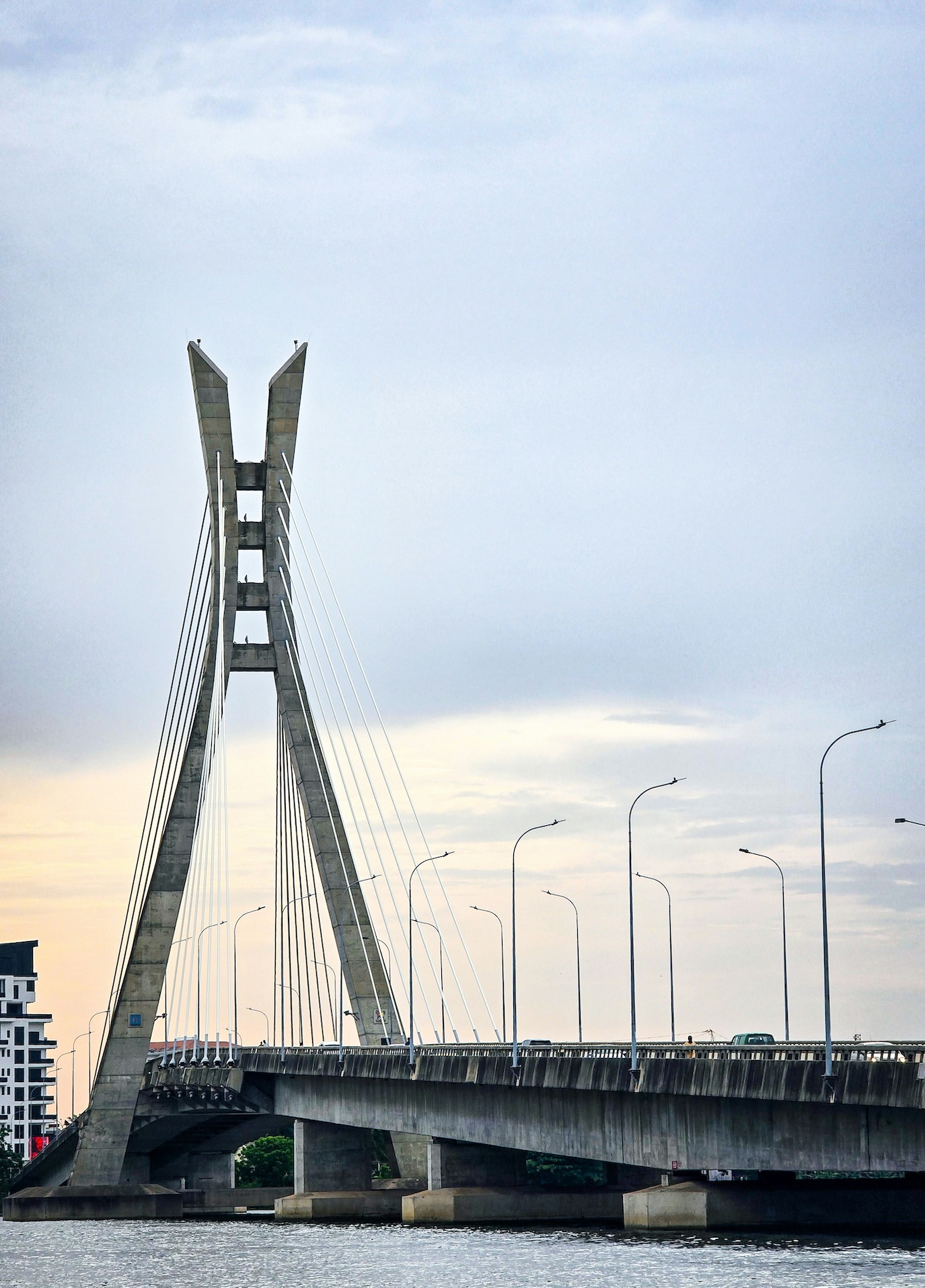
    The Lagos commute mixes flooded roads, potholed neighbourhoods, and bumper-to-bumper crawl — different vehicles handle each of those differently

    Fuel Consumption: Where the Maths Has Shifted

    The traditional argument was simple: sedans use less fuel, full stop. In 2026, that’s not as clean a comparison as it used to be.

    Petrol sedans (1.5L–2.0L) still typically deliver 8–12 km/L in urban Lagos conditions. A 2.0L Camry or Accord will lean toward the higher end of that band; a 1.5L Corolla or Sentra at the lower end of fuel cost.

    Petrol SUVs (2.0L–2.5L) typically return 6–9 km/L in the same conditions — meaningfully more thirsty, especially in stop-and-go traffic.

    Hybrid and PHEV options have changed the picture entirely. A new Chinese hybrid SUV (BYD Song Plus DM-i, for example) can return 14–18 km/L in mixed Lagos driving, which often beats even the most economical petrol sedan.

    Pure EVs remove fuel cost from the equation altogether, replaced with electricity cost — meaningfully cheaper per kilometre even when charging from a generator-supported home setup.

    The takeaway: if fuel cost is your top concern, the choice in 2026 is less “SUV vs sedan” and more “petrol vs hybrid vs EV”.

    Ground Clearance: Where the SUV Wins Cleanly

    This is where the SUV stops being a lifestyle choice and starts being a practical one.

    A typical sedan has 130–150 mm of ground clearance. A typical SUV has 180–220 mm. That gap matters every time it rains in Lagos.

    If your daily route includes any of:

    • Lekki Phase 1 internal roads after rainfall
    • Some Ajegunle-area streets year-round
    • Estate access roads in newer developments where drainage is incomplete
    • The shorter cuts through Yaba and Surulere during the rainy season

    — then ground clearance isn’t optional. A flooded road that’s a non-event for a Toyota RAV4 will swallow a Toyota Camry’s exhaust, soak the carpets, and potentially hydrolock the engine. The repair bill from a single bad rainy-season drive can match the price difference between an SUV and a sedan.

    Maintenance Cost: Where the Sedan Has the Edge

    Sedans win this category, but by a narrower margin than most buyers expect.

    Tyres: Sedan tyres are typically ₦35,000–₦65,000 each. SUV tyres are typically ₦55,000–₦120,000. Across four tyres replaced every two to three years, that’s a real difference — but not enormous.

    Brake pads and discs: Roughly 20–30% more expensive on SUVs. Manageable.

    Suspension components: Here the gap widens. SUV suspensions take more stress, and bushings, links, and shocks need replacement more frequently — particularly if you’re driving on Lagos’s poorer-quality roads.

    Fuel: The biggest ongoing cost difference. Discussed above.

    For a buyer doing 30,000 km a year, the total maintenance plus fuel cost on a typical petrol SUV runs about 25–35% higher than the equivalent sedan. Real money — but not life-changing money.
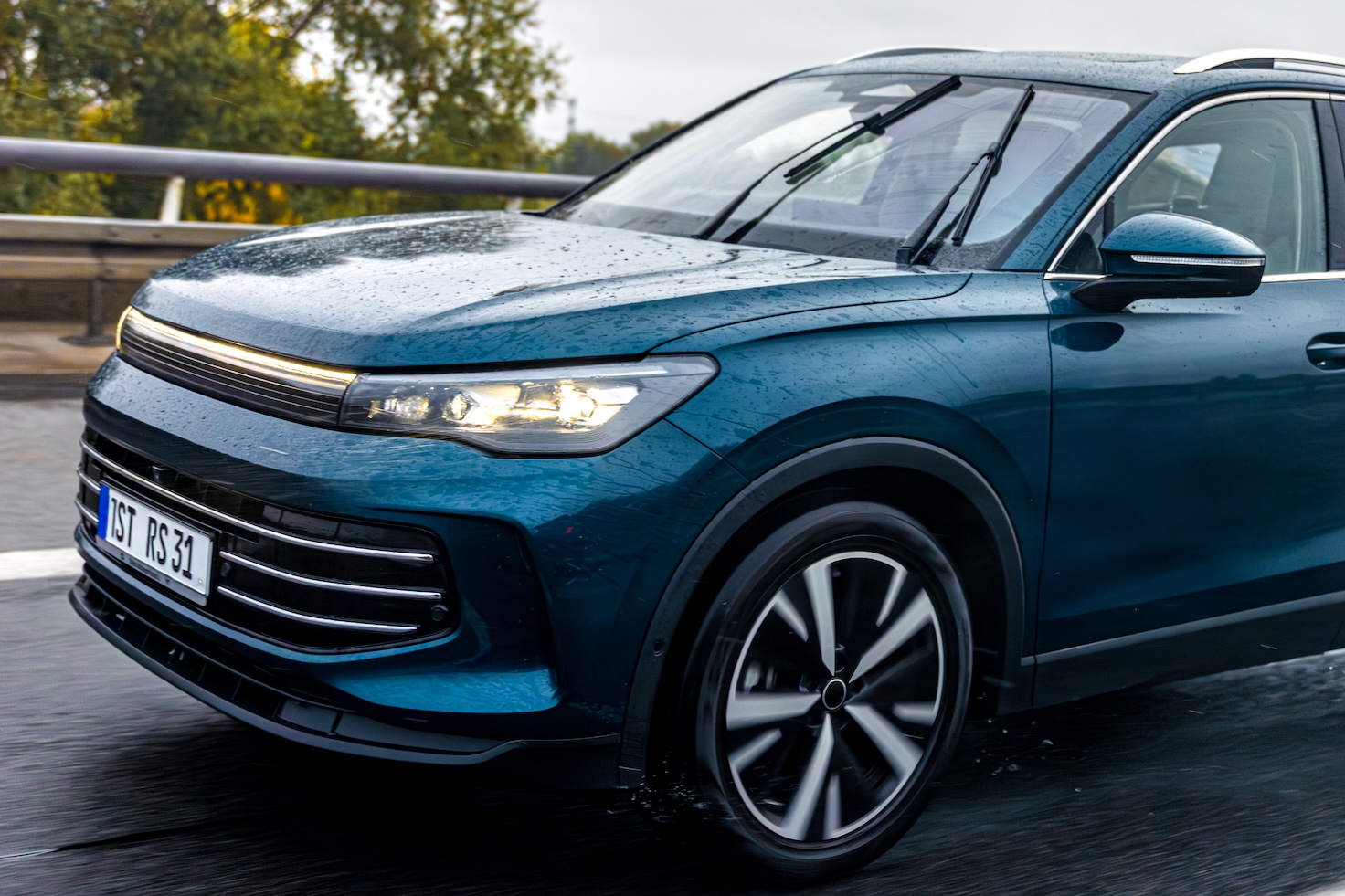
    A modern SUV navigating a wet road
    An SUV’s ground clearance and ride height pay for themselves the first time you drive through a flooded section that would have killed a sedan

    Comfort and Status

    Sedans typically ride better on smooth roads — lower centre of gravity, better aerodynamics, less wind noise. SUVs typically ride better on broken roads — more suspension travel, larger tyres absorbing shock, higher seating position.

    In Lagos, where roads vary from highway-quality to outright potholed within a single commute, the SUV’s rougher-road advantage usually outweighs the sedan’s smooth-road advantage. Most owners who switch from sedan to SUV report significantly less back fatigue at the end of a long day.

    On status: the perception of SUVs as the “serious” vehicle for professionals and family heads is stronger in Lagos than in many comparable cities. For business owners and senior professionals, an SUV signals stability in a way that influences how clients, suppliers, and even traffic enforcement engage with you. That’s not pure vanity — it’s a real factor in some commercial environments.

    So Which One Should You Actually Buy?

    Some honest decision rules for 2026 Lagos buyers:

    Choose a sedan if:

    • Your daily route is entirely on well-paved roads (Victoria Island internal, Ikoyi internal, parts of Lekki Phase 1 main)
    • You don’t drive in heavy rain often
    • Fuel cost is your single biggest concern and you can’t go hybrid/EV
    • You park in tight residential garages where SUV dimensions are awkward

    Choose an SUV if:

    • Your route includes any flood-prone roads
    • You drive long distances on mixed-quality roads
    • You carry passengers regularly and want better entry/exit
    • You can afford slightly higher running costs for meaningfully better practicality

    Strongly consider a hybrid SUV if:

    • You want SUV practicality without sedan-level fuel costs
    • You drive 40+ km a day in Lagos traffic
    • You’re willing to consider Chinese new-energy options (BYD, Geely, Chery) that have transformed this category

    The Import Angle Most Buyers Miss

    In 2026, the most rational SUV-or-sedan decision for many Lagos buyers is to skip the local used market entirely and import a new vehicle directly from China through Autoimport Africa.

    Why? Because the price gap between a brand-new imported Chinese SUV and a used local Toyota or Honda has narrowed dramatically. A new BYD Song Plus DM-i hybrid SUV imported through Autoimport Africa lands at roughly the same total cost as a four-year-old used Toyota RAV4 from a Lagos dealer — but offers full manufacturer warranty, zero accident history, dramatically better fuel economy, and modern safety technology.

    The same logic applies to sedans. A new BYD or Chery sedan imported direct lands at competitive cost against a comparably-aged used local sedan, with the obvious quality advantages of a new vehicle.

    The Bottom Line

    The SUV-vs-sedan question for Lagos in 2026 is less binary than it used to be. The hybrid and EV options coming out of China have changed the fuel-economy maths. The price advantage of direct import has changed the new-vs-used maths. And the climate-and-roads reality of Lagos hasn’t changed at all — flood-prone routes still favour SUVs, smoother routes still favour sedans.

    If you’d like a quote on either body type, brand-new and imported direct from China, talk to Autoimport Africa. We’ll match you with the vehicle that fits your route, your budget, and your daily reality — not just whatever happens to be on a Lagos forecourt this week.]]>


  • 5 Costly Mistakes First-Time Car Buyers in Ghana Keep Making (And How to Skip All of Them)

    <![CDATA[Buying your first car in Accra, Kumasi, or anywhere else in Ghana is one of the most expensive mistakes-or-wins of a young adult's financial life. Get it right and you've got reliable transport, a maintained asset, and the foundation for serious mobility. Get it wrong and you spend the next three years pouring money into a vehicle that should have been someone else's problem.

    The patterns are predictable. Almost every first-time buyer in Ghana makes a version of the same five mistakes — and almost every one of those mistakes can be avoided with a little upfront discipline.

    A first-time car buyer in West Africa
    The first car you buy sets the financial pattern for the next decade — getting it right matters more than most people realise

    Mistake #1: Falling in Love with the Look Before Checking the Numbers

    You see a clean Honda Accord on a dealer’s lot in Tema. The body’s straight, the paint shines, the price is “negotiable”. Three weeks later, you’ve signed and paid — and discovered that the AC compressor is dying, the gearbox needs work, and the fuel consumption is double what you budgeted for.

    The fix: price the total cost of ownership, not the sticker price. A reasonable first-car budget should account for the purchase price plus at least 15–25% over the first year for maintenance, repairs, and parts. If a vehicle is at the top of your purchase budget, you don’t actually have a budget for ownership.

    Mistake #2: Skipping the Independent Mechanic Inspection

    This is the most common and most damaging mistake on the list. The dealer’s mechanic is not your mechanic. The seller’s “trusted technician” is not your technician. Any vehicle you’re considering needs a pre-purchase inspection from someone whose only loyalty is to your wallet.

    A proper Ghana pre-purchase inspection for ₵400–₵800 will catch:

    • Frame and chassis damage hidden by paint
    • Flood-damage indicators (mud in unusual places, electrical corrosion, musty smells)
    • Engine compression problems
    • Transmission issues developing under the surface
    • Odometer rollback (verifiable through service records and wear patterns)

    If the seller refuses to allow an independent inspection, walk. That refusal is itself the answer to whatever question you were going to ask the inspector.

    Mistake #3: Trusting Local Used Cars Without Verifying History

    The Ghanaian used car market is full of vehicles with stories. Imported as accident-damaged from the US or Europe, repaired in coastal yards, and resold inland with the previous history quietly forgotten. Some of these repairs are honest and well done. Many are not.

    The reliable way to verify a used vehicle’s history depends on its origin:

    • US-imported: Pay for a Carfax or AutoCheck report using the VIN. Worth every cedi.
    • Europe-imported: Check the VIN against UK or German vehicle records. Service stamps in the maintenance book matter.
    • Japan-imported: Auction sheets are available for most Japanese auction vehicles and reveal the original condition grade.

    If a seller can’t or won’t provide history documentation, treat the vehicle as if it has the worst plausible history. Most of the time, you’ll be right.

    Buyer inspecting a vehicle
    The five minutes you spend on a vehicle inspection are worth more than the five hours you spend negotiating price

    Mistake #4: Comparing Home-Used vs Imported Without Doing the Maths

    “Home-used” vehicles in Ghana have a reputation for being less abused than imports. Sometimes that’s true. Often it’s not. The decision shouldn’t be based on the label — it should be based on the condition of the specific vehicle in front of you.

    What actually matters:

    How was the vehicle maintained? A home-used vehicle with a service-book history beats an import every time. An import with documented service history beats a home-used vehicle without records every time.

    What’s the resale market for that exact model? Some imports hold value better than home-used equivalents because parts are easier to source and buyers trust the original equipment. Others depreciate faster because they’re rarer and harder to service locally.

    What’s the parts ecosystem? A Toyota Corolla — home-used or imported — has parts available in every major Ghanaian city. A specific European hatchback you’ve never heard of may not. Match your purchase to your local parts reality.

    Mistake #5: Ignoring Total Import Cost When Considering Direct Imports

    For many first-time buyers, importing a brand-new or near-new vehicle directly from China through a platform like Autoimport Africa works out to less per cedi than buying a used local vehicle of comparable quality. But many buyers never run the numbers because they assume direct import is “for businesses” or “too complicated”.

    The reality in 2026:

    • A new BYD Dolphin sedan or SUV imported through Autoimport Africa typically lands in Accra at a competitive price compared to a 4–6 year-old used Toyota or Hyundai of similar size
    • The brand-new vehicle has zero accident history, zero hidden damage, and a full manufacturer warranty
    • The financing options for direct imports have improved significantly — many buyers structure imports against savings plus a short-term loan

    The numbers won’t work for every buyer. But running them at least once before defaulting to a used local purchase is the discipline that separates buyers who finish ahead from buyers who don’t.

    The Smart Way to Avoid All Five Mistakes

    The pattern across all five mistakes is the same: under-investing in research and verification before committing money. The fix is the same too: spend more time and a little more money upfront, save a lot of both later.

    For first-time buyers in Ghana who want to skip the local-used-car gamble entirely, Autoimport Africa offers a clean alternative. Brand-new vehicles imported directly from China, with verified specifications, transparent landed-cost pricing in cedis, and full handling from order to delivery in Accra. No accident histories to verify because the vehicles have no histories. No mechanic-inspection roulette because the vehicles are new.

    The Bottom Line

    The first car you buy in Ghana doesn’t have to be the financial mistake that everyone warns you about. The buyers who get it right are the ones who treat the purchase like a project: budget properly, inspect rigorously, verify history, compare options on the maths rather than the label, and consider direct import as a serious alternative rather than dismissing it.

    Talk to Autoimport Africa if you’d like to skip the gamble entirely. We’ll quote a brand-new vehicle landed in Accra against any used vehicle you’re considering, and let the numbers speak.]]>

  • Sealed-Bid vs Live Auctions: Which Format Actually Protects Your Budget?

    <![CDATA[Every car auction format ultimately rewards a different kind of buyer. Live, open auctions favour fast thinkers with steady nerves and deep pockets. Sealed-bid auctions favour disciplined buyers who do their homework and know exactly what a vehicle is worth to them.

    Knowing the difference between the two — and choosing the right one for your situation — can move thousands of dollars between your margin and someone else's. This guide breaks down both formats from a budget-first perspective and explains which one tends to deliver better outcomes for African dealers and individual importers in 2026.

    Modern electric vehicle being charged
    Whether the vehicle on the block is a petrol Toyota or a new-energy BYD, the auction format you choose changes what you’ll pay for it

    How Live (Open) Auctions Work

    In a live auction, all bids are visible. Buyers see what others are willing to pay and can react in real time. The pace is fast, the energy is high, and the closing price is the result of an open contest between everyone who wants the vehicle.

    Where live auctions win:

    • You learn the market quickly because every bid is visible
    • It’s transparent — there’s no question about what the winning offer was
    • Vehicles that nobody wants can sell for genuinely cheap because the bidding stalls quickly

    Where they hurt your budget:

    • Emotion takes over. Buyers see another bid and react rather than think
    • “Bidding wars” inflate prices on popular models well beyond their fair value
    • Once you’ve placed three or four bids, walking away psychologically feels like losing — even when it would save you money

    If you’ve ever watched a live auction and noticed yourself thinking “just one more bid, then I’m done” — that’s the format working against you.

    How Sealed-Bid Auctions Work

    In a sealed-bid auction, every buyer submits one bid privately. Nobody sees what others bid. The highest offer at the close wins. There’s no back-and-forth, no live drama, and no opportunity to “react” to other buyers.

    Where sealed-bid auctions win:

    • You bid what the vehicle is worth to you rather than what others are willing to pay
    • Discipline is rewarded — buyers who price calmly tend to outperform buyers who chase
    • It removes the emotional escalation that drives prices up in live auctions
    • Less experienced buyers compete on equal footing with veteran auction-floor regulars

    Where they get tricky:

    • You only have one shot, so under-bidding loses the vehicle entirely
    • You don’t get the real-time market signal that live bidding provides
    • Some buyers feel less satisfied — there’s no “won the room” moment
    Buyer reviewing vehicle details on a tablet
    Sealed-bid auctions reward research and discipline — qualities that align well with the way smart African importers buy

    Which Format Is Better for Your Budget?

    For most African importers and dealers, the honest answer is: sealed-bid auctions tend to produce better budget outcomes. Three reasons:

    1. They protect you from your own emotions. Most buyers overpay at live auctions not because the vehicle is mispriced, but because the format itself triggers competitive instincts. Sealed-bid auctions structurally remove that risk.

    2. They reward research. If you’ve done the work — checked recent comparable sales, calculated landed cost, factored in your target margin — sealed-bid bidding lets that work pay off. Live auctions can punish disciplined buyers because they’re outbid by buyers acting on impulse.

    3. They’re easier to budget around. You decide your number, submit it, and move on. There’s no mental gymnastics about whether to add “just a bit more”. Either you win at your price or you don’t.

    For experienced auction veterans with strong market knowledge and tight discipline, live auctions can still be the better choice — they offer faster feedback and the chance to capitalise on lulls. But for everyone else, sealed-bid is the safer route to consistent margin.

    How to Bid Smartly in Either Format

    Whichever format you choose, the same principles apply:

    Calculate landed cost first. Hammer price plus buyer’s premium, plus shipping, plus customs duty, plus clearing, plus your target margin. The number you’ll bid is whatever fits inside that ceiling.

    Pull comparable sales. Look at three to five recent auction results for the same model, year, and trim. That gives you a fair-value anchor.

    Know your buyer. If you’re reselling in Lagos, the local market value of a ₦15M sedan is your ceiling. If you’re keeping the vehicle yourself, your ceiling is whatever the equivalent local-dealer price is, minus the savings you want to capture.

    Walk away cleanly when needed. The best auction discipline isn’t winning more bids. It’s losing the right ones.

    Where Autoimport Africa Fits

    The auctions that produce the best deals for African importers in 2026 are concentrated in China — where supply is huge, inspection standards are robust, and prices are structurally lower than in Japan or Europe. But accessing those auctions directly requires Chinese-language platform navigation, local payment infrastructure, vehicle export licences, and ocean shipping arrangements.

    Autoimport Africa handles all of that. We participate in both sealed-bid and live Chinese auctions on behalf of our buyers, run third-party inspections on every vehicle, and quote a transparent landed cost in your local currency before you commit. Whether you prefer the discipline of sealed-bid or the speed of live bidding, you can play whichever format suits your style — without doing the operational work yourself.

    The Bottom Line

    Sealed-bid and live auctions are tools, not philosophies. The right tool depends on your experience level, the vehicle in question, and how disciplined you can stay under pressure. For most buyers — and especially those scaling their import volume in 2026 — sealed-bid is the format that aligns most cleanly with budget control and consistent margin.

    If you’d like to put that into practice with verified Chinese inventory, transparent inspection reports, and end-to-end import handling, talk to Autoimport Africa. We’ll help you bid smart in whichever format fits.]]>

  • How to Win at Used Car Auctions in 2026: A Practical Guide for African Importers

    <![CDATA[Car auctions are one of the oldest, fastest, and most misunderstood ways to buy a vehicle. Done right, they let you skip the dealer markup, access inventory you'd never see on a forecourt, and walk away with something genuinely well-priced. Done badly, they're a ruthless way to lose money to overpaid bids, hidden mechanical problems, and processing fees that nobody warned you about.

    This is the practical, no-fluff guide for African importers and dealers who want to buy at auction without learning the lessons the hard way.

    Modern Asian city skyline representing Asian auction marketplaces
    The largest and most active car auctions in 2026 are in Asia — particularly China, where global supply meets serious price discipline

    The Auction Types You Actually Need to Know

    There are essentially four formats you’ll encounter as a buyer in 2026:

    Live (open) auctions. Bidders see each other’s bids in real time and can react. Adrenaline-driven, fast, and easy to lose discipline in if you don’t have a hard ceiling.

    Sealed-bid auctions. You submit one offer without seeing other bids. Forces buyers to bid what the vehicle is genuinely worth to them, rather than what others are willing to pay. Generally more buyer-friendly for those without auction experience.

    Online timed auctions. A hybrid model where bids are placed within a fixed window, often with anti-sniping extensions in the final minutes. Common on platforms aggregating Chinese supply for global buyers.

    Dealer-only auctions. Closed to the public, restricted to licensed dealers. Higher trust, lower drama, but requires either a dealer licence or working through an importer with auction access.

    For most African dealers and individual importers, the practical choice in 2026 is between online timed auctions on global platforms and accessing Chinese auctions through a partner that already has the licences and infrastructure.

    Five Bidding Tips That Actually Save Money

    1. Set your maximum before you log in. Write the number down. Bidding without a hard ceiling is the single fastest way to overpay at auction.

    2. Watch three lots before you bid. Sit out the first three vehicles you’d be willing to buy. Watch how the bidding moves, who the active buyers are, and where final hammer prices land. Your fourth bid will be far more disciplined than your first.

    3. Bid odd numbers. Bidders crowd around round numbers (₦5,000,000 or $25,000). Bidding ₦5,050,000 or $25,300 puts you one tick ahead of the crowd at minimal extra cost.

    4. Don’t bid early on a lot you want. Early bids signal commitment and pull the price up. The disciplined move is to enter near the close, especially in timed online auctions where snipe-style behaviour is rewarded.

    5. Calculate landed cost, not hammer price. Every auction has buyer’s premium (typically 5–10%), documentation fees, transport to the port, ocean freight, customs duty, and clearing. A vehicle won at $12,000 might land in Lagos at $19,500. Bid against the landed cost ceiling, not the hammer.

    Aerial view of city traffic
    The vehicles you bid on at auction will eventually arrive on roads exactly like these — landed cost is what matters, not hammer price

    Inspection: The Make-or-Break Step

    A vehicle’s hammer price is only good news if the vehicle itself is sound. Auction inspections fall into three categories:

    No inspection. The vehicle is sold as-is, with whatever the seller chose to disclose. Avoid these unless you can physically inspect or you’re willing to gamble.

    Self-inspection at the auction lot. Possible if you’re physically present. Useless if you’re bidding remotely from Lagos or Accra.

    Third-party verified inspections. The gold standard. Independent technicians inspect the vehicle and publish a structured report covering exterior, interior, mechanical, electrical, and undercarriage. The best Chinese auction platforms now offer 200- to 300-point inspections by default.

    If a vehicle doesn’t have a full third-party inspection report, treat the listed price as a guide, not a guarantee. The cost of a single bad import — flood damage, accident damage, transmission issues — wipes out the savings on five good ones.

    Cost-Saving Strategies That Veterans Actually Use

    Bid Tuesdays and Wednesdays. Mid-week auctions consistently see thinner bidding than weekend events. Less competition translates directly into lower hammer prices.

    Look at “boring” colours. White, grey, and silver vehicles tend to sell for less than black or red. In hot African markets, you can resell at full market price regardless of colour, capturing the discount as margin.

    Target slightly older trims. A 2022 Limited often sells for less than a 2023 SE despite being better-equipped. Auction algorithms over-weight model year.

    Consolidate shipping. If you can fill a 40-foot container with three to four vehicles, your per-unit shipping cost drops dramatically. This is one of the biggest reasons importers buy through partners with consolidation infrastructure.

    Common Pitfalls to Avoid

    Auction veterans will tell you the same handful of mistakes catch every new buyer:

    Ignoring the buyer’s premium when calculating budget. A 10% premium on a ₦8 million vehicle is ₦800,000 — a real cost that has to come out of your margin or your pocket.

    Skipping deposit due dates. Most auctions require deposit within 24–48 hours of winning. Miss the window, lose the deposit and the vehicle.

    Trusting auction-listed condition grades blindly. A “Grade 4” vehicle from a Japanese auction is meaningfully different from a “Grade 4” from a Chinese platform. Read the inspection report itself; don’t rely on summary scores.

    Buying without an export plan. A vehicle won at auction in Shanghai is not the same as a vehicle delivered to your forecourt in Accra. Ocean freight, port congestion, customs duty, age limits — all of this needs to be priced in before you bid.

    Why More African Importers Are Working Through Autoimport Africa

    The global auction landscape in 2026 is almost overwhelming. Hundreds of platforms, dozens of auction types, varying inspection standards, and a constantly shifting regulatory environment around imports into Nigeria, Ghana, and other African markets.

    Autoimport Africa simplifies that complexity by giving buyers access to verified Chinese auction inventory with full inspection reports, transparent landed-cost calculations, end-to-end logistics, and customs clearing handled in-country. Instead of stitching together six relationships across three countries, our buyers run one process from selection to delivery.

    The Bottom Line

    Auctions are still one of the highest-leverage ways to buy a vehicle in 2026 — but only if you bid disciplined, inspect properly, and price the full landed cost rather than just the hammer. The buyers who win consistently aren’t the most aggressive bidders. They’re the ones with the most accurate cost models and the most reliable supply chain behind them.

    If you’re new to auction buying or scaling up your import volume, talk to Autoimport Africa. We’ve already done the platform vetting, the inspection partnerships, and the customs work — so you can focus on choosing the right vehicles at the right price.]]>

  • The 2026 Hyundai Palisade Buyer’s Brief: Specs, Pricing, and Why It Belongs on Your Import Shortlist

    <![CDATA[The full-size three-row SUV segment has produced very few vehicles that genuinely deliver on the promise of family-friendly luxury at a non-luxury price. The Hyundai Palisade is one of them. Since its debut in 2018, it has progressively pulled buyers away from more expensive German and Japanese rivals, and the 2026 lineup is the strongest case yet for adding it to your import shortlist.

    This guide walks through everything an African buyer needs to know before choosing a Palisade — current trims, real-world pricing, the history behind the badge, and the standout features that make this SUV punch well above its weight class.

    Modern SUV with sleek styling on a wet road
    The 2026 Hyundai Palisade combines premium refinement with the kind of cabin space that makes long Lagos commutes genuinely comfortable

    A Quick History: How the Palisade Earned Its Reputation

    The Palisade was Hyundai’s deliberate move into the premium three-row SUV territory previously dominated by the Toyota Highlander, Honda Pilot, and the entry-level Mercedes-Benz GLS. It replaced the ageing Santa Fe XL and quickly stood out for one reason: it didn’t feel like a Hyundai. It felt like a vehicle that should have cost $15,000 more.

    In its first generation (2018–2022), the Palisade collected awards across markets — Best Three-Row SUV (multiple publications), Top Safety Pick+ from the IIHS, and consistent top-five finishes for residual value. The 2023 mid-cycle refresh added a more aggressive front fascia, upgraded interior tech, and a Calligraphy trim that genuinely rivalled the Lexus RX in fit and finish.

    The 2026 model carries that momentum forward with refreshed styling, expanded driver-assistance technology, and the introduction of a hybrid powertrain on select trims.

    The 2026 Lineup: Trims and What They Mean

    There are four trims worth knowing about for the 2026 model year:

    SE — The base trim. Despite that label, it’s well-equipped: 18-inch wheels, three-zone climate control, eight-passenger seating, Apple CarPlay/Android Auto, Hyundai SmartSense suite, and a 12.3-inch infotainment screen. For a family that wants a clean, modern SUV without paying for premium features they won’t use, this is a sensible starting point.

    SEL — The sweet-spot trim for most buyers. Adds heated front seats, a power liftgate, blind-spot monitoring, a wireless charging pad, and second-row captain’s chairs as an option. This is the trim that most African importers should target — it has all the daily-use features that matter, without paying for cosmetic upgrades.

    Limited — Steps into genuine luxury territory. Nappa leather, ventilated front and second-row seats, a 12-speaker Bose audio system, surround-view monitor, and the head-up display. This is where the Palisade starts trading punches with the Lexus TX and BMW X5.

    Calligraphy — The flagship. Quilted leather, microfibre suede headliner, 20-inch alloy wheels with a unique design, and exclusive paint options. If you want a vehicle that looks a class above what it costs to import, the Calligraphy is exactly that.

    African woman with tablet next to a modern SUV
    Buyers across Lagos, Abuja, and Accra are increasingly choosing the Palisade for its combination of presence and value

    Pricing: What You Should Actually Expect to Pay

    Local Nigerian and Ghanaian dealer prices for a new Palisade can climb to ₦65–₦95 million once you factor in the dealer markup, which is heavily inflated compared to factory pricing.

    When you import a brand-new Palisade through Autoimport Africa, the landed cost — including duty, VAT, freight, and clearing — typically falls between ₦38–₦55 million depending on trim and exchange rate at time of order. That’s a saving of ₦20–₦40 million per vehicle.

    For dealers running fleets, the maths becomes impossible to ignore. Every Palisade sourced through a transparent import process is one less unit of margin handed over to a multi-tier local distribution chain.

    Standout Features That Justify the Hype

    A few features have done more than anything else to lift the Palisade’s reputation:

    Cabin space and comfort. The third row in the Palisade is genuinely usable for adults — not the punishment box you find in many “three-row” SUVs. Combined with the second-row captain’s chairs option, this creates an interior that can carry seven adults across a long road trip without anyone complaining.

    Hyundai SmartSense. The full driver-assistance suite — adaptive cruise, lane-keeping, blind-spot collision avoidance, rear cross-traffic alert, and highway driving assist — is now standard or optional across all trims. For buyers used to assuming this technology is reserved for German luxury, it’s a meaningful shift.

    The 3.8L V6. Producing 291 hp, it’s smooth, well-paired with the eight-speed automatic, and reliable in a way that has made Hyundai engines a genuine match for Toyota over the past decade. The new hybrid option offers improved economy without sacrificing performance — useful for buyers thinking about long-term fuel costs in 2026 and beyond.

    Resale strength. The Palisade has held its value remarkably well in markets where it’s been imported in volume. That matters for African dealers reselling the vehicle and for individual buyers who may want to upgrade in three or four years.

    Should You Import a Palisade in 2026?

    If you’re in the market for a three-row SUV that offers premium-grade refinement without a German price tag, the answer is straightforward: yes. The Palisade has matured into a vehicle that competes on equipment and ride quality with SUVs costing 50% more.

    The decision that actually matters is how you import it. Buying through a local dealer means paying multiple layers of markup and accepting whatever stock they happen to have. Importing directly through Autoimport Africa means choosing the exact trim, colour, and configuration you want — and paying the price the vehicle is actually worth.

    The Bottom Line

    The 2026 Hyundai Palisade is one of the strongest value propositions in the full-size SUV market today. It looks and drives like a vehicle from a luxury brand, and when sourced as a brand-new direct import, it costs about what a second-hand version costs through traditional channels.

    Reach out to Autoimport Africa for a current quote on any Palisade trim. We handle vehicle selection, procurement, ocean freight, customs clearing, and home delivery — so the only decision you need to make is which trim fits your life.]]>

  • 5 Reasons Nigerians Are Switching to Direct China Imports in 2026

    5 Reasons Nigerians Are Switching to Direct China Imports in 2026

    Something has shifted in how smart Nigerian car buyers are thinking about vehicle acquisition. Over the past two years, a growing number of buyers — individuals, families, and businesses — have stopped walking into local dealerships and started importing directly from China. The trend is accelerating in 2026, driven by a combination of economic reality, better access to information, and platforms like Autoimport Africa that make the process genuinely accessible.

    Nigerian car buyers making smart decisions
    A new generation of Nigerian buyers is choosing transparency, value, and technology — and importing direct from China

    Here are the five reasons fuelling this shift.

    1. The Price Gap Has Become Too Large to Ignore

    When the naira fell sharply in 2023 and has remained volatile since, the landed cost of vehicles through official local dealers ballooned. A new Toyota Corolla or Hyundai Tucson through an official Nigerian dealer now costs ₦45–₦65 million. Meanwhile, an equivalent — or technically superior — new Chinese vehicle imported directly from China through Autoimport Africa lands for ₦25–₦38 million.

    That’s a ₦15–₦25 million gap on a single vehicle. For a household buying one car every 5–7 years, that difference is life-changing money. For businesses running fleets of 5–10 vehicles, the savings are transformational.

    The price advantage isn’t a temporary discount or a quality compromise. It reflects China’s structural manufacturing efficiency, domestic market competition that drives prices down, and the elimination of multiple middlemen layers that inflate local dealer pricing.

    2. Nigerian Buyers Are Done Tolerating Hidden Vehicle Histories

    The used car market in Nigeria has been broken for a long time. Flood-damaged vehicles dried out and resold as clean. Salvage cars patched up and presented as accident-free. Odometers wound back. Paint jobs that cover structural damage. Most Nigerian buyers have either experienced this personally or know someone who has.

    The new generation of car buyers — more connected, more informed, and more tired of being exploited — is rejecting this entirely. They want what their counterparts in the UAE, Europe, and the USA get as standard: a car with a verifiable, honest history.

    Autoimport Africa delivers exactly that. Every vehicle sourced through the platform is brand new — manufactured in China, never registered, never owned, never damaged. There is no history to verify because there is no history.

    Clean new vehicle with no history
    Every vehicle from Autoimport Africa is brand new — no accident history, no floods, no hidden damage

    3. Chinese Vehicles in 2026 Are Genuinely Excellent

    A few years ago, “Chinese car” carried a quality stigma that made buyers hesitant. That stigma is now factually outdated. BYD is the world’s largest electric vehicle manufacturer. Geely owns Volvo. CATL is the global leader in battery technology. Chery’s export models are certified to European safety standards.

    Chinese vehicles are winning awards in Europe, outperforming Japanese rivals on technology benchmarks, and delivering reliability data that has erased the old quality gap. The BYD Atto 3 is the best-selling EV in South Africa. MG is one of the fastest-growing car brands in the UK. These outcomes don’t happen with inferior products.

    Nigerian buyers who’ve done the research are arriving at the same conclusion: a new BYD, Chery, or Geely vehicle from China offers more technology, more warranty coverage, and comparable or better build quality than equivalent Japanese or Korean vehicles — at a dramatically lower price.

    4. The Import Process Has Become Manageable

    The old reason most people didn’t import directly was complexity. Ports, agents, customs, exchange rates, documentation — it was a process that required specialist knowledge, connections at the port, and significant time investment. Most people simply didn’t have the bandwidth.

    Platforms like Autoimport Africa have removed that barrier. The entire import process — vehicle selection, procurement in China, ocean shipping, customs clearing, and home delivery — is handled end-to-end through a single platform. Buyers track their order online. Documents are prepared professionally. The port is handled by our clearing team.

    What used to require weeks of personal effort and multiple third-party relationships now requires a few clicks and a payment.

    Nigerian buyer using Autoimport Africa platform
    Autoimport Africa has made direct China imports as simple as ordering online — from selection to home delivery

    5. Nigeria’s 2026 Policy Changes Are Making New Imports More Attractive

    The timing couldn’t be better. Nigeria’s 2026 Fiscal Policy Measures reduced import tariffs on fully built passenger vehicles from 70% to 40% — the first major tariff reduction since 2015. This directly lowers the customs duty cost of importing a new vehicle, improving the landed cost for every buyer.

    At the same time, new End-of-Life Vehicle certification requirements are making it harder to dump condemned foreign cars on the Nigerian market. Used car importers face more compliance costs. The playing field is shifting toward transparent, quality imports — exactly what Autoimport Africa offers.

    Electric vehicles are additionally exempt from the new Green Tax surcharge launching in July 2026, making EVs and PHEVs from China even more cost-competitive against large-engine petrol vehicles.

    The policy environment in 2026 is, for the first time in years, genuinely aligned with what Autoimport Africa does: bringing new, clean-title, quality vehicles into Nigeria at fair prices.

    The Shift Is Real — and It’s Only Getting Bigger

    The five factors above — price, transparency, quality, accessibility, and policy alignment — are all reinforcing each other in 2026. Nigerian buyers who make the switch to direct China imports through Autoimport Africa consistently report the same thing: they wish they’d done it sooner.

    If you’re still on the fence, the question worth asking isn’t “is this the right time to import?” The question is: “what am I actually getting by waiting?”

  • Autoimport Africa vs. Local Dealer vs. Used Car Market: Which Is the Smarter Buy?

    Autoimport Africa vs. Local Dealer vs. Used Car Market: Which Is the Smarter Buy?

    The decision to import a vehicle is rarely made in isolation. Most people thinking about importing through Autoimport Africa are also comparing it mentally against two other options: buying a locally available new car through an official dealer, or buying a used imported car from a local trader.

    Both alternatives exist in Nigeria, and both have their merits and serious drawbacks. This comparison lays them out honestly, so you can make the decision that’s right for your situation.

    Nigerian car market scene
    Three buying options exist for Nigerian car buyers in 2026 — but not all of them offer the same value or transparency

    Option 1: New Car Through Official Local Dealer

    Official dealers for major brands — Toyota, Honda, Nissan, Hyundai — offer new vehicles with local warranty support and established after-sales networks. This is the most premium local buying experience available.

    Advantages:

    • Local warranty servicing at authorised centres
    • No import logistics to manage
    • Immediate availability (if in stock)
    • Established brand presence and resale recognition

    Disadvantages:

    • Significantly higher prices: a new Toyota Corolla through an official Nigerian dealer costs ₦45–₦60 million+. The equivalent through Autoimport Africa from China would be a new, equally spec’d Chinese sedan at ₦25–₦35 million landed.
    • Limited technology: official dealers bring models that are 1–2 years behind the latest releases. You’re paying premium prices for yesterday’s technology.
    • Narrow model selection: dealers stock what they choose to import. You’re limited to their inventory.
    • Petrol-only: most official Nigerian dealers still offer predominantly ICE vehicles. NEV options are extremely limited.

    Verdict: Good option if you prioritise convenience, established local service network, and brand recognition — and are willing to pay a significant price premium for it.

    Japanese vehicle
    Japanese brands through official dealers offer reassurance — but at prices that are often ₦15–25 million higher than equivalent new Chinese vehicles

    Option 2: Used Imported Car from Local Trader

    This is the most common vehicle acquisition path in Nigeria — buying a used car from a dealer at Trade Fair, Berger, or similar markets, or from an individual seller.

    Advantages:

    • Immediate availability — drive it home today
    • Lower upfront cost (but see below for the full picture)
    • Wide variety of makes and models available

    Disadvantages:

    • Unknown history: most used cars sold locally have no verifiable accident, maintenance, or ownership history. You are trusting the seller entirely.
    • Hidden damage risk: structural accident damage, flood damage, and odometer fraud are widespread in the Nigerian used car market.
    • No warranty: buying used typically means zero remaining manufacturer warranty coverage.
    • Older technology: a 3–5 year old vehicle lacks the ADAS, connected features, and NEV efficiency available in new Chinese vehicles at similar or lower prices.

    Verdict: Accessible and immediate, but carries significant hidden risk. The price advantage over a new Chinese import is often smaller than it appears once you factor in potential repair costs, no warranty, and older technology.

    Option 3: New Chinese Vehicle Through Autoimport Africa

    Advantages:

    • New vehicle — no history, no hidden damage, no prior owner
    • Full manufacturer warranty from day one
    • Latest model year with the most advanced technology
    • NEV options (BEV, PHEV, EREV) available at every price point
    • Clean title by definition
    • Transparent, upfront pricing covering the full import cost
    • End-to-end logistics handled including optional clearing and home delivery
    • Significantly lower price than equivalent Japanese/Korean vehicles through official dealers

    Disadvantages:

    • 6–10 week lead time from order to delivery
    • Local after-sales network is still developing for many Chinese brands (though expanding rapidly)
    • Currency exposure over the import window (manageable with proper planning)

    Verdict: Best value per naira spent, with the highest transparency and lowest risk — at the cost of a waiting period and slightly less mature local service infrastructure.

    Happy buyer with new Autoimport Africa vehicle
    Autoimport Africa delivers more car, better warranty, and cleaner history — at a lower price than any local alternative

    The Bottom Line

    If you need a car tomorrow, the local used market or an in-stock dealer car is your only option. If you can plan 6–10 weeks ahead, Autoimport Africa delivers more car, more technology, more warranty, and cleaner history at a lower price than either alternative.

    For buyers who value what they get for their money — and who’ve been burned by hidden damage or surprise repair bills in the past — the choice is clear.

  • First-Time Buyer’s Guide to Importing a New Car from China Through Autoimport Africa

    First-Time Buyer’s Guide to Importing a New Car from China Through Autoimport Africa

    Buying your first new car is a significant milestone. It’s also one of the most consequential financial decisions most people make — and in Nigeria, it’s one where the stakes of making the wrong call are particularly high.

    The traditional path — visit a dealer, browse their limited inventory, trust their account of a car’s condition, pay a premium — has served generations of Nigerian car buyers. But it has also produced generations of buyers who discovered structural damage months after purchase, paid far over market value, and had no recourse when the car turned out to be different from what was described.

    Autoimport Africa exists to give first-time buyers a better option. This guide is written specifically for you.

    First-time car buyer researching on tablet
    With Autoimport Africa, first-time buyers can research, select, and order their vehicle entirely online — with full transparency

    Start With a Realistic Total Budget

    Before looking at any specific vehicle, establish your total budget — not just for the car, but for the full import cost. As detailed in our cost breakdown guide, importing a vehicle from China involves:

    • Vehicle price
    • Shipping and insurance
    • Customs duty (40% of CIF value under 2026 tariff)
    • Port handling and clearing fees
    • Optional home delivery

    A useful rule of thumb: budget approximately 55–65% on top of the vehicle’s USD price to arrive at a full landed naira cost. So if a vehicle costs $15,000, budget for approximately $23,000–$25,000 equivalent in naira for the full delivered cost.

    Choose the Right Vehicle Type for Your Life

    The best car for you depends on where you live and how you drive, not on what looks impressive or what a friend recommended.

    Ask yourself:

    • Do I mostly drive within a city (under 80km/day)?
    • Do I have a reliable place to charge a vehicle at home or at work?
    • Do I take long inter-city trips regularly?
    • How reliable is my power supply?
    • Do I need to carry more than 5 passengers regularly?
    EV charging options
    If you can charge at home, a pure BEV offers the lowest running costs — but a PHEV or EREV is more practical if your power supply is unreliable

    If you drive short city routes and can charge at home, a pure EV like the BYD Atto 3 or BYD Dolphin gives you the lowest running costs. If your driving is more varied or your power is unreliable, a PHEV or EREV is the more practical choice. Our buying guide covers this in detail in the Hybrid vs. Full Electric article on this blog.

    Don’t Get Seduced by Specs Alone

    Chinese vehicles come with impressive feature lists — large screens, many speakers, massage seats, panoramic roofs. These are genuine features, but they shouldn’t be your primary decision criteria. Focus on:

    • Powertrain reliability: BYD, Chery, Geely, and SAIC have proven track records in export markets. Newer brands may have less documented long-term reliability data.
    • Parts availability: As Chinese brands expand their African presence, parts availability is improving — but for some models, parts may need to be ordered from China. Ask about this before you buy.
    • Warranty terms: Confirm what is covered, for how long, and whether the warranty is honoured through a local service partner or requires China-based support.

    Why Buying New Beats Buying Used for First-Time Buyers

    For a first-time buyer, the appeal of a used car is usually price. But consider what you’re actually getting with a used car in Nigeria:

    • Unknown accident history (often undisclosed)
    • Unknown maintenance history
    • No manufacturer warranty remaining
    • Depreciation already absorbed by the previous owner — but you’re still paying close to market value

    A new vehicle from Autoimport Africa gives you:

    • Full manufacturer warranty from day one
    • Zero prior history — no accidents, no repairs, no secrets
    • The latest model year with the latest technology
    • Predictable, documented costs from purchase to delivery
    New vehicle delivered to buyer
    Your first car purchase should come with zero hidden history — that’s exactly what Autoimport Africa delivers

    For a first-time buyer making a major financial decision, certainty is valuable. Buying new eliminates the biggest categories of risk that used car buyers face.

    Use the Customer Support Chat

    If you’re not sure which vehicle is right for your situation, Autoimport Africa’s customer service team is there to help — before you buy. Describe your driving patterns, your budget, your power situation, and any specific requirements. Our team will guide you to the vehicles most likely to serve you well.

    This is your first major vehicle purchase. Get it right. And when you do, enjoy it — a new car with a clean title and a full warranty is an excellent foundation for the years of driving ahead.

  • Naira vs Dollar: How to Manage Currency Risk When Importing a Car from China

    Naira vs Dollar: How to Manage Currency Risk When Importing a Car from China

    Nigeria’s naira has faced severe volatility since 2023. For anyone trying to import a vehicle, this creates a real planning challenge: how do you budget for a purchase that involves foreign currency (the vehicle price in USD or CNY), shifting exchange rates, and a multi-week import timeline during which the rate could move significantly?

    This guide is designed to help you think through currency risk when importing through Autoimport Africa — so you can plan effectively, protect your budget, and avoid the most common financial mistakes.

    Nigerian financial planning
    Understanding currency risk is essential for anyone importing a vehicle from China to Nigeria

    Why Currency Risk Matters in Vehicle Importing

    When you import a vehicle from China, several costs are denominated in USD or Chinese Yuan (CNY):

    • Vehicle purchase price
    • Ocean freight
    • Marine insurance
    • Sometimes customs duty (assessed on CIF value in USD)

    Between the time you decide to import and the time your vehicle clears customs, 6–10 weeks can pass. If the naira weakens by 10–15% during that window — as it has done several times in recent years — your total naira cost increases proportionally, even though your USD cost stays the same.

    Three Scenarios: How Exchange Rate Movement Affects Your Total Cost

    Let’s use a vehicle with a CIF value of $16,500 and a 40% customs duty as an example:

    Scenario A — Stable exchange rate (₦1,600/$):

    • Vehicle + freight + insurance: $16,500 = ₦26.4 million
    • Customs duty (40%): $6,600 = ₦10.56 million
    • Port and clearing fees: ~$1,000 = ₦1.6 million
    • Total: ~₦38.6 million

    Scenario B — Naira weakens to ₦1,800/$ during import:

    • Vehicle + freight + insurance: $16,500 = ₦29.7 million
    • Customs duty: $6,600 = ₦11.88 million
    • Port and clearing fees: ~$1,000 = ₦1.8 million
    • Total: ~₦43.4 million — ₦4.8 million more than Scenario A

    Scenario C — Naira strengthens to ₦1,400/$ during import:

    • Total: ~₦33.7 million — ₦4.9 million less than Scenario A

    The lesson: exchange rate movement can swing your total naira outlay by several million naira in either direction over a typical import timeline.

    Nigerian buyer making decisions
    Paying early and budgeting conservatively are the two most effective ways to protect yourself from exchange rate swings

    How to Reduce Currency Risk When Importing

    1. Pay early and in full: Once you’ve committed to a purchase, the best way to lock in your cost is to pay as quickly as possible. Delaying payment while the naira moves is speculative — you might save money, but you might also lose it.

    2. Budget conservatively: When planning your import budget, use a naira/USD rate that is 10–15% weaker than the current rate. If the rate holds or improves, you’ll have a surplus. If it weakens, you won’t be caught short.

    3. Buy USD in advance: If you’re serious about importing and watching rates, buying and holding the USD you need for the purchase before placing your order removes exchange rate risk entirely from your planning.

    4. Consider EVs and vehicles with lower duty exposure: Electric vehicles are exempt from the new Green Tax surcharge (from July 2026) and may qualify for reduced excise duties. The lower effective duty rate reduces the portion of your cost exposed to exchange rate movement.

    5. Understand what’s fixed vs. variable: Your vehicle price in USD is agreed at the time of purchase — exchange rate movement affects how much that costs in naira, but not the USD amount. Customs duty, however, is assessed when your vehicle clears the port — at whatever rate applies on that day.

    How Autoimport Africa Helps You Plan

    African buyer planning vehicle import
    Autoimport Africa shows you the full cost breakdown upfront — so you can plan your naira budget before committing

    Autoimport Africa provides transparent, upfront pricing in USD for every vehicle listed on the platform. We show you the full cost breakdown at the time of purchase — vehicle, freight, insurance, and estimated duties — so you can calculate your naira exposure before committing.

    For buyers who want a detailed landed cost estimate before placing an order, our team can provide this based on current exchange rates and the specific vehicle you’re interested in. Reach out through the platform’s customer support chat before ordering if you’d like help planning your budget.

    Import confidently. Know your numbers in advance.

  • How Long Does It Take to Import a Car from China to Nigeria? The Honest Timeline

    How Long Does It Take to Import a Car from China to Nigeria? The Honest Timeline

    One of the most persistent myths about importing vehicles from China is that the process takes forever. Six months of waiting. Vehicles stuck at ports. Endless back and forth with agents.

    Some of that reputation comes from bad experiences with unorganised individual importers. None of it reflects how Autoimport Africa operates.

    Here is the realistic, honest timeline for importing a new vehicle from China to Nigeria through Autoimport Africa — and the factors that affect each stage.

    Nigerian port and logistics
    Understanding the full import timeline helps you plan your vehicle purchase with confidence

    Stage 1: Vehicle Procurement in China (3–7 Days)

    After your order is confirmed and payment processed, our China-based sourcing team gets to work. For in-stock vehicles, procurement is fast — the vehicle exists, we purchase it from the manufacturer or authorised dealer, and confirm it against your order specifications.

    What happens in this stage:

    • Vehicle purchase confirmed with Chinese manufacturer or dealer
    • VIN verified and matched to your order
    • Pre-shipment condition check completed
    • Export documentation initiated

    Stage 2: Export Documentation and Port Processing (5–10 Days)

    Chinese export compliance involves several regulatory steps. Our team handles all of this:

    • Export license obtained
    • Commercial invoice and packing list prepared
    • Bill of lading arranged with the shipping line
    • Cargo insurance secured
    Chinese port city
    Your vehicle is processed and loaded at major Chinese ports — typically Shanghai, Tianjin, or Guangzhou

    Stage 3: Ocean Transit — China to Lagos (21–35 Days)

    Shipping from major Chinese ports to Lagos Apapa or Tin Can Island Port takes approximately 3–5 weeks. Container vessels operate on fixed weekly or bi-weekly schedules.

    What happens during this stage:

    • Real-time vessel tracking available through your order dashboard
    • ETA updates provided as the vessel progresses
    • Port arrival notification sent when the vessel docks

    Stage 4: Port Clearing (5–14 Days)

    This is the stage that varies most and where delays most commonly occur — but with Autoimport Africa’s clearing service, the process is managed professionally.

    If you selected our custom clearing add-on:

    • Our licensed clearing agent is pre-engaged before the vessel arrives
    • Customs documentation is prepared in advance
    • Duty payment is processed promptly upon assessment
    • Vehicle is released and physically inspected to confirm condition
    Nigerian logistics and transport
    Autoimport Africa’s clearing team manages all port procedures so you never need to visit the port yourself

    Stage 5: Home Delivery (1–3 Days After Clearing)

    If you selected home delivery, your vehicle is transported from the port to your specified address. Delivery to Lagos takes 1 day. Abuja typically 2 days.

    Total Realistic Timeline

    • Best case (in-stock vehicle, smooth clearing): 5–7 weeks
    • Typical case: 7–10 weeks
    • Extended case (custom order or port delays): 10–14 weeks

    How to Reduce Your Wait Time

    • Choose in-stock vehicles: Vehicles listed as immediately available ship faster than custom configurations.
    • Select custom clearing upfront: Pre-engagement speeds the port clearance process significantly.
    • Have documentation ready: Your Tax Identification Number and importer information should be ready when you order.
    • Order during off-peak periods: Port congestion peaks around festive seasons and at the end of quarters.

    Autoimport Africa keeps you informed throughout every stage. You’ll never be left wondering where your car is or what’s happening — your order dashboard updates in real time from procurement to delivery.