Tag: Import Guide

  • How Autoimport Africa Works: A Step-by-Step Guide from China to Your Driveway

    How Autoimport Africa Works: A Step-by-Step Guide from China to Your Driveway

    Importing a vehicle from China sounds complicated. Ports, paperwork, customs agents, clearing fees, exchange rates — it’s a lot to navigate if you’ve never done it before. Most people who’ve tried to do it alone have a story about something going wrong: a vehicle stuck at the port for months, unexpected fees that doubled the cost, or a car that arrived in worse condition than advertised.

    Autoimport Africa was designed to make this entire process as straightforward as ordering anything else online. Here is exactly how it works, step by step.

    African woman browsing vehicles on tablet
    With Autoimport Africa, selecting and ordering your new vehicle from China is as simple as browsing on your phone or tablet

    Step 1: Browse and Select Your Vehicle

    Start on the Autoimport Africa platform. Every vehicle listed is a new vehicle sourced directly from China — with full specifications, clear pricing, and photos. You can filter by brand, body type, powertrain (BEV, PHEV, EREV), price range, and more.

    You’re not browsing someone’s description of a car they claim to have seen. You’re looking at verified vehicles from verified Chinese manufacturers and authorised export partners. Every listing shows the actual price in your preferred African currency.

    Step 2: Select Optional Add-Ons

    Before completing your order, you can choose from optional services:

    • Custom clearing: We handle all customs documentation, duty payments, and port procedures on your behalf.
    • Home delivery: Once your vehicle clears customs, we arrange delivery to your address anywhere in Nigeria.

    These options are clearly priced upfront. No surprises at checkout, and no surprise bills after your vehicle arrives.

    Step 3: Make Payment

    Payment is processed securely through the platform. Once confirmed, your order is locked in and the import process begins. You receive an order confirmation and a timeline estimate for your vehicle’s arrival.

    Step 4: Vehicle Procurement in China

    Our team in China purchases your vehicle from the manufacturer or authorised dealer, handles all pre-export documentation, and arranges inspection to confirm the vehicle matches your order specifications — VIN, model, trim, colour, and condition.
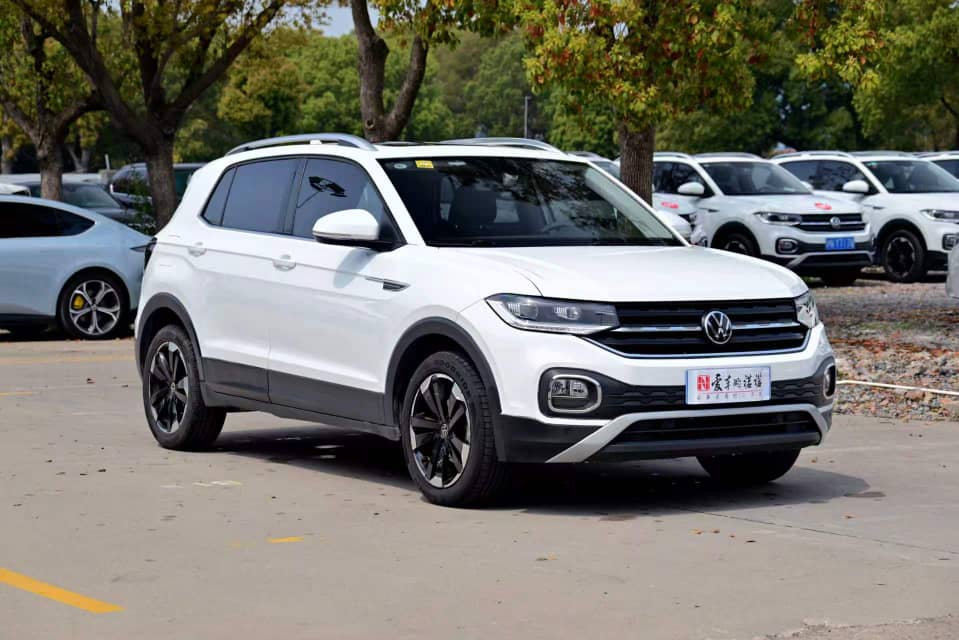
    Vehicle ready for export in China
    Every vehicle is inspected and verified before being loaded for shipping from China

    Step 5: Ocean Freight

    Your vehicle is shipped from a major Chinese port — typically Shanghai, Tianjin, or Guangzhou — to Lagos Apapa or Tin Can Island Port. Transit time is typically 3–5 weeks. Container shipping is used for new vehicles to ensure they arrive in the same condition they left China.

    Throughout the shipping period, you can track your vehicle’s status directly from your account on the platform.

    Step 6: Customs Clearing in Nigeria

    Once your vehicle arrives at the Nigerian port, our clearing team processes all documentation, pays the 40% customs duty, handles terminal fees, and secures the vehicle’s release. If you selected our custom clearing service, you receive updates at every stage without needing to be present or make any calls to the port.

    Step 7: Delivery or Collection

    Once cleared, your vehicle is either delivered to your door or made available for collection. You receive all documentation with the vehicle:

    • Commercial invoice
    • Bill of lading
    • Bill of export
    • Vehicle specification sheet and VIN documentation
    • Any applicable manufacturer warranty documentation
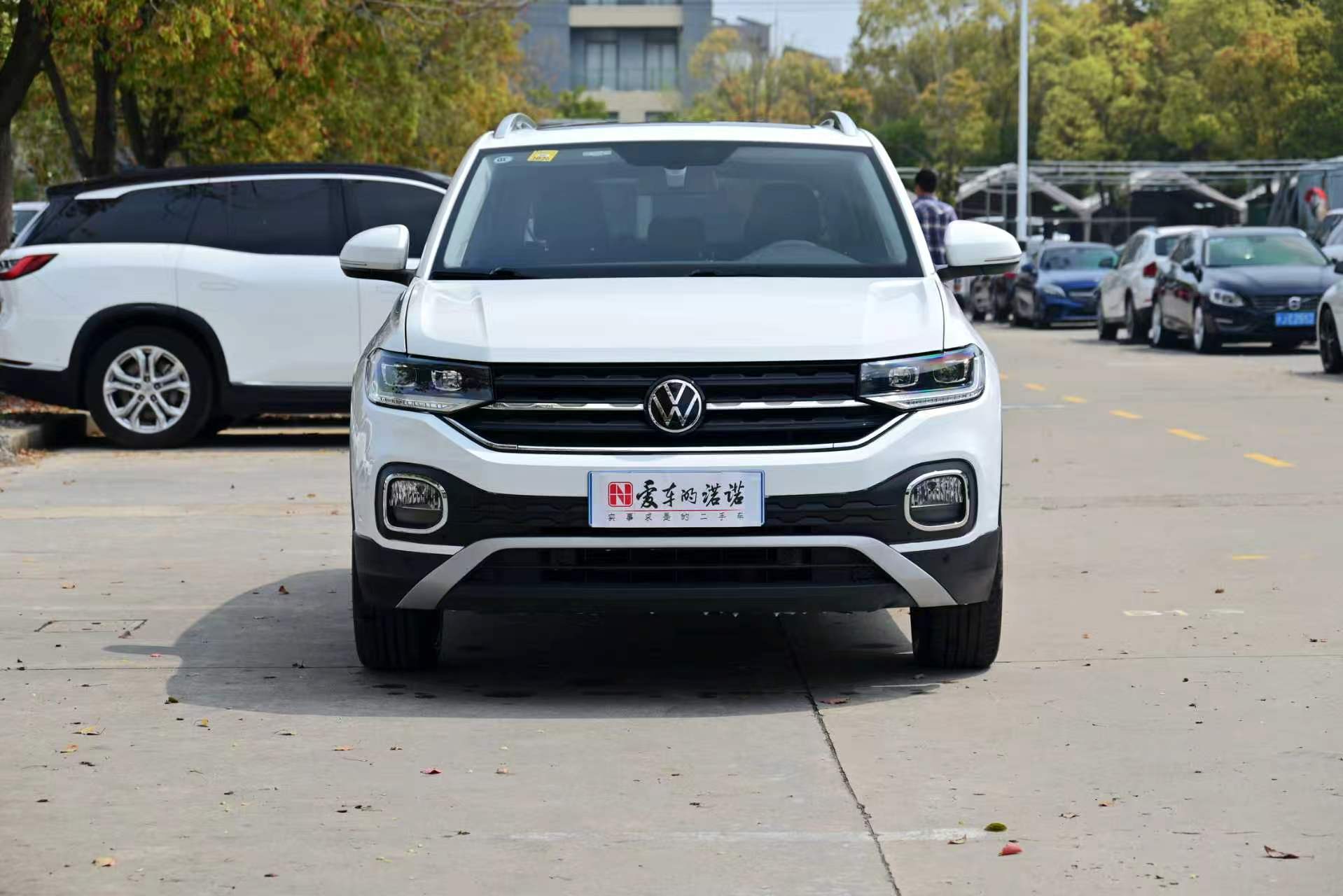
    New vehicle ready for handover
    Your new vehicle arrives with full documentation — ready to register and drive

    How Long Does the Whole Process Take?

    • Vehicle procurement in China: 3–7 days
    • Pre-export documentation and shipping arrangement: 5–10 days
    • Ocean transit from China to Lagos: 21–35 days
    • Port clearing: 5–14 days
    • Home delivery: 1–3 days after clearing

    Total: approximately 6–10 weeks from order to delivery.

    Why This Beats Every Alternative

    Going to a local car dealer means trusting their account of a vehicle’s history. Doing it yourself through Chinese trading platforms means navigating language barriers, export compliance, freight logistics, and Nigerian customs with no support. Buying from Copart or IAAI means dealing with salvage or rebuilt-title vehicles.

    Autoimport Africa handles the complexity so you get a new car from China — with clean title, full documentation, and none of the uncertainty — without leaving your home.


  • Why “Clean Title” Is the Most Important Phrase in Car Importing — And How Autoimport Africa Guarantees It

    Why “Clean Title” Is the Most Important Phrase in Car Importing — And How Autoimport Africa Guarantees It

    If you’ve ever bought a used car in Nigeria and discovered serious problems weeks later — structural damage, rust hidden under new paint, electrical faults that keep reappearing — you’ve experienced firsthand what happens when a vehicle’s history is concealed.

    The term “clean title” separates a car with a transparent, uncompromised history from one that has been written off, flooded, accident-damaged, or salvaged. In developed markets, title status is regulated and disclosed by law. In Nigeria’s used car market, it has historically been whoever you trust to tell you the truth.

    Autoimport Africa was built to end that ambiguity entirely.

    Nigerian street and car scene
    Nigeria’s used car market has long been a breeding ground for hidden vehicle histories — Autoimport Africa was built to change that

    What a Clean Title Actually Means

    A vehicle title is the official document that establishes legal ownership and records the car’s history with the relevant authorities. Title statuses include:

    • Clean title: The vehicle has no record of major accidents, total-loss declarations, flood damage, theft recovery, or structural write-offs.
    • Salvage title: The vehicle was declared a total loss by an insurance company — due to accident, flood, fire, or theft. It is not legally roadworthy until repaired and re-inspected.
    • Rebuilt title: A salvage vehicle that has been repaired and passed a state inspection. Rebuilt title vehicles are worth 20–40% less than equivalent clean title cars.

    The problem in Nigeria is that salvage and rebuilt title vehicles are frequently imported, cosmetically refurbished, and sold as clean. According to The Guardian Nigeria, at a certain point up to 80% of imported vehicles into the country were classified as “accidental” — many of which were then repaired and sold as clean to unsuspecting buyers.

    Why New Vehicles from China Are Clean Title by Definition

    When Autoimport Africa sources a vehicle for a customer, we source it brand new — directly from Chinese manufacturers, authorised dealers, or verified new-vehicle export platforms in China.

    A brand-new vehicle that has never been registered, never been in an accident, and never been owned by anyone else has no history to hide. It cannot have a salvage title. It cannot have flood damage records. It cannot have undisclosed accident repairs.

    The title is clean not because we checked a box — but because the vehicle is new. That’s a structural guarantee, not a promise from a salesperson.

    Clean new SUV on road
    Every vehicle sourced through Autoimport Africa is brand new — zero accidents, zero prior owners, clean title guaranteed

    The Problem With Buying “Clean Title” Used Cars

    Even if a used car’s documentation claims a clean title, there are layers of risk:

    • Title washing: Moving a salvage title vehicle through states or countries with weaker disclosure laws to “wash” the title.
    • VIN cloning: Replacing a damaged vehicle’s VIN plate with one from a clean-title car.
    • Cosmetic concealment: Filling structural cracks with filler, repainting panels, and replacing interiors to disguise accident damage.
    • Flood damage: Cars totalled in hurricanes or floods are dried out, professionally detailed, and sold months later. Hidden corrosion and electrical damage may not manifest for a year or more.

    None of these risks exist with a new vehicle from China.

    How Autoimport Africa Works

    Our process is simple and transparent:

    1. Browse and select: Choose from our listed inventory of new vehicles — all sourced from China with full specs, photos, and pricing displayed upfront.
    2. Make payment: Secure payment through the platform, with your order confirmed.
    3. We handle the import: From purchasing the vehicle in China, arranging export documentation, ocean freight, to customs clearing on arrival in Nigeria.
    4. Optional add-ons: Custom clearing assistance and home delivery available.
    5. Track your order: Real-time status updates from the moment your vehicle leaves China to the moment it’s ready for collection or delivery.
    African woman tracking vehicle on tablet
    Autoimport Africa customers can track their vehicle’s journey in real time from China to delivery

    The Bottom Line

    Clean title is not a feature Autoimport Africa offers on top of its service. It is the baseline — baked into every vehicle we import because every vehicle we import is new. In a market where the alternative is trusting a dealer’s word about a car’s history, that distinction is everything.

  • The Real Cost of Importing a Car to Nigeria in 2026: Tariffs, Clearing, Recycling Fees, and Delivery — Fully Broken Down

    The Real Cost of Importing a Car to Nigeria in 2026: Tariffs, Clearing, Recycling Fees, and Delivery — Fully Broken Down

    One of the biggest sources of confusion and frustration for first-time vehicle importers in Nigeria is the gap between the “car price” and the final amount they actually pay. A vehicle listed at $15,000 from China doesn’t cost $15,000 to get into your driveway in Lagos or Abuja. There are layers of additional costs, and if you haven’t budgeted for them, the surprise can be significant.

    This guide breaks down every cost involved in importing a vehicle to Nigeria in 2026 — with the latest figures reflecting the new tariff regime — so you can plan accurately from day one.

    Nigerian port and city
    Understanding all the costs before you import avoids expensive surprises at the port

    1. Vehicle Purchase Price (FOB — Free on Board)

    This is the price of the vehicle itself, as quoted by the seller or platform in China. FOB means the price includes delivery of the car to the Chinese port of departure — everything from the factory gate to the ship’s railing is covered by the seller.

    Example: A new Chinese electric SUV — $14,000 to $20,000 depending on brand and spec.

    2. International Shipping (China to Nigeria)

    Shipping a vehicle from a Chinese port (typically Tianjin, Shanghai, or Guangzhou) to Lagos Apapa or Tin Can Island Port typically costs between $800 and $1,500 for a standard passenger vehicle, depending on the size of the vessel, route, and season.

    RoRo (Roll-on, Roll-off) shipping is cheaper than container shipping but offers less protection. For brand-new vehicles, container shipping is recommended.

    Estimated: $1,000–$1,500

    3. Marine Insurance

    You should always insure your vehicle during transit. Marine insurance typically costs 0.5% to 1% of the vehicle’s declared value.

    Estimated: $100–$200

    4. Nigeria Customs Duty (New 40% Rate)

    Under the 2026 Fiscal Policy Measures, import duties on fully built passenger vehicles have been reduced from 70% to 40%. This 40% is calculated on the CIF value of the vehicle (Cost + Insurance + Freight).

    On a vehicle with a CIF value of $16,000:
    40% of $16,000 = $6,400 in customs duty

    Estimated for standard vehicle: $5,500–$8,000 depending on CIF value

    Nigerian customs port area
    Nigeria’s customs duty has been reduced to 40% under 2026 fiscal policy — a significant saving for new vehicle importers

    5. Port Handling and Demurrage Charges

    Once your vehicle arrives at the port, the shipping line and terminal operator charge for offloading, storing, and processing the vehicle:

    • Terminal handling charges (THC): $200–$400
    • Documentation fees: $50–$150
    • Demurrage (if you take longer than the free days to clear): $50–$150 per day

    Estimated: $300–$700

    6. Customs Agent / Clearing Fees

    You’ll need a licensed customs clearing agent to handle your documentation, pay duties on your behalf, and release the vehicle from the port. If you’re importing through Autoimport Africa, custom clearing is an optional add-on service at a competitive flat rate.

    Estimated: $300–$600

    7. Pre-Export Certification (New in 2026 — for Used Vehicles)

    Under Nigeria’s new End-of-Life Vehicle policy, used vehicles must undergo pre-export certification. For brand-new vehicles imported through Autoimport Africa, this step does not apply.

    For new vehicles: $0

    8. Vehicle Recycling Fee (New in 2026)

    A mandatory vehicle recycling levy is being introduced at the point of registration.

    Estimated: ₦50,000–₦150,000

    9. Home Delivery (Optional)

    • Lagos: ₦50,000–₦100,000
    • Abuja: ₦150,000–₦250,000
    • Other cities: varies by distance

    Putting It All Together: A Real Example

    Let’s calculate the full landed cost of a new Chinese electric SUV priced at $15,000 (FOB):

    • Vehicle price (FOB): $15,000
    • Shipping to Lagos: $1,200
    • Marine insurance: $150
    • CIF value: $16,350
    • Customs duty (40% of CIF): $6,540
    • Port handling & THC: $500
    • Clearing agent fees: $450
    • Vehicle recycling fee: ~₦100,000
    • Home delivery to Lagos: ~₦75,000

    Approximate total landed cost: ~$24,000–$25,000

    African buyer with new vehicle
    Autoimport Africa provides transparent upfront pricing covering every cost — no surprises when your vehicle arrives

    Why Importing Through Autoimport Africa Makes the Difference

    Navigating these costs solo — sourcing the car, arranging freight, handling customs, and managing agents — requires time, expertise, and relationships at every step. Autoimport Africa consolidates the entire process: vehicle selection, payment, shipping, customs clearing, and optional home delivery, with transparent pricing upfront so there are no surprises at the port.

    The platform was built because we know how confusing and opaque this process has been for Nigerian buyers. That ends here.

  • End-of-Life Vehicle Policy: How to Avoid Paying for a Car That Can’t Legally Be Sold in Japan or Dubai

    End-of-Life Vehicle Policy: How to Avoid Paying for a Car That Can’t Legally Be Sold in Japan or Dubai

    Nigeria has long been one of the most exploited destinations for end-of-life vehicles — cars that have been written off, flooded, or condemned in their home countries, then cosmetically patched up and shipped to West Africa as supposedly roadworthy cars. If you’ve ever bought a “clean” used car in Lagos and discovered serious structural problems within weeks, you’ve likely been a victim of this practice.

    The Federal Government is finally doing something about it. But even before the new rules kick in fully, knowing how to spot a dumped end-of-life vehicle could save you hundreds of thousands of naira and potentially your life.

    Nigeria car market
    Nigeria’s used car market has long been flooded with vehicles that failed safety standards in their home countries

    What Is an End-of-Life Vehicle?

    An end-of-life vehicle (ELV) is a car that has reached the point where the cost of repairing it exceeds its market value — or one that has been declared a total loss by an insurance company due to accident damage, flooding, or severe wear. In most developed countries (Japan, the USA, UK, UAE), these cars are legally required to be scrapped or recycled. They cannot legally be sold as roadworthy vehicles.

    However, because Nigeria previously had no certification requirement for imported used vehicles, exporters in these countries found a ready market: ship the condemned car to Nigeria, do a cosmetic refurb, and sell it as a “grade A” or “clean title” vehicle at close to market price.

    The New Rules: What Nigeria Is Doing in 2026

    The NADDC (National Automotive Design and Development Council) has introduced several key reforms under the End-of-Life Vehicle programme:

    • Mandatory pre-export certification: All used vehicles imported into Nigeria must now undergo inspection and certification in their country of origin before being shipped. The cost ($250–$300 per vehicle) is borne by the foreign exporter, not the Nigerian buyer.
    • No certification, no entry: Vehicles that fail inspection or have falsified inspection certificates will be denied entry into Nigeria.
    • Vehicle recycling fee: A mandatory recycling levy will apply at registration, funding formal end-of-life disposal infrastructure.
    • Extended producer responsibility: Manufacturers, assemblers, and importers will be held accountable for the full lifecycle of vehicles they bring into Nigeria.

    Red Flags: How to Spot a Dumped Vehicle

    Even before these reforms are fully enforced, buyers can protect themselves by knowing the warning signs:

    • Mismatched paint or overspray around panel edges: A sign that panels have been repainted to hide damage.
    • Uneven panel gaps: Panels that don’t align perfectly often indicate previous accident damage and poor repair.
    • Rust under floor mats or in the boot: A classic sign of flood damage, which is hard to hide completely.
    • Musty or unusual smell inside the cabin: Another flood damage indicator — mould in the ventilation system.
    • VIN that doesn’t match documents: Always run a VIN check. Services like Carfax or AutoCheck can reveal accident and total-loss history.
    • Unusually low price for the vehicle’s age and spec: If the deal seems too good to be true, ask why.
    Clean new SUV on the road
    A new vehicle from Autoimport Africa comes with no prior history — no accidents, no floods, no salvage records

    Why Importing New from China Bypasses This Problem Entirely

    When you import a brand-new vehicle directly from China through Autoimport Africa, there is no used vehicle history — no accidents, no floods, no prior owners, no salvage records. You’re getting a car that has never been registered, inspected, or written off anywhere in the world. The title is clean by definition.

    This is one of the core reasons Autoimport Africa was built: to give Nigerian and African buyers access to the quality and transparency that comes with buying new — at prices that are competitive because they come direct from the source, not through layers of middlemen who may have reason to hide a vehicle’s history.

    The Bottom Line

    Nigeria’s ELV policy is a significant step forward for consumer protection. But policies take time to enforce, and bad actors will keep trying to exploit gaps for as long as they can find buyers.

    The safest protection isn’t waiting for regulation — it’s buying smart. Know the red flags, verify every VIN, and wherever possible, source vehicles that have no prior history to hide.

  • The 2026 China Export Surge: Why More Affordable Chinese Cars Are Heading to Africa Than Ever Before

    The 2026 China Export Surge: Why More Affordable Chinese Cars Are Heading to Africa Than Ever Before

    Something interesting is happening in the global car market — and African importers stand to benefit enormously from it.

    China, the world’s largest auto producer and exporter, is experiencing a significant slowdown in its domestic car market in 2026. Sales at home are down, a brutal price war is squeezing margins, and production capacity is running well above domestic demand. So where is all that production going? Overseas. And Africa is one of the most important destinations.

    China manufacturing and city
    China’s automotive industry is producing at record scale, with exports becoming its primary growth engine in 2026

    China’s Domestic Market Is Slowing

    After years of explosive growth driven by government trade-in subsidies, China’s auto market entered 2026 on weak footing. January and February 2026 saw vehicle sales fall roughly 22.9% year-on-year as subsidy programmes were scaled back and Lunar New Year timing shifted demand. While the market has since stabilised, overall growth projections for 2026 are just 1% — down sharply from 9.4% growth in 2025.

    Domestically, Chinese automakers are fighting each other in an intense price war. BYD, Chery, Geely, SAIC, and dozens of other brands are all chasing the same buyers with increasingly aggressive discounts. Profit margins are under severe pressure. For producers, the only way to maintain healthy operations is to grow exports.

    Exports Are Surging — Africa Is a Key Destination

    China closed 2025 with a record 7.1 million vehicle exports — cementing overseas markets as a core outlet for industry growth. That momentum has carried into 2026. In the first two months of 2026 alone, exports reached approximately 1.35 million units — roughly 48% ahead of the same period in 2025.

    The export mix is also shifting rapidly. Nearly 43% of China’s auto exports are now new energy vehicles (NEVs) — electric, plug-in hybrid, and extended-range models. This means Africa is increasingly receiving not just affordable cars, but genuinely modern, technology-rich vehicles.

    Nigerian car buyer
    African buyers are increasingly the target market for China’s record vehicle export volumes

    Why This Creates an Opportunity for African Buyers

    When a manufacturer has more supply than domestic demand, three things happen: prices get competitive, inventory choices expand, and export programmes become a strategic priority rather than an afterthought.

    For African buyers importing from China in 2026, this translates to:

    • More competitive pricing: China’s domestic price war has driven new vehicle prices down significantly. Smaller margins at home mean manufacturers are willing to compete aggressively on export pricing too.
    • Greater model variety: More brands and models are being made export-ready than ever before. Vehicles that were previously only available in China are increasingly coming with right-hand drive options and global homologation.
    • Newer technology at lower price points: The pressure to innovate domestically means Chinese brands are putting advanced ADAS, large displays, and long-range battery technology into mass-market vehicles — not just premium ones.
    • Motivated sellers: Chinese manufacturers and trading companies are actively courting African markets. This creates better service conditions, better after-sales support development, and more flexible payment arrangements for bulk or fleet buyers.

    The NEV Export Shift Is Especially Important for Africa

    The fact that nearly half of China’s exports are now electrified vehicles is a game-changer for Africa. Previously, most Chinese vehicles reaching the continent were conventional petrol or diesel models. Now, the same export wave is bringing PHEVs and EREVs at price points that make clean transportation genuinely accessible.

    A PHEV SUV from China now costs less than a used Japanese petrol SUV of equivalent age and spec — but offers electric efficiency for daily city driving, petrol backup for long trips, and significantly lower running costs over time.

    African woman with new car
    Autoimport Africa connects African buyers directly to China’s competitive vehicle market — clean titles, new models, no middlemen

    How to Take Advantage of This Moment

    The window to get the best combination of price, choice, and model freshness is now. As Chinese exports become more structured and regulated in coming years — and as African governments introduce more formal certification and import requirements — buying directly from source through a trusted importer platform remains the most cost-effective route.

    Autoimport Africa is built for exactly this moment — giving African buyers direct access to China’s full vehicle market, with clean titles, transparent pricing, and end-to-end logistics support. The global export surge is your opportunity. Make the most of it.

  • The Real Cost of Importing a Car to Nigeria in 2026: Tariffs, Clearing, Recycling Fees and Home Delivery — Full Breakdown

    One of the most common questions we get at Autoimport Africa is: “What will this actually cost me, all in?” It’s a fair question — and an important one. The price of the vehicle itself is just the starting point. By the time your car is in your driveway, several other costs have stacked up. This guide breaks every one of them down clearly, using 2026 figures, so you can budget with confidence before you commit.

    Step 1: Vehicle Price (FOB China)

    FOB stands for “Free On Board” — it is the price of the vehicle at the Chinese port, before shipping. This is the base price you see on most import listings.

    For reference, a clean-title mid-size Chinese SUV like a BYD Atto 3 or Chery Tiggo 7 Pro might be listed at approximately $15,000–$20,000 FOB China in 2026. Compact city cars can start from $8,000–$12,000. Premium EVs and EREVs range from $25,000 upward.

    Budget: $8,000 – $35,000+ depending on model

    Step 2: International Freight (Shipping)

    Shipping a vehicle from a Chinese port (typically Tianjin, Shanghai, or Guangzhou) to Lagos (Apapa or Tin Can Island port) via RoRo (Roll-on Roll-off) vessel typically costs between $800 and $1,500, depending on vessel availability and lead time. Transit time is usually 4–6 weeks.

    Budget: $800 – $1,500

    Step 3: Import Duty

    This is where the 2026 policy change makes a significant difference. Nigeria’s import duty on fully built passenger vehicles — including SUVs and 4WDs — has been reduced from 70% to 40% of the CIF (Cost + Insurance + Freight) value.

    Example: Vehicle priced at $16,000 FOB + $1,200 shipping + $100 insurance = $17,300 CIF. At 40% duty: $6,920.

    Note: Electric vehicles are exempt from the new green tax and excise duty taking effect July 1, 2026, making EVs particularly attractive on landed cost.

    Budget: approximately 40% of CIF value

    Step 4: Port Charges and Terminal Handling

    Once the vehicle arrives at the Nigerian port, it incurs terminal handling charges, demurrage (if clearance is delayed), and port storage fees. Efficient clearance — ideally within 2–3 days of vessel arrival — minimises these costs. Working with a competent clearing agent or using Autoimport Africa’s optional customs clearing service keeps these fees manageable.

    Typical port charges and handling at Lagos port: $300–$600.

    Budget: $300 – $600

    Step 5: Pre-Export Certification (New in 2026)

    Under Nigeria’s new End-of-Life Vehicle policy, all imported used vehicles must now be certified before export from the country of origin. The cost — $250 to $300 per vehicle — is borne by the exporter or importer, not the buyer. However, if you are arranging the import yourself through a sourcing agent, confirm whether this fee is included in the quoted price.

    For new vehicles imported directly from China (as Autoimport Africa sources), this certification requirement adds a layer of confidence, not a hidden cost.

    Budget: $250 – $300 (typically absorbed by importer/exporter)

    Step 6: Customs Clearing Agent Fees

    A clearing agent handles all documentation, duty payments, and port interactions on your behalf. Professional clearing agents charge between ₦150,000 and ₦400,000 ($100–$260 at current rates) depending on complexity and vehicle value.

    Autoimport Africa offers optional customs clearing as an add-on service, handling this entire process so you don’t need to manage it yourself.

    Budget: $100 – $260

    Step 7: Vehicle Inspection and Registration

    Before your vehicle can be legally driven in Nigeria, it needs FRSC registration and a roadworthiness certificate. Costs vary by state but typically range from ₦50,000 to ₦150,000 ($30–$100) including number plates and all documentation.

    From 2026, a mandatory vehicle recycling fee is also charged at registration — a one-time payment toward future disposal. The exact fee is yet to be published in final form but is not expected to be prohibitive.

    Budget: $30 – $100

    Step 8: Home Delivery (Optional)

    If you want the vehicle delivered to your door rather than collecting from port, Autoimport Africa offers home delivery as an optional service. Delivery costs vary by distance from the port but typically range from ₦80,000 to ₦250,000 ($50–$165) for locations within Lagos, Abuja, Port Harcourt, and major cities.

    Budget: $50 – $165 (optional)

    Total Cost Summary (Example: $16,000 FOB Mid-Size SUV)

    • Vehicle (FOB): $16,000
    • Shipping: $1,200
    • Import Duty (40% of CIF $17,300): $6,920
    • Port charges: $450
    • Clearing agent: $180
    • Registration: $70
    • Home delivery: $120
    • Total estimated landed cost: ~$24,940

    Under the old 70% duty rate, that same vehicle would have cost approximately $28,000+ landed — a difference of over $3,000 on a single car.

    Final Tip

    Always get a full landed cost estimate before committing to a purchase. Autoimport Africa provides transparent pricing inclusive of all fees and gives you the option to add customs clearing and home delivery at checkout — so there are no surprises when your vehicle arrives.

  • Nigeria’s 2026 Auto Policy Shake-Up: What the New Import Tariff Cuts and End-of-Life Vehicle Rules Mean for Buyers

    Nigeria’s 2026 Auto Policy Shake-Up: What the New Import Tariff Cuts and End-of-Life Vehicle Rules Mean for Buyers

    If you’ve been waiting for the right time to import a vehicle into Nigeria, 2026 might just be it — but there are also some serious new rules you need to understand before you make a move.

    The Federal Government of Nigeria has rolled out its 2026 Fiscal Policy Measures, and for the automotive sector, the changes are significant. From major tariff reductions to strict new standards on imported used vehicles, the landscape for car buyers and importers is shifting in ways that could be either a big opportunity or a costly trap depending on how well you’re informed.

    Nigerian streets and traffic
    Nigeria’s automotive sector is at a turning point in 2026

    The Big Headline: Tariff on Cars Cut from 70% to 40%

    On April 1, 2026, Finance Minister Wale Edun signed off on new fiscal policy measures that reduced the import tariff on fully built passenger vehicles — including four-wheel drives and station wagons — from 70% to 40%. This is the most significant vehicle tariff cut Nigeria has seen since 2015, when the previous 70% rate was first established.

    The reduction applies to all fully assembled vehicles and is part of a broader set of changes covering 127 tariff lines designed to stimulate economic growth and ease the cost of living.

    For importers, this means the official cost of bringing a fully built vehicle into the country is now meaningfully lower. And because importers have historically passed the cost of duties onto buyers, there is now a real possibility of lower vehicle prices filtering through to the consumer — though this depends on a number of other factors, including exchange rate movements and how competitive the importing market becomes.

    It’s worth noting that the new policy comes with a 90-day grace period for importers who had already opened Form M documentation before April 1, 2026, allowing them to clear goods under the old duty rates.

    The Green Tax: A New Charge on Large Engines

    Alongside the tariff cut, the government is introducing a Green Tax Surcharge effective July 1, 2026. This is a new environmental levy that targets high-capacity, fuel-hungry engines:

    • Vehicles with engines of 4,000cc and above: a 4% surcharge on top of import duties
    • Vehicles with engines between 2,000cc and 3,999cc: a 2% surcharge
    • Vehicles below 2,000cc, mass transit buses, and electric vehicles: fully exempt
    Electric vehicle charging station
    Electric vehicles are fully exempt from Nigeria’s new Green Tax surcharge

    This is a clear signal from the government: they want to encourage smaller, more fuel-efficient, and electric vehicles. If you’re looking at a large-engine V8 truck or luxury SUV, factor in this additional cost from July. If you’re importing a compact sedan, crossover, or EV from China, you’re in the clear.

    End-of-Life Vehicle Policy: Protecting Buyers from Dumped Cars

    Perhaps the most important reform for ordinary Nigerian buyers is the End-of-Life Vehicle (ELV) policy, which the National Automotive Design and Development Council (NADDC) is rolling out in full in 2026.

    For years, Nigeria has been a destination for vehicles that no longer meet roadworthiness standards in countries like Japan, the UAE, and the USA — cars that have been refurbished cosmetically but are structurally compromised. Under the new rules:

    • All used vehicles imported into Nigeria must undergo mandatory certification and inspection in their country of origin before being shipped
    • The cost of pre-export certification (estimated at $250–$300 per vehicle) will be borne by foreign exporters, not Nigerian buyers
    • Vehicles that fail inspection or have falsified certificates will not be allowed into the country
    • A mandatory vehicle recycling fee will also be introduced at the point of registration, to fund responsible end-of-life vehicle disposal

    These reforms are long overdue. The NADDC Director-General, Mr. Joseph Osanipin, has been direct: “We’ve seen situations where vehicles that are already at end of life in Dubai are being brought into Nigeria. They are doing it because of their personal interests, not because they like you.”

    What This Means If You’re Importing Through Autoimport Africa

    African woman browsing vehicles on tablet
    Autoimport Africa makes it easy to browse and order clean-title vehicles directly from China

    The Autoimport Africa platform is built around exactly what these reforms are pushing for: clean-title vehicles imported directly from source — primarily from China — with full transparency on vehicle history and condition. We don’t deal in refurbished accident cars or cosmetically patched end-of-life vehicles.

    With the tariff cut now in effect, importing a fully built vehicle through Autoimport Africa is more cost-effective than ever. And because we handle the full import process — from selection to custom clearing to home delivery — you don’t need to worry about navigating these new policy layers yourself.

    The Bottom Line for Nigerian Car Buyers in 2026

    • Import tariffs on fully built cars are now 40%, down from 70% — good news for new vehicle imports
    • A Green Tax will apply to large-engine vehicles from July 2026 — EVs and small engines are exempt
    • Mandatory pre-export certification for used vehicles will make it harder to dump end-of-life cars on Nigeria
    • A vehicle recycling levy will apply at registration for all vehicles
    • Electric vehicles are exempt from both the Green Tax surcharge and certain new excise duties

    2026 is shaping up to be a turning point for Nigeria’s automotive sector. The rules are getting tighter, the costs for importers of quality vehicles are dropping, and the government is clearly pointing the country toward cleaner, newer, and more reliable vehicles. If you’ve been thinking about importing — now is an excellent time to start.

  • The 2026 China Export Surge: Why More Affordable Cars Are Heading to Africa Than Ever

    Something significant is happening in the global automotive market that most African car buyers don’t yet fully appreciate — and it works directly in their favour. China, the world’s largest auto producer, is exporting vehicles at a record-breaking pace in 2026. The reason? Slowing domestic demand at home. The result? More affordable, newer, cleaner inventory flowing toward Africa and other emerging markets.

    Here is what’s driving this shift, and why it matters if you’re thinking of importing a vehicle.

    China’s Domestic Market Has Softened

    After a surge in 2025 driven by government trade-in subsidies, China’s domestic vehicle sales have slowed sharply in early 2026. The China Association of Automobile Manufacturers reported a significant dip in January and February 2026, with year-on-year volumes falling roughly 22.9% as subsidy step-downs and Lunar New Year timing reset demand. Domestic passenger vehicle sales have been sluggish, weighed down by weaker consumer confidence and a more competitive pricing environment.

    For Chinese automakers who have dramatically scaled up production capacity over the past five years, this creates a problem: factories built to produce millions of vehicles need to stay running. The solution? Export.

    Exports Are at Record Highs

    China closed 2025 with approximately 7.1 million vehicle exports — a record — cementing overseas markets as a core channel for the industry rather than just a cyclical overflow valve. In early 2026, that momentum has continued and accelerated. Exports rose to roughly 1.35 million units in the first two months of 2026 alone, approximately 48% above the same period in 2025.

    Critically, the export mix is also shifting. New energy vehicles — EVs, PHEVs, and EREVs — now account for roughly 43% of China’s auto exports, meaning the vehicles heading to global markets are increasingly modern, efficient, and technologically advanced.

    Price Wars Are Making Chinese Vehicles Cheaper

    Intensifying competition among Chinese automakers domestically has triggered an ongoing price war. Brands have repeatedly cut prices to maintain market share, and those lower prices have flowed through to export pricing. Vehicles that would have cost $18,000–$22,000 FOB China two years ago can now be sourced for significantly less, while featuring better technology, safety ratings, and refinement than previous generations.

    The leading export brands — Chery, BYD, SAIC, and Geely — are all competing aggressively for the same international buyers, which keeps prices under pressure in Africa’s favour.

    Africa Is a Primary Target Market

    With access to the US blocked by tariffs and Europe becoming increasingly restrictive, African markets have moved near the top of Chinese automakers’ export strategies. Major cities like Lagos, Nairobi, Johannesburg, and Cairo are experiencing growing EV and NEV adoption, and Chinese brands are investing in dealerships, assembly plants, and charging infrastructure across the continent to support long-term demand.

    For African buyers, this alignment of factors — record Chinese export volumes, price competition, NEV-heavy export mix, and active brand investment in Africa — creates a uniquely favourable buying environment.

    How to Take Advantage of This Moment

    The best time to import a Chinese vehicle into Africa is when supply is high and prices are competitive. That time is now. With Nigeria’s new 40% import tariff (down from 70%), EV tax exemptions, and a broader range of clean-title vehicles available from China than ever before, the economics of importing directly have never been more attractive.

    Autoimport Africa sources vehicles directly from China with clean titles, full documentation, and the option to add customs clearing and home delivery — putting you at the front of this supply wave without the complexity of navigating it alone. Browse our current listings and speak to our team to find the right vehicle at the right price.

  • How to Import Cars from China: A Complete Guide

    How to Import Cars from China: A Complete Guide

    Why Import Cars from China?

    China has become one of the world’s largest and most competitive automobile manufacturers. From budget-friendly sedans to feature-packed electric vehicles (EVs), Chinese car brands like BYD, Chery, SAIC, Geely, and Great Wall Motors are producing vehicles that rival their Japanese, Korean, and European counterparts — often at significantly lower price points.

    For importers in Africa and other emerging markets, sourcing vehicles directly from China can mean substantial savings, access to newer technologies, and a wider range of models not available locally.

    China automotive manufacturing city
    China’s world-class automotive manufacturing hubs produce millions of vehicles each year — many of them destined for export to Africa

    Step 1: Research the Right Vehicle

    Before anything else, you need to identify what type of vehicle suits your market. Consider the following:

    • Vehicle type: Sedan, SUV, pickup truck, electric vehicle, or minibus?
    • Brand reputation: Stick to established manufacturers with proven track records.
    • Spare parts availability: Ensure parts are accessible in your destination country.
    • Fuel type: Petrol, diesel, hybrid, or electric — depending on local infrastructure.

    Step 2: Find a Reliable Supplier

    Sourcing from a trustworthy supplier is critical. Your main options include:

    • Authorized dealerships and exporters: Many Chinese manufacturers have official export divisions.
    • B2B platforms: Sites like Alibaba, Made-in-China.com, and Global Sources list thousands of verified auto exporters.
    • Trade fairs: The Canton Fair and Auto China (Beijing Motor Show) are excellent places to meet suppliers in person.
    • Sourcing agents: A reputable local agent in China can help vet suppliers, negotiate prices, and oversee quality control.

    Always verify supplier credentials, request references, and if possible, conduct a factory visit or hire a third-party inspection service.

    Chinese vehicle ready for export
    Working with verified suppliers and inspecting vehicles before shipment is key to a successful import

    Step 3: Understand Pricing and Payment

    Chinese car prices are typically quoted in three terms:

    • EXW (Ex Works): You handle all logistics from the factory gate.
    • FOB (Free on Board): The supplier covers costs until the car is loaded onto the vessel.
    • CIF (Cost, Insurance & Freight): The supplier covers shipping and insurance to your destination port.

    For payments, most transactions use a Letter of Credit (L/C) or Telegraphic Transfer (T/T). Avoid full upfront payments to unknown suppliers — use escrow or a 30/70 split (30% deposit, 70% on bill of lading).

    Step 4: Shipping Your Vehicle

    Cars from China are typically shipped via:

    • RoRo (Roll-on/Roll-off): Vehicles are driven onto the ship. Cost-effective for large volumes.
    • Container shipping: Cars are loaded into 20ft or 40ft containers. Better protection, ideal for high-value or new vehicles.

    Major Chinese export ports include Shanghai, Tianjin, Guangzhou, and Ningbo. Transit times to African ports like Lagos, Mombasa, or Durban typically range from 25 to 45 days.

    Step 5: Customs Clearance and Duties

    Once your vehicle arrives at the destination port, you’ll need to clear customs. Key documents required include:

    • Original Bill of Lading
    • Commercial Invoice
    • Packing List
    • Certificate of Origin
    • Vehicle Inspection Certificate

    Under Nigeria’s 2026 Fiscal Policy, import duty on fully built passenger vehicles has been reduced to 40% of the vehicle’s CIF value. Always consult a licensed clearing agent to avoid delays and penalties.

    Nigerian port customs clearing
    Customs clearing in Nigeria is smoother with professional help — Autoimport Africa handles this end-to-end for its customers

    Step 6: Compliance and Registration

    Ensure the vehicle meets your country’s standards before importing:

    • Right-hand vs left-hand drive: China produces both — confirm the correct specification.
    • Emissions standards: Check if the vehicle meets local regulations.
    • Homologation: Some countries require vehicles to be formally approved before registration.

    Once cleared, proceed with standard vehicle registration at your local motor licensing authority.

    The Autoimport Africa Advantage

    Rather than navigating all of the above alone, Autoimport Africa handles the complete process for you — from vehicle selection in China to customs clearing and home delivery in Nigeria. Every vehicle is new, sourced directly from manufacturers, with a clean title guaranteed.

    Ready to get started? Visit Autoimport Africa to browse our current inventory and place your order today.