
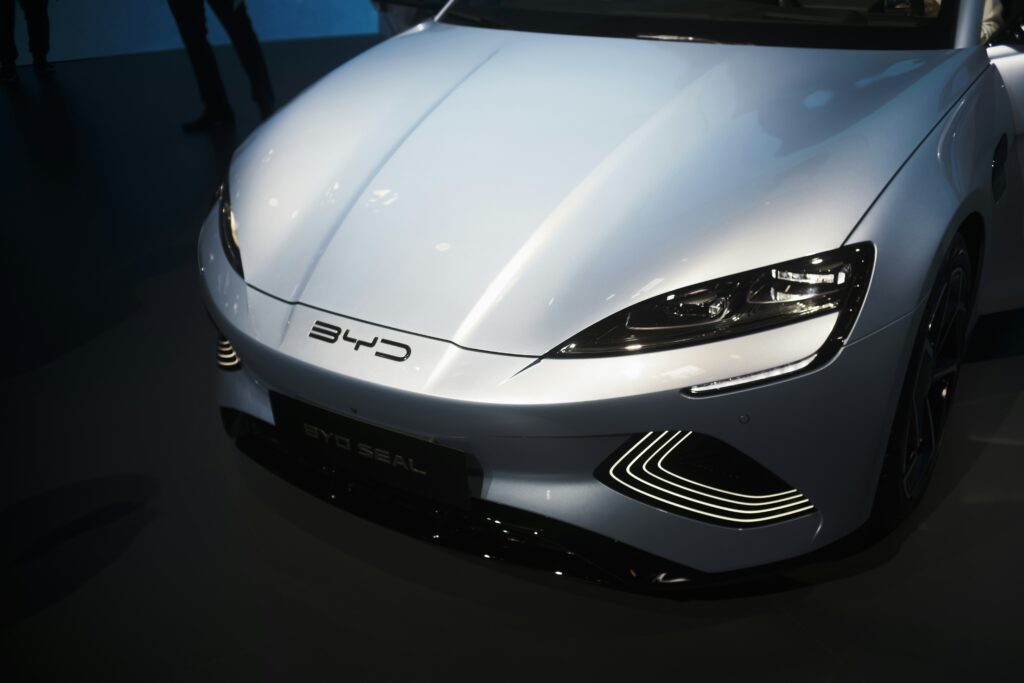
Buying a car as a working-class Nigerian is one of the biggest financial decisions you’ll make. With rising fuel prices, unpredictable road conditions, traffic congestion in major cities, and the ever-present challenge of vehicle maintenance costs, picking the wrong car can be a serious financial drain. The right vehicle, on the other hand, can improve your quality of life significantly.
This guide is written specifically for the everyday Nigerian professional — the banker, teacher, civil servant, entrepreneur, or small business owner who needs a car that works hard without breaking the bank.
Step 1: Define Your Actual Needs
Before you look at prices or brands, be honest about how you’ll use the car. Ask yourself:
- Daily commute distance: Are you driving 10km or 60km daily?
- Road types: Do you mostly drive on smooth city roads or rough, unmaintained routes?
- Passenger needs: Is it just you, or are you regularly carrying family members?
- Cargo needs: Do you need to move goods, equipment, or bulky items?
- Fuel access: Is fuel readily available in your area, or do you face constant scarcity?

Step 2: Set a Realistic Budget
Your total vehicle budget should cover more than just the purchase price. Factor in:
- Purchase price (new or Tokunbo)
- Customs duties (if importing)
- Registration and licensing fees
- Insurance (mandatory in Nigeria)
- First service and minor repairs
- Emergency repair fund — set aside at least 10–15% of the car’s value
A general rule: don’t spend more than 30–40% of your annual income on a vehicle.
Step 3: New vs. Tokunbo (Used) vs. Direct Import
Working-class Nigerians typically have three options:
Brand New (from local dealership)
Pros: Full warranty, latest features, no hidden faults.
Cons: Higher upfront cost, significant depreciation in year one.
Tokunbo (Foreign Used)
Pros: Lower cost, wide availability, most spare parts are readily available.
Cons: Unknown history, potential hidden issues, high mileage.
Direct Import (from China through Autoimport Africa)
Pros: Brand new vehicle, clean title guaranteed, competitive pricing direct from source, full manufacturer warranty.
Cons: 6–10 week lead time.

Step 4: Prioritise Fuel Efficiency
With petrol prices at record highs in Nigeria, fuel efficiency is not optional — it’s essential. Look for vehicles with:
- Engine size of 1.4L to 2.0L for daily driving — anything above 2.5L will drain your wallet.
- PHEV or EREV options if your budget allows — Chinese brands like BYD and Chery offer hybrid models that run primarily on electricity in the city.
- Diesel engines for long-distance or intercity driving — better fuel economy per litre.
Step 5: Consider Spare Parts Availability
This is one of the most important — and most overlooked — factors for Nigerian buyers. A car is useless if you can’t maintain it affordably. Before buying, ask:
- Are spare parts for this model widely available in Lagos, Abuja, Port Harcourt, or your city?
- How expensive are the parts?
- How many mechanics in your area can service this brand?
Brands with excellent parts availability in Nigeria include Toyota, Honda, Hyundai, Kia, and Nissan. For Chinese brands, Chery, JAC, and MG are growing their parts networks in Nigeria rapidly.
Step 6: Match the Car to Your Road Reality
If you live in Lagos or Abuja (city driving)
You need something fuel-efficient, compact, and easy to maneuver in traffic. Great options:
- Toyota Corolla / Yaris
- Honda Fit / Jazz
- Chery Arrizo 6
- BYD Dolphin (if home charging available)
- MG5
If you drive on rough or rural roads
You need ground clearance and a robust suspension. Great options:
- Toyota RAV4 / Hilux
- Haval Jolion or H6
- Chery Tiggo 7 Pro
- JAC T8 (pickup)
- Chery Fulwin X3 (electric off-road)
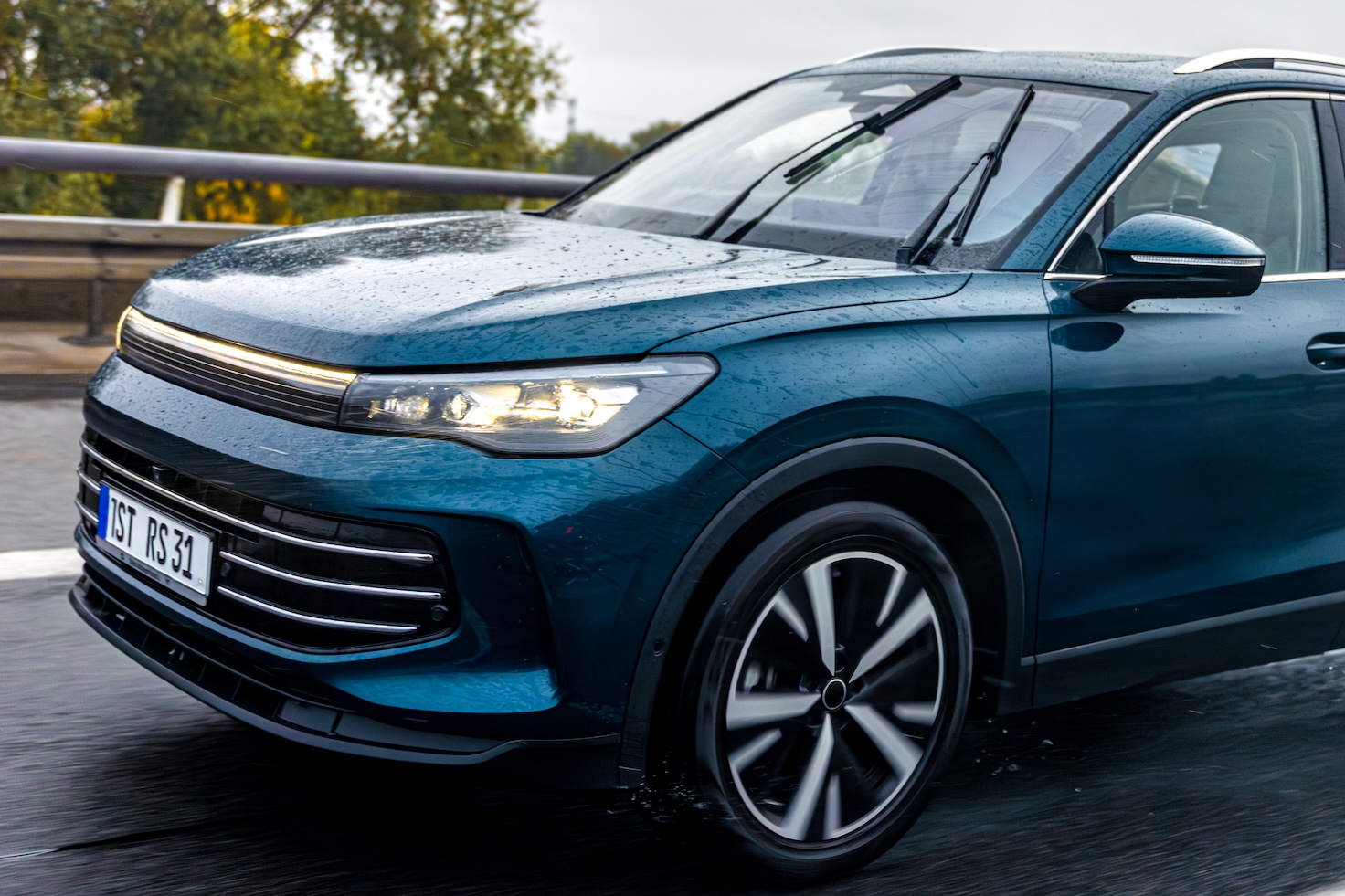
If you need a family vehicle
Prioritise space, safety, and reliability:
- Toyota Camry
- Honda Accord
- Geely Coolray
- BYD Atto 3 (if charging is available)
- BYD Sealion 6 PHEV (no charging dependency)
Step 7: Don’t Ignore Insurance
Third-party insurance is mandatory in Nigeria under the law. Comprehensive insurance, while more expensive, protects your investment from theft, accidents, and damage. Given the state of Nigerian roads and traffic, comprehensive cover is worth it for any car above ₦2 million in value.
Red Flags to Avoid When Buying
- 🚩 No engine number or chassis number visible
- 🚩 Seller is unwilling to let you take the car to your mechanic
- 🚩 Unusually low price with no clear explanation
- 🚩 Signs of flood damage (water stains, musty smell, rust under mats)
- 🚩 Mismatched paint panels or signs of body repair
- 🚩 No valid customs papers for an imported vehicle
Final Thoughts
The right car for a working-class Nigerian is not necessarily the most expensive one or the most fashionable one — it’s the one that fits your budget, suits your roads, and won’t drain your finances on fuel and repairs. Do your research, inspect before you buy, and never rush the process.
Need help finding and importing the right vehicle at the best price? Autoimport Africa has you covered. Every vehicle we import is brand new, clean title guaranteed, direct from China — browse our listings and find your perfect match today.