Category: Uncategorised

  • How to Pick the Right Vehicle for You as a Working Class Nigerian

    How to Pick the Right Vehicle for You as a Working Class Nigerian

    Buying a car as a working-class Nigerian is one of the biggest financial decisions you’ll make. With rising fuel prices, unpredictable road conditions, traffic congestion in major cities, and the ever-present challenge of vehicle maintenance costs, picking the wrong car can be a serious financial drain. The right vehicle, on the other hand, can improve your quality of life significantly.

    This guide is written specifically for the everyday Nigerian professional — the banker, teacher, civil servant, entrepreneur, or small business owner who needs a car that works hard without breaking the bank.

    Step 1: Define Your Actual Needs

    Before you look at prices or brands, be honest about how you’ll use the car. Ask yourself:

    • Daily commute distance: Are you driving 10km or 60km daily?
    • Road types: Do you mostly drive on smooth city roads or rough, unmaintained routes?
    • Passenger needs: Is it just you, or are you regularly carrying family members?
    • Cargo needs: Do you need to move goods, equipment, or bulky items?
    • Fuel access: Is fuel readily available in your area, or do you face constant scarcity?

    Nigerian city roads and traffic
    Your daily driving environment — whether city traffic or rural roads — is the single most important factor in choosing the right vehicle

    Step 2: Set a Realistic Budget

    Your total vehicle budget should cover more than just the purchase price. Factor in:

    • Purchase price (new or Tokunbo)
    • Customs duties (if importing)
    • Registration and licensing fees
    • Insurance (mandatory in Nigeria)
    • First service and minor repairs
    • Emergency repair fund — set aside at least 10–15% of the car’s value

    A general rule: don’t spend more than 30–40% of your annual income on a vehicle.

    Step 3: New vs. Tokunbo (Used) vs. Direct Import

    Working-class Nigerians typically have three options:

    Brand New (from local dealership)

    Pros: Full warranty, latest features, no hidden faults.
    Cons: Higher upfront cost, significant depreciation in year one.

    Tokunbo (Foreign Used)

    Pros: Lower cost, wide availability, most spare parts are readily available.
    Cons: Unknown history, potential hidden issues, high mileage.

    Direct Import (from China through Autoimport Africa)

    Pros: Brand new vehicle, clean title guaranteed, competitive pricing direct from source, full manufacturer warranty.
    Cons: 6–10 week lead time.

    Nigerian buyer choosing vehicle wisely
    Autoimport Africa makes direct China imports accessible to every Nigerian — browse, order, and track your vehicle entirely online

    Step 4: Prioritise Fuel Efficiency

    With petrol prices at record highs in Nigeria, fuel efficiency is not optional — it’s essential. Look for vehicles with:

    • Engine size of 1.4L to 2.0L for daily driving — anything above 2.5L will drain your wallet.
    • PHEV or EREV options if your budget allows — Chinese brands like BYD and Chery offer hybrid models that run primarily on electricity in the city.
    • Diesel engines for long-distance or intercity driving — better fuel economy per litre.

    Step 5: Consider Spare Parts Availability

    This is one of the most important — and most overlooked — factors for Nigerian buyers. A car is useless if you can’t maintain it affordably. Before buying, ask:

    • Are spare parts for this model widely available in Lagos, Abuja, Port Harcourt, or your city?
    • How expensive are the parts?
    • How many mechanics in your area can service this brand?

    Brands with excellent parts availability in Nigeria include Toyota, Honda, Hyundai, Kia, and Nissan. For Chinese brands, Chery, JAC, and MG are growing their parts networks in Nigeria rapidly.

    Step 6: Match the Car to Your Road Reality

    If you live in Lagos or Abuja (city driving)

    You need something fuel-efficient, compact, and easy to maneuver in traffic. Great options:

    • Toyota Corolla / Yaris
    • Honda Fit / Jazz
    • Chery Arrizo 6
    • BYD Dolphin (if home charging available)
    • MG5

    If you drive on rough or rural roads

    You need ground clearance and a robust suspension. Great options:

    • Toyota RAV4 / Hilux
    • Haval Jolion or H6
    • Chery Tiggo 7 Pro
    • JAC T8 (pickup)
    • Chery Fulwin X3 (electric off-road)
    SUV for Nigerian roads
    For rough roads and varied terrain, an SUV with good ground clearance is often the smarter long-term investment

    If you need a family vehicle

    Prioritise space, safety, and reliability:

    • Toyota Camry
    • Honda Accord
    • Geely Coolray
    • BYD Atto 3 (if charging is available)
    • BYD Sealion 6 PHEV (no charging dependency)

    Step 7: Don’t Ignore Insurance

    Third-party insurance is mandatory in Nigeria under the law. Comprehensive insurance, while more expensive, protects your investment from theft, accidents, and damage. Given the state of Nigerian roads and traffic, comprehensive cover is worth it for any car above ₦2 million in value.

    Red Flags to Avoid When Buying

    • 🚩 No engine number or chassis number visible
    • 🚩 Seller is unwilling to let you take the car to your mechanic
    • 🚩 Unusually low price with no clear explanation
    • 🚩 Signs of flood damage (water stains, musty smell, rust under mats)
    • 🚩 Mismatched paint panels or signs of body repair
    • 🚩 No valid customs papers for an imported vehicle

    Final Thoughts

    The right car for a working-class Nigerian is not necessarily the most expensive one or the most fashionable one — it’s the one that fits your budget, suits your roads, and won’t drain your finances on fuel and repairs. Do your research, inspect before you buy, and never rush the process.

    Need help finding and importing the right vehicle at the best price? Autoimport Africa has you covered. Every vehicle we import is brand new, clean title guaranteed, direct from China — browse our listings and find your perfect match today.

  • How to Clear Electric Vehicles in Nigeria

    How to Clear Electric Vehicles in Nigeria

    Electric vehicles (EVs) are steadily gaining traction in Nigeria, driven by rising fuel costs, increasing environmental awareness, and a growing interest in modern technology. But before you can drive your imported EV on Nigerian roads, it must go through the customs clearing process — and for EVs, there are some important differences from clearing a regular petrol or diesel vehicle.

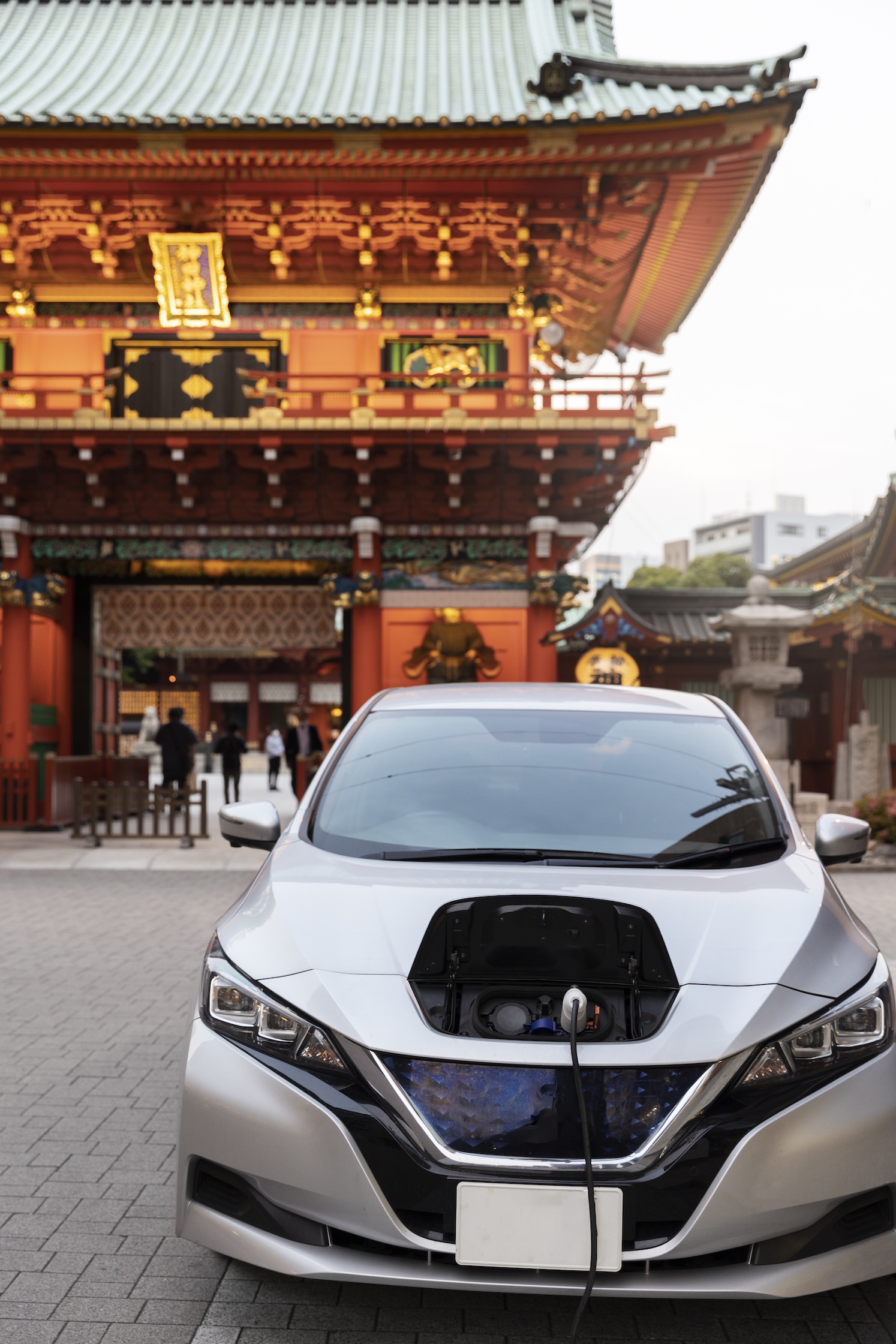
    Electric vehicle charging in Nigeria
    Electric vehicles are legal to import into Nigeria and are exempt from the new Green Tax surcharge under the 2026 fiscal policy

    This guide walks you through everything you need to know about clearing an electric vehicle in Nigeria in 2026.

    Step 1: Understand the Import Status of EVs in Nigeria

    Electric vehicles are legal to import into Nigeria. The Nigerian government has shown increasing interest in promoting EV adoption as part of its broader energy transition agenda. Under the 2026 Fiscal Policy, EVs are exempt from the new Green Tax surcharge, making them more cost-competitive than ever to import.

    Key regulatory bodies involved include:

    • Nigeria Customs Service (NCS) — handles import duties and tariffs
    • Standards Organisation of Nigeria (SON) — ensures vehicles meet local safety and technical standards
    • Vehicle Inspection Office (VIO) — involved in roadworthiness certification
    • Federal Road Safety Corps (FRSC) — handles vehicle registration

    Step 2: Know the Import Duties and Levies

    Under Nigeria’s 2026 Fiscal Policy Measures, import duties on fully built passenger vehicles have been reduced to 40% of the CIF value. Electric vehicles additionally benefit from exemption from the new Green Tax surcharge effective July 2026.

    Nigerian port customs
    Understanding the full duty structure before importing your EV helps you budget accurately and avoid surprises at the port

    Step 3: Required Documents for Clearing

    You will need the following documents to successfully clear your EV:

    • Original Bill of Lading (B/L) — issued by the shipping company
    • Commercial Invoice — showing the purchase price of the vehicle
    • Packing List
    • Certificate of Origin — confirms the country of manufacture
    • Pre-Shipment Inspection Certificate — from an approved agency (e.g., SGS, Cotecna)
    • Combined Certificate of Value and Origin (CCVO)
    • Single Good Declaration (SGD) — processed on the Nigeria Customs Service portal
    • SON Import Permit — required for new vehicles

    Step 4: The Clearing Process at the Port

    1. Arrival Notification

    Once your EV arrives at the port (Apapa or Tin Can Island in Lagos, or Onne Port in Rivers State), your shipping agent will notify you. You’ll receive an arrival notice with the vessel details and container number.

    2. Engage a Licensed Customs Agent

    You must engage a licensed clearing agent registered with the Nigerian Customs Service. They will file your declaration and process all paperwork on your behalf. Do not attempt to clear without a licensed agent — it will cause unnecessary delays.

    3. File the Single Goods Declaration (SGD)

    Your agent will file the SGD electronically on the Nigeria Customs Service Trade portal (NICIS II system). This document captures all details about the vehicle and calculates applicable duties.

    4. Assessment and Duty Payment

    Customs will assess the vehicle value and issue a debit note. Duties must be paid electronically through approved banks or the Customs payment portal.

    5. Physical Examination

    A customs officer will physically inspect the vehicle to confirm it matches the documentation. For EVs, they will verify the VIN, battery specifications, and overall condition.

    6. Release Order

    After successful examination and confirmation of duty payment, a release order is issued. Your vehicle can then be driven or trucked out of the port.

    Nigerian port vehicle release
    Once your EV clears customs and receives its release order, it’s ready to be driven out of the port or transported to your door

    Step 5: SON Conformity Assessment

    The Standards Organisation of Nigeria requires imported vehicles to comply with local standards. For EVs, this includes:

    • Battery safety standards
    • Charging system compatibility
    • Electromagnetic compatibility (EMC) requirements

    Ensure your vehicle has a valid SONCAP Certificate before it arrives in Nigeria, or be prepared to go through conformity testing after arrival.

    Step 6: Vehicle Registration

    Once cleared, proceed to register the vehicle with the Federal Road Safety Corps (FRSC). You’ll need:

    • Customs duty receipt
    • Certificate of ownership / purchase
    • Vehicle Inspection Certificate from VIO
    • Proof of address
    • Valid ID

    Tips for a Smooth EV Clearing Process

    • Engage your clearing agent early — before the vessel even arrives at port.
    • Obtain your SONCAP certificate from China before shipment to avoid delays.
    • Keep all documents in order — missing or inconsistent documents are the number one cause of port delays.
    • Be aware of demurrage fees — if you don’t clear your vehicle within the free days allowed by the shipping line, you’ll start incurring daily storage charges.
    • Check for duty incentives — EVs are currently exempt from the Green Tax surcharge under 2026 fiscal policy.
    EV owner with cleared vehicle
    Autoimport Africa handles the entire clearing process for you — from documentation to port release — so you can focus on enjoying your new EV

    Final Thoughts

    Clearing an electric vehicle in Nigeria is very doable — it just requires proper preparation, the right documentation, and a trusted clearing agent. As Nigeria’s EV market grows, the process will only become smoother and more streamlined.

    Need help importing and clearing an EV in Nigeria? Autoimport Africa handles every step of the process — from sourcing your vehicle in China to delivering it to your door, with full customs clearing included as an optional service.

  • Top Chinese Car Brands of 2025

    Top Chinese Car Brands of 2025

    China’s automotive industry has undergone a remarkable transformation over the past decade. In 2025, Chinese car brands are no longer just budget alternatives — they are genuine competitors to global giants like Toyota, Volkswagen, and Hyundai. Whether you’re an importer, a fleet buyer, or an individual consumer, here are the top Chinese car brands you need to know.

    Top Chinese car brands in 2025
    Chinese car brands have moved from budget alternatives to genuine global leaders — here’s what you need to know

    1. BYD (Build Your Dreams)

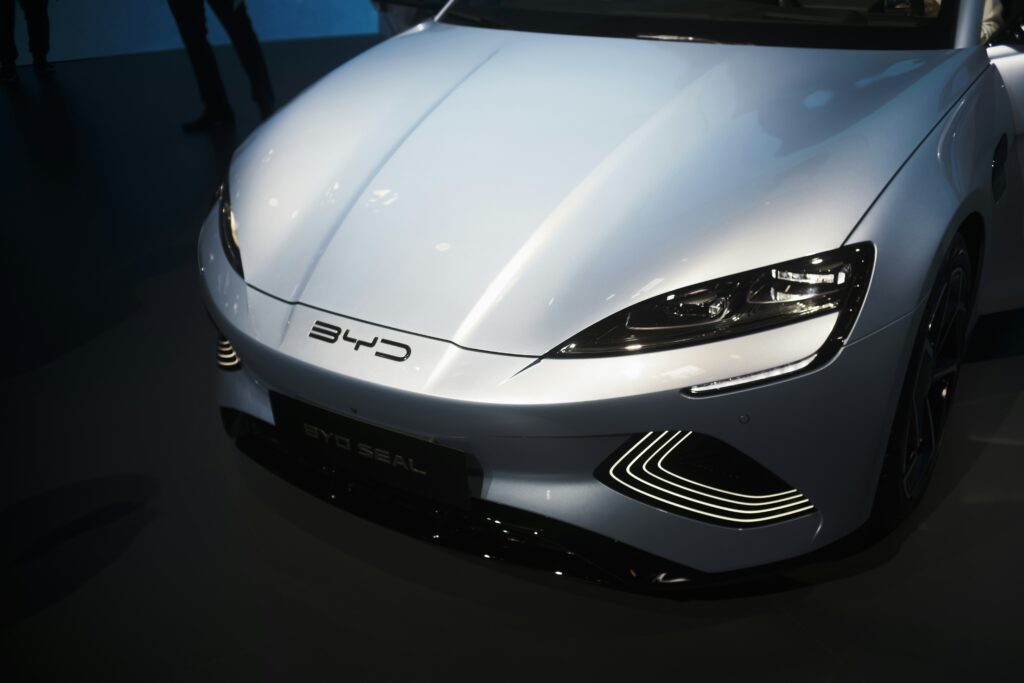
    BYD is arguably the most talked-about Chinese car brand in the world right now. In 2024, it overtook Tesla as the world’s best-selling electric vehicle brand, and 2025 has only solidified that position.

    • Popular models: BYD Seal, BYD Atto 3, BYD Han EV, BYD Dolphin
    • Why it stands out: BYD manufactures its own batteries (Blade Battery technology), giving it a significant cost and safety advantage.
    • Best for: EV buyers looking for range, safety, and value

    2. Chery Automobile

    Chery is one of China’s oldest and most experienced car exporters, with a strong presence across Africa, South America, and the Middle East. The brand is known for its reliable, affordable SUVs and sedans.

    • Popular models: Chery Tiggo 7 Pro, Tiggo 8 Plus, Arrizo 6 Pro
    • Why it stands out: Strong after-sales network in emerging markets and competitive pricing.
    • Best for: Family SUVs and budget-conscious buyers
    Chinese SUV quality 2025
    Modern Chinese SUVs like the Chery Tiggo and BYD Atto series offer premium build quality at prices that beat Japanese equivalents

    3. Geely Automobile

    Geely is the parent company of Volvo, Polestar, and Lotus — which tells you everything about its ambitions. The brand produces premium-feel vehicles at mid-range prices.

    • Popular models: Geely Coolray, Geely Emgrand, Geely Galaxy E5
    • Why it stands out: European design influence, advanced safety features, and strong hybrid lineup.
    • Best for: Buyers wanting a premium experience at an accessible price

    4. Great Wall Motors (GWM / Haval)

    Great Wall Motors operates several sub-brands including Haval, Tank, and ORA. Haval is particularly popular in Africa for its rugged, feature-rich SUVs.

    • Popular models: Haval Jolion, Haval H6, Tank 300, ORA Funky Cat (EV)
    • Why it stands out: GWM has one of the widest product ranges of any Chinese brand, covering everything from city SUVs to off-road vehicles.
    • Best for: SUV lovers and off-road enthusiasts

    5. SAIC Motor (MG Brand)

    SAIC’s MG brand has made a massive global comeback. Once a British icon, MG is now Chinese-owned and producing some of the most value-packed vehicles on the market.

    • Popular models: MG ZS EV, MG5 Electric, MG Hector, MG RX8
    • Why it stands out: Global recognition, wide dealer network, strong warranty packages.
    • Best for: First-time EV buyers and value-seekers

    6. Nio

    Nio is China’s answer to Tesla — a premium EV brand targeting tech-savvy, high-income buyers. Its unique battery-swap technology allows drivers to exchange depleted batteries in under 5 minutes.

    • Popular models: Nio ET5, Nio ES6, Nio EC7, Nio ES9
    • Why it stands out: Cutting-edge technology, over-the-air software updates, and a premium cabin experience.
    • Best for: Premium EV market
    Chinese EV charging infrastructure
    China’s EV brands are backed by world-class charging technology — increasingly relevant as Africa’s charging network grows

    7. Li Auto

    Li Auto focuses exclusively on extended-range electric vehicles (EREVs) — a smart hybrid that uses a small petrol engine as a generator to extend EV range. This makes it ideal for markets with limited charging infrastructure.

    • Popular models: Li L7, Li L8, Li L9, Li i8
    • Why it stands out: No range anxiety — perfect for long-distance driving without relying on charging stations.
    • Best for: Markets transitioning to EVs with limited charging infrastructure

    8. JAC Motors

    JAC (Jianghuai Automobile Corporation) has a long export history and is particularly popular in Nigeria and other West African markets. The brand offers affordable commercial vehicles, pickups, and SUVs.

    • Popular models: JAC T8 (pickup), JAC S3, JAC iEV series
    • Why it stands out: Excellent value for commercial buyers and reliable spare parts supply.
    • Best for: Commercial use and budget buyers in Africa

    Final Thoughts

    The rise of Chinese car brands is not a trend — it is a structural shift in the global automotive industry. Whether you’re looking for an affordable family SUV, a cutting-edge EV, or a rugged commercial vehicle, there is a Chinese brand built for your needs.

    African buyer with new Chinese vehicle
    Autoimport Africa gives you direct access to every brand on this list — new vehicles, clean titles, imported directly from China

    Ready to import any of these brands? Browse Autoimport Africa and let us help you source, ship, and clear your vehicle — with clean title guaranteed.

  • How to Import Cars from China: A Complete Guide

    How to Import Cars from China: A Complete Guide

    Why Import Cars from China?

    China has become one of the world’s largest and most competitive automobile manufacturers. From budget-friendly sedans to feature-packed electric vehicles (EVs), Chinese car brands like BYD, Chery, SAIC, Geely, and Great Wall Motors are producing vehicles that rival their Japanese, Korean, and European counterparts — often at significantly lower price points.

    For importers in Africa and other emerging markets, sourcing vehicles directly from China can mean substantial savings, access to newer technologies, and a wider range of models not available locally.

    China automotive manufacturing city
    China’s world-class automotive manufacturing hubs produce millions of vehicles each year — many of them destined for export to Africa

    Step 1: Research the Right Vehicle

    Before anything else, you need to identify what type of vehicle suits your market. Consider the following:

    • Vehicle type: Sedan, SUV, pickup truck, electric vehicle, or minibus?
    • Brand reputation: Stick to established manufacturers with proven track records.
    • Spare parts availability: Ensure parts are accessible in your destination country.
    • Fuel type: Petrol, diesel, hybrid, or electric — depending on local infrastructure.

    Step 2: Find a Reliable Supplier

    Sourcing from a trustworthy supplier is critical. Your main options include:

    • Authorized dealerships and exporters: Many Chinese manufacturers have official export divisions.
    • B2B platforms: Sites like Alibaba, Made-in-China.com, and Global Sources list thousands of verified auto exporters.
    • Trade fairs: The Canton Fair and Auto China (Beijing Motor Show) are excellent places to meet suppliers in person.
    • Sourcing agents: A reputable local agent in China can help vet suppliers, negotiate prices, and oversee quality control.

    Always verify supplier credentials, request references, and if possible, conduct a factory visit or hire a third-party inspection service.

    Chinese vehicle ready for export
    Working with verified suppliers and inspecting vehicles before shipment is key to a successful import

    Step 3: Understand Pricing and Payment

    Chinese car prices are typically quoted in three terms:

    • EXW (Ex Works): You handle all logistics from the factory gate.
    • FOB (Free on Board): The supplier covers costs until the car is loaded onto the vessel.
    • CIF (Cost, Insurance & Freight): The supplier covers shipping and insurance to your destination port.

    For payments, most transactions use a Letter of Credit (L/C) or Telegraphic Transfer (T/T). Avoid full upfront payments to unknown suppliers — use escrow or a 30/70 split (30% deposit, 70% on bill of lading).

    Step 4: Shipping Your Vehicle

    Cars from China are typically shipped via:

    • RoRo (Roll-on/Roll-off): Vehicles are driven onto the ship. Cost-effective for large volumes.
    • Container shipping: Cars are loaded into 20ft or 40ft containers. Better protection, ideal for high-value or new vehicles.

    Major Chinese export ports include Shanghai, Tianjin, Guangzhou, and Ningbo. Transit times to African ports like Lagos, Mombasa, or Durban typically range from 25 to 45 days.

    Step 5: Customs Clearance and Duties

    Once your vehicle arrives at the destination port, you’ll need to clear customs. Key documents required include:

    • Original Bill of Lading
    • Commercial Invoice
    • Packing List
    • Certificate of Origin
    • Vehicle Inspection Certificate

    Under Nigeria’s 2026 Fiscal Policy, import duty on fully built passenger vehicles has been reduced to 40% of the vehicle’s CIF value. Always consult a licensed clearing agent to avoid delays and penalties.

    Nigerian port customs clearing
    Customs clearing in Nigeria is smoother with professional help — Autoimport Africa handles this end-to-end for its customers

    Step 6: Compliance and Registration

    Ensure the vehicle meets your country’s standards before importing:

    • Right-hand vs left-hand drive: China produces both — confirm the correct specification.
    • Emissions standards: Check if the vehicle meets local regulations.
    • Homologation: Some countries require vehicles to be formally approved before registration.

    Once cleared, proceed with standard vehicle registration at your local motor licensing authority.

    The Autoimport Africa Advantage

    Rather than navigating all of the above alone, Autoimport Africa handles the complete process for you — from vehicle selection in China to customs clearing and home delivery in Nigeria. Every vehicle is new, sourced directly from manufacturers, with a clean title guaranteed.

    Ready to get started? Visit Autoimport Africa to browse our current inventory and place your order today.