Category: Review

  • EREV vs Pure EV: What’s the Difference and Which Is Right for African Driving Conditions?

    You’ve probably seen the term “EREV” popping up more frequently in Chinese car news recently — attached to models like the SAIC IM LS6, Avatr 07, and the Chery Fulwin X3L, all of which boast combined ranges exceeding 1,400 km. But what exactly is an EREV, how is it different from a fully electric car, and which is actually better suited to African driving conditions in 2026?

    This is the most important powertrain conversation happening in the automotive world right now — and for African buyers, the answer matters a great deal.

    What Is an EREV?

    An EREV — Extended Range Electric Vehicle — is primarily an electric car. Its wheels are driven entirely by electric motors, fed by a battery pack. However, it also carries a small petrol engine that functions purely as a generator. When the battery charge drops below a set threshold, the petrol engine starts and generates electricity to recharge the battery and sustain driving range.

    The critical distinction: the petrol engine in an EREV never directly drives the wheels. It only produces electricity. This means the driving feel, efficiency, and performance are all electric — the engine is invisible to the driver in normal operation.

    How Does This Compare to a Pure EV (BEV)?

    A Battery Electric Vehicle (BEV) has only an electric motor and battery. There is no petrol engine at all. You must charge it externally — at home, at work, or at a public charging station — to replenish its range.

    The key differences:

    Range: A modern BEV typically offers 400–750 km on a full charge. An EREV offers 400–500 km on pure electric, then continues with petrol-generated electricity for a combined total of 1,200–1,500 km before needing a petrol fill.

    Charging dependency: A BEV must be charged. If you cannot charge it, you cannot drive it. An EREV can be driven indefinitely as long as petrol is available — like a conventional car — while still giving you primarily electric driving on most trips.

    Running costs: Both are cheaper than a petrol car to run. A BEV that charges reliably will be cheaper than an EREV because it never buys petrol. An EREV that mostly drives on electricity is still dramatically cheaper than a full petrol vehicle.

    Weight and complexity: EREVs carry an extra engine and generator, making them slightly heavier and mechanically more complex than a BEV. However, because the engine is small (typically a 1.5T unit) and rarely under load, reliability concerns are minimal in practice.

    Real-World EREV Performance: The Numbers

    To understand why EREVs are causing excitement, consider the SAIC IM LS6 EREV, one of the most advanced examples currently available:

    • Pure electric range: 450 km (66 kWh battery version)
    • Combined CLTC range: 1,502 km
    • Acceleration (0–100 km/h): 6.4 seconds
    • Powertrain: 1.5T petrol generator + 230 kW rear electric motor
    • Fast charging: 310 km of range in 15 minutes

    Or the Avatr 07 EREV: 220–230 km pure electric range currently, scaling to 52 kWh battery with further range in its upgraded form, combined with Huawei Qiankun ADS 4.0 intelligent driving assistance.

    Why EREVs Make Particular Sense for Africa

    Unreliable grid power: In Nigeria, South Africa, Kenya, and across much of the continent, electricity supply is inconsistent. An EREV never strands you due to an empty battery — you always have petrol as a fallback. This is not a theoretical benefit; for millions of African drivers, it is a daily reality.

    Sparse charging infrastructure: Fast-charging networks are growing but remain thin outside major urban centres. An EREV driver does not need a charger for every journey — they charge when it’s convenient and use petrol when it’s not.

    Long-distance travel: Journeys of 400–700 km are common across Africa — Lagos to Abuja, Nairobi to Mombasa, Accra to Kumasi and back. An EREV handles these without any range anxiety or the need to plan around charging stops.

    Fuel savings where it counts: Most daily driving in African cities is under 100 km. An EREV owner with any charging access will complete the vast majority of their trips on electricity alone — spending on petrol only for longer journeys. The fuel savings are real and substantial.

    Who Should Choose a Pure EV vs an EREV?

    Choose a BEV if you:

    • Live or work near reliable charging (home charging or nearby public fast-charger)
    • Mostly drive within a city and rarely travel long distances
    • Want the absolute lowest running costs and zero petrol dependency

    Choose an EREV if you:

    • Need reliability regardless of grid availability
    • Regularly drive 300 km or more in a single trip
    • Want electric driving efficiency for daily use but petrol peace of mind for everything else
    • Live outside a major city or in an area with limited public charging

    For the majority of African drivers in 2026, the EREV sits in the sweet spot — delivering electric efficiency on most journeys while removing the infrastructure dependence that makes full BEV ownership challenging across much of the continent.

    Autoimport Africa stocks both BEV and EREV models sourced with clean titles directly from China. Browse our current listings or speak to our team to find the right fit for your driving conditions.

  • Hybrid vs Full-Electric: Which Powertrain Is Right for African Driving Conditions in 2026?

    Hybrid vs Full-Electric: Which Powertrain Is Right for African Driving Conditions in 2026?

    You’ve decided you want a Chinese vehicle. You’ve browsed the listings and the specs look impressive. But now comes the question that trips up most first-time importers: should I get a full electric vehicle (BEV), a plug-in hybrid (PHEV), or a range-extender (EREV)?

    Each of these technologies has genuine advantages — but in the African context, the right answer depends heavily on where you live, how you drive, and what your power situation looks like. This guide breaks it down simply.

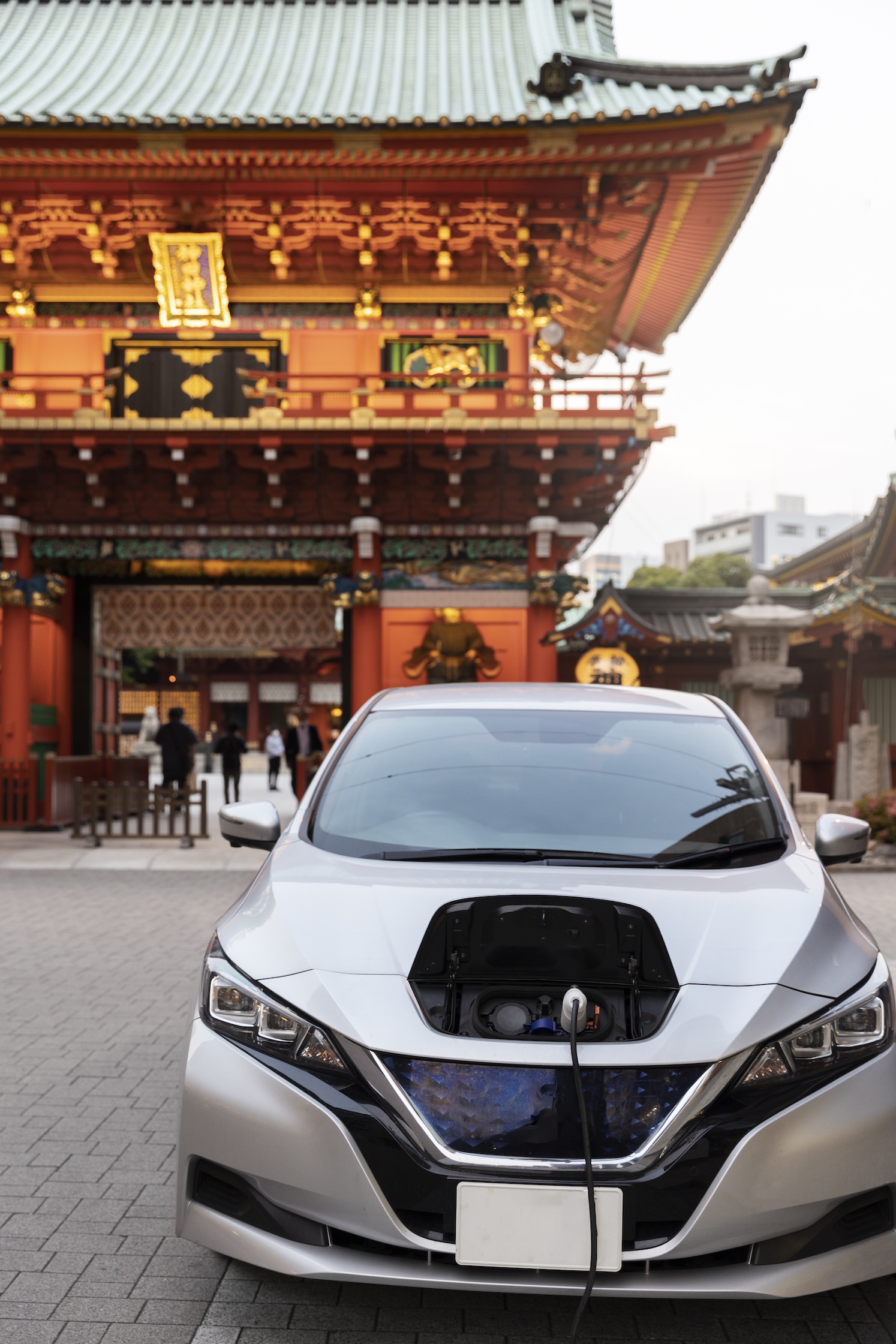
    Electric vehicle charging
    Understanding EV charging is key to choosing the right powertrain for your lifestyle

    Understanding the Three Technologies

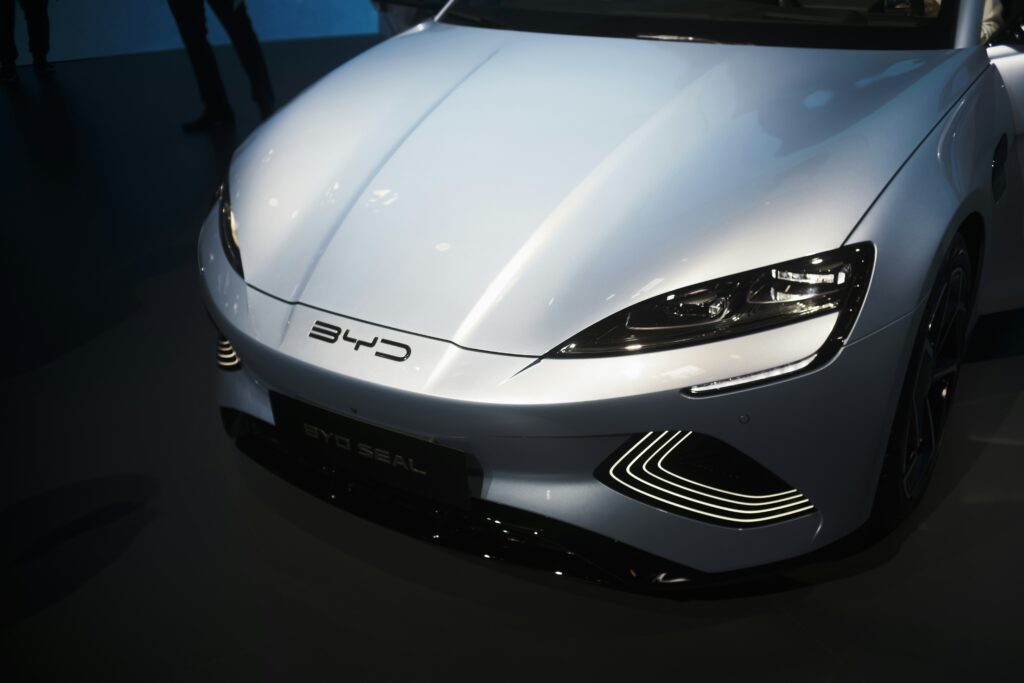
    BEV (Battery Electric Vehicle) — Pure electric. No petrol engine at all. You charge it from the grid or a charging station. Range is fixed by battery size. Examples: BYD Atto 3, BYD Seal, Nio ES9, Chery Fulwin X3.

    PHEV (Plug-in Hybrid Electric Vehicle) — Has both an electric motor and a petrol engine. You can charge the battery from a plug for electric-only driving, but the petrol engine kicks in when the battery runs low. Best of both worlds in theory. Examples: BYD Atto 8, BYD Sealion 6, BYD Shark 6.

    EREV (Extended Range Electric Vehicle) — Primarily electric, but has a small petrol engine that acts as a generator to recharge the battery while you drive. The petrol engine never directly drives the wheels — it only makes electricity. This gives you very long combined ranges (often 1,000km+) without needing to stop and charge. Examples: IM LS6, Avatr 06/07/12, Chery Fulwin X3L, Li Auto L series.

    The African Reality Check

    Before comparing vehicles, be honest about three things:

    • Your charging access: Do you have a reliable place to charge at home or work? Or do you depend entirely on public infrastructure?
    • Your grid reliability: How often do you experience power cuts? Hours per day? Days per week?
    • Your driving patterns: Are you mostly city driving with predictable short trips? Or do you do long inter-city routes regularly?
    City traffic and roads
    Urban driving patterns across African cities make the BEV vs PHEV vs EREV choice very personal

    Pure EVs (BEVs): Great If Your Conditions Are Right

    A pure electric vehicle is the cheapest to run over its lifetime — no petrol costs, lower maintenance, fewer moving parts. For city drivers in Lagos, Nairobi, or Accra who can charge overnight at home, a BEV makes a lot of sense.

    The Achilles heel in Africa is infrastructure. Nigeria’s public charging network is still in early stages. If you can’t charge at home and you rely on public chargers, range anxiety becomes a real daily concern. The BYD Atto 3 (new gen) with flash charging helps — 15–20 minutes on a fast charger can add 200km+ of range. But fast chargers need to actually exist near you.

    Best for: City dwellers with home charging, short daily commutes under 150km, buyers who prioritise lowest running costs.

    PHEVs: The Practical African Compromise

    PHEVs are arguably the most practical choice for most African buyers right now. You get 40–100km of pure electric range for your daily city driving (covering most people’s daily mileage in electric mode), and then the petrol engine handles everything beyond that.

    No range anxiety. No dependence on public charging infrastructure. Fill up at any petrol station when you need to. But when power is available, you’re running mostly electric and cutting fuel costs significantly.

    PHEV vehicle ready for road
    PHEVs offer the best of both worlds — electric efficiency in the city with petrol backup for longer trips

    The BYD Shark 6 pickup and Sealion 6 SUV are strong examples — built for African utility and terrain, with petrol backup for long trips or low-grid environments.

    Best for: Buyers in areas with inconsistent electricity, those doing a mix of city and long-distance driving, fleet operators, and anyone who can’t yet guarantee reliable daily charging.

    EREVs: The Best Range in the Game

    EREVs are the dark horse of this comparison. They’re technically electric vehicles — the wheels are powered by electric motors — but they carry a small petrol engine that generates electricity when the battery is depleted. The result is combined ranges of 1,000km to 1,500km.

    The new IM LS6 EREV gets a 1,502km combined range. The Avatr 07 EREV covers over 1,000km combined. These numbers make inter-city travel in countries with sparse charging networks completely stress-free.

    Best for: Long-distance drivers, inter-city travel, buyers in areas with no charging infrastructure, those who want an EV experience without any of the range limitations.

    The Verdict for African Buyers

    Urban buyer with home charging: BEV — lowest cost, best for the environment, practical for city use.

    Mixed urban/rural buyer, uncertain grid: PHEV — flexible, practical, no infrastructure dependency.

    Long-distance driver or rural buyer: EREV — best range in any conditions, electric-smooth, petrol-backed freedom.

    The good news is that Chinese automakers offer all three — at prices significantly more competitive than Japanese or European alternatives. And through Autoimport Africa, you can access all three powertrain types directly from China, with full transparency on specs and pricing before you commit.

  • Hybrid vs Full-Electric: Which Powertrain Is the Smarter Buy for African Roads in 2026?

    Hybrid vs Full-Electric: Which Powertrain Is the Smarter Buy for African Roads in 2026?

    If you’re shopping for an imported vehicle in Africa in 2026, one of the most important decisions you’ll make isn’t about the brand or the colour — it’s about the powertrain. Should you go fully electric? Or is a plug-in hybrid or range-extender vehicle (EREV) a smarter choice for African roads and conditions?

    This guide breaks it down honestly, without hype.

    Understanding the Three Options

    BEV (Battery Electric Vehicle) — runs entirely on electricity. No petrol engine at all. You charge it at home, at work, or at a public charging station. Examples: BYD Seal, BYD Dolphin, Li Auto i8.

    PHEV (Plug-in Hybrid Electric Vehicle) — has both an electric motor and a petrol engine. You can charge it to drive on electricity for short trips (typically 50–100 km), and the petrol engine kicks in when the battery runs low. Examples: BYD Atto 8, BYD Sealion 6, BYD Shark.

    EREV (Extended-Range Electric Vehicle) — primarily electric, but carries a small petrol generator that charges the battery when it runs low. The petrol engine does not directly drive the wheels — it only generates electricity. This gives you 400–500 km of pure electric range and 1,200–1,500 km of combined range. Examples: SAIC IM LS6 EREV, Avatr 07, Chery Fulwin X3L EREV.

    The African Reality Check

    Before choosing, you need to be honest about four things that are specific to driving in Africa:

    1. Power Grid Reliability
    In Nigeria, South Africa, and many other African countries, electricity supply is inconsistent. Load-shedding in South Africa and grid failures in Nigeria mean you cannot always rely on being able to charge overnight. A BEV depends entirely on charging — if the grid is down for 12 hours, you might leave home with less charge than you planned.

    PHEVs and EREVs solve this problem. Their petrol backup means you are never stranded regardless of the grid situation.

    2. Charging Infrastructure
    Public fast-charging networks are growing rapidly — BYD alone is building 300 stations in South Africa by end-2026 — but they are still sparse compared to Europe or China. If you live outside a major city, reliable public charging may not yet exist near you. A petrol-backup vehicle insulates you from this gap entirely.

    3. Long-Distance Travel
    Many African drivers regularly cover 300–600 km in a single trip — Lagos to Abuja, Nairobi to Mombasa, Johannesburg to Durban. A BEV with 500 km of range is workable, but cutting it close on a highway with no charger in sight is stressful. An EREV with 1,400+ km of combined range removes that anxiety completely.

    4. Fuel Costs and Savings
    All three powertrain types save money on fuel compared to a traditional petrol vehicle. But the savings depend on how much you charge versus how much you fill up with petrol. A BEV user who can charge reliably will have near-zero fuel costs. A PHEV user who mostly drives short city trips on electricity will also save significantly. An EREV user benefits from electric efficiency on most trips, with petrol only activating on longer journeys.

    Our Recommendation for African Buyers in 2026

    For most African buyers today, a PHEV or EREV is the smarter choice — not because BEVs are inferior, but because the infrastructure to support BEV ownership reliably does not yet exist across most of the continent.

    The sweet spot is an EREV from a brand like BYD, Chery, SAIC, or Avatr. You get the majority of your daily driving done on clean, cheap electricity, and the petrol range-extender is there when you need it — for long trips, power outages, or simply peace of mind.

    As charging infrastructure improves over the next 3–5 years, the case for going fully electric will strengthen. For now, the EREV is Africa’s most practical new energy vehicle.

    Bottom Line

    • City driver, reliable electricity, short commutes: BEV works well.
    • Mixed driving, moderate charging access: PHEV is ideal.
    • Long-distance travel, unreliable grid, want the best of both worlds: EREV is the best choice in Africa right now.

    Browse Autoimport Africa’s range of BEVs, PHEVs, and EREVs — all sourced with clean titles directly from China — and speak to our team to find the right fit for your driving life.

  • Sunday China Drive | Li Auto i8: three-row electric SUV with MPV-like design

    Sunday China Drive | Li Auto i8: three-row electric SUV with MPV-like design

    The Li Auto i8 is the company’s second fully electric vehicle, following the Li Mega MPV. It enters the market officially as a large three-row pure electric SUV positioned in the mid-to-high-end family segment.

    With dimensions of 5085/1960/1740 mm and a wheelbase of 3,050 mm, the i8 competes with other mid-to-large electric SUVs but borrows heavily from the MPV playbook. The model adopts a low-drag design with a coefficient of 0.218 Cd, among the lowest for its size.

    Li Auto i8 large electric SUV
    The Li Auto i8 blends large SUV packaging with MPV practicality — a three-row family vehicle with class-leading aerodynamics

    Exterior

    The i8 features a streamlined body that reduces air resistance. The front fascia moves the daytime running light strip to the hood line, giving a minimalist appearance where headlights seem hidden. Signal lamps are only 7 mm tall, one of the thinnest in the industry. From the side, the vehicle resembles a teardrop, with flush surfaces and a gradually sloping roofline to improve airflow.

    In person, the silhouette is less SUV-like and closer to a large MPV, with a long cabin profile and upright glass areas that emphasize interior space over ruggedness. Black paint is applied above the beltline, including the roof and pillars, to lower the silhouette visually.

    Interior

    The i8’s cabin keeps Li Auto’s familiar dual-screen front layout, now joined by a small steering wheel display and a large HUD. The lower seating position and distant windshield create a more car-like cockpit, with sportier seats featuring higher bolsters. Ambient lighting adds full-length LED strips.

    In the second row, a zero-gravity seat with extended leg support is operated through voice or screen controls. A foldable tray, climate display, and large refrigerator add utility, while a 21-inch motorized roof display comes bundled with a streaming rearview mirror. The third row provides one of the more natural seating positions in the segment, with adequate legroom and a flat floor.

    Premium Chinese SUV interior technology
    The i8’s cabin features a 21-inch rear display, zero-gravity seats, and ambient lighting — a premium family experience

    Driving Experience

    In urban driving, adaptive damping helps the vehicle absorb broken pavement and speed bumps. Noise insulation is strong, keeping tire and suspension sounds in check at urban speeds. On highways, the Li Auto i8 feels stable and secure, aided by a wide track, carefully tuned suspension, and well-balanced weight distribution. The dual-motor AWD version delivers brisk acceleration and strong passing power.

    Regenerative braking has been carefully calibrated, with multiple levels allowing both light deceleration and near one-pedal driving. Energy consumption averages around 17 kWh/100 km, and the i8 supports Li Auto’s 5C fast-charging network for rapid recharging on long trips.

    Fast charging for long-range EV
    The i8 supports Li Auto’s 5C fast-charging network — enabling quick top-ups on long-distance journeys

    Verdict

    The Li Auto i8 is officially positioned as a family-oriented three-row electric SUV, yet in practice its design and cabin layout lean strongly toward MPV characteristics. It prioritizes aerodynamics and efficiency while offering practical features such as the zero-gravity seat, 21-inch rear display, and large refrigerator. Driving dynamics surpass the brand’s earlier L series models, and efficiency paired with 5C charging enhances usability. Overall, the i8 consolidates Li Auto’s presence in the electric people-mover segment, delivering a product that blends SUV marketing with MPV practicality.

  • How to Pick the Right Vehicle for You as a Working Class Nigerian

    How to Pick the Right Vehicle for You as a Working Class Nigerian

    Buying a car as a working-class Nigerian is one of the biggest financial decisions you’ll make. With rising fuel prices, unpredictable road conditions, traffic congestion in major cities, and the ever-present challenge of vehicle maintenance costs, picking the wrong car can be a serious financial drain. The right vehicle, on the other hand, can improve your quality of life significantly.

    This guide is written specifically for the everyday Nigerian professional — the banker, teacher, civil servant, entrepreneur, or small business owner who needs a car that works hard without breaking the bank.

    Step 1: Define Your Actual Needs

    Before you look at prices or brands, be honest about how you’ll use the car. Ask yourself:

    • Daily commute distance: Are you driving 10km or 60km daily?
    • Road types: Do you mostly drive on smooth city roads or rough, unmaintained routes?
    • Passenger needs: Is it just you, or are you regularly carrying family members?
    • Cargo needs: Do you need to move goods, equipment, or bulky items?
    • Fuel access: Is fuel readily available in your area, or do you face constant scarcity?
    Nigerian city roads and traffic
    Your daily driving environment — whether city traffic or rural roads — is the single most important factor in choosing the right vehicle

    Step 2: Set a Realistic Budget

    Your total vehicle budget should cover more than just the purchase price. Factor in:

    • Purchase price (new or Tokunbo)
    • Customs duties (if importing)
    • Registration and licensing fees
    • Insurance (mandatory in Nigeria)
    • First service and minor repairs
    • Emergency repair fund — set aside at least 10–15% of the car’s value

    A general rule: don’t spend more than 30–40% of your annual income on a vehicle.

    Step 3: New vs. Tokunbo (Used) vs. Direct Import

    Working-class Nigerians typically have three options:

    Brand New (from local dealership)

    Pros: Full warranty, latest features, no hidden faults.
    Cons: Higher upfront cost, significant depreciation in year one.

    Tokunbo (Foreign Used)

    Pros: Lower cost, wide availability, most spare parts are readily available.
    Cons: Unknown history, potential hidden issues, high mileage.

    Direct Import (from China through Autoimport Africa)

    Pros: Brand new vehicle, clean title guaranteed, competitive pricing direct from source, full manufacturer warranty.
    Cons: 6–10 week lead time.

    Nigerian buyer choosing vehicle wisely
    Autoimport Africa makes direct China imports accessible to every Nigerian — browse, order, and track your vehicle entirely online

    Step 4: Prioritise Fuel Efficiency

    With petrol prices at record highs in Nigeria, fuel efficiency is not optional — it’s essential. Look for vehicles with:

    • Engine size of 1.4L to 2.0L for daily driving — anything above 2.5L will drain your wallet.
    • PHEV or EREV options if your budget allows — Chinese brands like BYD and Chery offer hybrid models that run primarily on electricity in the city.
    • Diesel engines for long-distance or intercity driving — better fuel economy per litre.

    Step 5: Consider Spare Parts Availability

    This is one of the most important — and most overlooked — factors for Nigerian buyers. A car is useless if you can’t maintain it affordably. Before buying, ask:

    • Are spare parts for this model widely available in Lagos, Abuja, Port Harcourt, or your city?
    • How expensive are the parts?
    • How many mechanics in your area can service this brand?

    Brands with excellent parts availability in Nigeria include Toyota, Honda, Hyundai, Kia, and Nissan. For Chinese brands, Chery, JAC, and MG are growing their parts networks in Nigeria rapidly.

    Step 6: Match the Car to Your Road Reality

    If you live in Lagos or Abuja (city driving)

    You need something fuel-efficient, compact, and easy to maneuver in traffic. Great options:

    • Toyota Corolla / Yaris
    • Honda Fit / Jazz
    • Chery Arrizo 6
    • BYD Dolphin (if home charging available)
    • MG5

    If you drive on rough or rural roads

    You need ground clearance and a robust suspension. Great options:

    • Toyota RAV4 / Hilux
    • Haval Jolion or H6
    • Chery Tiggo 7 Pro
    • JAC T8 (pickup)
    • Chery Fulwin X3 (electric off-road)
    SUV for Nigerian roads
    For rough roads and varied terrain, an SUV with good ground clearance is often the smarter long-term investment

    If you need a family vehicle

    Prioritise space, safety, and reliability:

    • Toyota Camry
    • Honda Accord
    • Geely Coolray
    • BYD Atto 3 (if charging is available)
    • BYD Sealion 6 PHEV (no charging dependency)

    Step 7: Don’t Ignore Insurance

    Third-party insurance is mandatory in Nigeria under the law. Comprehensive insurance, while more expensive, protects your investment from theft, accidents, and damage. Given the state of Nigerian roads and traffic, comprehensive cover is worth it for any car above ₦2 million in value.

    Red Flags to Avoid When Buying

    • 🚩 No engine number or chassis number visible
    • 🚩 Seller is unwilling to let you take the car to your mechanic
    • 🚩 Unusually low price with no clear explanation
    • 🚩 Signs of flood damage (water stains, musty smell, rust under mats)
    • 🚩 Mismatched paint panels or signs of body repair
    • 🚩 No valid customs papers for an imported vehicle

    Final Thoughts

    The right car for a working-class Nigerian is not necessarily the most expensive one or the most fashionable one — it’s the one that fits your budget, suits your roads, and won’t drain your finances on fuel and repairs. Do your research, inspect before you buy, and never rush the process.

    Need help finding and importing the right vehicle at the best price? Autoimport Africa has you covered. Every vehicle we import is brand new, clean title guaranteed, direct from China — browse our listings and find your perfect match today.