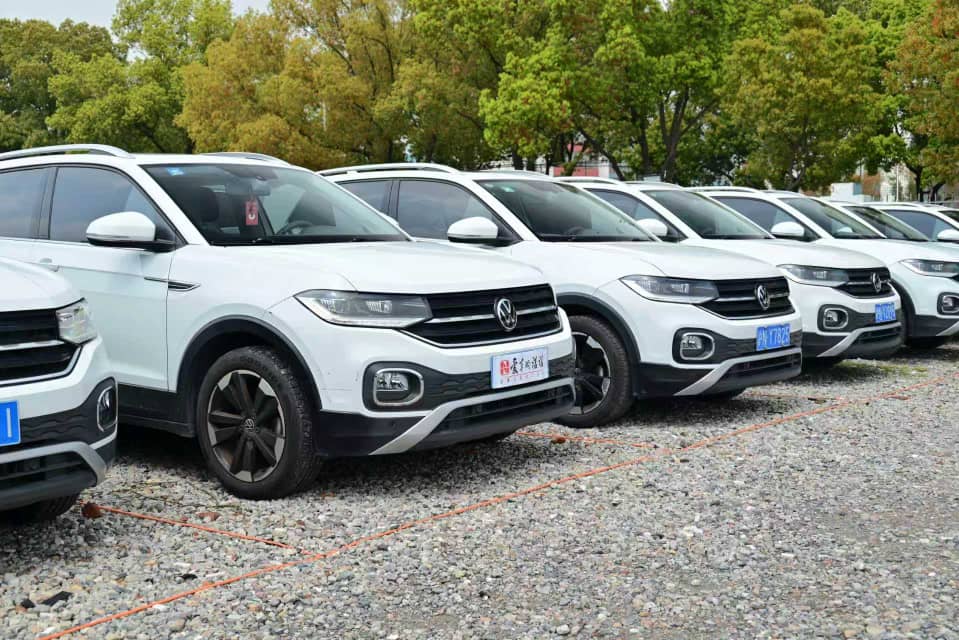
Something interesting is happening in the global car market — and African importers stand to benefit enormously from it.
China, the world’s largest auto producer and exporter, is experiencing a significant slowdown in its domestic car market in 2026. Sales at home are down, a brutal price war is squeezing margins, and production capacity is running well above domestic demand. So where is all that production going? Overseas. And Africa is one of the most important destinations.

China’s Domestic Market Is Slowing
After years of explosive growth driven by government trade-in subsidies, China’s auto market entered 2026 on weak footing. January and February 2026 saw vehicle sales fall roughly 22.9% year-on-year as subsidy programmes were scaled back and Lunar New Year timing shifted demand. While the market has since stabilised, overall growth projections for 2026 are just 1% — down sharply from 9.4% growth in 2025.
Domestically, Chinese automakers are fighting each other in an intense price war. BYD, Chery, Geely, SAIC, and dozens of other brands are all chasing the same buyers with increasingly aggressive discounts. Profit margins are under severe pressure. For producers, the only way to maintain healthy operations is to grow exports.
Exports Are Surging — Africa Is a Key Destination
China closed 2025 with a record 7.1 million vehicle exports — cementing overseas markets as a core outlet for industry growth. That momentum has carried into 2026. In the first two months of 2026 alone, exports reached approximately 1.35 million units — roughly 48% ahead of the same period in 2025.
The export mix is also shifting rapidly. Nearly 43% of China’s auto exports are now new energy vehicles (NEVs) — electric, plug-in hybrid, and extended-range models. This means Africa is increasingly receiving not just affordable cars, but genuinely modern, technology-rich vehicles.

Why This Creates an Opportunity for African Buyers
When a manufacturer has more supply than domestic demand, three things happen: prices get competitive, inventory choices expand, and export programmes become a strategic priority rather than an afterthought.
For African buyers importing from China in 2026, this translates to:
- More competitive pricing: China’s domestic price war has driven new vehicle prices down significantly. Smaller margins at home mean manufacturers are willing to compete aggressively on export pricing too.
- Greater model variety: More brands and models are being made export-ready than ever before. Vehicles that were previously only available in China are increasingly coming with right-hand drive options and global homologation.
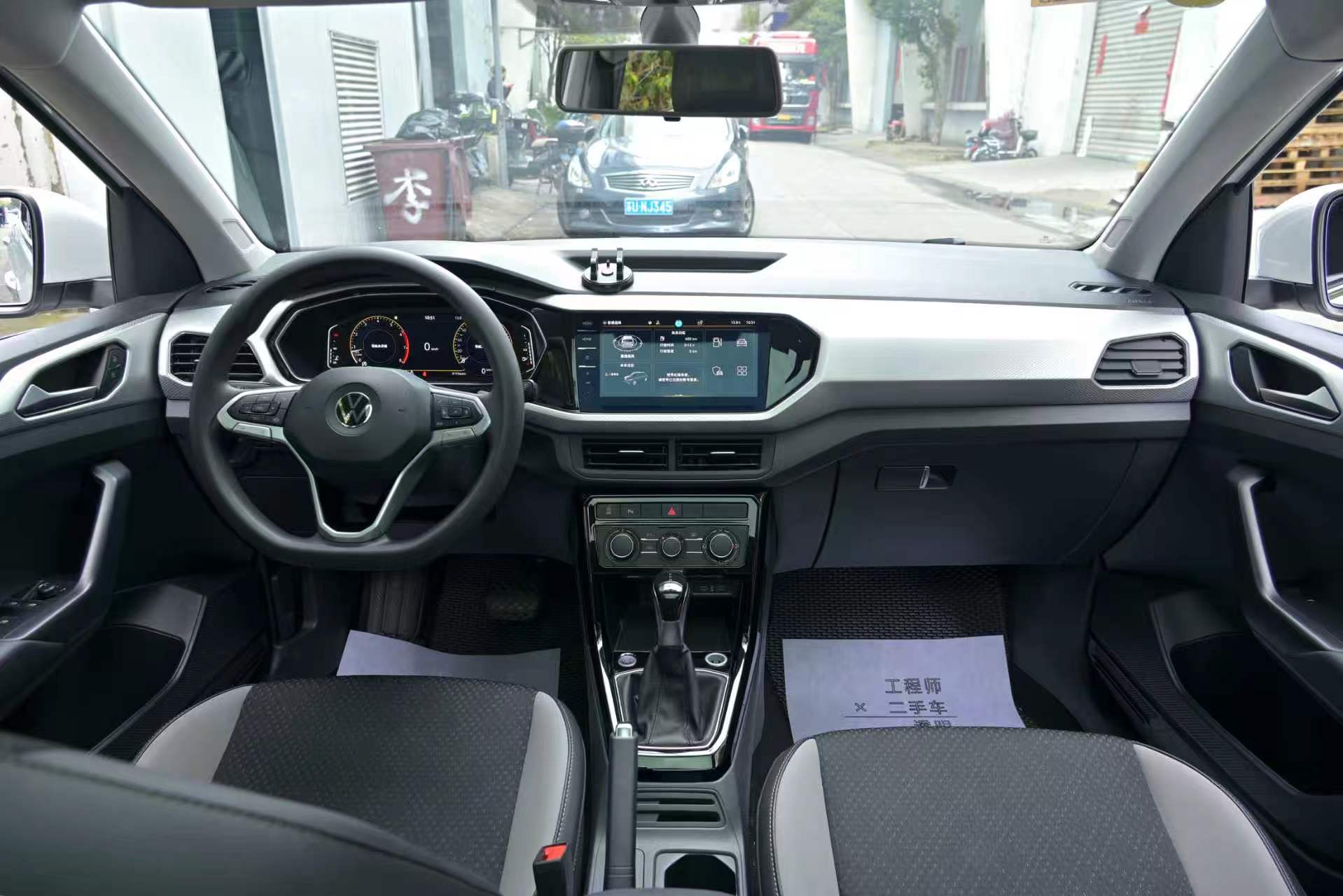
- Newer technology at lower price points: The pressure to innovate domestically means Chinese brands are putting advanced ADAS, large displays, and long-range battery technology into mass-market vehicles — not just premium ones.
- Motivated sellers: Chinese manufacturers and trading companies are actively courting African markets. This creates better service conditions, better after-sales support development, and more flexible payment arrangements for bulk or fleet buyers.
The NEV Export Shift Is Especially Important for Africa
The fact that nearly half of China’s exports are now electrified vehicles is a game-changer for Africa. Previously, most Chinese vehicles reaching the continent were conventional petrol or diesel models. Now, the same export wave is bringing PHEVs and EREVs at price points that make clean transportation genuinely accessible.
A PHEV SUV from China now costs less than a used Japanese petrol SUV of equivalent age and spec — but offers electric efficiency for daily city driving, petrol backup for long trips, and significantly lower running costs over time.

How to Take Advantage of This Moment
The window to get the best combination of price, choice, and model freshness is now. As Chinese exports become more structured and regulated in coming years — and as African governments introduce more formal certification and import requirements — buying directly from source through a trusted importer platform remains the most cost-effective route.
Autoimport Africa is built for exactly this moment — giving African buyers direct access to China’s full vehicle market, with clean titles, transparent pricing, and end-to-end logistics support. The global export surge is your opportunity. Make the most of it.