Category: Industry

  • First-Time Buyer’s Guide to Importing a New Car from China Through Autoimport Africa

    First-Time Buyer’s Guide to Importing a New Car from China Through Autoimport Africa

    Buying your first new car is a significant milestone. It’s also one of the most consequential financial decisions most people make — and in Nigeria, it’s one where the stakes of making the wrong call are particularly high.

    The traditional path — visit a dealer, browse their limited inventory, trust their account of a car’s condition, pay a premium — has served generations of Nigerian car buyers. But it has also produced generations of buyers who discovered structural damage months after purchase, paid far over market value, and had no recourse when the car turned out to be different from what was described.

    Autoimport Africa exists to give first-time buyers a better option. This guide is written specifically for you.

    First-time car buyer researching on tablet
    With Autoimport Africa, first-time buyers can research, select, and order their vehicle entirely online — with full transparency

    Start With a Realistic Total Budget

    Before looking at any specific vehicle, establish your total budget — not just for the car, but for the full import cost. As detailed in our cost breakdown guide, importing a vehicle from China involves:

    • Vehicle price
    • Shipping and insurance
    • Customs duty (40% of CIF value under 2026 tariff)
    • Port handling and clearing fees
    • Optional home delivery

    A useful rule of thumb: budget approximately 55–65% on top of the vehicle’s USD price to arrive at a full landed naira cost. So if a vehicle costs $15,000, budget for approximately $23,000–$25,000 equivalent in naira for the full delivered cost.

    Choose the Right Vehicle Type for Your Life

    The best car for you depends on where you live and how you drive, not on what looks impressive or what a friend recommended.

    Ask yourself:

    • Do I mostly drive within a city (under 80km/day)?
    • Do I have a reliable place to charge a vehicle at home or at work?
    • Do I take long inter-city trips regularly?
    • How reliable is my power supply?
    • Do I need to carry more than 5 passengers regularly?
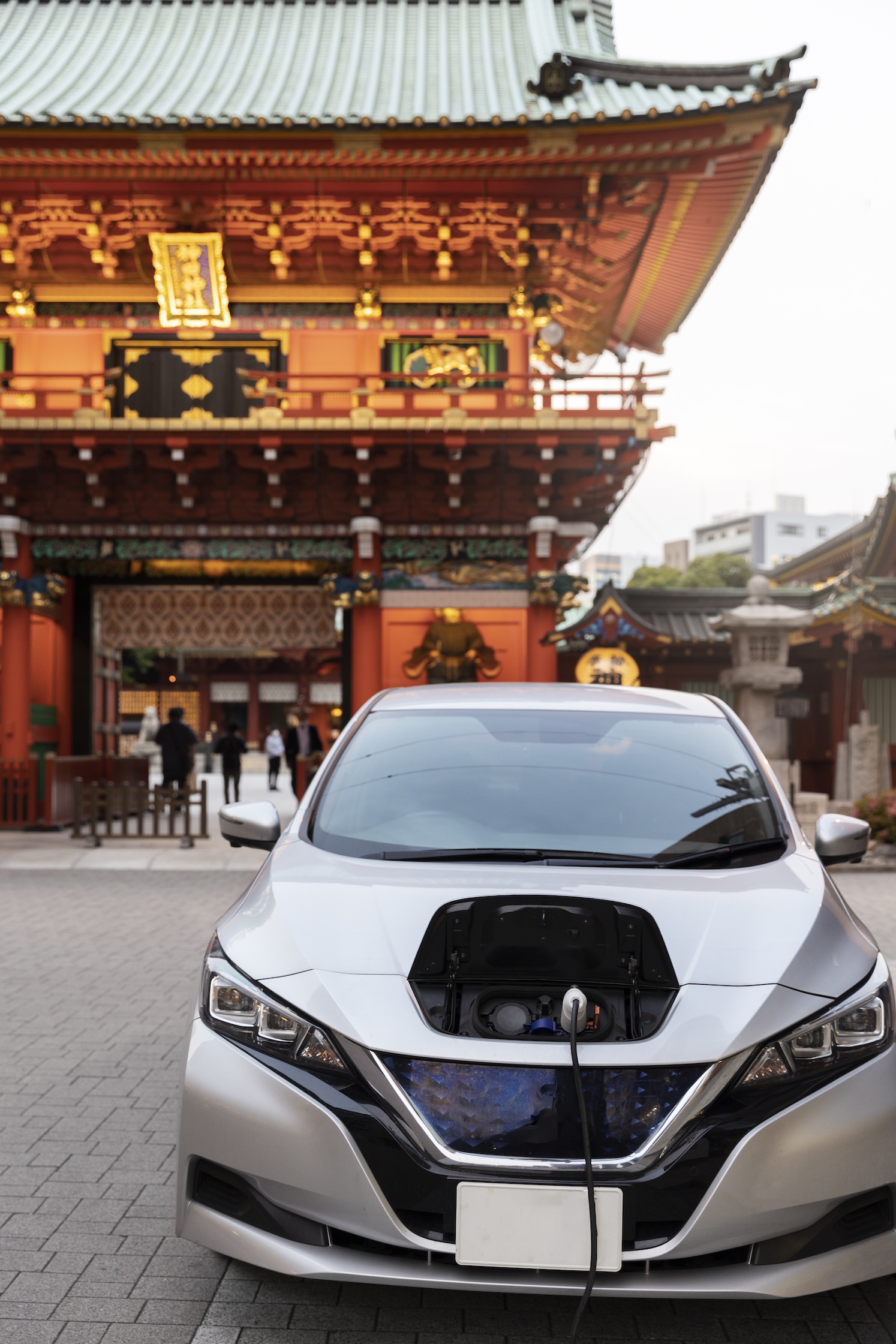
    EV charging options
    If you can charge at home, a pure BEV offers the lowest running costs — but a PHEV or EREV is more practical if your power supply is unreliable

    If you drive short city routes and can charge at home, a pure EV like the BYD Atto 3 or BYD Dolphin gives you the lowest running costs. If your driving is more varied or your power is unreliable, a PHEV or EREV is the more practical choice. Our buying guide covers this in detail in the Hybrid vs. Full Electric article on this blog.

    Don’t Get Seduced by Specs Alone

    Chinese vehicles come with impressive feature lists — large screens, many speakers, massage seats, panoramic roofs. These are genuine features, but they shouldn’t be your primary decision criteria. Focus on:

    • Powertrain reliability: BYD, Chery, Geely, and SAIC have proven track records in export markets. Newer brands may have less documented long-term reliability data.
    • Parts availability: As Chinese brands expand their African presence, parts availability is improving — but for some models, parts may need to be ordered from China. Ask about this before you buy.
    • Warranty terms: Confirm what is covered, for how long, and whether the warranty is honoured through a local service partner or requires China-based support.

    Why Buying New Beats Buying Used for First-Time Buyers

    For a first-time buyer, the appeal of a used car is usually price. But consider what you’re actually getting with a used car in Nigeria:

    • Unknown accident history (often undisclosed)
    • Unknown maintenance history
    • No manufacturer warranty remaining
    • Depreciation already absorbed by the previous owner — but you’re still paying close to market value

    A new vehicle from Autoimport Africa gives you:

    • Full manufacturer warranty from day one
    • Zero prior history — no accidents, no repairs, no secrets
    • The latest model year with the latest technology
    • Predictable, documented costs from purchase to delivery
    New vehicle delivered to buyer
    Your first car purchase should come with zero hidden history — that’s exactly what Autoimport Africa delivers

    For a first-time buyer making a major financial decision, certainty is valuable. Buying new eliminates the biggest categories of risk that used car buyers face.

    Use the Customer Support Chat

    If you’re not sure which vehicle is right for your situation, Autoimport Africa’s customer service team is there to help — before you buy. Describe your driving patterns, your budget, your power situation, and any specific requirements. Our team will guide you to the vehicles most likely to serve you well.

    This is your first major vehicle purchase. Get it right. And when you do, enjoy it — a new car with a clean title and a full warranty is an excellent foundation for the years of driving ahead.


  • Naira vs Dollar: How to Manage Currency Risk When Importing a Car from China

    Naira vs Dollar: How to Manage Currency Risk When Importing a Car from China

    Nigeria’s naira has faced severe volatility since 2023. For anyone trying to import a vehicle, this creates a real planning challenge: how do you budget for a purchase that involves foreign currency (the vehicle price in USD or CNY), shifting exchange rates, and a multi-week import timeline during which the rate could move significantly?

    This guide is designed to help you think through currency risk when importing through Autoimport Africa — so you can plan effectively, protect your budget, and avoid the most common financial mistakes.

    Nigerian financial planning
    Understanding currency risk is essential for anyone importing a vehicle from China to Nigeria

    Why Currency Risk Matters in Vehicle Importing

    When you import a vehicle from China, several costs are denominated in USD or Chinese Yuan (CNY):

    • Vehicle purchase price
    • Ocean freight
    • Marine insurance
    • Sometimes customs duty (assessed on CIF value in USD)

    Between the time you decide to import and the time your vehicle clears customs, 6–10 weeks can pass. If the naira weakens by 10–15% during that window — as it has done several times in recent years — your total naira cost increases proportionally, even though your USD cost stays the same.

    Three Scenarios: How Exchange Rate Movement Affects Your Total Cost

    Let’s use a vehicle with a CIF value of $16,500 and a 40% customs duty as an example:

    Scenario A — Stable exchange rate (₦1,600/$):

    • Vehicle + freight + insurance: $16,500 = ₦26.4 million
    • Customs duty (40%): $6,600 = ₦10.56 million
    • Port and clearing fees: ~$1,000 = ₦1.6 million
    • Total: ~₦38.6 million

    Scenario B — Naira weakens to ₦1,800/$ during import:

    • Vehicle + freight + insurance: $16,500 = ₦29.7 million
    • Customs duty: $6,600 = ₦11.88 million
    • Port and clearing fees: ~$1,000 = ₦1.8 million
    • Total: ~₦43.4 million — ₦4.8 million more than Scenario A

    Scenario C — Naira strengthens to ₦1,400/$ during import:

    • Total: ~₦33.7 million — ₦4.9 million less than Scenario A

    The lesson: exchange rate movement can swing your total naira outlay by several million naira in either direction over a typical import timeline.

    Nigerian buyer making decisions
    Paying early and budgeting conservatively are the two most effective ways to protect yourself from exchange rate swings

    How to Reduce Currency Risk When Importing

    1. Pay early and in full: Once you’ve committed to a purchase, the best way to lock in your cost is to pay as quickly as possible. Delaying payment while the naira moves is speculative — you might save money, but you might also lose it.

    2. Budget conservatively: When planning your import budget, use a naira/USD rate that is 10–15% weaker than the current rate. If the rate holds or improves, you’ll have a surplus. If it weakens, you won’t be caught short.

    3. Buy USD in advance: If you’re serious about importing and watching rates, buying and holding the USD you need for the purchase before placing your order removes exchange rate risk entirely from your planning.

    4. Consider EVs and vehicles with lower duty exposure: Electric vehicles are exempt from the new Green Tax surcharge (from July 2026) and may qualify for reduced excise duties. The lower effective duty rate reduces the portion of your cost exposed to exchange rate movement.

    5. Understand what’s fixed vs. variable: Your vehicle price in USD is agreed at the time of purchase — exchange rate movement affects how much that costs in naira, but not the USD amount. Customs duty, however, is assessed when your vehicle clears the port — at whatever rate applies on that day.

    How Autoimport Africa Helps You Plan

    African buyer planning vehicle import
    Autoimport Africa shows you the full cost breakdown upfront — so you can plan your naira budget before committing

    Autoimport Africa provides transparent, upfront pricing in USD for every vehicle listed on the platform. We show you the full cost breakdown at the time of purchase — vehicle, freight, insurance, and estimated duties — so you can calculate your naira exposure before committing.

    For buyers who want a detailed landed cost estimate before placing an order, our team can provide this based on current exchange rates and the specific vehicle you’re interested in. Reach out through the platform’s customer support chat before ordering if you’d like help planning your budget.

    Import confidently. Know your numbers in advance.

  • How Long Does It Take to Import a Car from China to Nigeria? The Honest Timeline

    How Long Does It Take to Import a Car from China to Nigeria? The Honest Timeline

    One of the most persistent myths about importing vehicles from China is that the process takes forever. Six months of waiting. Vehicles stuck at ports. Endless back and forth with agents.

    Some of that reputation comes from bad experiences with unorganised individual importers. None of it reflects how Autoimport Africa operates.

    Here is the realistic, honest timeline for importing a new vehicle from China to Nigeria through Autoimport Africa — and the factors that affect each stage.

    Nigerian port and logistics
    Understanding the full import timeline helps you plan your vehicle purchase with confidence

    Stage 1: Vehicle Procurement in China (3–7 Days)

    After your order is confirmed and payment processed, our China-based sourcing team gets to work. For in-stock vehicles, procurement is fast — the vehicle exists, we purchase it from the manufacturer or authorised dealer, and confirm it against your order specifications.

    What happens in this stage:

    • Vehicle purchase confirmed with Chinese manufacturer or dealer
    • VIN verified and matched to your order
    • Pre-shipment condition check completed
    • Export documentation initiated

    Stage 2: Export Documentation and Port Processing (5–10 Days)

    Chinese export compliance involves several regulatory steps. Our team handles all of this:

    • Export license obtained
    • Commercial invoice and packing list prepared
    • Bill of lading arranged with the shipping line
    • Cargo insurance secured
    Chinese port city
    Your vehicle is processed and loaded at major Chinese ports — typically Shanghai, Tianjin, or Guangzhou

    Stage 3: Ocean Transit — China to Lagos (21–35 Days)

    Shipping from major Chinese ports to Lagos Apapa or Tin Can Island Port takes approximately 3–5 weeks. Container vessels operate on fixed weekly or bi-weekly schedules.

    What happens during this stage:

    • Real-time vessel tracking available through your order dashboard
    • ETA updates provided as the vessel progresses
    • Port arrival notification sent when the vessel docks

    Stage 4: Port Clearing (5–14 Days)

    This is the stage that varies most and where delays most commonly occur — but with Autoimport Africa’s clearing service, the process is managed professionally.

    If you selected our custom clearing add-on:

    • Our licensed clearing agent is pre-engaged before the vessel arrives
    • Customs documentation is prepared in advance
    • Duty payment is processed promptly upon assessment
    • Vehicle is released and physically inspected to confirm condition
    Nigerian logistics and transport
    Autoimport Africa’s clearing team manages all port procedures so you never need to visit the port yourself

    Stage 5: Home Delivery (1–3 Days After Clearing)

    If you selected home delivery, your vehicle is transported from the port to your specified address. Delivery to Lagos takes 1 day. Abuja typically 2 days.

    Total Realistic Timeline

    • Best case (in-stock vehicle, smooth clearing): 5–7 weeks
    • Typical case: 7–10 weeks
    • Extended case (custom order or port delays): 10–14 weeks

    How to Reduce Your Wait Time

    • Choose in-stock vehicles: Vehicles listed as immediately available ship faster than custom configurations.
    • Select custom clearing upfront: Pre-engagement speeds the port clearance process significantly.
    • Have documentation ready: Your Tax Identification Number and importer information should be ready when you order.
    • Order during off-peak periods: Port congestion peaks around festive seasons and at the end of quarters.

    Autoimport Africa keeps you informed throughout every stage. You’ll never be left wondering where your car is or what’s happening — your order dashboard updates in real time from procurement to delivery.

  • How Chinese Cars Became the World’s Most Advanced: A Quality Story African Buyers Need to Know

    How Chinese Cars Became the World’s Most Advanced: A Quality Story African Buyers Need to Know

    Five years ago, most Chinese car brands were unknown outside of China. Today, they are winning awards in Europe, selling in over 100 countries, and consistently outperforming Japanese and German rivals in technology benchmarks and customer satisfaction surveys. The transformation has been rapid, deliberate, and built on a foundation of genuine engineering progress.

    Modern Chinese vehicle
    Chinese vehicles in 2026 are the result of billions in R&D investment — and the quality shows in every detail

    The Investment Behind the Quality Shift

    Chinese automakers have invested on a scale that most Western brands simply couldn’t match during the same period. BYD alone spends more on R&D annually than Toyota. The entire Chinese NEV sector received tens of billions in government support through subsidies, infrastructure investment, and manufacturing incentives — creating a concentrated burst of innovation that compressed what would normally take 20–30 years of development into about 10.

    The result: Chinese brands didn’t just copy existing technology. They leapfrogged it. Instead of building better petrol engines, they built better batteries. Instead of improving traditional instrument clusters, they built 27-inch 5K displays with AI assistants. Instead of adding parking sensors, they built full 360-degree camera systems with automatic parking as standard.

    Battery Technology: Where China Leads the World

    Battery technology is arguably the most important component in any modern vehicle, and China’s CATL is the world’s largest and most advanced battery manufacturer. CATL’s batteries power vehicles from BYD, Avatr, IM Motors, Chery, and dozens of other brands.

    Key milestones:

    • BYD’s Blade Battery passed nail penetration safety tests that conventional lithium-ion batteries fail — making thermal runaway (fire risk) dramatically less likely
    • CATL’s Freevoy Super Max battery (used in the IM LS6) enables 1,502km combined range in an EREV
    • CATL’s latest cells achieve energy density of up to 300Wh/kg — setting global benchmarks
    • Chinese fast-charging technology now enables 200km of range to be added in under 10 minutes on some platforms
    Advanced EV charging technology
    China’s fast-charging technology is the world’s most advanced — adding 200km of range in minutes on compatible vehicles

    Software and Connectivity: A New Benchmark

    Chinese NEV brands have built their vehicles around software in a way that traditional automakers haven’t. OTA (over-the-air) updates allow Chinese EVs to improve after purchase — adding new features, fixing bugs, and enhancing driving assistance systems wirelessly, exactly like a smartphone.

    Xpeng pushes around 40 OTA updates per year to its vehicles. BYD vehicles receive regular updates that improve battery management, add features to the infotainment system, and refine ADAS behaviour. Traditional Japanese automakers typically issue 2–3 software updates per year, most of which require a dealer visit.

    This means a Chinese EV bought in 2026 will be functionally better in 2027 and 2028 — with no hardware change needed.

    Safety Ratings: Dispelling the Old Myth

    The perception that Chinese cars are unsafe is based on data that is years out of date. Current-generation Chinese exports are built to meet European NCAP standards — one of the strictest safety testing regimes in the world.

    The MG4 EV received a 5-star Euro NCAP rating. BYD’s export models meet European pedestrian safety and crash test requirements. Chery’s Tiggo range passes rigorous multi-market certification.

    What This Means When You Import Through Autoimport Africa

    African buyer confident with new car
    When you import through Autoimport Africa, you get cutting-edge Chinese vehicles at prices that make European and Japanese alternatives look overpriced

    When Autoimport Africa sources a vehicle for you from China, you are getting a vehicle from manufacturers who are actively competing — and winning — in Europe, the Middle East, and Australia. You’re getting:

    • Battery technology that is the global leader in energy density and safety
    • Software systems that continue to improve after you buy
    • Safety engineering rated to European standards
    • Build quality that has been independently validated in competitive international markets
    • All of this at a price point that makes equivalent Japanese or European vehicles look dramatically overpriced

    Chinese vehicles in 2026 are not a compromise. They are, for many buyers, the objectively better choice.

  • The Business Case for Importing Chinese NEVs for Your Nigerian Fleet in 2026

    The Business Case for Importing Chinese NEVs for Your Nigerian Fleet in 2026

    Running a business fleet in Nigeria in 2026 is expensive. Petrol prices remain elevated, vehicle maintenance costs have increased with the naira’s devaluation making imported spare parts pricier, and the cost of acquiring reliable vehicles has risen significantly. For fleet managers and business owners operating more than three vehicles, these costs compound rapidly.

    The smartest businesses in Nigeria are already solving this problem by switching to Chinese NEVs — and importing them directly through platforms like Autoimport Africa rather than buying locally.

    Nigerian business district with cars
    For Nigerian businesses running multiple vehicles, switching to Chinese NEVs can save millions in annual fuel and maintenance costs

    The Petrol Cost Problem at Fleet Scale

    A typical corporate fleet sedan — say, a Toyota Corolla or Honda Accord — consumes approximately 8–10 litres per 100km. At Nigerian petrol prices of around ₦1,000–₦1,100 per litre, that’s ₦8,000–₦11,000 per 100km per vehicle.

    A fleet vehicle doing 150km per day spends approximately ₦1.2–₦1.65 million on fuel annually. Multiply that by 10 vehicles and you’re looking at ₦12–₦16.5 million in fuel per year — before maintenance, tyres, or insurance.

    Switch those vehicles to a Chinese PHEV or EREV, where the majority of daily city driving happens on electric power, and fuel costs fall by 60–80%. On a 10-vehicle fleet, that could mean ₦8–₦12 million in annual savings.

    Why Chinese NEVs Make Sense for Business Fleets

    Lower acquisition cost: A new BYD Seal or BYD Atto 3 imported through Autoimport Africa costs significantly less than a new Toyota or Honda of equivalent size.

    Lower running costs: Electricity is cheaper than petrol per kilometre. Electric motors have fewer moving parts — no oil changes, fewer brake replacements, no timing belt.

    Longer warranties: BYD offers 6-year vehicle warranties and 8-year battery warranties on key models.

    Clean title, zero history: Every vehicle sourced through Autoimport Africa is new — no accident history, no undisclosed repairs, no mileage fraud.

    Real-time tracking integration: Many Chinese NEVs come with connected vehicle apps that allow fleet managers to monitor battery levels, vehicle location, and driving behaviour from a phone.

    Fleet vehicles ready for business
    Chinese NEVs imported through Autoimport Africa are ideal for corporate fleets — lower costs, longer warranties, full documentation

    Best Chinese Vehicles for Corporate Fleet Use

    BYD Atto 3 (BEV): Compact SUV, ideal for urban corporate travel. Pure electric, low running cost, professional appearance.

    BYD Seal (BEV): Executive sedan with sporty profile. Excellent choice for senior staff vehicles.

    BYD Sealion 6 (PHEV): Mid-size SUV with electric-first driving and petrol backup. Ideal for managers who do a mix of city and inter-city travel.

    BYD Shark 6 (PHEV pickup): For businesses in logistics, construction, or agriculture. PHEV technology in a pickup format.

    Chery Tiggo 8 Pro (PHEV): Seven-seat PHEV SUV ideal for larger executive groups or airport transfers.

    How Autoimport Africa Supports Fleet Buyers

    Autoimport Africa makes fleet importing practical at scale. Whether you need 3 vehicles or 30, the platform handles the same end-to-end process — selection, procurement in China, shipping, customs clearing, and home delivery — with consistent documentation for each vehicle.

    For fleet buyers, having every vehicle’s documentation in order from day one (commercial invoice, bill of lading, VIN records, manufacturer documentation) simplifies insurance, registration, and company accounting.

    EV charging for fleet
    As Nigeria’s charging infrastructure grows, EV fleet running costs will only improve — making the switch now a smart long-term investment

    Talk to our team about fleet pricing and timing for multi-vehicle orders. The savings at scale are significant — and the switch to clean Chinese NEVs is one of the most impactful decisions a Nigerian business can make in 2026.

  • New Chinese Vehicle vs. Used Japanese Car: An Honest Comparison for African Buyers in 2026

    New Chinese Vehicle vs. Used Japanese Car: An Honest Comparison for African Buyers in 2026

    The question used to have a simple answer: buy Japanese. Toyota Camry, Honda Accord, Lexus RX — these names carried an implicit promise of reliability, longevity, and good resale value that no Chinese brand could match. That answer is becoming outdated fast.

    In 2026, Chinese vehicles have not only caught up with Japanese equivalents in quality, technology, and reliability — in key areas, they have overtaken them. And for African buyers, the price advantage makes the comparison even more compelling.

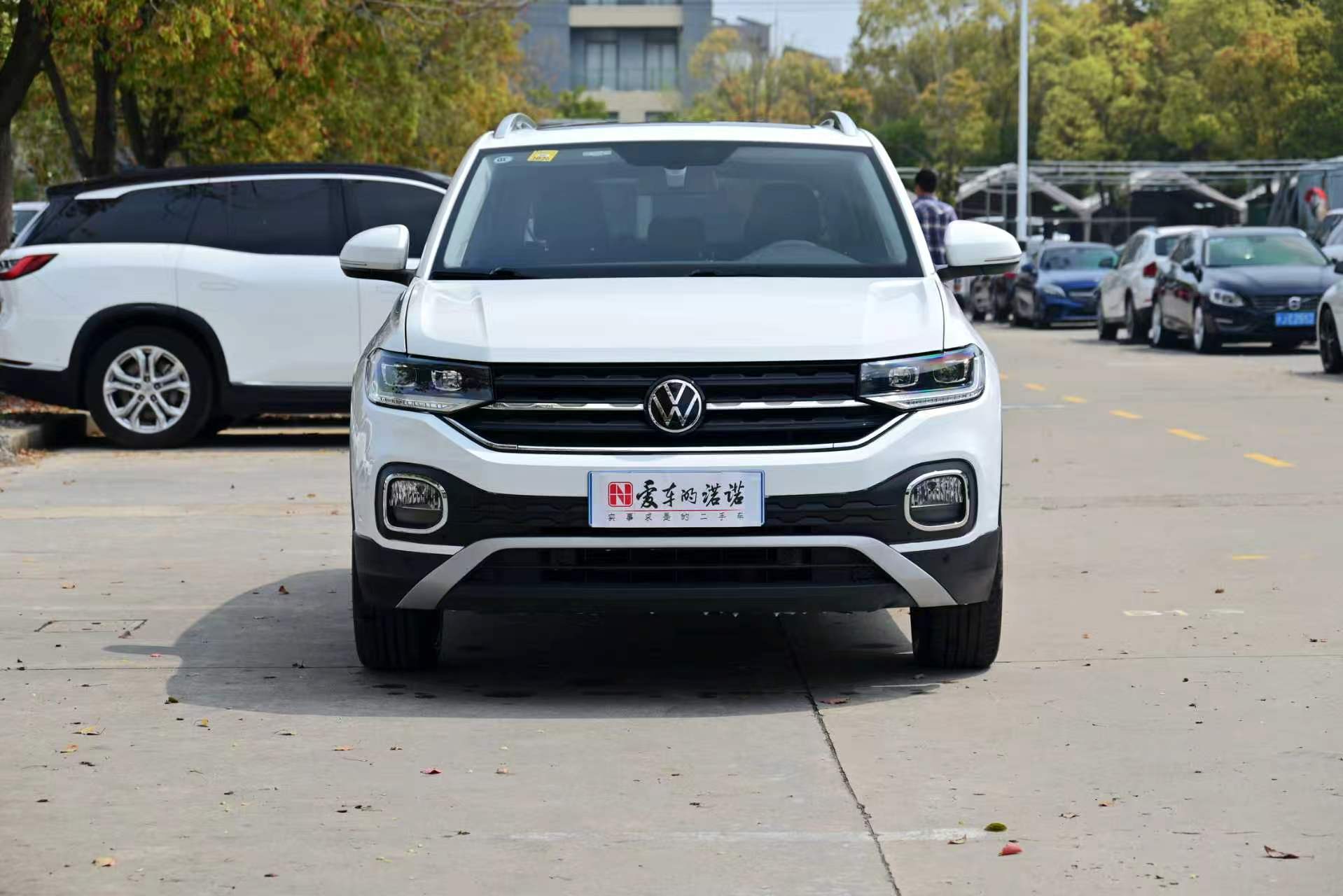
    Modern SUV on the road
    New Chinese SUVs in 2026 rival — and often surpass — Japanese counterparts on technology and value

    Price: The Gap Is Dramatic

    Let’s start with the most immediate difference.

    A new Toyota RAV4 (2025/2026 model) costs approximately $32,000–$38,000 at source. A new BYD Atto 3 (equivalent segment, similar size) starts at approximately $16,000–$19,000 from China. The new Chery Tiggo 8 Pro — a seven-seat SUV that competes with the Highlander — starts at around $18,000–$22,000.

    For the price of one Toyota RAV4, you could import two new Chinese SUVs with change to spare. That’s not a minor difference — it’s a structural price advantage that reflects China’s manufacturing efficiency, competitive domestic market, and government support for the auto export sector.

    Technology: Chinese Vehicles Are Ahead of the Curve

    This is where the comparison has shifted most dramatically. Chinese NEV brands are investing enormous resources in technology, and new Chinese vehicles come standard with features that are either optional extras or unavailable on Japanese models at the same price point:

    • Large infotainment screens: 12–27 inch touchscreens are standard on mid-range Chinese models. Most Japanese cars in the same bracket still offer 8–10 inch systems.
    • Over-the-air (OTA) updates: BYD, Xpeng, and Nio push software updates wirelessly — improving features post-purchase. No Japanese mass-market brand offers this.
    • Advanced ADAS: Lane-keeping, adaptive cruise, automatic emergency braking, and highway autopilot features are standard or cheap upgrades on Chinese EVs.
    • Electric powertrains: Every major Chinese brand has invested billions in BEV, PHEV, and EREV technology. Most Japanese brands are still transitioning.
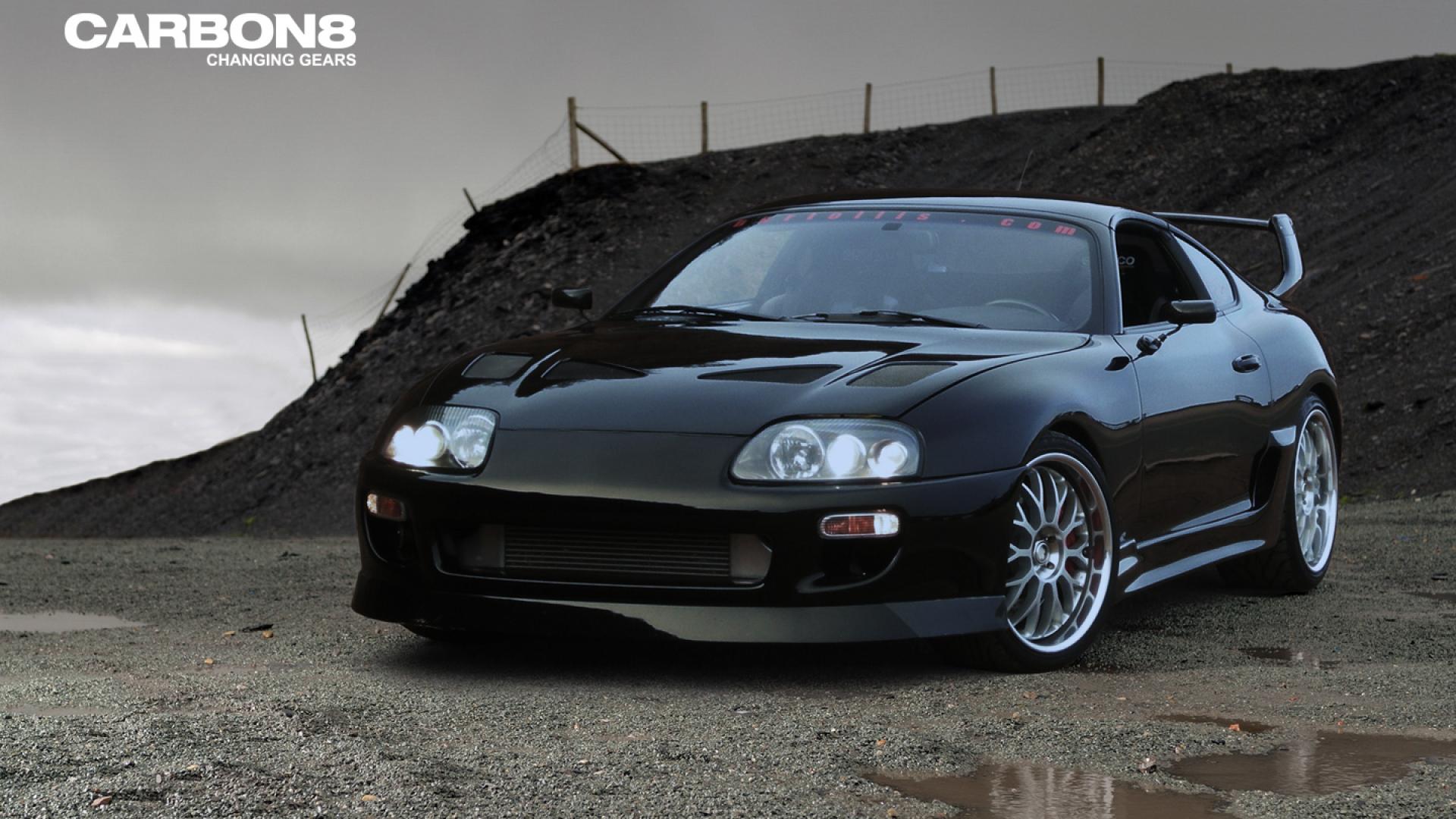
    Japanese sports car
    Japanese brands still command strong brand recognition — but Chinese vehicles now offer more technology at significantly lower prices

    Build Quality: The Gap Has Closed

    Five years ago, “Chinese car quality” was a legitimate concern. Today it isn’t — at least not for major brands imported through Autoimport Africa.

    BYD’s Blade Battery passed nail penetration tests that no other battery chemistry has matched. Geely owns Volvo and has transferred Swedish engineering standards into its own vehicles. Chery’s export models undergo rigorous third-party quality certification. These brands are competing in Europe, where safety and quality standards are among the strictest in the world.

    Chinese brands also typically offer longer warranties than Japanese competitors:

    • BYD: 8-year/500,000km battery warranty; 6-year vehicle warranty on many models
    • BYD Atto 8 (South Africa): 5-year/100,000km vehicle warranty + 5-year maintenance plan

    Fuel and Running Costs: Chinese EVs Win Convincingly

    A Toyota Camry averaging 8L/100km costs approximately ₦8,000–₦10,000 per 100km at current petrol prices in Nigeria.

    A BYD Atto 3 charged from the grid costs a fraction of that per 100km. Even accounting for Nigeria’s inconsistent power supply, PHEV and EREV models — which run primarily on electricity in the city — slash fuel costs dramatically compared to any petrol vehicle.

    African buyer with new Chinese vehicle
    Autoimport Africa gives African buyers direct access to new Chinese vehicles — more technology, better warranty, lower running costs

    The Autoimport Africa Advantage

    When you buy a used Japanese car from a local dealer, you’re getting an older model with unknown history, unknown mileage accuracy, and a depreciated resale value. When you import a new Chinese vehicle through Autoimport Africa, you’re getting:

    • A brand-new vehicle with zero prior ownership history
    • Full manufacturer warranty intact
    • The latest model year with the latest technology
    • Clean title, by definition
    • Direct-from-China pricing without middleman markups

    The era of defaulting to Japanese because “quality” has passed. Chinese vehicles in 2026 earn their place on merit — and the price gap means they deserve to be the first comparison, not the last.

  • How Autoimport Africa Works: A Step-by-Step Guide from China to Your Driveway

    How Autoimport Africa Works: A Step-by-Step Guide from China to Your Driveway

    Importing a vehicle from China sounds complicated. Ports, paperwork, customs agents, clearing fees, exchange rates — it’s a lot to navigate if you’ve never done it before. Most people who’ve tried to do it alone have a story about something going wrong: a vehicle stuck at the port for months, unexpected fees that doubled the cost, or a car that arrived in worse condition than advertised.

    Autoimport Africa was designed to make this entire process as straightforward as ordering anything else online. Here is exactly how it works, step by step.

    African woman browsing vehicles on tablet
    With Autoimport Africa, selecting and ordering your new vehicle from China is as simple as browsing on your phone or tablet

    Step 1: Browse and Select Your Vehicle

    Start on the Autoimport Africa platform. Every vehicle listed is a new vehicle sourced directly from China — with full specifications, clear pricing, and photos. You can filter by brand, body type, powertrain (BEV, PHEV, EREV), price range, and more.

    You’re not browsing someone’s description of a car they claim to have seen. You’re looking at verified vehicles from verified Chinese manufacturers and authorised export partners. Every listing shows the actual price in your preferred African currency.

    Step 2: Select Optional Add-Ons

    Before completing your order, you can choose from optional services:

    • Custom clearing: We handle all customs documentation, duty payments, and port procedures on your behalf.
    • Home delivery: Once your vehicle clears customs, we arrange delivery to your address anywhere in Nigeria.

    These options are clearly priced upfront. No surprises at checkout, and no surprise bills after your vehicle arrives.

    Step 3: Make Payment

    Payment is processed securely through the platform. Once confirmed, your order is locked in and the import process begins. You receive an order confirmation and a timeline estimate for your vehicle’s arrival.

    Step 4: Vehicle Procurement in China

    Our team in China purchases your vehicle from the manufacturer or authorised dealer, handles all pre-export documentation, and arranges inspection to confirm the vehicle matches your order specifications — VIN, model, trim, colour, and condition.

    Vehicle ready for export in China
    Every vehicle is inspected and verified before being loaded for shipping from China

    Step 5: Ocean Freight

    Your vehicle is shipped from a major Chinese port — typically Shanghai, Tianjin, or Guangzhou — to Lagos Apapa or Tin Can Island Port. Transit time is typically 3–5 weeks. Container shipping is used for new vehicles to ensure they arrive in the same condition they left China.

    Throughout the shipping period, you can track your vehicle’s status directly from your account on the platform.

    Step 6: Customs Clearing in Nigeria

    Once your vehicle arrives at the Nigerian port, our clearing team processes all documentation, pays the 40% customs duty, handles terminal fees, and secures the vehicle’s release. If you selected our custom clearing service, you receive updates at every stage without needing to be present or make any calls to the port.

    Step 7: Delivery or Collection

    Once cleared, your vehicle is either delivered to your door or made available for collection. You receive all documentation with the vehicle:

    • Commercial invoice
    • Bill of lading
    • Bill of export
    • Vehicle specification sheet and VIN documentation
    • Any applicable manufacturer warranty documentation
    New vehicle ready for handover
    Your new vehicle arrives with full documentation — ready to register and drive

    How Long Does the Whole Process Take?

    • Vehicle procurement in China: 3–7 days
    • Pre-export documentation and shipping arrangement: 5–10 days
    • Ocean transit from China to Lagos: 21–35 days
    • Port clearing: 5–14 days
    • Home delivery: 1–3 days after clearing

    Total: approximately 6–10 weeks from order to delivery.

    Why This Beats Every Alternative

    Going to a local car dealer means trusting their account of a vehicle’s history. Doing it yourself through Chinese trading platforms means navigating language barriers, export compliance, freight logistics, and Nigerian customs with no support. Buying from Copart or IAAI means dealing with salvage or rebuilt-title vehicles.

    Autoimport Africa handles the complexity so you get a new car from China — with clean title, full documentation, and none of the uncertainty — without leaving your home.

  • The Real Cost of Importing a Car to Nigeria in 2026: Tariffs, Clearing, Recycling Fees, and Delivery — Fully Broken Down

    The Real Cost of Importing a Car to Nigeria in 2026: Tariffs, Clearing, Recycling Fees, and Delivery — Fully Broken Down

    One of the biggest sources of confusion and frustration for first-time vehicle importers in Nigeria is the gap between the “car price” and the final amount they actually pay. A vehicle listed at $15,000 from China doesn’t cost $15,000 to get into your driveway in Lagos or Abuja. There are layers of additional costs, and if you haven’t budgeted for them, the surprise can be significant.

    This guide breaks down every cost involved in importing a vehicle to Nigeria in 2026 — with the latest figures reflecting the new tariff regime — so you can plan accurately from day one.

    Nigerian port and city
    Understanding all the costs before you import avoids expensive surprises at the port

    1. Vehicle Purchase Price (FOB — Free on Board)

    This is the price of the vehicle itself, as quoted by the seller or platform in China. FOB means the price includes delivery of the car to the Chinese port of departure — everything from the factory gate to the ship’s railing is covered by the seller.

    Example: A new Chinese electric SUV — $14,000 to $20,000 depending on brand and spec.

    2. International Shipping (China to Nigeria)

    Shipping a vehicle from a Chinese port (typically Tianjin, Shanghai, or Guangzhou) to Lagos Apapa or Tin Can Island Port typically costs between $800 and $1,500 for a standard passenger vehicle, depending on the size of the vessel, route, and season.

    RoRo (Roll-on, Roll-off) shipping is cheaper than container shipping but offers less protection. For brand-new vehicles, container shipping is recommended.

    Estimated: $1,000–$1,500

    3. Marine Insurance

    You should always insure your vehicle during transit. Marine insurance typically costs 0.5% to 1% of the vehicle’s declared value.

    Estimated: $100–$200

    4. Nigeria Customs Duty (New 40% Rate)

    Under the 2026 Fiscal Policy Measures, import duties on fully built passenger vehicles have been reduced from 70% to 40%. This 40% is calculated on the CIF value of the vehicle (Cost + Insurance + Freight).

    On a vehicle with a CIF value of $16,000:
    40% of $16,000 = $6,400 in customs duty

    Estimated for standard vehicle: $5,500–$8,000 depending on CIF value

    Nigerian customs port area
    Nigeria’s customs duty has been reduced to 40% under 2026 fiscal policy — a significant saving for new vehicle importers

    5. Port Handling and Demurrage Charges

    Once your vehicle arrives at the port, the shipping line and terminal operator charge for offloading, storing, and processing the vehicle:

    • Terminal handling charges (THC): $200–$400
    • Documentation fees: $50–$150
    • Demurrage (if you take longer than the free days to clear): $50–$150 per day

    Estimated: $300–$700

    6. Customs Agent / Clearing Fees

    You’ll need a licensed customs clearing agent to handle your documentation, pay duties on your behalf, and release the vehicle from the port. If you’re importing through Autoimport Africa, custom clearing is an optional add-on service at a competitive flat rate.

    Estimated: $300–$600

    7. Pre-Export Certification (New in 2026 — for Used Vehicles)

    Under Nigeria’s new End-of-Life Vehicle policy, used vehicles must undergo pre-export certification. For brand-new vehicles imported through Autoimport Africa, this step does not apply.

    For new vehicles: $0

    8. Vehicle Recycling Fee (New in 2026)

    A mandatory vehicle recycling levy is being introduced at the point of registration.

    Estimated: ₦50,000–₦150,000

    9. Home Delivery (Optional)

    • Lagos: ₦50,000–₦100,000
    • Abuja: ₦150,000–₦250,000
    • Other cities: varies by distance

    Putting It All Together: A Real Example

    Let’s calculate the full landed cost of a new Chinese electric SUV priced at $15,000 (FOB):

    • Vehicle price (FOB): $15,000
    • Shipping to Lagos: $1,200
    • Marine insurance: $150
    • CIF value: $16,350
    • Customs duty (40% of CIF): $6,540
    • Port handling & THC: $500
    • Clearing agent fees: $450
    • Vehicle recycling fee: ~₦100,000
    • Home delivery to Lagos: ~₦75,000

    Approximate total landed cost: ~$24,000–$25,000

    African buyer with new vehicle
    Autoimport Africa provides transparent upfront pricing covering every cost — no surprises when your vehicle arrives

    Why Importing Through Autoimport Africa Makes the Difference

    Navigating these costs solo — sourcing the car, arranging freight, handling customs, and managing agents — requires time, expertise, and relationships at every step. Autoimport Africa consolidates the entire process: vehicle selection, payment, shipping, customs clearing, and optional home delivery, with transparent pricing upfront so there are no surprises at the port.

    The platform was built because we know how confusing and opaque this process has been for Nigerian buyers. That ends here.

  • Egypt’s Rising Auto Manufacturing Hub: What GAC, MG, Zeekr, BAIC and Geely Are Building — and Why It Matters for Africa

    Egypt’s Rising Auto Manufacturing Hub: What GAC, MG, Zeekr, BAIC and Geely Are Building — and Why It Matters for Africa

    Something quietly significant is happening in North Africa that could reshape how vehicles reach the entire continent. Egypt is rapidly becoming a Chinese automotive manufacturing hub — and the ripple effects for buyers in Nigeria, Kenya, Ghana, and across sub-Saharan Africa are only starting to be felt.

    In the space of 18 months, a remarkable number of Chinese automakers have either started building cars in Egypt or committed to doing so. The country’s strategic location — at the crossroads of Africa, the Middle East, and Europe — makes it an ideal export base. And the Egyptian government is actively encouraging this with tax incentives, industrial zone access, and a clear national automotive strategy.

    Aerial view of city with roads
    Egypt’s central location makes it a natural hub for vehicle manufacturing destined for Africa, the Middle East, and beyond

    Why Egypt?

    Egypt offers Chinese automakers something that mainland China cannot: proximity to African and Middle Eastern markets without the import duties that come with shipping finished vehicles from China. By assembling vehicles in Egypt, brands avoid high import tariffs across Africa and the Arab world, which can add 40–70% to the cost of a fully built imported vehicle.

    Egypt also has a population of over 110 million, making it one of Africa’s largest domestic car markets. And Egypt’s National Automotive Industry Strategy (NAIS) explicitly prioritises electric vehicle production and export ambition — offering brands clear government backing.

    The Chinese Brands Building in Egypt

    MG Motor (SAIC)
    SAIC signed a $135 million agreement with Egypt’s Al Mansour Automotive Group to build a manufacturing plant in the New October City industrial zone. The 126,000-square-metre facility began production in Q2 2026, starting with the new-generation MG5. Initial annual capacity is 50,000 vehicles, with plans to scale to 100,000 units.

    BAIC
    BAIC signed a binding agreement with the Egyptian International Motor Group (EIM Group) and the Egyptian government to establish an EV manufacturing plant in the suburbs of Cairo. The 120,000-square-metre facility targets production of 20,000 EVs in its first year, scaling to 50,000 annually by year five and will employ 1,200 people.

    GAC
    GAC has signed a deal for a CKD (Completely Knocked Down) localized vehicle assembly project in Egypt, with mass production expected in the second half of 2026.

    Geely
    Geely has already started production in Egypt in early 2026, making it one of the first Chinese brands to actually manufacture on African soil.

    Modern Chinese vehicle
    Vehicles assembled in Egypt by Chinese brands will benefit from AfCFTA trade agreements, reducing costs across the continent

    Zeekr (Geely’s Premium EV Brand)
    Zeekr has entered the Egyptian market with the Zeekr 001 and Zeekr X, with the first Cairo store open. This marks Zeekr’s first African footprint — a premium electric brand in a continent that has traditionally only received budget options.

    Li Auto
    Li Auto has entered Egypt alongside Kazakhstan and Azerbaijan as part of a major overseas expansion push, bringing its EREV-focused lineup to a North African audience for the first time.

    Jetour, Changan, Haval
    Multiple other brands — including Jetour, Changan, and Haval — are either in production or preparing to begin local assembly in Egypt.

    What This Means for Sub-Saharan African Buyers

    Egyptian-assembled Chinese vehicles benefit from Africa’s Continental Free Trade Area (AfCFTA) and COMESA trade agreements, which can significantly reduce the cost of shipping vehicles to other African countries compared with importing direct from China.

    As these Egyptian factories scale up, vehicles assembled there could become a cost-competitive alternative for buyers in Nigeria, Kenya, Ghana, Ethiopia, and beyond — potentially arriving faster, with lower shipping costs, and with easier access to spare parts manufactured regionally.

    For buyers not waiting on the rollout, Autoimport Africa continues to provide direct access to all of these brands from source in China — with the full vehicle range, clean titles, and end-to-end import support.

    The Bigger Picture

    Egypt’s emergence as a Chinese auto assembly hub is not an isolated development — it’s part of a continent-wide pattern. Geely is building in Algeria. Okla Global is planning assembly in Nigeria, Kenya, South Africa, Zimbabwe, and Egypt. The era of Africa simply receiving other countries’ old cars is coming to an end.

  • End-of-Life Vehicle Policy: How to Avoid Paying for a Car That Can’t Legally Be Sold in Japan or Dubai

    End-of-Life Vehicle Policy: How to Avoid Paying for a Car That Can’t Legally Be Sold in Japan or Dubai

    Nigeria has long been one of the most exploited destinations for end-of-life vehicles — cars that have been written off, flooded, or condemned in their home countries, then cosmetically patched up and shipped to West Africa as supposedly roadworthy cars. If you’ve ever bought a “clean” used car in Lagos and discovered serious structural problems within weeks, you’ve likely been a victim of this practice.

    The Federal Government is finally doing something about it. But even before the new rules kick in fully, knowing how to spot a dumped end-of-life vehicle could save you hundreds of thousands of naira and potentially your life.

    Nigeria car market
    Nigeria’s used car market has long been flooded with vehicles that failed safety standards in their home countries

    What Is an End-of-Life Vehicle?

    An end-of-life vehicle (ELV) is a car that has reached the point where the cost of repairing it exceeds its market value — or one that has been declared a total loss by an insurance company due to accident damage, flooding, or severe wear. In most developed countries (Japan, the USA, UK, UAE), these cars are legally required to be scrapped or recycled. They cannot legally be sold as roadworthy vehicles.

    However, because Nigeria previously had no certification requirement for imported used vehicles, exporters in these countries found a ready market: ship the condemned car to Nigeria, do a cosmetic refurb, and sell it as a “grade A” or “clean title” vehicle at close to market price.

    The New Rules: What Nigeria Is Doing in 2026

    The NADDC (National Automotive Design and Development Council) has introduced several key reforms under the End-of-Life Vehicle programme:

    • Mandatory pre-export certification: All used vehicles imported into Nigeria must now undergo inspection and certification in their country of origin before being shipped. The cost ($250–$300 per vehicle) is borne by the foreign exporter, not the Nigerian buyer.
    • No certification, no entry: Vehicles that fail inspection or have falsified inspection certificates will be denied entry into Nigeria.
    • Vehicle recycling fee: A mandatory recycling levy will apply at registration, funding formal end-of-life disposal infrastructure.
    • Extended producer responsibility: Manufacturers, assemblers, and importers will be held accountable for the full lifecycle of vehicles they bring into Nigeria.

    Red Flags: How to Spot a Dumped Vehicle

    Even before these reforms are fully enforced, buyers can protect themselves by knowing the warning signs:

    • Mismatched paint or overspray around panel edges: A sign that panels have been repainted to hide damage.
    • Uneven panel gaps: Panels that don’t align perfectly often indicate previous accident damage and poor repair.
    • Rust under floor mats or in the boot: A classic sign of flood damage, which is hard to hide completely.
    • Musty or unusual smell inside the cabin: Another flood damage indicator — mould in the ventilation system.
    • VIN that doesn’t match documents: Always run a VIN check. Services like Carfax or AutoCheck can reveal accident and total-loss history.
    • Unusually low price for the vehicle’s age and spec: If the deal seems too good to be true, ask why.
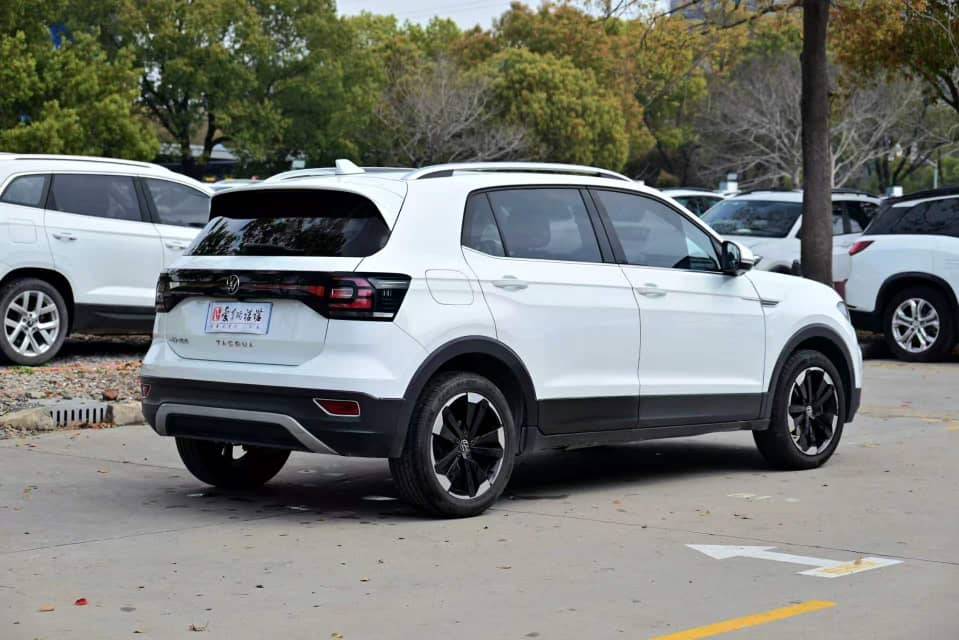
    Clean new SUV on the road
    A new vehicle from Autoimport Africa comes with no prior history — no accidents, no floods, no salvage records

    Why Importing New from China Bypasses This Problem Entirely

    When you import a brand-new vehicle directly from China through Autoimport Africa, there is no used vehicle history — no accidents, no floods, no prior owners, no salvage records. You’re getting a car that has never been registered, inspected, or written off anywhere in the world. The title is clean by definition.

    This is one of the core reasons Autoimport Africa was built: to give Nigerian and African buyers access to the quality and transparency that comes with buying new — at prices that are competitive because they come direct from the source, not through layers of middlemen who may have reason to hide a vehicle’s history.

    The Bottom Line

    Nigeria’s ELV policy is a significant step forward for consumer protection. But policies take time to enforce, and bad actors will keep trying to exploit gaps for as long as they can find buyers.

    The safest protection isn’t waiting for regulation — it’s buying smart. Know the red flags, verify every VIN, and wherever possible, source vehicles that have no prior history to hide.