Author: Autoimport Writer

  • Chinese EV Brands Coming to Africa in 2026: The Complete Guide (BYD, Geely, Chery, Changan, Okla & More)

    Chinese EV Brands Coming to Africa in 2026: The Complete Guide (BYD, Geely, Chery, Changan, Okla & More)

    Africa is becoming one of the most contested frontiers for Chinese automakers. Locked out of European markets by tariffs, and facing a softening domestic market at home, China’s biggest automotive brands are accelerating their push into the continent — with aggressive pricing, local assembly plants, and tailored models designed for African roads and buyer preferences.

    African city roads and growth
    Africa’s rapidly urbanising cities represent one of the world’s fastest-growing vehicle markets

    Here is a comprehensive look at the Chinese EV and NEV brands making the biggest moves in Africa in 2026.

    1. BYD

    BYD is the most prominent Chinese EV brand in Africa, and it’s scaling fast. Currently selling seven models in South Africa — including the Atto 3, Seal, Dolphin, Sealion 7, Shark 6, Sealion 6, and the newly launched Atto 8 — BYD is expanding its dealer network to 30–35 South African locations by end-2026, while simultaneously building 300 fast-charging stations. South Africa is BYD’s African launchpad, with plans to replicate the model across Nigeria, Kenya, Ghana, and Egypt.
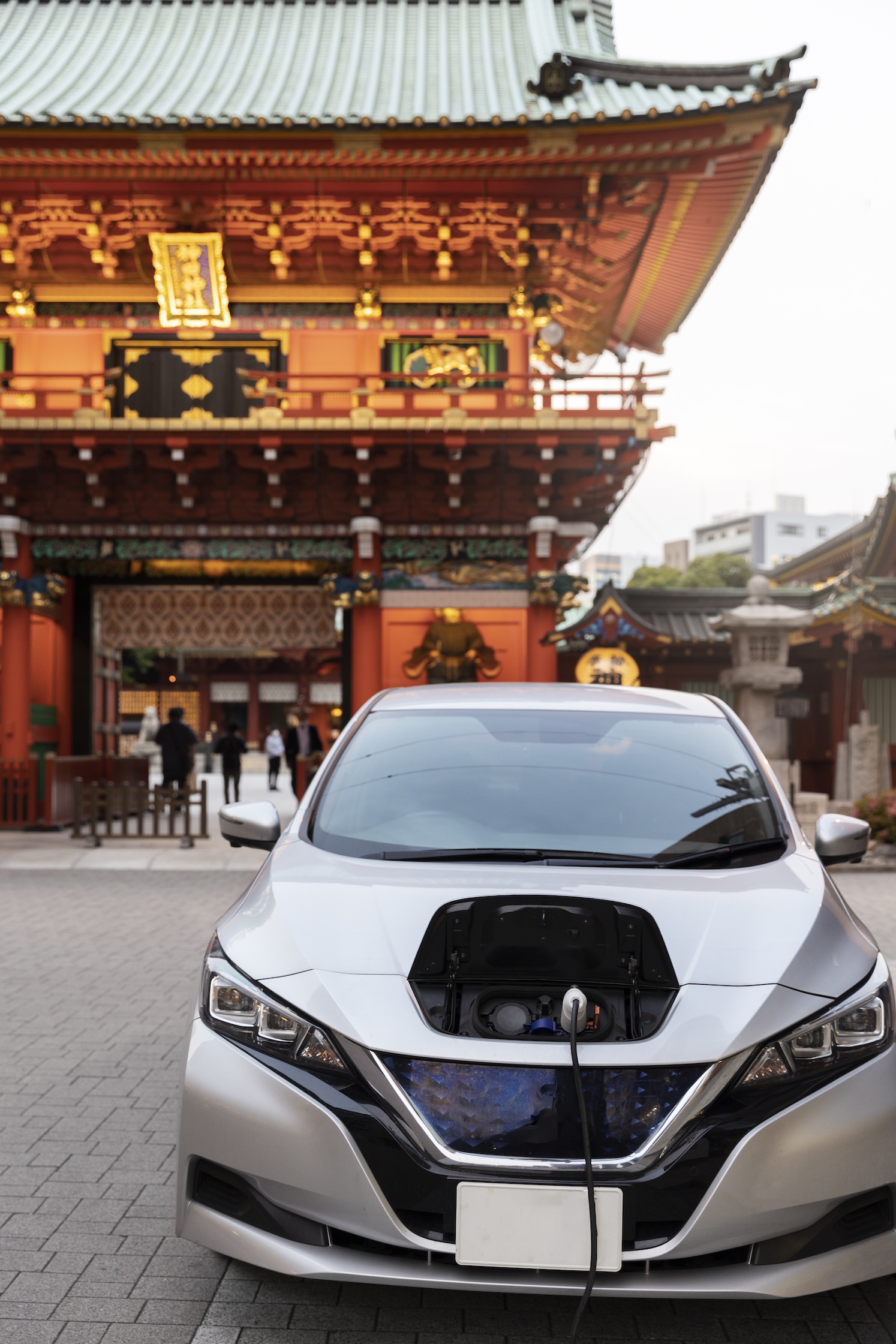
    EV charging infrastructure
    BYD’s charging infrastructure rollout is removing one of the biggest barriers to EV adoption in Africa

    2. Chery

    Chery is one of China’s top exporters globally and has strong distributor relationships across Africa. The brand already operates in South Africa, Nigeria, Egypt, and across the Maghreb region. The Chery Tiggo SUV range is among the most widely distributed Chinese vehicle lines on the continent. In 2026, Chery is expanding its NEV offerings across African markets, including the Fulwin X3 electric off-road SUV and the X3L EREV.

    3. Geely

    Geely has made a landmark commitment: a $200 million investment to build an automobile assembly plant in Algeria, with an initial production capacity of 50,000 vehicles annually and an expected launch in 2026. Beyond serving Algerian demand, the plant is designed as a regional export hub for North and West Africa, Latin America, and Central Asia. By manufacturing locally, Geely avoids high import duties — making its vehicles more affordable for African buyers.

    4. SAIC (MG Motor)

    MG Motor, owned by SAIC, has strong brand recognition across Africa thanks to its UK heritage. SAIC has also secured a deal to produce MG vehicles locally in Egypt, with the new-generation MG5 as the first locally assembled model and an initial plant capacity of 50,000 units annually. MG’s range of EVs and hybrids — particularly the MG4 EV and ZS EV — are competitively priced and well-suited to urban African markets.

    5. Changan (Deepal and Avatr)

    Changan has over 30 years of presence in the Middle East and Africa, giving it a distribution and after-sales advantage most newer brands lack. In 2026, the company is expanding its intelligent EV offerings through sub-brands Deepal and Avatr — both of which feature Huawei’s ADAS and HarmonyOS technology. A six-seat flagship SUV co-developed with Huawei is also planned for 2026 under the Avatr brand.

    6. Great Wall Motor (Haval)

    Great Wall Motor’s Haval brand is one of the most recognised Chinese SUV names across Africa, with a particularly strong presence in South Africa, Kenya, and Egypt. Haval’s H6 and Jolion models are popular choices for buyers wanting reliable, well-priced SUVs.

    7. Okla Global

    A newer entrant making a major commitment: Okla Global has appointed Treadway Investment Bank to lead its Africa expansion, with assembly plants specifically planned for Kenya, Nigeria, South Africa, Egypt, and Zimbabwe. Okla is positioning itself as an EV brand tailored to African conditions, with localized assembly intended to reduce costs and create jobs in target markets.

    8. BAIC

    BAIC, China’s sixth-largest automaker, is partnering with Egypt’s Alkan Auto to establish a local EV factory in Egypt — a 120,000-square-metre facility set to produce 20,000 EVs in its first year, scaling to 50,000 annually by year five and will employ 1,200 people.

    9. Zeekr (Geely’s Premium EV Brand)

    Zeekr has entered Egypt with the Zeekr 001 and Zeekr X, marking its first African market. As Geely’s flagship premium electric brand, Zeekr brings high-performance EVs at competitive price points.

    10. Nio

    Nio’s battery-swap technology makes it uniquely interesting for fleet operators and markets where charging time is a constraint. The brand is debuting the ES9 large electric SUV at the Beijing Auto Show 2026 and has been steadily expanding its global footprint.
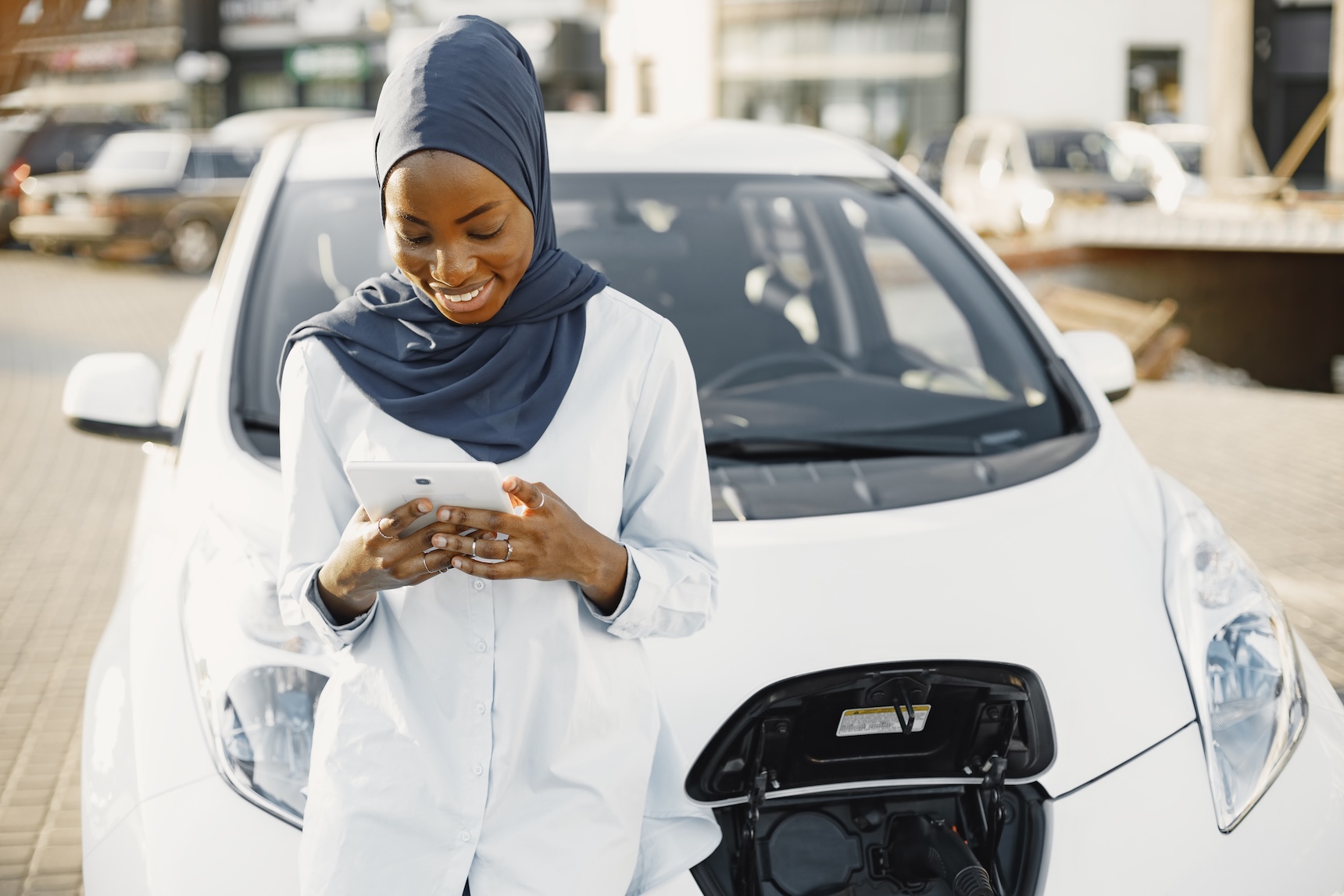
    African buyer browsing vehicle options
    Autoimport Africa gives buyers across Africa direct access to all these brands, imported new from China with clean titles

    What This Means for African Buyers

    The arrival of this many competitive, well-funded Chinese brands in Africa is transforming the market. Prices are falling, quality is rising, and the model variety available to African buyers in 2026 is dramatically better than it was even two years ago. Whether you’re looking for a compact city EV, a tough PHEV pickup, or a premium intelligent SUV, a Chinese brand is building something specifically for your needs.

    Autoimport Africa gives you direct access to all of these brands — from factory floor in China to your driveway in Africa — with clean titles and full transparency.
  • EREV vs Pure EV: What’s the Difference and Which Is Right for African Driving Conditions?

    You’ve probably seen the term “EREV” popping up more frequently in Chinese car news recently — attached to models like the SAIC IM LS6, Avatr 07, and the Chery Fulwin X3L, all of which boast combined ranges exceeding 1,400 km. But what exactly is an EREV, how is it different from a fully electric car, and which is actually better suited to African driving conditions in 2026?

    This is the most important powertrain conversation happening in the automotive world right now — and for African buyers, the answer matters a great deal.

    What Is an EREV?

    An EREV — Extended Range Electric Vehicle — is primarily an electric car. Its wheels are driven entirely by electric motors, fed by a battery pack. However, it also carries a small petrol engine that functions purely as a generator. When the battery charge drops below a set threshold, the petrol engine starts and generates electricity to recharge the battery and sustain driving range.

    The critical distinction: the petrol engine in an EREV never directly drives the wheels. It only produces electricity. This means the driving feel, efficiency, and performance are all electric — the engine is invisible to the driver in normal operation.

    How Does This Compare to a Pure EV (BEV)?

    A Battery Electric Vehicle (BEV) has only an electric motor and battery. There is no petrol engine at all. You must charge it externally — at home, at work, or at a public charging station — to replenish its range.

    The key differences:

    Range: A modern BEV typically offers 400–750 km on a full charge. An EREV offers 400–500 km on pure electric, then continues with petrol-generated electricity for a combined total of 1,200–1,500 km before needing a petrol fill.

    Charging dependency: A BEV must be charged. If you cannot charge it, you cannot drive it. An EREV can be driven indefinitely as long as petrol is available — like a conventional car — while still giving you primarily electric driving on most trips.

    Running costs: Both are cheaper than a petrol car to run. A BEV that charges reliably will be cheaper than an EREV because it never buys petrol. An EREV that mostly drives on electricity is still dramatically cheaper than a full petrol vehicle.

    Weight and complexity: EREVs carry an extra engine and generator, making them slightly heavier and mechanically more complex than a BEV. However, because the engine is small (typically a 1.5T unit) and rarely under load, reliability concerns are minimal in practice.

    Real-World EREV Performance: The Numbers

    To understand why EREVs are causing excitement, consider the SAIC IM LS6 EREV, one of the most advanced examples currently available:

    • Pure electric range: 450 km (66 kWh battery version)
    • Combined CLTC range: 1,502 km
    • Acceleration (0–100 km/h): 6.4 seconds
    • Powertrain: 1.5T petrol generator + 230 kW rear electric motor
    • Fast charging: 310 km of range in 15 minutes

    Or the Avatr 07 EREV: 220–230 km pure electric range currently, scaling to 52 kWh battery with further range in its upgraded form, combined with Huawei Qiankun ADS 4.0 intelligent driving assistance.

    Why EREVs Make Particular Sense for Africa

    Unreliable grid power: In Nigeria, South Africa, Kenya, and across much of the continent, electricity supply is inconsistent. An EREV never strands you due to an empty battery — you always have petrol as a fallback. This is not a theoretical benefit; for millions of African drivers, it is a daily reality.

    Sparse charging infrastructure: Fast-charging networks are growing but remain thin outside major urban centres. An EREV driver does not need a charger for every journey — they charge when it’s convenient and use petrol when it’s not.

    Long-distance travel: Journeys of 400–700 km are common across Africa — Lagos to Abuja, Nairobi to Mombasa, Accra to Kumasi and back. An EREV handles these without any range anxiety or the need to plan around charging stops.

    Fuel savings where it counts: Most daily driving in African cities is under 100 km. An EREV owner with any charging access will complete the vast majority of their trips on electricity alone — spending on petrol only for longer journeys. The fuel savings are real and substantial.

    Who Should Choose a Pure EV vs an EREV?

    Choose a BEV if you:

    • Live or work near reliable charging (home charging or nearby public fast-charger)
    • Mostly drive within a city and rarely travel long distances
    • Want the absolute lowest running costs and zero petrol dependency

    Choose an EREV if you:

    • Need reliability regardless of grid availability
    • Regularly drive 300 km or more in a single trip
    • Want electric driving efficiency for daily use but petrol peace of mind for everything else
    • Live outside a major city or in an area with limited public charging

    For the majority of African drivers in 2026, the EREV sits in the sweet spot — delivering electric efficiency on most journeys while removing the infrastructure dependence that makes full BEV ownership challenging across much of the continent.

    Autoimport Africa stocks both BEV and EREV models sourced with clean titles directly from China. Browse our current listings or speak to our team to find the right fit for your driving conditions.

  • Hybrid vs Full-Electric: Which Powertrain Is Right for African Driving Conditions in 2026?

    Hybrid vs Full-Electric: Which Powertrain Is Right for African Driving Conditions in 2026?

    You’ve decided you want a Chinese vehicle. You’ve browsed the listings and the specs look impressive. But now comes the question that trips up most first-time importers: should I get a full electric vehicle (BEV), a plug-in hybrid (PHEV), or a range-extender (EREV)?

    Each of these technologies has genuine advantages — but in the African context, the right answer depends heavily on where you live, how you drive, and what your power situation looks like. This guide breaks it down simply.

    Electric vehicle charging
    Understanding EV charging is key to choosing the right powertrain for your lifestyle

    Understanding the Three Technologies

    BEV (Battery Electric Vehicle) — Pure electric. No petrol engine at all. You charge it from the grid or a charging station. Range is fixed by battery size. Examples: BYD Atto 3, BYD Seal, Nio ES9, Chery Fulwin X3.

    PHEV (Plug-in Hybrid Electric Vehicle) — Has both an electric motor and a petrol engine. You can charge the battery from a plug for electric-only driving, but the petrol engine kicks in when the battery runs low. Best of both worlds in theory. Examples: BYD Atto 8, BYD Sealion 6, BYD Shark 6.

    EREV (Extended Range Electric Vehicle) — Primarily electric, but has a small petrol engine that acts as a generator to recharge the battery while you drive. The petrol engine never directly drives the wheels — it only makes electricity. This gives you very long combined ranges (often 1,000km+) without needing to stop and charge. Examples: IM LS6, Avatr 06/07/12, Chery Fulwin X3L, Li Auto L series.

    The African Reality Check

    Before comparing vehicles, be honest about three things:

    • Your charging access: Do you have a reliable place to charge at home or work? Or do you depend entirely on public infrastructure?
    • Your grid reliability: How often do you experience power cuts? Hours per day? Days per week?
    • Your driving patterns: Are you mostly city driving with predictable short trips? Or do you do long inter-city routes regularly?
    City traffic and roads
    Urban driving patterns across African cities make the BEV vs PHEV vs EREV choice very personal

    Pure EVs (BEVs): Great If Your Conditions Are Right

    A pure electric vehicle is the cheapest to run over its lifetime — no petrol costs, lower maintenance, fewer moving parts. For city drivers in Lagos, Nairobi, or Accra who can charge overnight at home, a BEV makes a lot of sense.

    The Achilles heel in Africa is infrastructure. Nigeria’s public charging network is still in early stages. If you can’t charge at home and you rely on public chargers, range anxiety becomes a real daily concern. The BYD Atto 3 (new gen) with flash charging helps — 15–20 minutes on a fast charger can add 200km+ of range. But fast chargers need to actually exist near you.

    Best for: City dwellers with home charging, short daily commutes under 150km, buyers who prioritise lowest running costs.

    PHEVs: The Practical African Compromise

    PHEVs are arguably the most practical choice for most African buyers right now. You get 40–100km of pure electric range for your daily city driving (covering most people’s daily mileage in electric mode), and then the petrol engine handles everything beyond that.

    No range anxiety. No dependence on public charging infrastructure. Fill up at any petrol station when you need to. But when power is available, you’re running mostly electric and cutting fuel costs significantly.

    PHEV vehicle ready for road
    PHEVs offer the best of both worlds — electric efficiency in the city with petrol backup for longer trips

    The BYD Shark 6 pickup and Sealion 6 SUV are strong examples — built for African utility and terrain, with petrol backup for long trips or low-grid environments.

    Best for: Buyers in areas with inconsistent electricity, those doing a mix of city and long-distance driving, fleet operators, and anyone who can’t yet guarantee reliable daily charging.

    EREVs: The Best Range in the Game

    EREVs are the dark horse of this comparison. They’re technically electric vehicles — the wheels are powered by electric motors — but they carry a small petrol engine that generates electricity when the battery is depleted. The result is combined ranges of 1,000km to 1,500km.

    The new IM LS6 EREV gets a 1,502km combined range. The Avatr 07 EREV covers over 1,000km combined. These numbers make inter-city travel in countries with sparse charging networks completely stress-free.

    Best for: Long-distance drivers, inter-city travel, buyers in areas with no charging infrastructure, those who want an EV experience without any of the range limitations.

    The Verdict for African Buyers

    Urban buyer with home charging: BEV — lowest cost, best for the environment, practical for city use.

    Mixed urban/rural buyer, uncertain grid: PHEV — flexible, practical, no infrastructure dependency.

    Long-distance driver or rural buyer: EREV — best range in any conditions, electric-smooth, petrol-backed freedom.

    The good news is that Chinese automakers offer all three — at prices significantly more competitive than Japanese or European alternatives. And through Autoimport Africa, you can access all three powertrain types directly from China, with full transparency on specs and pricing before you commit.

  • The Real Cost of Importing a Car to Nigeria in 2026: Tariffs, Clearing, Recycling Fees and Home Delivery — Full Breakdown

    One of the most common questions we get at Autoimport Africa is: “What will this actually cost me, all in?” It’s a fair question — and an important one. The price of the vehicle itself is just the starting point. By the time your car is in your driveway, several other costs have stacked up. This guide breaks every one of them down clearly, using 2026 figures, so you can budget with confidence before you commit.

    Step 1: Vehicle Price (FOB China)

    FOB stands for “Free On Board” — it is the price of the vehicle at the Chinese port, before shipping. This is the base price you see on most import listings.

    For reference, a clean-title mid-size Chinese SUV like a BYD Atto 3 or Chery Tiggo 7 Pro might be listed at approximately $15,000–$20,000 FOB China in 2026. Compact city cars can start from $8,000–$12,000. Premium EVs and EREVs range from $25,000 upward.

    Budget: $8,000 – $35,000+ depending on model

    Step 2: International Freight (Shipping)

    Shipping a vehicle from a Chinese port (typically Tianjin, Shanghai, or Guangzhou) to Lagos (Apapa or Tin Can Island port) via RoRo (Roll-on Roll-off) vessel typically costs between $800 and $1,500, depending on vessel availability and lead time. Transit time is usually 4–6 weeks.

    Budget: $800 – $1,500

    Step 3: Import Duty

    This is where the 2026 policy change makes a significant difference. Nigeria’s import duty on fully built passenger vehicles — including SUVs and 4WDs — has been reduced from 70% to 40% of the CIF (Cost + Insurance + Freight) value.

    Example: Vehicle priced at $16,000 FOB + $1,200 shipping + $100 insurance = $17,300 CIF. At 40% duty: $6,920.

    Note: Electric vehicles are exempt from the new green tax and excise duty taking effect July 1, 2026, making EVs particularly attractive on landed cost.

    Budget: approximately 40% of CIF value

    Step 4: Port Charges and Terminal Handling

    Once the vehicle arrives at the Nigerian port, it incurs terminal handling charges, demurrage (if clearance is delayed), and port storage fees. Efficient clearance — ideally within 2–3 days of vessel arrival — minimises these costs. Working with a competent clearing agent or using Autoimport Africa’s optional customs clearing service keeps these fees manageable.

    Typical port charges and handling at Lagos port: $300–$600.

    Budget: $300 – $600

    Step 5: Pre-Export Certification (New in 2026)

    Under Nigeria’s new End-of-Life Vehicle policy, all imported used vehicles must now be certified before export from the country of origin. The cost — $250 to $300 per vehicle — is borne by the exporter or importer, not the buyer. However, if you are arranging the import yourself through a sourcing agent, confirm whether this fee is included in the quoted price.

    For new vehicles imported directly from China (as Autoimport Africa sources), this certification requirement adds a layer of confidence, not a hidden cost.

    Budget: $250 – $300 (typically absorbed by importer/exporter)

    Step 6: Customs Clearing Agent Fees

    A clearing agent handles all documentation, duty payments, and port interactions on your behalf. Professional clearing agents charge between ₦150,000 and ₦400,000 ($100–$260 at current rates) depending on complexity and vehicle value.

    Autoimport Africa offers optional customs clearing as an add-on service, handling this entire process so you don’t need to manage it yourself.

    Budget: $100 – $260

    Step 7: Vehicle Inspection and Registration

    Before your vehicle can be legally driven in Nigeria, it needs FRSC registration and a roadworthiness certificate. Costs vary by state but typically range from ₦50,000 to ₦150,000 ($30–$100) including number plates and all documentation.

    From 2026, a mandatory vehicle recycling fee is also charged at registration — a one-time payment toward future disposal. The exact fee is yet to be published in final form but is not expected to be prohibitive.

    Budget: $30 – $100

    Step 8: Home Delivery (Optional)

    If you want the vehicle delivered to your door rather than collecting from port, Autoimport Africa offers home delivery as an optional service. Delivery costs vary by distance from the port but typically range from ₦80,000 to ₦250,000 ($50–$165) for locations within Lagos, Abuja, Port Harcourt, and major cities.

    Budget: $50 – $165 (optional)

    Total Cost Summary (Example: $16,000 FOB Mid-Size SUV)

    • Vehicle (FOB): $16,000
    • Shipping: $1,200
    • Import Duty (40% of CIF $17,300): $6,920
    • Port charges: $450
    • Clearing agent: $180
    • Registration: $70
    • Home delivery: $120
    • Total estimated landed cost: ~$24,940

    Under the old 70% duty rate, that same vehicle would have cost approximately $28,000+ landed — a difference of over $3,000 on a single car.

    Final Tip

    Always get a full landed cost estimate before committing to a purchase. Autoimport Africa provides transparent pricing inclusive of all fees and gives you the option to add customs clearing and home delivery at checkout — so there are no surprises when your vehicle arrives.

  • BYD’s Africa Playbook: 300 Fast-Chargers, New Models, and What It Means for Nigeria and Beyond

    BYD’s Africa Playbook: 300 Fast-Chargers, New Models, and What It Means for Nigeria and Beyond

    BYD is no longer just selling cars in Africa — it’s building infrastructure. And what the Chinese EV giant is doing on the continent right now is a signal of just how seriously it’s taking the African market.

    In late 2025, BYD’s Executive Vice President Stella Li announced that the company plans to build up to 300 fast-charging stations in South Africa alone by the end of 2026. Pair that with a plan to grow its South African dealer network from 13 locations to 30–35 by the same deadline, and it becomes clear: BYD isn’t dipping a toe in Africa. It’s diving in.

    EV fast charging station
    BYD plans 300 fast-charging stations across South Africa by end of 2026

    What BYD Is Currently Doing in Africa

    BYD currently sells seven models in South Africa — five pure electric vehicles and two hybrid models — including the Atto 3, Dolphin, Seal, Sealion 7 (EV), and the Shark 6 and Sealion 6 (both PHEVs). The brand just launched its new seven-seater Atto 8 PHEV SUV in South Africa at R1,059,900, signalling its push into the premium family vehicle segment.

    The company is being deliberate about how it enters African markets. Rather than flooding showrooms with models, it’s building trust gradually — starting with South Africa as a launchpad and using the learnings there to replicate the strategy across other African countries.

    As Stella Li put it: “South Africa is a very important market. Once we start here, you can duplicate the story into other African countries.”

    BYD vehicle in Africa
    BYD’s growing lineup includes models for every African buyer — from city EVs to PHEV SUVs and pickup trucks

    The Charging Infrastructure Play

    One of the biggest objections to electric vehicles in Africa has always been charging infrastructure — or the lack of it. BYD is addressing this head-on. The plan to install up to 300 fast-charging stations in South Africa by end-2026 is significant because it removes the most common barrier to EV adoption.

    This infrastructure investment matters for Nigeria, Kenya, Ghana, and every other African country watching South Africa’s EV rollout. Once the model is proven in South Africa — dealerships, chargers, after-sales support — it becomes a blueprint that rolls out continent-wide.

    The PHEV Strategy: Meeting Africa Where It Is

    What makes BYD’s Africa approach particularly smart is its dual-powertrain strategy. Rather than pushing only pure EVs — which require reliable electricity grids and dense charging networks — BYD is leading with PHEVs (plug-in hybrids) in markets where infrastructure is still developing.

    PHEVs like the Shark 6 pickup and Sealion 6 SUV run on electric power when available and switch seamlessly to petrol when not. For countries like Nigeria, where power reliability is an ongoing challenge, this is not a compromise — it’s the right vehicle for the environment.

    What the BYD Expansion Means for Nigerian and West African Buyers

    Right now, BYD’s direct footprint in Nigeria is still limited, but the trajectory is clear. As the brand matures its African distribution model through South Africa and East Africa, West Africa is the next logical expansion zone. Lagos, Abuja, and Accra are among the high-demand markets being watched.

    City roads with cars
    As African cities grow, the demand for cleaner and more efficient vehicles is accelerating

    For Nigerian buyers importing through platforms like Autoimport Africa, BYD vehicles from China remain highly accessible today — without waiting for local dealerships to arrive. You get access to the full range of BYD models, including those not yet available through official African channels, at prices direct from the source.

    Key BYD Models Worth Watching for Africa

    • BYD Atto 3 (3rd Gen, 2026): Just debuted at the Beijing Auto Show with flash charging and a longer wheelbase. The most popular Chinese EV in South Africa and an excellent fit for urban African roads.
    • BYD Shark 6: A PHEV pickup truck built for tough terrain — mining, agriculture, and off-road use. Combines diesel-like torque with electric efficiency.
    • BYD Atto 8: Seven-seat PHEV SUV just launched in South Africa. Premium family vehicle with 5-year warranty, competitive pricing, and electric range for daily driving.
    • BYD Seal: A sporty pure-electric sedan with impressive range and performance. Ideal for highway driving in markets with growing charging coverage.
    • BYD Dolphin: Compact, affordable city EV. One of the lowest-cost entry points into Chinese electric vehicles.

    The Bigger Picture

    BYD’s Africa strategy isn’t charity — it’s a calculated market play. With Chinese domestic demand softening in 2026 and European markets erecting tariff barriers, Africa represents one of the cleanest growth opportunities for Chinese automakers. A continent of 1.5 billion people, rapidly urbanising, with a growing middle class and an existing appetite for Chinese vehicles.

    The 300 charging stations, the expanded dealer network, the dual-powertrain model lineup — it all points to one thing: BYD is building for the long term in Africa. And the continent is going to be better for it.

  • Egypt’s Rising Auto Manufacturing Hub: What GAC, MG, Zeekr and BAIC Are Building — and Why It Matters for All of Africa

    When most Africans think about Chinese cars coming to their continent, they picture imports arriving at Lagos or Durban ports. But a quieter and more consequential story is unfolding in North Africa — specifically in Egypt — where a cluster of major Chinese automakers are not just selling vehicles, but building factories to manufacture them locally.

    Egypt is rapidly becoming Africa’s most important automotive manufacturing hub, and the implications reach far beyond its own borders.

    Why Egypt?

    Egypt offers a compelling combination of factors that no other African country currently matches for automotive manufacturing:

    • Large domestic market: Egypt has approximately 271,000 annual vehicle registrations, projected to reach 353,000 by 2028 — making it one of Africa’s largest automotive markets.
    • Strategic location: Sitting at the junction of Africa, the Middle East, and Europe, Egyptian-manufactured vehicles can be exported across multiple regions without prohibitive freight costs.
    • Government incentives: The Egyptian government has actively courted automotive investment with favourable regulatory frameworks and land allocations for manufacturing facilities.
    • Existing industrial base: Egypt already has a history of vehicle assembly, giving incoming manufacturers a trained workforce and supply chain infrastructure to build on.

    The Chinese Brands Building in Egypt

    MG Motor (SAIC) was among the first major Chinese brands to commit to local Egyptian production, with plans to manufacture the new-generation MG5 at a local plant with an initial annual capacity of 50,000 units. MG’s established brand recognition in the region makes it a natural anchor tenant for Egypt’s automotive industrial strategy.

    BAIC, China’s sixth-largest automaker, is building an EV factory in Egypt in partnership with Alkan Auto. The facility, planned on a 120,000 square-metre site, targets 20,000 EVs in its first year of production, scaling to 50,000 annually. The factory is also expected to employ 1,200 people, making it a significant jobs investment.

    GAC Motor has signed a deal for localised vehicle assembly in Egypt, with mass production expected in the second half of 2026. Like BAIC and MG, GAC is using Egypt as a regional manufacturing base for distribution across North Africa and beyond.

    Zeekr, Geely’s premium EV brand, has entered the Egyptian market with the Zeekr 001 and Zeekr X as import models. Egypt is its African entry point, and local production arrangements are expected to follow as volumes grow.

    Geely itself, through its Algeria assembly investment of $200 million, is extending the local manufacturing trend westward across North Africa. The Algeria facility has an initial capacity of 50,000 vehicles annually and is designed to supply other African nations, Latin America, and Central Asia.

    What Local Assembly Means for African Buyers

    When vehicles are assembled locally rather than imported fully built, the economics change significantly:

    Lower prices: Local assembly avoids import duties on fully built vehicles, reducing landed costs. In Nigeria, for example, fully built vehicle import duties run at 40% (down from 70%). A locally assembled vehicle sidesteps this entirely.

    Faster availability: Local production means shorter lead times. A vehicle built in Egypt or Algeria can reach Nigerian, Kenyan, or Ghanaian buyers faster than one shipped from a Chinese factory.

    Parts availability: Local assembly operations bring spare parts infrastructure with them, reducing the challenge of sourcing components for maintenance and repairs.

    Job creation: Local manufacturing generates skilled employment in assembly, logistics, and supply chain management — which in turn supports broader economic growth and regulatory goodwill for the brands involved.

    The Bigger Picture

    What is happening in Egypt in 2026 is the early stage of Africa developing a genuine automotive manufacturing identity — not just as a consumer of vehicles produced elsewhere, but as a production base in its own right. Chinese brands are the catalysts, bringing capital, technology, and global supply chains to partner with local governments and workers.

    For buyers anywhere on the continent, this trend means more choices, better prices, and improved after-sales infrastructure over the next 3–5 years. The investment being made in Egypt today is building the automotive ecosystem that will serve all of Africa tomorrow.

  • Beijing Auto Show 2026: The Biggest Chinese Car Debuts You’ll Soon See on African Roads

    Beijing Auto Show 2026: The Biggest Chinese Car Debuts You’ll Soon See on African Roads

    The world’s biggest automotive event just kicked off in Beijing — and if you’re planning to import a vehicle from China in the next 12 months, what’s being unveiled right now will directly shape what you can order.

    Auto China 2026, the Beijing International Auto Show, officially opened on April 24 and runs through May 3. This year’s edition is the largest auto show on the planet by scale, featuring 1,451 vehicles across a record 380,000 square metres spread across two venues. Among those vehicles are 181 global premieres — brand new models being shown to the world for the very first time.

    Modern Asian city architecture
    Auto China 2026 takes place across two venues spanning 380,000 square metres in Beijing

    For African buyers importing from China, this event is essentially a preview of your next vehicle options. Here are the biggest debuts you should be watching.

    BYD Atto 3 (Third Generation) — With Flash Charging

    One of the most relevant debuts for African markets is the third-generation BYD Atto 3, known as the Yuan Plus in China. The new model features a longer wheelbase (+50mm), a sleeker exterior with thin headlights and a closed front end, and — critically — BYD’s new flash charging technology. The Atto 3 is already the best-selling Chinese EV in South Africa and is widely regarded as one of the most practical import EVs for African roads. The flash charging upgrade means shorter charging stops, a huge benefit in markets with developing charging infrastructure.

    Electric car charging
    BYD’s new flash charging technology can add 200km of range in under 20 minutes

    New-Generation BYD Atto 8 (Tang L) — 7-Seat PHEV SUV

    Already launched in South Africa just days ago, the BYD Atto 8 is a seven-seater plug-in hybrid SUV powered by a 1.5-litre turbocharged petrol engine paired with electric motors. It’s BYD’s premium family offering and competes with Toyota Land Cruiser territory in terms of space and capability. With PHEV technology, it’s perfectly suited to Africa’s patchy charging infrastructure — you get electric efficiency when power is available, and petrol range when it’s not.

    Nio ES9 — Large Six-Seat Electric SUV

    Nio is debuting the ES9, a large six-seater electric SUV at Beijing. Nio’s battery-swap technology makes it uniquely interesting for fleet operators — instead of waiting to charge, drivers swap the depleted battery for a full one in minutes. As Nio expands its global footprint, models like the ES9 could become increasingly accessible to African importers.

    Xpeng GX — Premium Electric SUV

    Xpeng, which recently deepened its partnership with Volkswagen Group, is launching the GX — a premium electric SUV aimed at the high end of the market. Xpeng’s ADAS technology is among the most advanced in the industry, and with VW’s backing, the brand is scaling rapidly for global export.

    AITO M9 (Updated) — Huawei-Powered Luxury Flagship

    The updated AITO M9 is making its debut at Beijing with the world’s first 6-LiDAR sensor system and Huawei’s full-stack intelligent driving technology. Positioned in the 500,000 yuan luxury bracket, the M9 is already expanding into the Middle East and is being watched closely for broader emerging market rollout. The AITO brand, backed by Huawei and Changan, represents the leading edge of what Chinese intelligent vehicles are capable of.

    Chinese SUV on display
    Premium Chinese SUVs are increasingly available for direct import to Africa through Autoimport Africa

    Leapmotor D19, Zeekr 9X, Lynk & Co 900, IM LS9

    A wave of six-seat large SUVs is also debuting at Beijing, reflecting China’s strongest growth segment. The Leapmotor D19 is expected to be aggressively priced — Leapmotor is known for offering strong value. The Zeekr 9X, Lynk & Co 900, and IM LS9 round out a class of spacious, tech-packed family SUVs that are set to hit export markets over the coming year.

    Volkswagen Group’s EV Offensive — AUDI E7X and More

    Volkswagen Group is making its biggest-ever electric mobility push at the Beijing show, unveiling over 20 new electrified vehicles planned for 2026. Highlights include the AUDI E7X world premiere and the AUDI E6L e-tron. VW’s expanding CEA architecture partnership with Xpeng will mean many of these models carry cutting-edge ADAS and OTA software update capability.

    What This Means for Autoimport Africa Customers

    The vehicles debuting at Beijing 2026 are the cars that will be available for import within 6 to 18 months. Many will reach Chinese showrooms by mid-to-late 2026, making them available through Autoimport Africa’s platform shortly after.

    Key takeaways for buyers:

    • The new Atto 3 with flash charging is a strong upgrade over the current model — worth waiting for if you’re in the EV market
    • Six-seat SUVs are dominating — if you need family space, the options are expanding dramatically
    • PHEV and EREV technology is maturing fast — ideal for African buyers who want electric efficiency without range anxiety
    • Prices remain competitive — China’s domestic price war is keeping new model costs lower than ever

    Stay tuned to the Autoimport Africa blog for updates as these models move from Beijing showrooms to export availability.

  • Nigeria’s 2026 Auto Policy Shake-Up: What the New Import Tariff Cuts and End-of-Life Vehicle Rules Mean for Buyers

    Nigeria’s 2026 Auto Policy Shake-Up: What the New Import Tariff Cuts and End-of-Life Vehicle Rules Mean for Buyers

    If you’ve been waiting for the right time to import a vehicle into Nigeria, 2026 might just be it — but there are also some serious new rules you need to understand before you make a move.

    The Federal Government of Nigeria has rolled out its 2026 Fiscal Policy Measures, and for the automotive sector, the changes are significant. From major tariff reductions to strict new standards on imported used vehicles, the landscape for car buyers and importers is shifting in ways that could be either a big opportunity or a costly trap depending on how well you’re informed.

    Nigerian streets and traffic
    Nigeria’s automotive sector is at a turning point in 2026

    The Big Headline: Tariff on Cars Cut from 70% to 40%

    On April 1, 2026, Finance Minister Wale Edun signed off on new fiscal policy measures that reduced the import tariff on fully built passenger vehicles — including four-wheel drives and station wagons — from 70% to 40%. This is the most significant vehicle tariff cut Nigeria has seen since 2015, when the previous 70% rate was first established.

    The reduction applies to all fully assembled vehicles and is part of a broader set of changes covering 127 tariff lines designed to stimulate economic growth and ease the cost of living.

    For importers, this means the official cost of bringing a fully built vehicle into the country is now meaningfully lower. And because importers have historically passed the cost of duties onto buyers, there is now a real possibility of lower vehicle prices filtering through to the consumer — though this depends on a number of other factors, including exchange rate movements and how competitive the importing market becomes.

    It’s worth noting that the new policy comes with a 90-day grace period for importers who had already opened Form M documentation before April 1, 2026, allowing them to clear goods under the old duty rates.

    The Green Tax: A New Charge on Large Engines

    Alongside the tariff cut, the government is introducing a Green Tax Surcharge effective July 1, 2026. This is a new environmental levy that targets high-capacity, fuel-hungry engines:

    • Vehicles with engines of 4,000cc and above: a 4% surcharge on top of import duties
    • Vehicles with engines between 2,000cc and 3,999cc: a 2% surcharge
    • Vehicles below 2,000cc, mass transit buses, and electric vehicles: fully exempt
    Electric vehicle charging station
    Electric vehicles are fully exempt from Nigeria’s new Green Tax surcharge

    This is a clear signal from the government: they want to encourage smaller, more fuel-efficient, and electric vehicles. If you’re looking at a large-engine V8 truck or luxury SUV, factor in this additional cost from July. If you’re importing a compact sedan, crossover, or EV from China, you’re in the clear.

    End-of-Life Vehicle Policy: Protecting Buyers from Dumped Cars

    Perhaps the most important reform for ordinary Nigerian buyers is the End-of-Life Vehicle (ELV) policy, which the National Automotive Design and Development Council (NADDC) is rolling out in full in 2026.

    For years, Nigeria has been a destination for vehicles that no longer meet roadworthiness standards in countries like Japan, the UAE, and the USA — cars that have been refurbished cosmetically but are structurally compromised. Under the new rules:

    • All used vehicles imported into Nigeria must undergo mandatory certification and inspection in their country of origin before being shipped
    • The cost of pre-export certification (estimated at $250–$300 per vehicle) will be borne by foreign exporters, not Nigerian buyers
    • Vehicles that fail inspection or have falsified certificates will not be allowed into the country
    • A mandatory vehicle recycling fee will also be introduced at the point of registration, to fund responsible end-of-life vehicle disposal

    These reforms are long overdue. The NADDC Director-General, Mr. Joseph Osanipin, has been direct: “We’ve seen situations where vehicles that are already at end of life in Dubai are being brought into Nigeria. They are doing it because of their personal interests, not because they like you.”

    What This Means If You’re Importing Through Autoimport Africa

    African woman browsing vehicles on tablet
    Autoimport Africa makes it easy to browse and order clean-title vehicles directly from China

    The Autoimport Africa platform is built around exactly what these reforms are pushing for: clean-title vehicles imported directly from source — primarily from China — with full transparency on vehicle history and condition. We don’t deal in refurbished accident cars or cosmetically patched end-of-life vehicles.

    With the tariff cut now in effect, importing a fully built vehicle through Autoimport Africa is more cost-effective than ever. And because we handle the full import process — from selection to custom clearing to home delivery — you don’t need to worry about navigating these new policy layers yourself.

    The Bottom Line for Nigerian Car Buyers in 2026

    • Import tariffs on fully built cars are now 40%, down from 70% — good news for new vehicle imports
    • A Green Tax will apply to large-engine vehicles from July 2026 — EVs and small engines are exempt
    • Mandatory pre-export certification for used vehicles will make it harder to dump end-of-life cars on Nigeria
    • A vehicle recycling levy will apply at registration for all vehicles
    • Electric vehicles are exempt from both the Green Tax surcharge and certain new excise duties

    2026 is shaping up to be a turning point for Nigeria’s automotive sector. The rules are getting tighter, the costs for importers of quality vehicles are dropping, and the government is clearly pointing the country toward cleaner, newer, and more reliable vehicles. If you’ve been thinking about importing — now is an excellent time to start.

  • The 2026 China Export Surge: Why More Affordable Cars Are Heading to Africa Than Ever

    Something significant is happening in the global automotive market that most African car buyers don’t yet fully appreciate — and it works directly in their favour. China, the world’s largest auto producer, is exporting vehicles at a record-breaking pace in 2026. The reason? Slowing domestic demand at home. The result? More affordable, newer, cleaner inventory flowing toward Africa and other emerging markets.

    Here is what’s driving this shift, and why it matters if you’re thinking of importing a vehicle.

    China’s Domestic Market Has Softened

    After a surge in 2025 driven by government trade-in subsidies, China’s domestic vehicle sales have slowed sharply in early 2026. The China Association of Automobile Manufacturers reported a significant dip in January and February 2026, with year-on-year volumes falling roughly 22.9% as subsidy step-downs and Lunar New Year timing reset demand. Domestic passenger vehicle sales have been sluggish, weighed down by weaker consumer confidence and a more competitive pricing environment.

    For Chinese automakers who have dramatically scaled up production capacity over the past five years, this creates a problem: factories built to produce millions of vehicles need to stay running. The solution? Export.

    Exports Are at Record Highs

    China closed 2025 with approximately 7.1 million vehicle exports — a record — cementing overseas markets as a core channel for the industry rather than just a cyclical overflow valve. In early 2026, that momentum has continued and accelerated. Exports rose to roughly 1.35 million units in the first two months of 2026 alone, approximately 48% above the same period in 2025.

    Critically, the export mix is also shifting. New energy vehicles — EVs, PHEVs, and EREVs — now account for roughly 43% of China’s auto exports, meaning the vehicles heading to global markets are increasingly modern, efficient, and technologically advanced.

    Price Wars Are Making Chinese Vehicles Cheaper

    Intensifying competition among Chinese automakers domestically has triggered an ongoing price war. Brands have repeatedly cut prices to maintain market share, and those lower prices have flowed through to export pricing. Vehicles that would have cost $18,000–$22,000 FOB China two years ago can now be sourced for significantly less, while featuring better technology, safety ratings, and refinement than previous generations.

    The leading export brands — Chery, BYD, SAIC, and Geely — are all competing aggressively for the same international buyers, which keeps prices under pressure in Africa’s favour.

    Africa Is a Primary Target Market

    With access to the US blocked by tariffs and Europe becoming increasingly restrictive, African markets have moved near the top of Chinese automakers’ export strategies. Major cities like Lagos, Nairobi, Johannesburg, and Cairo are experiencing growing EV and NEV adoption, and Chinese brands are investing in dealerships, assembly plants, and charging infrastructure across the continent to support long-term demand.

    For African buyers, this alignment of factors — record Chinese export volumes, price competition, NEV-heavy export mix, and active brand investment in Africa — creates a uniquely favourable buying environment.

    How to Take Advantage of This Moment

    The best time to import a Chinese vehicle into Africa is when supply is high and prices are competitive. That time is now. With Nigeria’s new 40% import tariff (down from 70%), EV tax exemptions, and a broader range of clean-title vehicles available from China than ever before, the economics of importing directly have never been more attractive.

    Autoimport Africa sources vehicles directly from China with clean titles, full documentation, and the option to add customs clearing and home delivery — putting you at the front of this supply wave without the complexity of navigating it alone. Browse our current listings and speak to our team to find the right vehicle at the right price.

  • Hybrid vs Full-Electric: Which Powertrain Is the Smarter Buy for African Roads in 2026?

    Hybrid vs Full-Electric: Which Powertrain Is the Smarter Buy for African Roads in 2026?

    If you’re shopping for an imported vehicle in Africa in 2026, one of the most important decisions you’ll make isn’t about the brand or the colour — it’s about the powertrain. Should you go fully electric? Or is a plug-in hybrid or range-extender vehicle (EREV) a smarter choice for African roads and conditions?

    This guide breaks it down honestly, without hype.

    Understanding the Three Options

    BEV (Battery Electric Vehicle) — runs entirely on electricity. No petrol engine at all. You charge it at home, at work, or at a public charging station. Examples: BYD Seal, BYD Dolphin, Li Auto i8.

    PHEV (Plug-in Hybrid Electric Vehicle) — has both an electric motor and a petrol engine. You can charge it to drive on electricity for short trips (typically 50–100 km), and the petrol engine kicks in when the battery runs low. Examples: BYD Atto 8, BYD Sealion 6, BYD Shark.

    EREV (Extended-Range Electric Vehicle) — primarily electric, but carries a small petrol generator that charges the battery when it runs low. The petrol engine does not directly drive the wheels — it only generates electricity. This gives you 400–500 km of pure electric range and 1,200–1,500 km of combined range. Examples: SAIC IM LS6 EREV, Avatr 07, Chery Fulwin X3L EREV.

    The African Reality Check

    Before choosing, you need to be honest about four things that are specific to driving in Africa:

    1. Power Grid Reliability
    In Nigeria, South Africa, and many other African countries, electricity supply is inconsistent. Load-shedding in South Africa and grid failures in Nigeria mean you cannot always rely on being able to charge overnight. A BEV depends entirely on charging — if the grid is down for 12 hours, you might leave home with less charge than you planned.

    PHEVs and EREVs solve this problem. Their petrol backup means you are never stranded regardless of the grid situation.

    2. Charging Infrastructure
    Public fast-charging networks are growing rapidly — BYD alone is building 300 stations in South Africa by end-2026 — but they are still sparse compared to Europe or China. If you live outside a major city, reliable public charging may not yet exist near you. A petrol-backup vehicle insulates you from this gap entirely.

    3. Long-Distance Travel
    Many African drivers regularly cover 300–600 km in a single trip — Lagos to Abuja, Nairobi to Mombasa, Johannesburg to Durban. A BEV with 500 km of range is workable, but cutting it close on a highway with no charger in sight is stressful. An EREV with 1,400+ km of combined range removes that anxiety completely.

    4. Fuel Costs and Savings
    All three powertrain types save money on fuel compared to a traditional petrol vehicle. But the savings depend on how much you charge versus how much you fill up with petrol. A BEV user who can charge reliably will have near-zero fuel costs. A PHEV user who mostly drives short city trips on electricity will also save significantly. An EREV user benefits from electric efficiency on most trips, with petrol only activating on longer journeys.

    Our Recommendation for African Buyers in 2026

    For most African buyers today, a PHEV or EREV is the smarter choice — not because BEVs are inferior, but because the infrastructure to support BEV ownership reliably does not yet exist across most of the continent.

    The sweet spot is an EREV from a brand like BYD, Chery, SAIC, or Avatr. You get the majority of your daily driving done on clean, cheap electricity, and the petrol range-extender is there when you need it — for long trips, power outages, or simply peace of mind.

    As charging infrastructure improves over the next 3–5 years, the case for going fully electric will strengthen. For now, the EREV is Africa’s most practical new energy vehicle.

    Bottom Line

    • City driver, reliable electricity, short commutes: BEV works well.
    • Mixed driving, moderate charging access: PHEV is ideal.
    • Long-distance travel, unreliable grid, want the best of both worlds: EREV is the best choice in Africa right now.

    Browse Autoimport Africa’s range of BEVs, PHEVs, and EREVs — all sourced with clean titles directly from China — and speak to our team to find the right fit for your driving life.