If you’ve been waiting for the right time to import a vehicle into Nigeria, 2026 might just be it — but there are also some serious new rules you need to understand before you make a move.
The Federal Government of Nigeria has rolled out its 2026 Fiscal Policy Measures, and for the automotive sector, the changes are significant. From major tariff reductions to strict new standards on imported used vehicles, the landscape for car buyers and importers is shifting in ways that could be either a big opportunity or a costly trap depending on how well you’re informed.

The Big Headline: Tariff on Cars Cut from 70% to 40%
On April 1, 2026, Finance Minister Wale Edun signed off on new fiscal policy measures that reduced the import tariff on fully built passenger vehicles — including four-wheel drives and station wagons — from 70% to 40%. This is the most significant vehicle tariff cut Nigeria has seen since 2015, when the previous 70% rate was first established.
The reduction applies to all fully assembled vehicles and is part of a broader set of changes covering 127 tariff lines designed to stimulate economic growth and ease the cost of living.
For importers, this means the official cost of bringing a fully built vehicle into the country is now meaningfully lower. And because importers have historically passed the cost of duties onto buyers, there is now a real possibility of lower vehicle prices filtering through to the consumer — though this depends on a number of other factors, including exchange rate movements and how competitive the importing market becomes.
It’s worth noting that the new policy comes with a 90-day grace period for importers who had already opened Form M documentation before April 1, 2026, allowing them to clear goods under the old duty rates.
The Green Tax: A New Charge on Large Engines
Alongside the tariff cut, the government is introducing a Green Tax Surcharge effective July 1, 2026. This is a new environmental levy that targets high-capacity, fuel-hungry engines:
- Vehicles with engines of 4,000cc and above: a 4% surcharge on top of import duties
- Vehicles with engines between 2,000cc and 3,999cc: a 2% surcharge
- Vehicles below 2,000cc, mass transit buses, and electric vehicles: fully exempt
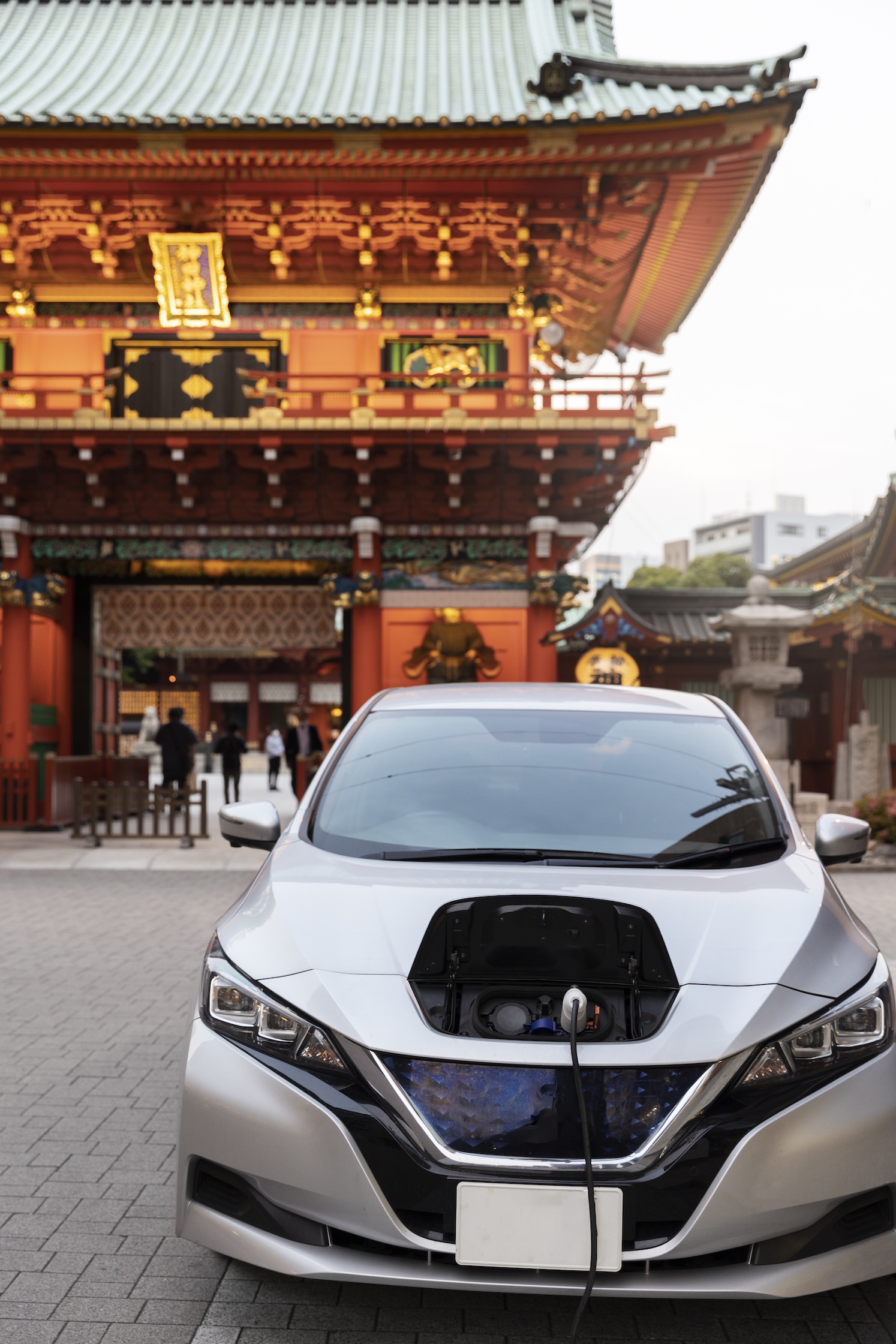
This is a clear signal from the government: they want to encourage smaller, more fuel-efficient, and electric vehicles. If you’re looking at a large-engine V8 truck or luxury SUV, factor in this additional cost from July. If you’re importing a compact sedan, crossover, or EV from China, you’re in the clear.
End-of-Life Vehicle Policy: Protecting Buyers from Dumped Cars
Perhaps the most important reform for ordinary Nigerian buyers is the End-of-Life Vehicle (ELV) policy, which the National Automotive Design and Development Council (NADDC) is rolling out in full in 2026.
For years, Nigeria has been a destination for vehicles that no longer meet roadworthiness standards in countries like Japan, the UAE, and the USA — cars that have been refurbished cosmetically but are structurally compromised. Under the new rules:
- All used vehicles imported into Nigeria must undergo mandatory certification and inspection in their country of origin before being shipped
- The cost of pre-export certification (estimated at $250–$300 per vehicle) will be borne by foreign exporters, not Nigerian buyers
- Vehicles that fail inspection or have falsified certificates will not be allowed into the country
- A mandatory vehicle recycling fee will also be introduced at the point of registration, to fund responsible end-of-life vehicle disposal
These reforms are long overdue. The NADDC Director-General, Mr. Joseph Osanipin, has been direct: “We’ve seen situations where vehicles that are already at end of life in Dubai are being brought into Nigeria. They are doing it because of their personal interests, not because they like you.”
What This Means If You’re Importing Through Autoimport Africa

The Autoimport Africa platform is built around exactly what these reforms are pushing for: clean-title vehicles imported directly from source — primarily from China — with full transparency on vehicle history and condition. We don’t deal in refurbished accident cars or cosmetically patched end-of-life vehicles.
With the tariff cut now in effect, importing a fully built vehicle through Autoimport Africa is more cost-effective than ever. And because we handle the full import process — from selection to custom clearing to home delivery — you don’t need to worry about navigating these new policy layers yourself.
The Bottom Line for Nigerian Car Buyers in 2026
- Import tariffs on fully built cars are now 40%, down from 70% — good news for new vehicle imports
- A Green Tax will apply to large-engine vehicles from July 2026 — EVs and small engines are exempt
- Mandatory pre-export certification for used vehicles will make it harder to dump end-of-life cars on Nigeria
- A vehicle recycling levy will apply at registration for all vehicles
- Electric vehicles are exempt from both the Green Tax surcharge and certain new excise duties
2026 is shaping up to be a turning point for Nigeria’s automotive sector. The rules are getting tighter, the costs for importers of quality vehicles are dropping, and the government is clearly pointing the country toward cleaner, newer, and more reliable vehicles. If you’ve been thinking about importing — now is an excellent time to start.