Tag: Volkswagen

  • 10 Best Used Cars to Source in 2026: A Working Dealer’s Sourcing Guide

    10 Best Used Cars to Source in 2026: A Working Dealer’s Sourcing Guide

    For dealers building 2026 inventory plans, the question isn’t just which vehicles will sell — it’s which vehicles will sell quickly, at strong margins, and without tying up capital in inventory that ages on the lot. The 10 models below have emerged as the volume-and-margin sweet spots for African dealers sourcing through global supply chains in 2026.

    This is the working dealer’s sourcing list, organised around the models that combine consistent demand, healthy margin potential, and reliable supply. Each entry includes why it works and what to watch when sourcing.

    Vehicles on a busy African street
    The 10 models below are the volume-and-margin sweet spots for African dealers in 2026 — consistent demand, healthy supply, and reliable economics

    1. Audi A3

    The A3 remains a strong volume performer in 2026 for one specific reason: it gives buyers entry-level Audi prestige at a price point that’s competitive with mid-range Hyundai or Toyota models. For dealers, the A3 turns over fast, particularly the recent fourth generation (2020-onward).

    Sourcing watch: Diesel variants still attract premium pricing in markets that haven’t shifted to petrol-default. Hatchback and Sportback configurations both move well; sedan variants slightly slower in African markets.

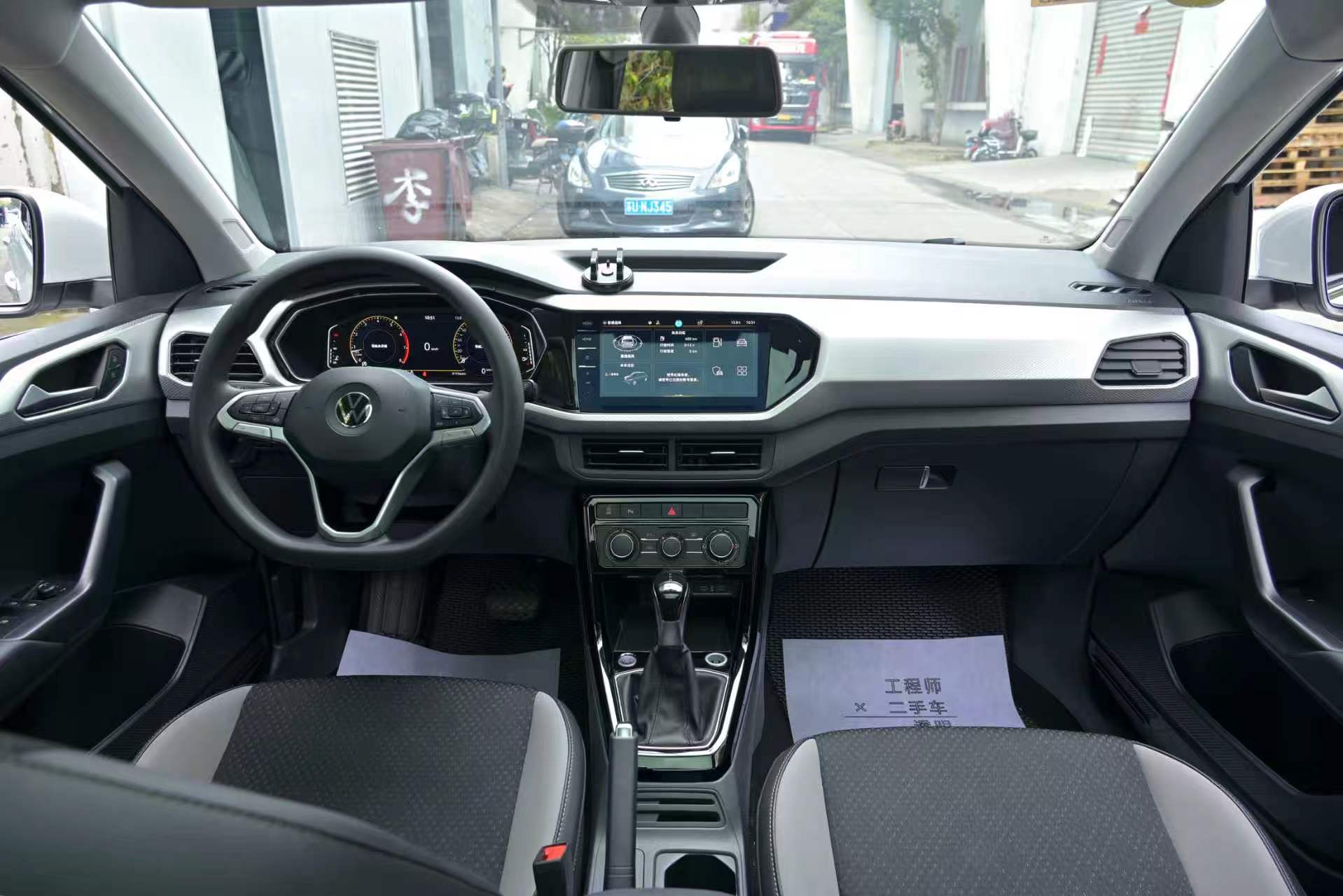
    2. Volkswagen Tharu

    The Tharu is a China-market-specific Volkswagen SUV that has become a strong export candidate for African dealers in 2026. Built on the MQB platform, well-equipped, and priced significantly below equivalent European-spec Tiguan models. Strong consumer recognition of the Volkswagen badge plus aggressive pricing makes for fast turnover.

    Sourcing watch: Verify that any Tharu being sourced has been spec’d for export (right-hand-drive markets in Kenya/Uganda or left-hand-drive markets across most of West Africa).

    3. Toyota RAV4

    The RAV4 needs no introduction. The fifth-generation model (2019-onward) is the volume sweet spot, and the hybrid variant carries a particular premium in 2026 as fuel costs push buyers toward efficient powertrains.

    Sourcing watch: Hybrid variants command 15–20% price premiums in resale markets and absolutely justify the higher source-side cost. Pre-2019 RAV4s are increasingly less attractive as the market has moved on.

    4. BMW X1

    The X1 is the entry-level X-series gateway and a consistent volume performer for African dealers. The third generation (2022-onward) is well-equipped and offers premium positioning at a price that’s accessible relative to the X3 or X5.

    Sourcing watch: sDrive (front-wheel-drive) and xDrive (all-wheel-drive) variants both sell, but xDrive commands a meaningful premium in markets with poor road conditions.

    5. BYD Song Plus DM-i

    The standout Chinese new-energy entry on the dealer list. The Song Plus DM-i (Dual-Mode intelligent) plug-in hybrid SUV has become one of the fastest-moving inventory items globally in 2026. Strong consumer interest in the BYD brand combined with genuinely competitive equipment at sub-Toyota pricing creates ideal volume conditions.

    Sourcing watch: Demand has outstripped supply at certain points in 2026. Dealers who establish reliable supply relationships through partners like Autoimport Africa get priority allocation.
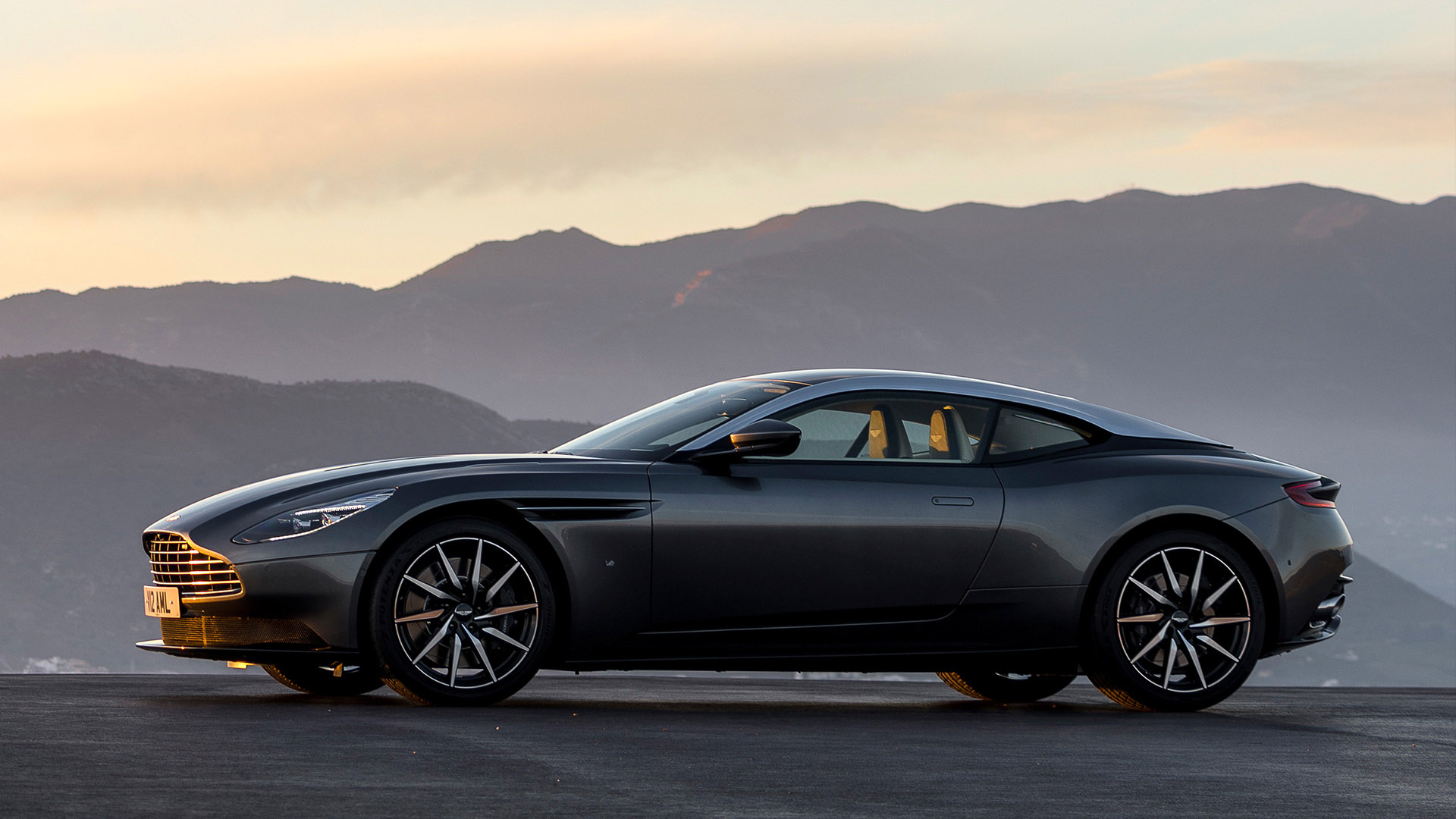
    Premium vehicle in showroom condition
    The dealer’s sourcing edge in 2026 is the combination of established models with the rising Chinese new-energy entries

    6. Honda CR-V

    The CR-V remains a reliable mid-volume performer. The fifth and sixth generations both move steadily, with the hybrid variant of the sixth generation commanding particular interest in 2026.

    Sourcing watch: The 2017–2019 1.5L turbo oil-dilution issue affected CR-Vs of those years. Verify model year carefully and price accordingly.

    7. Mercedes-Benz C-Class

    The C-Class is the entry into Mercedes prestige and continues to support strong dealer margins in 2026. The W205 generation (2014–2021) is the volume zone — well-priced at source and commanding meaningful premiums at retail.

    Sourcing watch: AMG-branded variants (C43, C63) carry significantly higher source-side costs but also significantly higher retail premiums. The maths usually works for dealers with appropriate buyer pipelines.

    8. Chery Tiggo 7 Pro

    The Tiggo 7 Pro has become Chery’s volume leader in African export markets. Mid-size SUV with premium-grade interior, well-equipped at competitive prices, and increasingly recognised by African consumers.

    Sourcing watch: The Tiggo 7 Pro Max (the higher-spec variant) commands meaningful premiums and sells faster than the standard Tiggo 7 Pro. Source the higher trim where possible.

    9. Geely Coolray

    The Coolray is Geely’s compact SUV and one of the strongest-performing Chinese SUVs in African dealer inventory in 2026. Stylish design, well-equipped interior, and competitive pricing combine for fast turnover.

    Sourcing watch: Available in multiple trim levels with significantly different equipment packages. The mid and high trims sell faster and at better margins than entry-level variants.

    10. Toyota Corolla (recent generations)

    The Corolla is the volume baseline of any African dealer’s inventory. Twelfth-generation models (2018-onward) move at near-constant velocity, with the hybrid variant commanding particular premiums in 2026.

    Sourcing watch: Cross Hybrid and Sedan Hybrid variants both move well. Pure petrol Corollas still sell but at lower margins than hybrid versions in 2026.

    Pattern Observations from the Top 10

    Several patterns emerge that should shape dealer sourcing decisions:

    Hybrid and PHEV demand has fundamentally shifted. Toyota RAV4 Hybrid, Toyota Corolla Hybrid, and BYD Song Plus DM-i all turn faster than equivalent pure-ICE inventory. Stocking decisions in 2026 should weight toward electrified powertrains where supply allows.

    Chinese brands are now mainstream sourcing priorities. BYD, Geely, and Chery occupy three positions in the top 10 — and their share of total inventory turnover continues to grow. Dealers who haven’t yet built reliable Chinese supply relationships are operating at a structural disadvantage.

    Premium German remains margin-dense. BMW X1, Mercedes C-Class, and Audi A3 all support healthy per-unit margins despite their pricing. The right buyer pipeline makes these consistently profitable.

    Volume vs margin trade-offs are real. Toyota RAV4 and Corolla deliver volume but moderate margin. Mercedes C-Class delivers margin but moderate volume. The optimal inventory mix combines both.

    Where Autoimport Africa Fits

    Autoimport Africa sources every model on this list directly from Chinese suppliers and through verified Chinese auction platforms, with end-to-end logistics into Nigeria, Ghana, Kenya, and other African markets. Our particular depth on Chinese inventory (BYD, Geely, Chery) gives African dealers reliable access to the fastest-growing segment of the global supply chain, while our broader network supports volume sourcing across Toyota, BMW, Mercedes, Audi, and other established brands.

    For dealers building 2026 inventory plans, working with Autoimport Africa removes the complexity of multi-channel sourcing and gives a single transparent view of landed cost across your full inventory mix.

    The Bottom Line

    The 2026 dealer’s top 10 — Audi A3, Volkswagen Tharu, Toyota RAV4, BMW X1, BYD Song Plus DM-i, Honda CR-V, Mercedes-Benz C-Class, Chery Tiggo 7 Pro, Geely Coolray, Toyota Corolla — combines established volume performers with the Chinese new-energy entries that have transformed the supply landscape. The dealers who source intentionally across this mix, through reliable partners, are the ones running profitable books in 2026.

    Talk to Autoimport Africa about scaling your inventory across all 10. We’ll quote landed cost on each, in your local currency, with the import already pre-arranged.
  • The Top 10 Used Car Brands in 2026: A Dealer’s Sourcing Ranking

    The Top 10 Used Car Brands in 2026: A Dealer’s Sourcing Ranking

    The 2026 used vehicle market reflects a moment of genuine transition. Established Japanese and European brands still dominate volume in many markets, but Chinese brands have quietly moved from challengers to legitimate market leaders — and the pace of that shift is accelerating.

    This is the dealer-focused brand ranking for 2026, drawing on global transaction patterns, regional inventory turnover, and the markets that drive volume for African importers. The list isn’t a celebration of nostalgic favourites — it’s an honest read of which brands are actually moving in the global supply chain right now.

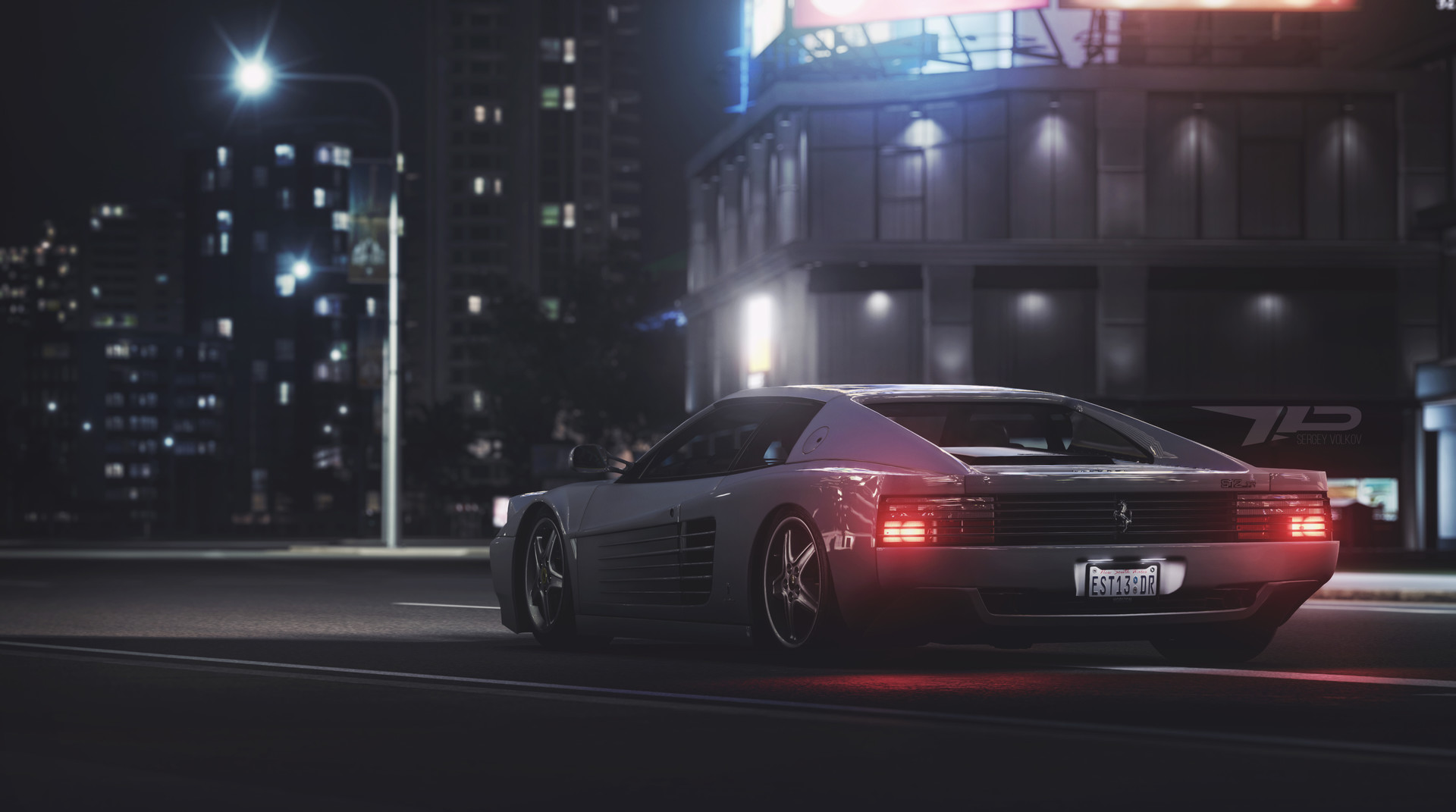
    Premium European sports car
    The 2026 brand ranking reflects a global market in transition — Chinese brands now compete for volume leadership alongside established European and Japanese names

    1. Volkswagen

    Still the global volume leader by a meaningful margin. Volkswagen’s strength in 2026 is the depth of its used inventory across multiple price tiers — from the entry-level Polo to the premium Touareg — and the brand’s parts ecosystem in Europe, Africa, and the Middle East. For dealers needing reliable mid-market inventory, Volkswagen remains the safest default.

    2. Toyota

    The reliability premium continues to power Toyota volume. The Corolla, RAV4, Camry, and Hilux move through the global supply chain at near-constant velocity. Toyota’s hybrid options have re-entered the demand picture aggressively in 2026 as fuel prices and emissions concerns push buyers toward efficient powertrains.

    3. BYD

    The most significant story in the 2026 ranking is BYD’s rise to third position globally. The world’s largest EV manufacturer has expanded aggressively into hybrid and ICE segments, dominated multiple emerging markets, and built a reputation for build quality that genuinely competes with Toyota. The Song Plus, Atto 3, Dolphin, and Han are all in the top tier of fastest-moving inventory globally.

    4. BMW

    The premium segment leader for the global used market in 2026. BMW’s inventory turnover is concentrated in the 3 Series, X1, X3, and X5 — vehicles that combine premium positioning with enough volume to remain accessible. African dealers continue to find strong margins on BMW imports, particularly the X-series SUVs.

    5. Audi

    Audi’s used inventory volume has held steady through 2026 despite increased competition from Chinese premium entries. The A3, A4, Q3, and Q5 are the volume drivers. The brand’s diesel options are still highly sought after in markets that haven’t shifted to petrol or electric defaults.

    Premium German automotive brand emblem
    Chinese brands now occupy multiple positions in the global top 10 — a structural shift that’s reshaping the global used car supply chain

    6. Geely

    Geely’s position in the top six reflects both its standalone brand strength and its ownership of Volvo, Lotus, and Lynk & Co. The Coolray, Atlas Pro, and Boyue have driven serious volume in emerging markets. The Volvo connection has lifted Geely’s perceived quality, and rightfully — many platforms are shared.

    7. Mercedes-Benz

    Mercedes’ position has slipped slightly from previous years as Chinese premium options gain ground, but the brand still anchors the high end of the used market. The C-Class and E-Class remain volume leaders; GLC and GLE drive the SUV side. African dealers selling Mercedes consistently command strong margins.

    8. Jetour

    Jetour — a relatively newer Chinese brand under Chery’s umbrella — has surged in 2026 by focusing on well-equipped SUVs at aggressive prices. The X70, X90, and Dashing models have driven serious volume in emerging markets. For dealers looking for inventory that moves quickly at competitive prices, Jetour is increasingly appearing on shortlists.

    9. Honda

    Honda’s position has been pressured by Chinese competition and by Toyota’s aggressive hybrid push, but the brand still sells well on reliability reputation. The Civic, CR-V, and Accord remain core volume drivers. The 2017–2019 1.5L turbo oil-dilution issue has now been clearly resolved on later models, but used-car buyers should still verify model year carefully.

    10. Chery

    Closing out the top 10 with Chery, whose Tiggo SUV range has captured significant share in markets across Africa, the Middle East, Latin America, and Eastern Europe. The Tiggo 7 Pro and Tiggo 8 are exported in serious volume; pricing is aggressive; build quality has lifted to credible levels. For African dealers, Chery is now a default consideration rather than an experimental choice.

    What This Ranking Means for African Importers

    A few takeaways for dealers and importers in 2026:

    Chinese brands now occupy four of the top 10 positions. BYD, Geely, Jetour, and Chery have all moved from “interesting alternatives” to mainstream choices. Dealers who haven’t yet built supply relationships into Chinese inventory are operating at a structural disadvantage in 2026.

    The premium-to-mass-market gap is narrowing. Mercedes and BMW still command price premiums, but Chinese vehicles are increasingly delivering equivalent equipment and build quality at significantly lower prices. The buyer who previously stretched for an entry-level BMW now has BYD and Geely options that may serve them better.

    Hybrid and PHEV demand has pulled forward. Toyota’s hybrid range and BYD’s DM-i platform are both moving faster through the supply chain than equivalent pure-ICE inventory. Stocking decisions in 2026 should weight toward electrified powertrains where possible.

    Volume vs margin trade-offs differ by brand. Volkswagen and Toyota remain the safest volume plays. BYD and Geely now offer the best margins for dealers willing to source aggressively. BMW and Mercedes remain the highest absolute margin per unit. The right brand mix depends on your local market dynamics.

    How Autoimport Africa Sources Across All 10

    Autoimport Africa sources vehicles across every brand on this list, with particular depth on the Chinese entries (BYD, Geely, Jetour, Chery) where direct China sourcing offers structural cost advantages. We provide transparent landed-cost quotes for any model in any of these brands, run third-party inspections, and handle the full import process into Nigeria, Ghana, and other African markets.

    For dealers building 2026 inventory plans, the right brand mix is no longer just about Toyota and Volkswagen. It’s about strategically combining the established volume leaders with the rising Chinese brands that now offer the best per-unit economics.

    The Bottom Line

    The 2026 global used car brand ranking — Volkswagen, Toyota, BYD, BMW, Audi, Geely, Mercedes-Benz, Jetour, Honda, Chery — reflects a market that’s no longer dominated solely by traditional players. Chinese brands have moved from peripheral to central in just a few years, and the pace of that shift will continue.

    For African dealers building inventory plans, the question isn’t whether to engage with Chinese supply — it’s how aggressively to lean in. Talk to Autoimport Africa about sourcing across the full top 10.

  • Volkswagen Group and Xpeng expand strategic E/E architecture partnership to gasoline and plug-in hybrid platforms

    Volkswagen Group and Xpeng expand strategic E/E architecture partnership to gasoline and plug-in hybrid platforms

    Volkswagen Group (China) and Xpeng on Friday announced an expansion of their jointly developed regional electronic/electrical architecture, known as CEA. Beginning in 2027, the CEA platform will be applied not only to locally developed battery-electric models but also to gasoline and hybrid vehicles produced in China.

    China automotive technology hub
    Volkswagen and Xpeng are deepening their “for China, in China” strategy — a partnership that will shape the next generation of intelligent vehicles

    CEA centres on a high-performance central compute platform designed to support more advanced and reliable ADAS (advanced driver assistance systems). The architecture integrates an intelligent in-vehicle AI assistant and enables fast, stable full-vehicle OTA (over-the-air) updates. By reducing the number of individual electronic control units (ECUs), CEA aims to simplify system complexity, raise vehicle sustainability and preserve long-term value through a unified software-defined approach.

    Ralf Brandstätter, Member of the Management Board responsible for China and CEO of Volkswagen Group (China), stated that advanced technology should not be limited to a single powertrain. Extending CEA across the group’s fuel-powered models will further consolidate its technological leadership in conventional vehicles — a strategy that helps optimise cost structures and maintain attractive model choices while freeing resources for targeted frontier innovation.

    Xpeng Chairman and CEO He Xiaopeng described the expansion as another milestone following the joint development agreement signed on July 22, 2024, reflecting long-term strategic trust and a shared commitment to continuous innovation in core intelligent electric vehicle technologies.

    Xpeng intelligent vehicle technology
    Xpeng’s ADAS technology — now being integrated into Volkswagen models — represents some of the most advanced intelligent driving systems in production today

    Volkswagen Group’s locally produced MQB-derived fuel models already feature advanced ADAS and intelligent cockpit functions and remain popular with Chinese buyers. In 2024, the Volkswagen brand delivered more than 2 million vehicles to China, with roughly nine in ten being gasoline models. Executives say extending CEA’s scope will amplify scale benefits in China, protect profitable traditional powertrain business, and sharpen the group’s competitive edge on both technology and cost.

    The announcement also marks Volkswagen’s “for China, in China” strategy. The group has established Volkswagen Group (China) Technology Co., Ltd. (VCTC) in Hefei, and aligned Cariad China’s software capabilities closely with VCTC to speed digital service deployment.

    City roads with intelligent vehicles
    By 2027, the CEA platform will power Volkswagen models across all powertrain types — bringing consistent OTA updates and advanced ADAS to every vehicle in the lineup

    Looking ahead, Volkswagen Group (China) plans to accelerate its intelligent connected vehicle push from 2026. By 2027, the group expects to list about 30 electrified models in China, and by 2030 around 30 pure battery electric vehicles across its brands will be available in the market. New Audi and Volkswagen models built on the next-generation intelligent architecture are expected to broaden segment coverage and reach more customers as the group transitions.

    This deepened partnership between two of the world’s most influential automotive players signals that the technology gap between Chinese and Western vehicles is narrowing rapidly — and that the future of the global auto industry will increasingly be shaped by what is developed and manufactured in China.