Tag: SAIC

  • Egypt’s Rising Auto Manufacturing Hub: What GAC, MG, Zeekr, BAIC and Geely Are Building — and Why It Matters for Africa

    Egypt’s Rising Auto Manufacturing Hub: What GAC, MG, Zeekr, BAIC and Geely Are Building — and Why It Matters for Africa

    Something quietly significant is happening in North Africa that could reshape how vehicles reach the entire continent. Egypt is rapidly becoming a Chinese automotive manufacturing hub — and the ripple effects for buyers in Nigeria, Kenya, Ghana, and across sub-Saharan Africa are only starting to be felt.

    In the space of 18 months, a remarkable number of Chinese automakers have either started building cars in Egypt or committed to doing so. The country’s strategic location — at the crossroads of Africa, the Middle East, and Europe — makes it an ideal export base. And the Egyptian government is actively encouraging this with tax incentives, industrial zone access, and a clear national automotive strategy.

    Aerial view of city with roads
    Egypt’s central location makes it a natural hub for vehicle manufacturing destined for Africa, the Middle East, and beyond

    Why Egypt?

    Egypt offers Chinese automakers something that mainland China cannot: proximity to African and Middle Eastern markets without the import duties that come with shipping finished vehicles from China. By assembling vehicles in Egypt, brands avoid high import tariffs across Africa and the Arab world, which can add 40–70% to the cost of a fully built imported vehicle.

    Egypt also has a population of over 110 million, making it one of Africa’s largest domestic car markets. And Egypt’s National Automotive Industry Strategy (NAIS) explicitly prioritises electric vehicle production and export ambition — offering brands clear government backing.

    The Chinese Brands Building in Egypt

    MG Motor (SAIC)
    SAIC signed a $135 million agreement with Egypt’s Al Mansour Automotive Group to build a manufacturing plant in the New October City industrial zone. The 126,000-square-metre facility began production in Q2 2026, starting with the new-generation MG5. Initial annual capacity is 50,000 vehicles, with plans to scale to 100,000 units.

    BAIC
    BAIC signed a binding agreement with the Egyptian International Motor Group (EIM Group) and the Egyptian government to establish an EV manufacturing plant in the suburbs of Cairo. The 120,000-square-metre facility targets production of 20,000 EVs in its first year, scaling to 50,000 annually by year five and will employ 1,200 people.

    GAC
    GAC has signed a deal for a CKD (Completely Knocked Down) localized vehicle assembly project in Egypt, with mass production expected in the second half of 2026.

    Geely
    Geely has already started production in Egypt in early 2026, making it one of the first Chinese brands to actually manufacture on African soil.
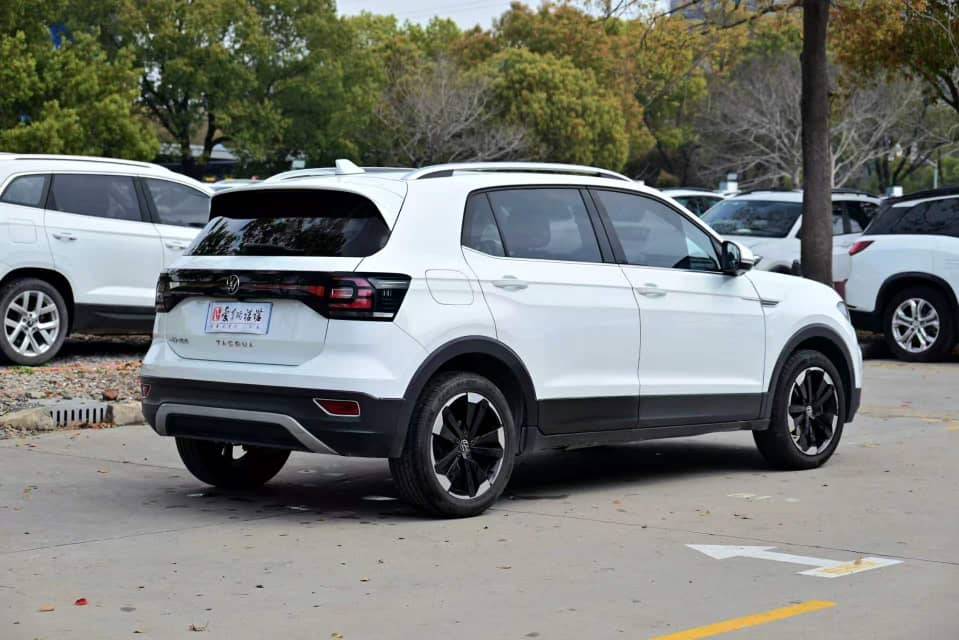
    Modern Chinese vehicle
    Vehicles assembled in Egypt by Chinese brands will benefit from AfCFTA trade agreements, reducing costs across the continent

    Zeekr (Geely’s Premium EV Brand)
    Zeekr has entered the Egyptian market with the Zeekr 001 and Zeekr X, with the first Cairo store open. This marks Zeekr’s first African footprint — a premium electric brand in a continent that has traditionally only received budget options.

    Li Auto
    Li Auto has entered Egypt alongside Kazakhstan and Azerbaijan as part of a major overseas expansion push, bringing its EREV-focused lineup to a North African audience for the first time.

    Jetour, Changan, Haval
    Multiple other brands — including Jetour, Changan, and Haval — are either in production or preparing to begin local assembly in Egypt.

    What This Means for Sub-Saharan African Buyers

    Egyptian-assembled Chinese vehicles benefit from Africa’s Continental Free Trade Area (AfCFTA) and COMESA trade agreements, which can significantly reduce the cost of shipping vehicles to other African countries compared with importing direct from China.

    As these Egyptian factories scale up, vehicles assembled there could become a cost-competitive alternative for buyers in Nigeria, Kenya, Ghana, Ethiopia, and beyond — potentially arriving faster, with lower shipping costs, and with easier access to spare parts manufactured regionally.

    For buyers not waiting on the rollout, Autoimport Africa continues to provide direct access to all of these brands from source in China — with the full vehicle range, clean titles, and end-to-end import support.

    The Bigger Picture

    Egypt’s emergence as a Chinese auto assembly hub is not an isolated development — it’s part of a continent-wide pattern. Geely is building in Algeria. Okla Global is planning assembly in Nigeria, Kenya, South Africa, Zimbabwe, and Egypt. The era of Africa simply receiving other countries’ old cars is coming to an end.
  • Chinese EV Brands Coming to Africa in 2026: The Complete Guide (BYD, Geely, Chery, Changan, Okla & More)

    Chinese EV Brands Coming to Africa in 2026: The Complete Guide (BYD, Geely, Chery, Changan, Okla & More)

    Africa is becoming one of the most contested frontiers for Chinese automakers. Locked out of European markets by tariffs, and facing a softening domestic market at home, China’s biggest automotive brands are accelerating their push into the continent — with aggressive pricing, local assembly plants, and tailored models designed for African roads and buyer preferences.

    African city roads and growth
    Africa’s rapidly urbanising cities represent one of the world’s fastest-growing vehicle markets

    Here is a comprehensive look at the Chinese EV and NEV brands making the biggest moves in Africa in 2026.

    1. BYD

    BYD is the most prominent Chinese EV brand in Africa, and it’s scaling fast. Currently selling seven models in South Africa — including the Atto 3, Seal, Dolphin, Sealion 7, Shark 6, Sealion 6, and the newly launched Atto 8 — BYD is expanding its dealer network to 30–35 South African locations by end-2026, while simultaneously building 300 fast-charging stations. South Africa is BYD’s African launchpad, with plans to replicate the model across Nigeria, Kenya, Ghana, and Egypt.

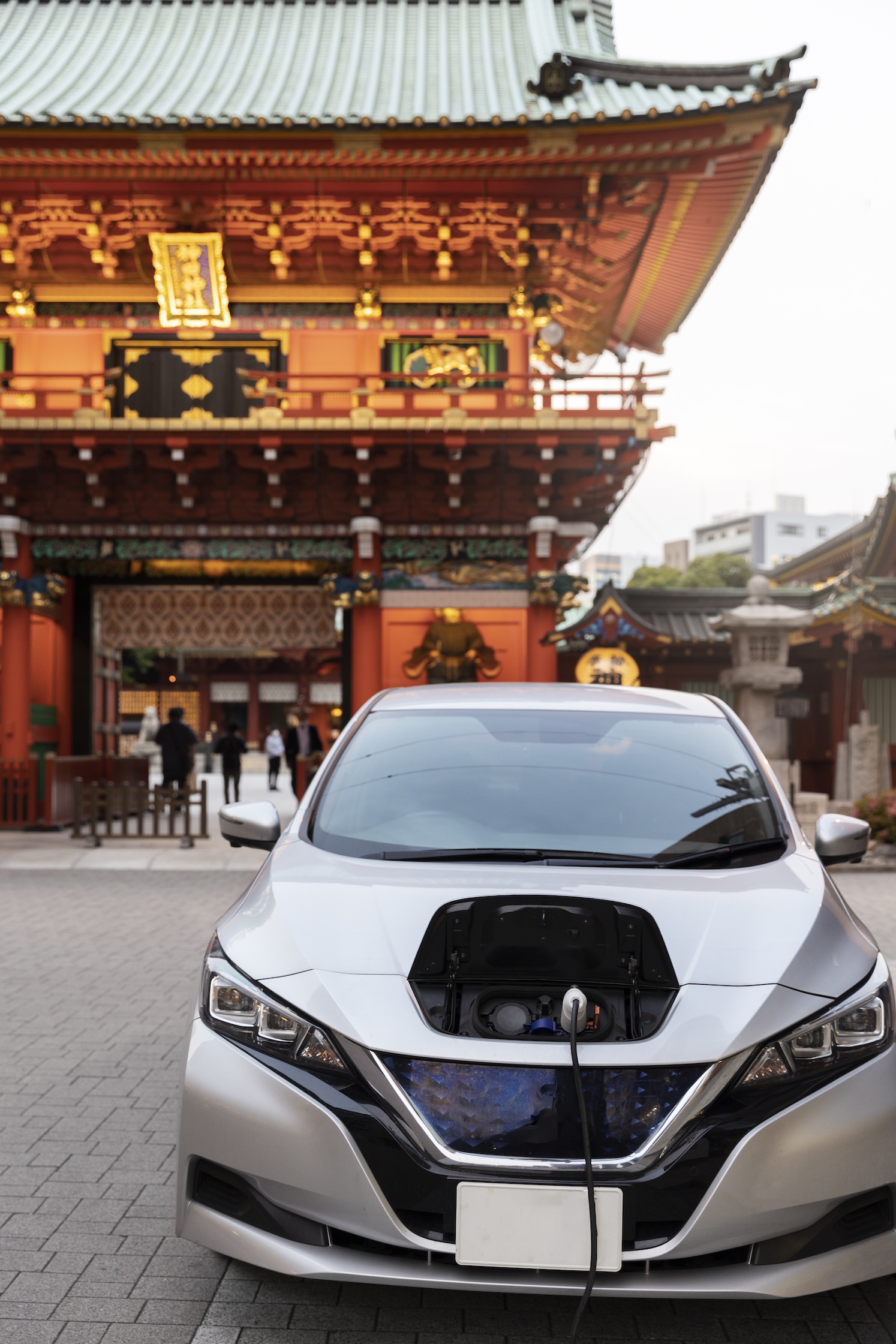
    EV charging infrastructure
    BYD’s charging infrastructure rollout is removing one of the biggest barriers to EV adoption in Africa

    2. Chery

    Chery is one of China’s top exporters globally and has strong distributor relationships across Africa. The brand already operates in South Africa, Nigeria, Egypt, and across the Maghreb region. The Chery Tiggo SUV range is among the most widely distributed Chinese vehicle lines on the continent. In 2026, Chery is expanding its NEV offerings across African markets, including the Fulwin X3 electric off-road SUV and the X3L EREV.

    3. Geely

    Geely has made a landmark commitment: a $200 million investment to build an automobile assembly plant in Algeria, with an initial production capacity of 50,000 vehicles annually and an expected launch in 2026. Beyond serving Algerian demand, the plant is designed as a regional export hub for North and West Africa, Latin America, and Central Asia. By manufacturing locally, Geely avoids high import duties — making its vehicles more affordable for African buyers.

    4. SAIC (MG Motor)

    MG Motor, owned by SAIC, has strong brand recognition across Africa thanks to its UK heritage. SAIC has also secured a deal to produce MG vehicles locally in Egypt, with the new-generation MG5 as the first locally assembled model and an initial plant capacity of 50,000 units annually. MG’s range of EVs and hybrids — particularly the MG4 EV and ZS EV — are competitively priced and well-suited to urban African markets.

    5. Changan (Deepal and Avatr)

    Changan has over 30 years of presence in the Middle East and Africa, giving it a distribution and after-sales advantage most newer brands lack. In 2026, the company is expanding its intelligent EV offerings through sub-brands Deepal and Avatr — both of which feature Huawei’s ADAS and HarmonyOS technology. A six-seat flagship SUV co-developed with Huawei is also planned for 2026 under the Avatr brand.

    6. Great Wall Motor (Haval)

    Great Wall Motor’s Haval brand is one of the most recognised Chinese SUV names across Africa, with a particularly strong presence in South Africa, Kenya, and Egypt. Haval’s H6 and Jolion models are popular choices for buyers wanting reliable, well-priced SUVs.

    7. Okla Global

    A newer entrant making a major commitment: Okla Global has appointed Treadway Investment Bank to lead its Africa expansion, with assembly plants specifically planned for Kenya, Nigeria, South Africa, Egypt, and Zimbabwe. Okla is positioning itself as an EV brand tailored to African conditions, with localized assembly intended to reduce costs and create jobs in target markets.

    8. BAIC

    BAIC, China’s sixth-largest automaker, is partnering with Egypt’s Alkan Auto to establish a local EV factory in Egypt — a 120,000-square-metre facility set to produce 20,000 EVs in its first year, scaling to 50,000 annually by year five and will employ 1,200 people.

    9. Zeekr (Geely’s Premium EV Brand)

    Zeekr has entered Egypt with the Zeekr 001 and Zeekr X, marking its first African market. As Geely’s flagship premium electric brand, Zeekr brings high-performance EVs at competitive price points.

    10. Nio

    Nio’s battery-swap technology makes it uniquely interesting for fleet operators and markets where charging time is a constraint. The brand is debuting the ES9 large electric SUV at the Beijing Auto Show 2026 and has been steadily expanding its global footprint.

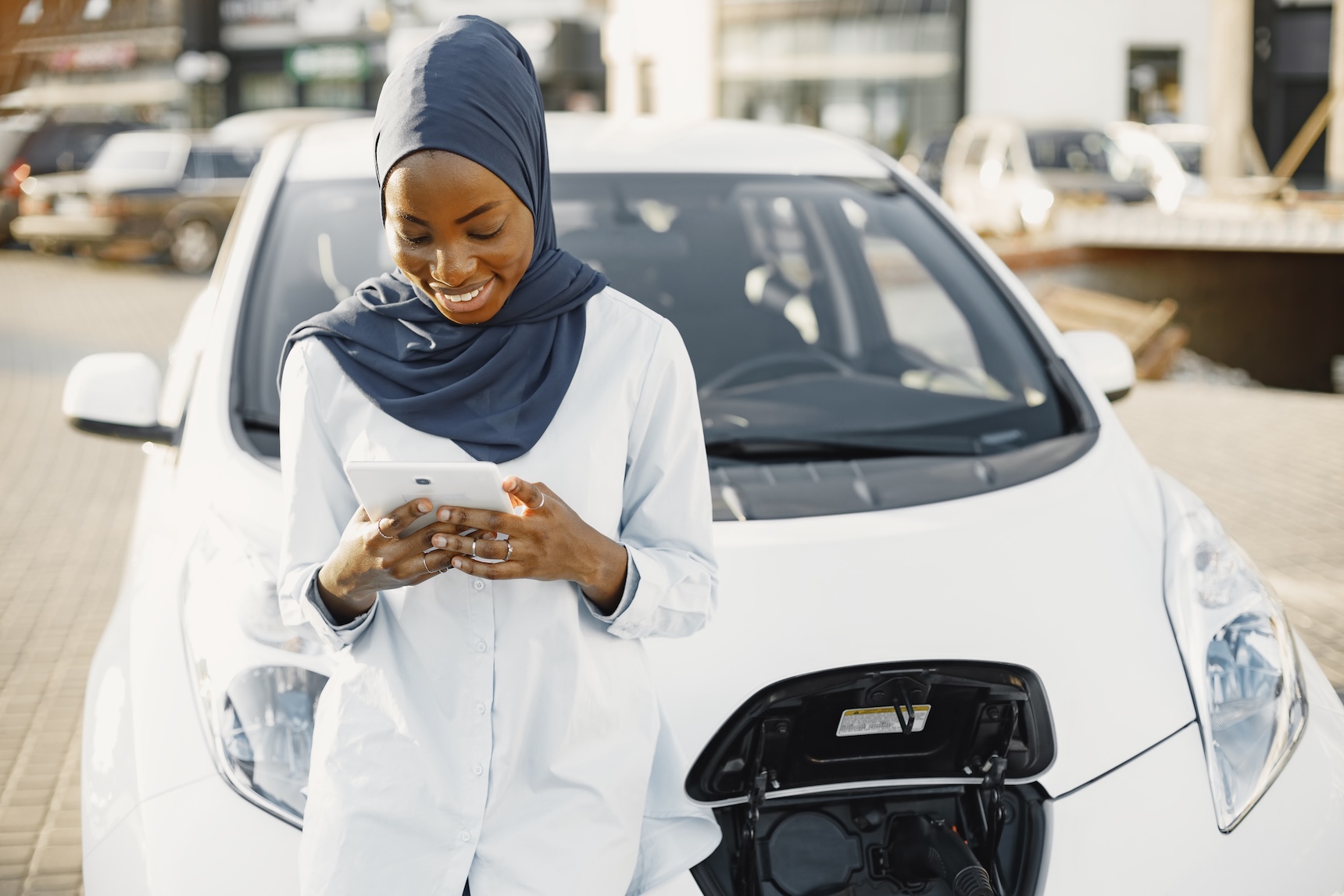
    African buyer browsing vehicle options
    Autoimport Africa gives buyers across Africa direct access to all these brands, imported new from China with clean titles

    What This Means for African Buyers

    The arrival of this many competitive, well-funded Chinese brands in Africa is transforming the market. Prices are falling, quality is rising, and the model variety available to African buyers in 2026 is dramatically better than it was even two years ago. Whether you’re looking for a compact city EV, a tough PHEV pickup, or a premium intelligent SUV, a Chinese brand is building something specifically for your needs.

    Autoimport Africa gives you direct access to all of these brands — from factory floor in China to your driveway in Africa — with clean titles and full transparency.

  • SAIC’s new IM LS6 with CATL’s Freevoy Super Max battery starts pre-sale

    SAIC’s new IM LS6 with CATL’s Freevoy Super Max battery starts pre-sale

    IM Motors’ new LS6 SUV is open for pre-sale, featuring a refreshed exterior and interior, and added EREV variants on top of the previous BEV options. The price range is 209,900 to 279,900 yuan (29,200 to 39,000 USD). The official launch will be on September 10 in China.

    • LS6 Pro BEV: 209,900 yuan (29,200 USD)
    • LS6 52 Pro EREV: 214,900 yuan (29,900 USD)
    • LS6 66 Max EREV: 239,900 yuan (33,400 USD)
    • LS6 Ultra BEV: 279,900 yuan (39,000 USD)

    The EREV is powered by IM Motors’ “Stellar” range-extender system, boasting a maximum CLTC comprehensive range of 1,502 km and a pure electric range of 450 km. Within 30 minutes of the pre-sale opening, orders exceeded 10,000 units.

    SAIC IM LS6 SUV
    The IM LS6 combines a striking fastback design with CATL’s world-leading battery technology — 10,000 pre-orders in 30 minutes speaks for itself

    Exterior

    Both BEV and EREV variants share the same design with a fastback shape, front and rear fenders wider than the body, double five-spoke rims, and red brake calipers. The front adopts Y-shaped “Starlight” headlights, and the roof features a 520-line lidar on high-end trims. The rear carries a through-type taillight strip named “Skyline 2.0.” The EREV variant has body dimensions of 4937/1988/1671 mm (l/w/h) with a 2960 mm wheelbase.

    Powertrain

    Equipped with IM Motors’ Lizard Digital Chassis 2.0 and the Continental MK C2 brake-by-wire system, the new IM LS6 can realize two-way 18° four-wheel steering, enabling a turning radius of 4.79 meters.

    For the EREV, the “Stellar” range-extender system is comprised of a Zephyr 1.5T engine (114 kW), a rear 800V silicon carbide “Hurricane” electric motor (230 kW), and CATL’s Freevoy Super Max battery pack:

    • LS6 52 Pro EREV: 52 kWh battery pack, 370 km pure electric range, 1,400 km comprehensive range
    • LS6 66 Max EREV: 66 kWh battery pack, 450 km pure electric range, 1,502 km comprehensive range

    The BEV is available in RWD (245 kW, 76 kWh, 650 km range) or AWD (500 kW combined, 103 kWh, 750 km range, 0–100 km/h in 3.48 seconds). Under fast charging, it takes 15 minutes to recharge 310 km of range.

    Fast charging capability
    The IM LS6 BEV supports fast charging — 310 km of range recovered in just 15 minutes

    Interior & Technology

    The cockpit features a 27.1-inch 5K display and a 15.6-inch 3K co-pilot entertainment screen, powered by a Qualcomm Snapdragon 8295 chip. Consumers can choose either a full or half steering wheel. The onboard IM AD 3.0 advanced driving assistance system does not rely on high-definition maps and is powered by an Nvidia Drive Thor chip.

    The interior adopts a five-seater layout, with the co-pilot zero-gravity seat supporting a 121° adjustable angle. Rear seats offer ventilation, heating, and massage functions. Additional features include an 11 L refrigerator, 50 W wireless fast charging, 21 speakers, and ambient lighting.

    Premium SUV interior features
    A 27.1-inch 5K display, zero-gravity co-pilot seat, and 21-speaker audio — the IM LS6 sets a new benchmark for interior technology