Electric vehicles (EVs) are steadily gaining traction in Nigeria, driven by rising fuel costs, increasing environmental awareness, and a growing interest in modern technology. But before you can drive your imported EV on Nigerian roads, it must go through the customs clearing process — and for EVs, there are some important differences from clearing a regular petrol or diesel vehicle.
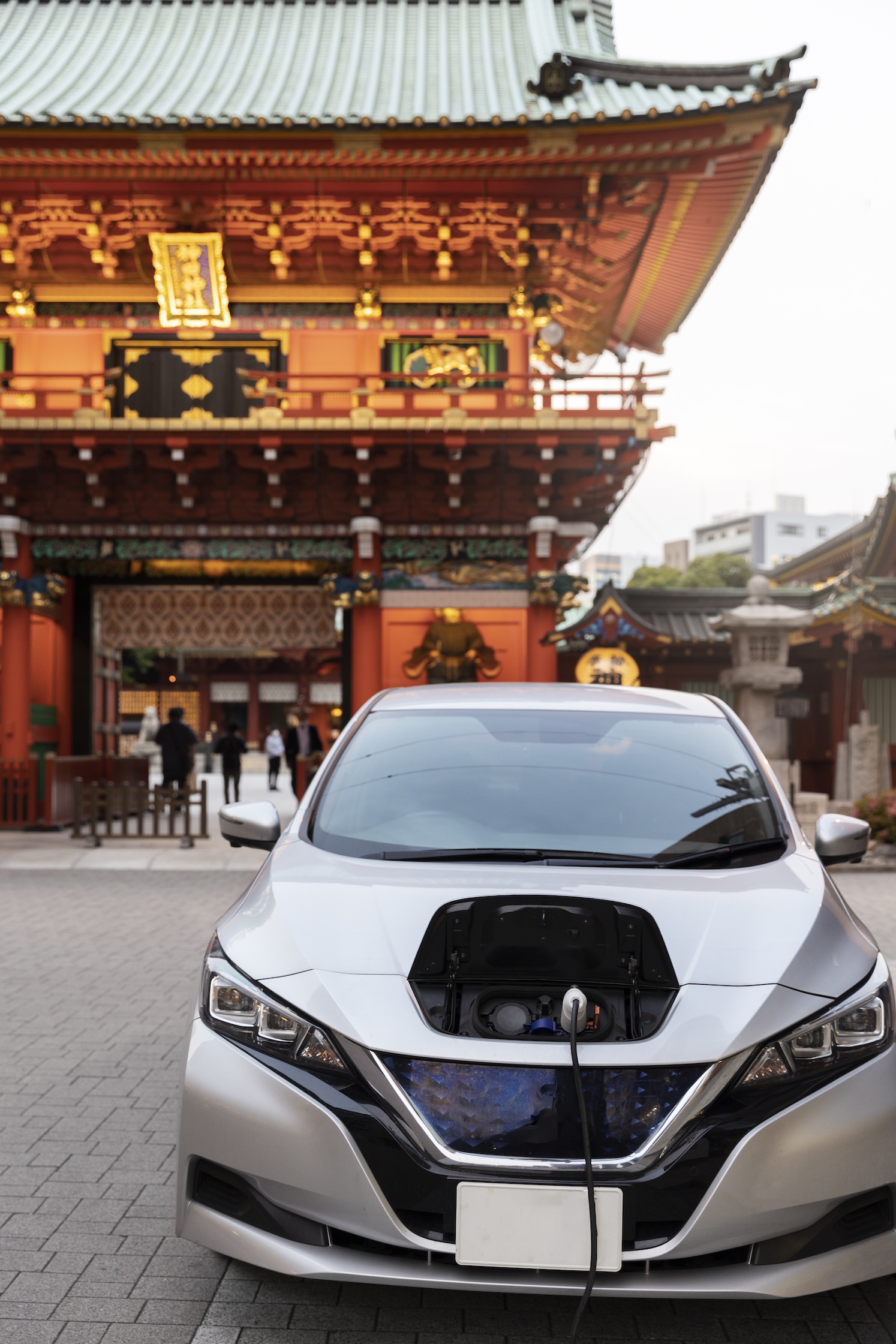
This guide walks you through everything you need to know about clearing an electric vehicle in Nigeria in 2026.
Step 1: Understand the Import Status of EVs in Nigeria
Electric vehicles are legal to import into Nigeria. The Nigerian government has shown increasing interest in promoting EV adoption as part of its broader energy transition agenda. Under the 2026 Fiscal Policy, EVs are exempt from the new Green Tax surcharge, making them more cost-competitive than ever to import.
Key regulatory bodies involved include:
- Nigeria Customs Service (NCS) — handles import duties and tariffs
- Standards Organisation of Nigeria (SON) — ensures vehicles meet local safety and technical standards
- Vehicle Inspection Office (VIO) — involved in roadworthiness certification
- Federal Road Safety Corps (FRSC) — handles vehicle registration
Step 2: Know the Import Duties and Levies
Under Nigeria’s 2026 Fiscal Policy Measures, import duties on fully built passenger vehicles have been reduced to 40% of the CIF value. Electric vehicles additionally benefit from exemption from the new Green Tax surcharge effective July 2026.
Step 3: Required Documents for Clearing
You will need the following documents to successfully clear your EV:
- Original Bill of Lading (B/L) — issued by the shipping company
- Commercial Invoice — showing the purchase price of the vehicle
- Packing List
- Certificate of Origin — confirms the country of manufacture
- Pre-Shipment Inspection Certificate — from an approved agency (e.g., SGS, Cotecna)
- Combined Certificate of Value and Origin (CCVO)
- Single Good Declaration (SGD) — processed on the Nigeria Customs Service portal
- SON Import Permit — required for new vehicles
Step 4: The Clearing Process at the Port
1. Arrival Notification
Once your EV arrives at the port (Apapa or Tin Can Island in Lagos, or Onne Port in Rivers State), your shipping agent will notify you. You’ll receive an arrival notice with the vessel details and container number.
2. Engage a Licensed Customs Agent
You must engage a licensed clearing agent registered with the Nigerian Customs Service. They will file your declaration and process all paperwork on your behalf. Do not attempt to clear without a licensed agent — it will cause unnecessary delays.
3. File the Single Goods Declaration (SGD)
Your agent will file the SGD electronically on the Nigeria Customs Service Trade portal (NICIS II system). This document captures all details about the vehicle and calculates applicable duties.
4. Assessment and Duty Payment
Customs will assess the vehicle value and issue a debit note. Duties must be paid electronically through approved banks or the Customs payment portal.
5. Physical Examination
A customs officer will physically inspect the vehicle to confirm it matches the documentation. For EVs, they will verify the VIN, battery specifications, and overall condition.
6. Release Order
After successful examination and confirmation of duty payment, a release order is issued. Your vehicle can then be driven or trucked out of the port.

Step 5: SON Conformity Assessment
The Standards Organisation of Nigeria requires imported vehicles to comply with local standards. For EVs, this includes:
- Battery safety standards
- Charging system compatibility
- Electromagnetic compatibility (EMC) requirements
Ensure your vehicle has a valid SONCAP Certificate before it arrives in Nigeria, or be prepared to go through conformity testing after arrival.
Step 6: Vehicle Registration
Once cleared, proceed to register the vehicle with the Federal Road Safety Corps (FRSC). You’ll need:
- Customs duty receipt
- Certificate of ownership / purchase
- Vehicle Inspection Certificate from VIO
- Proof of address
- Valid ID
Tips for a Smooth EV Clearing Process
- Engage your clearing agent early — before the vessel even arrives at port.
- Obtain your SONCAP certificate from China before shipment to avoid delays.
- Keep all documents in order — missing or inconsistent documents are the number one cause of port delays.
- Be aware of demurrage fees — if you don’t clear your vehicle within the free days allowed by the shipping line, you’ll start incurring daily storage charges.
- Check for duty incentives — EVs are currently exempt from the Green Tax surcharge under 2026 fiscal policy.

Final Thoughts
Clearing an electric vehicle in Nigeria is very doable — it just requires proper preparation, the right documentation, and a trusted clearing agent. As Nigeria’s EV market grows, the process will only become smoother and more streamlined.
Need help importing and clearing an EV in Nigeria? Autoimport Africa handles every step of the process — from sourcing your vehicle in China to delivering it to your door, with full customs clearing included as an optional service.