Tag: CATL

  • How Chinese Cars Became the World’s Most Advanced: A Quality Story African Buyers Need to Know

    How Chinese Cars Became the World’s Most Advanced: A Quality Story African Buyers Need to Know

    Five years ago, most Chinese car brands were unknown outside of China. Today, they are winning awards in Europe, selling in over 100 countries, and consistently outperforming Japanese and German rivals in technology benchmarks and customer satisfaction surveys. The transformation has been rapid, deliberate, and built on a foundation of genuine engineering progress.
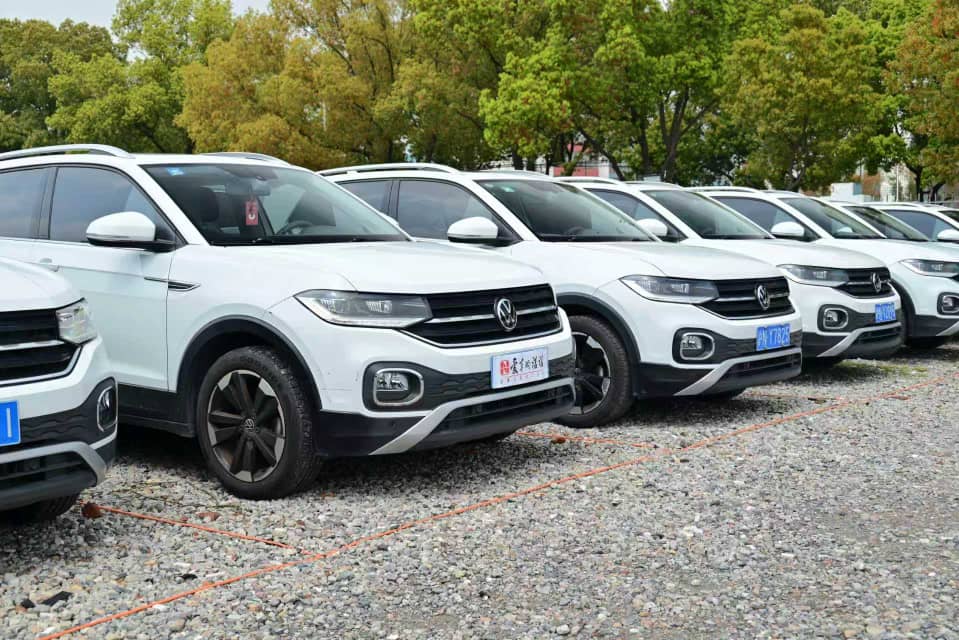
    Modern Chinese vehicle
    Chinese vehicles in 2026 are the result of billions in R&D investment — and the quality shows in every detail

    The Investment Behind the Quality Shift

    Chinese automakers have invested on a scale that most Western brands simply couldn’t match during the same period. BYD alone spends more on R&D annually than Toyota. The entire Chinese NEV sector received tens of billions in government support through subsidies, infrastructure investment, and manufacturing incentives — creating a concentrated burst of innovation that compressed what would normally take 20–30 years of development into about 10.

    The result: Chinese brands didn’t just copy existing technology. They leapfrogged it. Instead of building better petrol engines, they built better batteries. Instead of improving traditional instrument clusters, they built 27-inch 5K displays with AI assistants. Instead of adding parking sensors, they built full 360-degree camera systems with automatic parking as standard.

    Battery Technology: Where China Leads the World

    Battery technology is arguably the most important component in any modern vehicle, and China’s CATL is the world’s largest and most advanced battery manufacturer. CATL’s batteries power vehicles from BYD, Avatr, IM Motors, Chery, and dozens of other brands.

    Key milestones:

    • BYD’s Blade Battery passed nail penetration safety tests that conventional lithium-ion batteries fail — making thermal runaway (fire risk) dramatically less likely
    • CATL’s Freevoy Super Max battery (used in the IM LS6) enables 1,502km combined range in an EREV
    • CATL’s latest cells achieve energy density of up to 300Wh/kg — setting global benchmarks
    • Chinese fast-charging technology now enables 200km of range to be added in under 10 minutes on some platforms
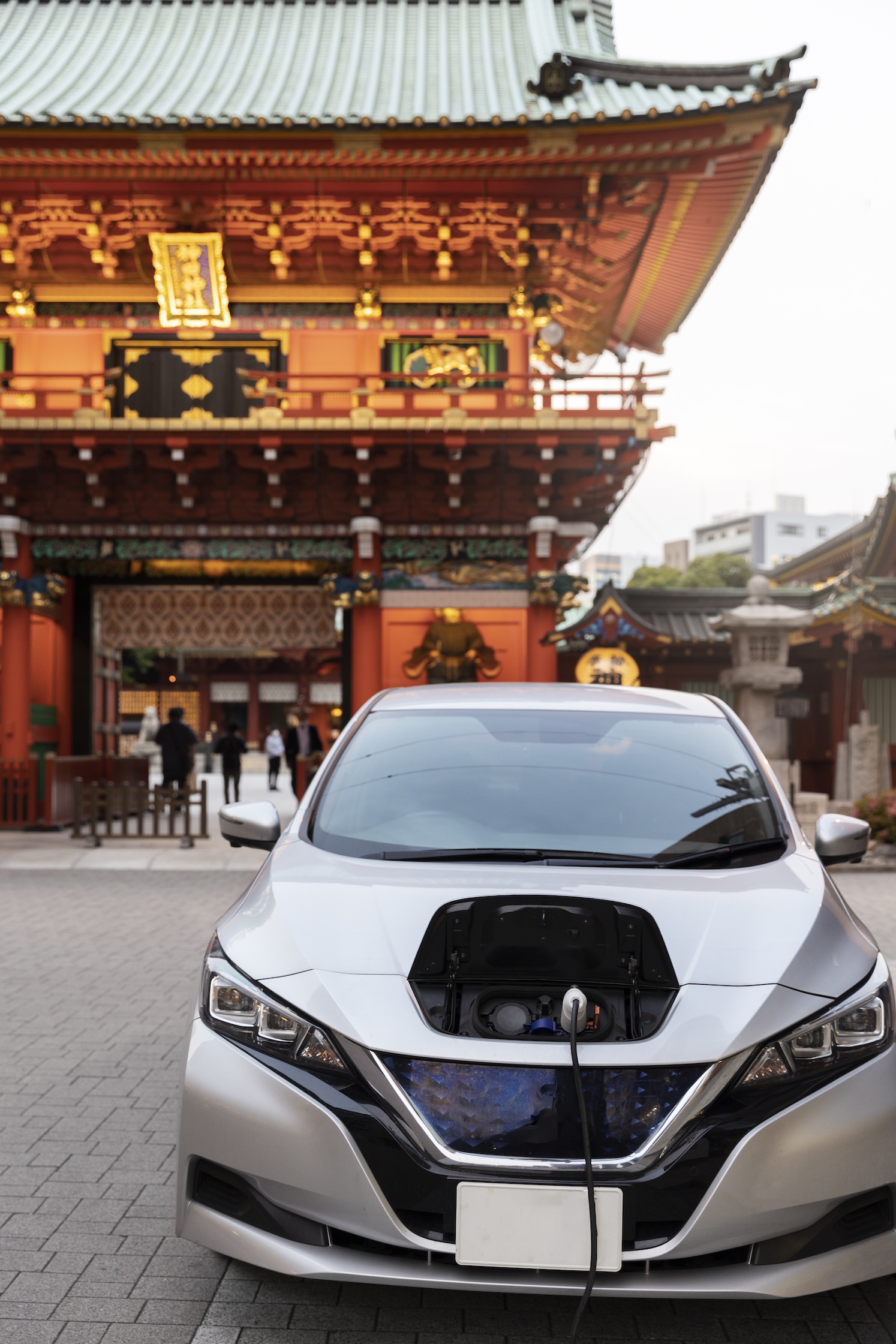
    Advanced EV charging technology
    China’s fast-charging technology is the world’s most advanced — adding 200km of range in minutes on compatible vehicles

    Software and Connectivity: A New Benchmark

    Chinese NEV brands have built their vehicles around software in a way that traditional automakers haven’t. OTA (over-the-air) updates allow Chinese EVs to improve after purchase — adding new features, fixing bugs, and enhancing driving assistance systems wirelessly, exactly like a smartphone.

    Xpeng pushes around 40 OTA updates per year to its vehicles. BYD vehicles receive regular updates that improve battery management, add features to the infotainment system, and refine ADAS behaviour. Traditional Japanese automakers typically issue 2–3 software updates per year, most of which require a dealer visit.

    This means a Chinese EV bought in 2026 will be functionally better in 2027 and 2028 — with no hardware change needed.

    Safety Ratings: Dispelling the Old Myth

    The perception that Chinese cars are unsafe is based on data that is years out of date. Current-generation Chinese exports are built to meet European NCAP standards — one of the strictest safety testing regimes in the world.

    The MG4 EV received a 5-star Euro NCAP rating. BYD’s export models meet European pedestrian safety and crash test requirements. Chery’s Tiggo range passes rigorous multi-market certification.

    What This Means When You Import Through Autoimport Africa
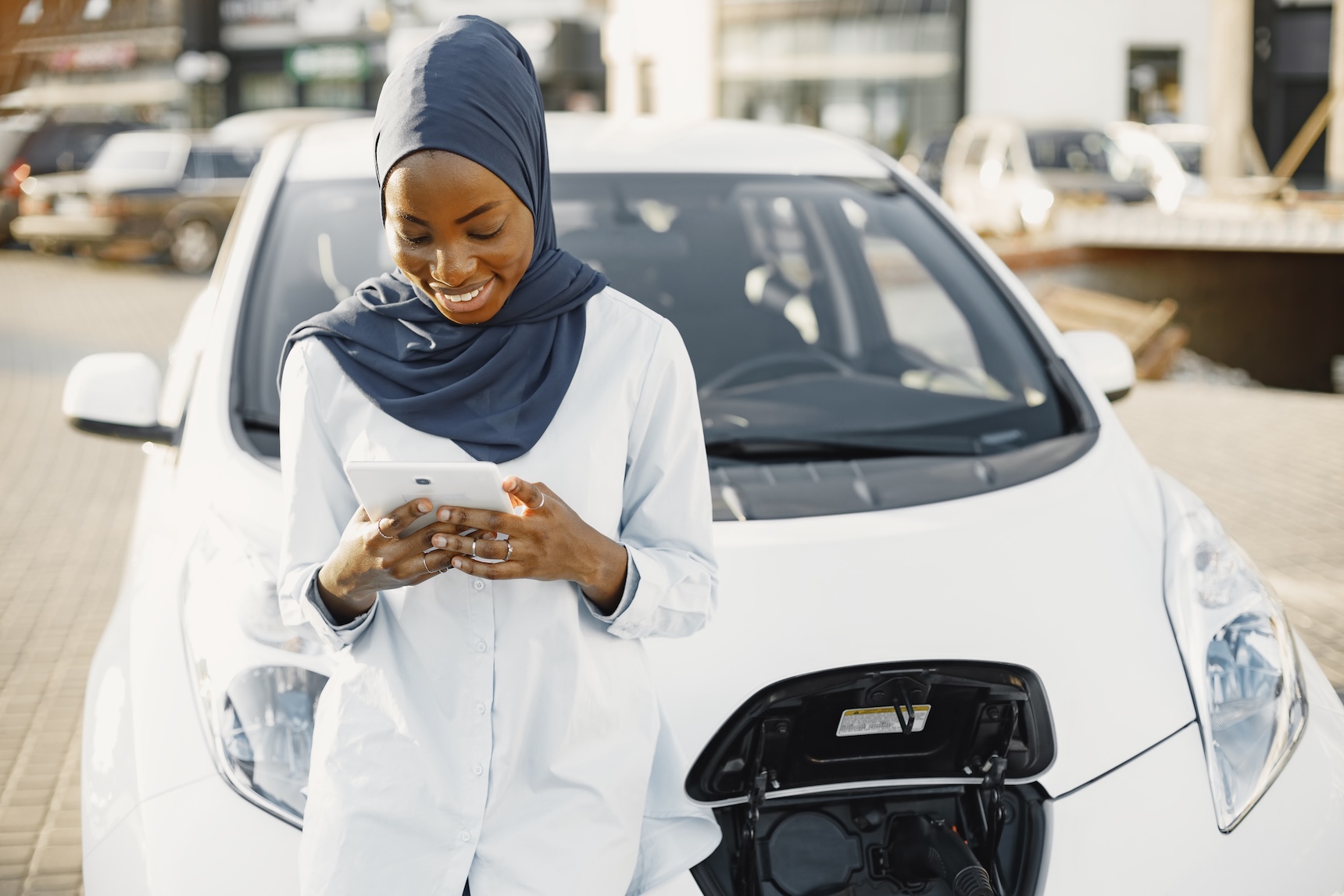
    African buyer confident with new car
    When you import through Autoimport Africa, you get cutting-edge Chinese vehicles at prices that make European and Japanese alternatives look overpriced

    When Autoimport Africa sources a vehicle for you from China, you are getting a vehicle from manufacturers who are actively competing — and winning — in Europe, the Middle East, and Australia. You’re getting:

    • Battery technology that is the global leader in energy density and safety
    • Software systems that continue to improve after you buy
    • Safety engineering rated to European standards
    • Build quality that has been independently validated in competitive international markets
    • All of this at a price point that makes equivalent Japanese or European vehicles look dramatically overpriced

    Chinese vehicles in 2026 are not a compromise. They are, for many buyers, the objectively better choice.

  • Avatr adds larger CATL batteries to EREV models with Huawei Qiankun ADS 4.0 starting late August

    Avatr adds larger CATL batteries to EREV models with Huawei Qiankun ADS 4.0 starting late August

    Avatr confirmed that its 06, 07, and 12 EREV models will launch versions equipped with larger CATL Freevoy Super Hybrid batteries and Huawei Qiankun ADS 4.0. The first of these models is expected to debut at the Chengdu Auto Show in late August. Existing owners can upgrade to Huawei ADS 4.0 and HarmonyOS 5 via over-the-air updates.

    Avatr EREV SUV with Huawei technology
    The updated Avatr EREV lineup combines CATL’s Freevoy battery with Huawei’s Qiankun ADS 4.0 — one of the most advanced intelligent driving systems available
    • Avatr 06: Will feature a 45 kWh Freevoy Super Hybrid battery.
    • Avatr 07: Will include a 52 kWh battery version, planned for late September.
    • Avatr 12: Will offer a 52 kWh battery with rear lidar, scheduled for mid-October.

    CLTC ranges for the new models have not yet been officially announced.

    Current Model Lineup

    Avatr 06
    A mid-size vehicle priced 209,900–279,900 yuan (approx. 28,800–38,400 USD), available in range-extended and battery-electric versions. The current range-extended model pairs a 1.5T engine (115 kW) with a 231 kW motor and a 31.7 kWh LFP battery, with a CLTC range of 230 km. The BEV version offers single-motor (252 kW) and dual-motor (440 kW) options, all with a 72.88 kWh LFP battery and CLTC ranges of 600 km or 650 km.

    Avatr 07
    A mid-size SUV priced 219,900–289,900 yuan (approx. 30,200–39,800 USD). The current range-extended variant combines a 1.5T engine (115 kW) with either a 231 kW single motor (2WD) or a 131 kW + 231 kW dual-motor setup (4WD), using a 39.05 kWh LFP battery. The BEV version uses an 800V SiC platform with CLTC ranges of 650 km (2WD) and 610 km (4WD).

    EV charging technology
    Avatr’s 800V silicon carbide platform enables ultra-fast charging — keeping downtime to a minimum on long journeys

    Avatr 12 (2025 model)
    Launched May 2025 at 269,900–429,900 yuan (approx. 37,000–59,000 USD). The current range-extended model uses a 1.5T engine (115 kW) and a 231 kW rear motor, delivering a CLTC-rated electric range of 245 km with a 39.05 kWh Freevoy battery pack. The BEV version offers single-motor (237 kW) or dual-motor (402 kW) options, with CLTC ranges of 705 km or 755 km.

    In July 2025, the Avatr 06, 07, and 12 were the brand’s top-selling models, with 2,878, 2,526, and 1,424 units sold, respectively. A new concept car will be unveiled at the Munich Motor Show on September 7, 2025, and a six-seat flagship SUV co-developed with Huawei is planned for 2026.

    City driving with advanced EV
    Avatr’s Huawei Qiankun ADS 4.0 delivers intelligent city and highway driving assistance — making every journey smarter and safer
  • SAIC’s new IM LS6 with CATL’s Freevoy Super Max battery starts pre-sale

    SAIC’s new IM LS6 with CATL’s Freevoy Super Max battery starts pre-sale

    IM Motors’ new LS6 SUV is open for pre-sale, featuring a refreshed exterior and interior, and added EREV variants on top of the previous BEV options. The price range is 209,900 to 279,900 yuan (29,200 to 39,000 USD). The official launch will be on September 10 in China.

    • LS6 Pro BEV: 209,900 yuan (29,200 USD)
    • LS6 52 Pro EREV: 214,900 yuan (29,900 USD)
    • LS6 66 Max EREV: 239,900 yuan (33,400 USD)
    • LS6 Ultra BEV: 279,900 yuan (39,000 USD)

    The EREV is powered by IM Motors’ “Stellar” range-extender system, boasting a maximum CLTC comprehensive range of 1,502 km and a pure electric range of 450 km. Within 30 minutes of the pre-sale opening, orders exceeded 10,000 units.

    SAIC IM LS6 SUV
    The IM LS6 combines a striking fastback design with CATL’s world-leading battery technology — 10,000 pre-orders in 30 minutes speaks for itself

    Exterior

    Both BEV and EREV variants share the same design with a fastback shape, front and rear fenders wider than the body, double five-spoke rims, and red brake calipers. The front adopts Y-shaped “Starlight” headlights, and the roof features a 520-line lidar on high-end trims. The rear carries a through-type taillight strip named “Skyline 2.0.” The EREV variant has body dimensions of 4937/1988/1671 mm (l/w/h) with a 2960 mm wheelbase.

    Powertrain

    Equipped with IM Motors’ Lizard Digital Chassis 2.0 and the Continental MK C2 brake-by-wire system, the new IM LS6 can realize two-way 18° four-wheel steering, enabling a turning radius of 4.79 meters.

    For the EREV, the “Stellar” range-extender system is comprised of a Zephyr 1.5T engine (114 kW), a rear 800V silicon carbide “Hurricane” electric motor (230 kW), and CATL’s Freevoy Super Max battery pack:

    • LS6 52 Pro EREV: 52 kWh battery pack, 370 km pure electric range, 1,400 km comprehensive range
    • LS6 66 Max EREV: 66 kWh battery pack, 450 km pure electric range, 1,502 km comprehensive range

    The BEV is available in RWD (245 kW, 76 kWh, 650 km range) or AWD (500 kW combined, 103 kWh, 750 km range, 0–100 km/h in 3.48 seconds). Under fast charging, it takes 15 minutes to recharge 310 km of range.

    Fast charging capability
    The IM LS6 BEV supports fast charging — 310 km of range recovered in just 15 minutes

    Interior & Technology

    The cockpit features a 27.1-inch 5K display and a 15.6-inch 3K co-pilot entertainment screen, powered by a Qualcomm Snapdragon 8295 chip. Consumers can choose either a full or half steering wheel. The onboard IM AD 3.0 advanced driving assistance system does not rely on high-definition maps and is powered by an Nvidia Drive Thor chip.

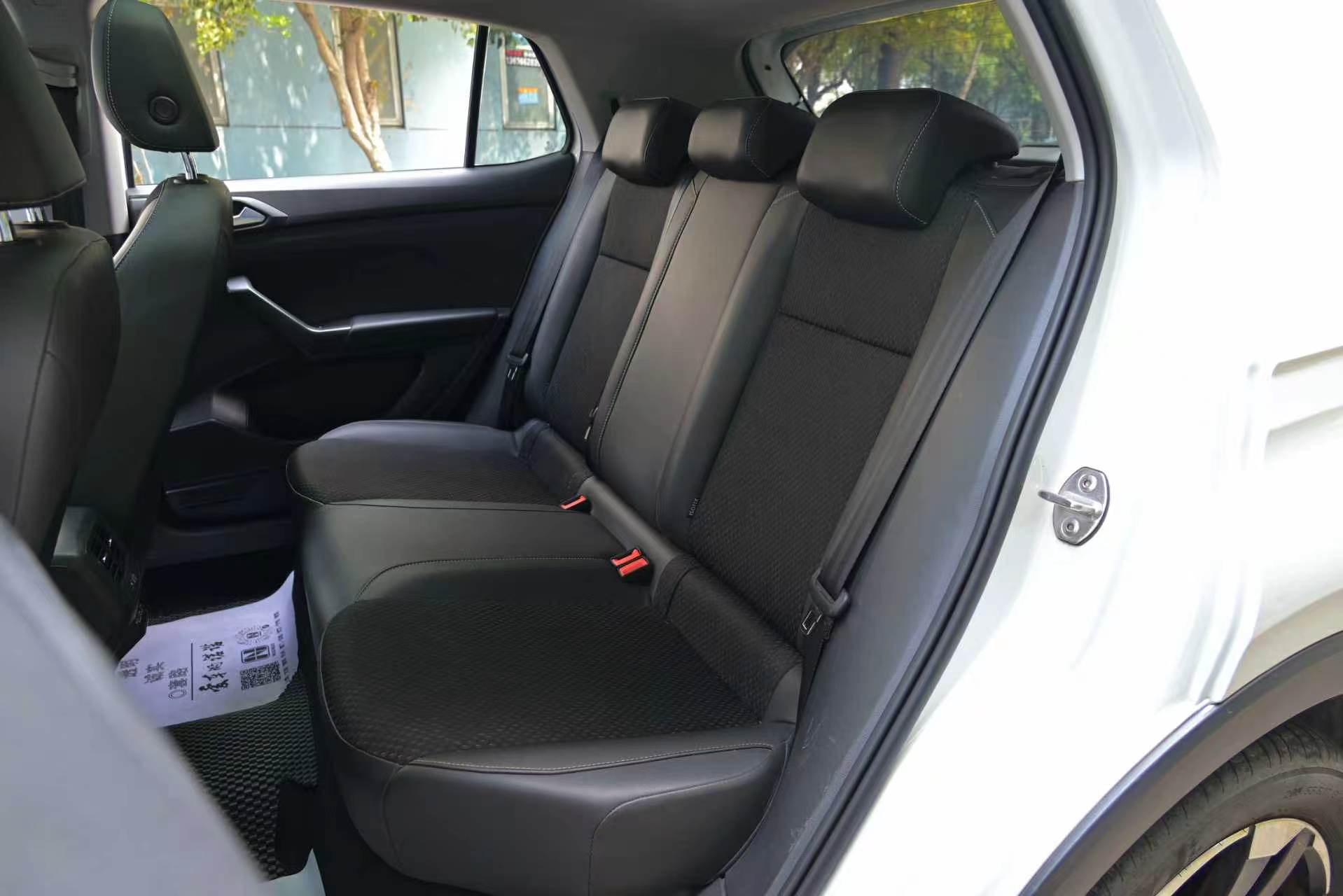
    The interior adopts a five-seater layout, with the co-pilot zero-gravity seat supporting a 121° adjustable angle. Rear seats offer ventilation, heating, and massage functions. Additional features include an 11 L refrigerator, 50 W wireless fast charging, 21 speakers, and ambient lighting.

    Premium SUV interior features
    A 27.1-inch 5K display, zero-gravity co-pilot seat, and 21-speaker audio — the IM LS6 sets a new benchmark for interior technology