Tag: Battery

  • BYD’s Africa Playbook: 300 Fast-Chargers, New Models, and What It Means for Nigeria and Beyond

    BYD’s Africa Playbook: 300 Fast-Chargers, New Models, and What It Means for Nigeria and Beyond

    BYD is no longer just selling cars in Africa — it’s building infrastructure. And what the Chinese EV giant is doing on the continent right now is a signal of just how seriously it’s taking the African market.

    In late 2025, BYD’s Executive Vice President Stella Li announced that the company plans to build up to 300 fast-charging stations in South Africa alone by the end of 2026. Pair that with a plan to grow its South African dealer network from 13 locations to 30–35 by the same deadline, and it becomes clear: BYD isn’t dipping a toe in Africa. It’s diving in.
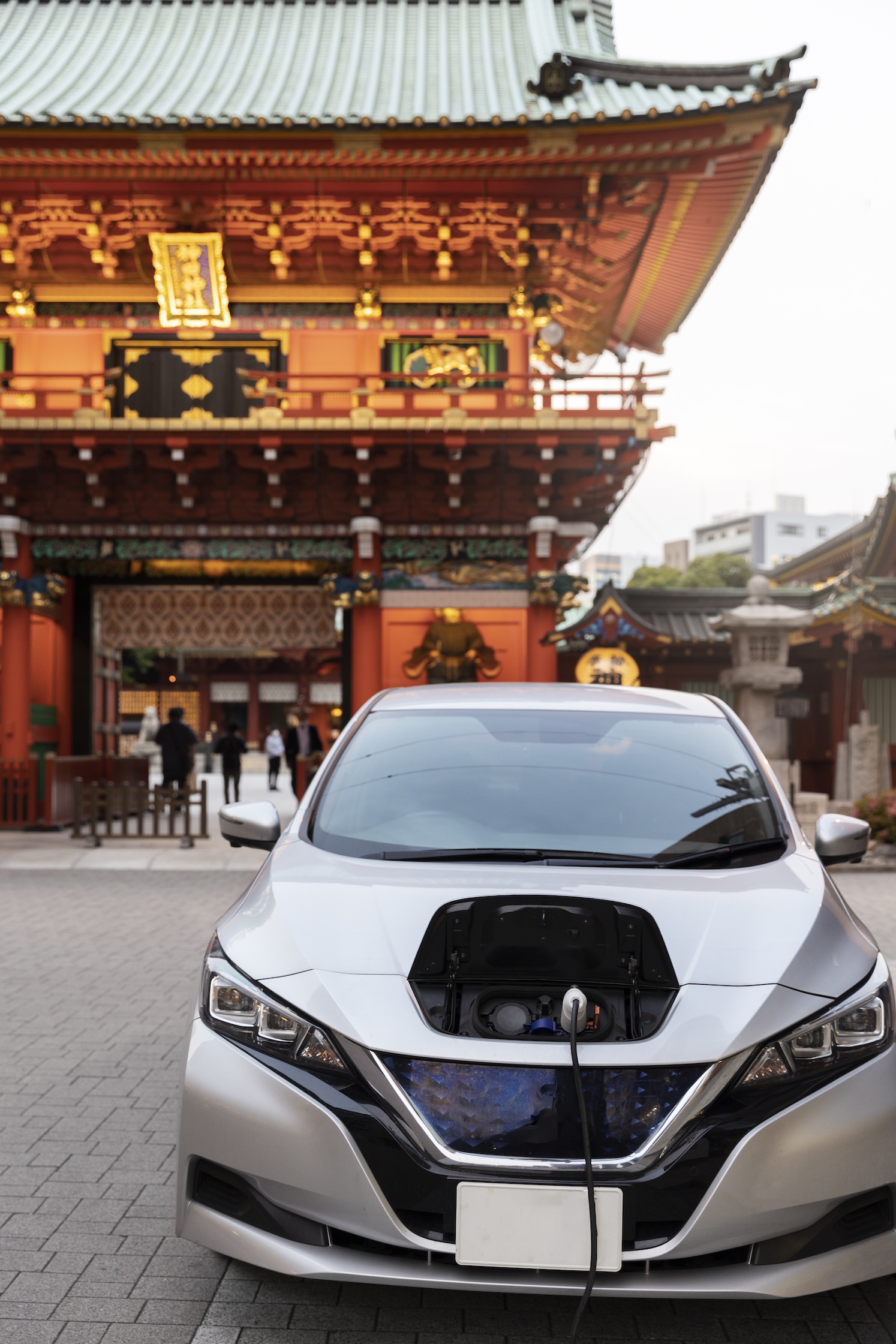
    EV fast charging station
    BYD plans 300 fast-charging stations across South Africa by end of 2026

    What BYD Is Currently Doing in Africa

    BYD currently sells seven models in South Africa — five pure electric vehicles and two hybrid models — including the Atto 3, Dolphin, Seal, Sealion 7 (EV), and the Shark 6 and Sealion 6 (both PHEVs). The brand just launched its new seven-seater Atto 8 PHEV SUV in South Africa at R1,059,900, signalling its push into the premium family vehicle segment.

    The company is being deliberate about how it enters African markets. Rather than flooding showrooms with models, it’s building trust gradually — starting with South Africa as a launchpad and using the learnings there to replicate the strategy across other African countries.

    As Stella Li put it: “South Africa is a very important market. Once we start here, you can duplicate the story into other African countries.”
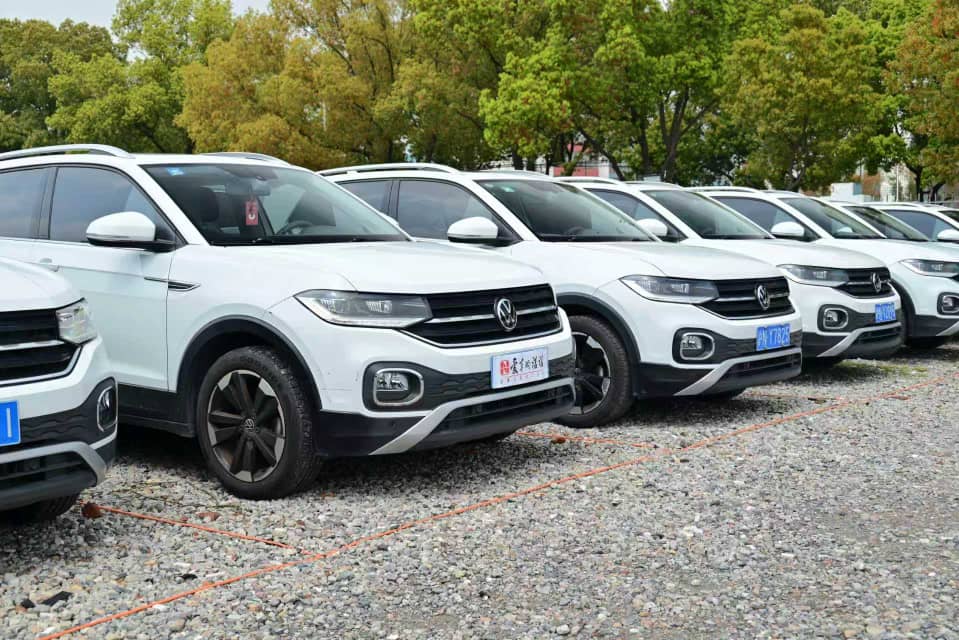
    BYD vehicle in Africa
    BYD’s growing lineup includes models for every African buyer — from city EVs to PHEV SUVs and pickup trucks

    The Charging Infrastructure Play

    One of the biggest objections to electric vehicles in Africa has always been charging infrastructure — or the lack of it. BYD is addressing this head-on. The plan to install up to 300 fast-charging stations in South Africa by end-2026 is significant because it removes the most common barrier to EV adoption.

    This infrastructure investment matters for Nigeria, Kenya, Ghana, and every other African country watching South Africa’s EV rollout. Once the model is proven in South Africa — dealerships, chargers, after-sales support — it becomes a blueprint that rolls out continent-wide.

    The PHEV Strategy: Meeting Africa Where It Is

    What makes BYD’s Africa approach particularly smart is its dual-powertrain strategy. Rather than pushing only pure EVs — which require reliable electricity grids and dense charging networks — BYD is leading with PHEVs (plug-in hybrids) in markets where infrastructure is still developing.

    PHEVs like the Shark 6 pickup and Sealion 6 SUV run on electric power when available and switch seamlessly to petrol when not. For countries like Nigeria, where power reliability is an ongoing challenge, this is not a compromise — it’s the right vehicle for the environment.

    What the BYD Expansion Means for Nigerian and West African Buyers

    Right now, BYD’s direct footprint in Nigeria is still limited, but the trajectory is clear. As the brand matures its African distribution model through South Africa and East Africa, West Africa is the next logical expansion zone. Lagos, Abuja, and Accra are among the high-demand markets being watched.

    City roads with cars
    As African cities grow, the demand for cleaner and more efficient vehicles is accelerating

    For Nigerian buyers importing through platforms like Autoimport Africa, BYD vehicles from China remain highly accessible today — without waiting for local dealerships to arrive. You get access to the full range of BYD models, including those not yet available through official African channels, at prices direct from the source.

    Key BYD Models Worth Watching for Africa

    • BYD Atto 3 (3rd Gen, 2026): Just debuted at the Beijing Auto Show with flash charging and a longer wheelbase. The most popular Chinese EV in South Africa and an excellent fit for urban African roads.
    • BYD Shark 6: A PHEV pickup truck built for tough terrain — mining, agriculture, and off-road use. Combines diesel-like torque with electric efficiency.
    • BYD Atto 8: Seven-seat PHEV SUV just launched in South Africa. Premium family vehicle with 5-year warranty, competitive pricing, and electric range for daily driving.
    • BYD Seal: A sporty pure-electric sedan with impressive range and performance. Ideal for highway driving in markets with growing charging coverage.
    • BYD Dolphin: Compact, affordable city EV. One of the lowest-cost entry points into Chinese electric vehicles.

    The Bigger Picture

    BYD’s Africa strategy isn’t charity — it’s a calculated market play. With Chinese domestic demand softening in 2026 and European markets erecting tariff barriers, Africa represents one of the cleanest growth opportunities for Chinese automakers. A continent of 1.5 billion people, rapidly urbanising, with a growing middle class and an existing appetite for Chinese vehicles.

    The 300 charging stations, the expanded dealer network, the dual-powertrain model lineup — it all points to one thing: BYD is building for the long term in Africa. And the continent is going to be better for it.
  • BYD’s Africa Playbook: 300 Fast-Chargers, 7 Models, and What It Means for Nigeria, Kenya and Egypt

    BYD’s Africa Playbook: 300 Fast-Chargers, 7 Models, and What It Means for Nigeria, Kenya and Egypt

    BYD has made no secret of its ambitions in Africa. The world’s largest electric vehicle manufacturer is not just selling cars on the continent — it is building the infrastructure, the dealer networks, and the long-term relationships needed to become the dominant automotive brand across Africa. And it is doing it faster than most people realise.

    Seven Models, Growing Fast

    BYD currently sells seven models in South Africa — five fully electric and two hybrid — ranging from the compact Dolphin to the new Atto 8, a seven-seater PHEV SUV that launched in April 2026 at a starting price of R1,059,900. The lineup is designed to cover as many buyer segments as possible: urban commuters, families, fleet operators, and pick-up truck users.

    The Shark pick-up hybrid, in particular, has resonated strongly with African buyers. Designed for mining, agriculture, and rugged terrains, it delivers the torque of a diesel powertrain with the long-range efficiency of a hybrid electric system — a combination that makes practical sense across large parts of the continent.

    300 Fast-Chargers in South Africa by End of 2026

    The most significant infrastructure announcement BYD has made for Africa is its plan to build up to 300 fast-charging stations in South Africa by the end of 2026. Stella Li, BYD’s Executive Vice President, confirmed this target during an interview with Bloomberg, describing South Africa as the entry point for a model that will then be duplicated across other African countries.

    This matters enormously. One of the most common concerns about buying an EV in Africa is the lack of charging infrastructure. BYD is directly addressing that concern with capital investment, not just promises.

    Tripling the Dealer Network

    Beyond charging, BYD is rapidly expanding its physical retail presence. The company grew its South African dealerships from 13 to 20 by end of 2025, and plans to reach 30 to 35 locations by end of 2026. Each dealership expansion also brings trained technicians, official spare parts inventory, and warranty service — the after-sales ecosystem that African buyers need to feel confident in a new brand.

    What Does This Mean for Nigeria, Kenya, and Egypt?

    South Africa is BYD’s African beachhead, but the strategy is explicitly continental. BYD’s leadership has stated that the South Africa model — charging infrastructure, dealership build-out, local service support — is designed to be replicated country by country.

    For Nigeria, this is particularly timely. With the federal government’s new 40% import tariff on fully built vehicles and EV exemptions from the upcoming green tax, BYD models imported through trusted platforms like Autoimport Africa are now more cost-effective than they have ever been. Models like the BYD Atto 3, Dolphin, and Seal offer competitive pricing, modern features, and the backing of a manufacturer actively investing in the continent.

    In Kenya, local EV distributor MojaEV is already moving toward local assembly in partnership with domestic assemblers — a move that signals growing market confidence and will eventually lower prices further.

    In Egypt, BYD is part of a broader wave of Chinese automakers establishing local assembly operations, reducing import costs and shortening delivery timelines.

    The Long Game

    BYD’s Africa strategy is not opportunistic — it is structural. The company is building the foundations for decade-long dominance: charging networks, dealer presence, local assembly partnerships, and a model range that directly addresses African buyer needs. For anyone considering an EV or PHEV purchase on the continent, BYD’s trajectory is hard to ignore.

    If you want to explore BYD models available for import into your country through Autoimport Africa, browse our current listings or speak to one of our import specialists today.

  • Avatr adds larger CATL batteries to EREV models with Huawei Qiankun ADS 4.0 starting late August

    Avatr adds larger CATL batteries to EREV models with Huawei Qiankun ADS 4.0 starting late August

    Avatr confirmed that its 06, 07, and 12 EREV models will launch versions equipped with larger CATL Freevoy Super Hybrid batteries and Huawei Qiankun ADS 4.0. The first of these models is expected to debut at the Chengdu Auto Show in late August. Existing owners can upgrade to Huawei ADS 4.0 and HarmonyOS 5 via over-the-air updates.

    Avatr EREV SUV with Huawei technology
    The updated Avatr EREV lineup combines CATL’s Freevoy battery with Huawei’s Qiankun ADS 4.0 — one of the most advanced intelligent driving systems available
    • Avatr 06: Will feature a 45 kWh Freevoy Super Hybrid battery.
    • Avatr 07: Will include a 52 kWh battery version, planned for late September.
    • Avatr 12: Will offer a 52 kWh battery with rear lidar, scheduled for mid-October.

    CLTC ranges for the new models have not yet been officially announced.

    Current Model Lineup

    Avatr 06
    A mid-size vehicle priced 209,900–279,900 yuan (approx. 28,800–38,400 USD), available in range-extended and battery-electric versions. The current range-extended model pairs a 1.5T engine (115 kW) with a 231 kW motor and a 31.7 kWh LFP battery, with a CLTC range of 230 km. The BEV version offers single-motor (252 kW) and dual-motor (440 kW) options, all with a 72.88 kWh LFP battery and CLTC ranges of 600 km or 650 km.

    Avatr 07
    A mid-size SUV priced 219,900–289,900 yuan (approx. 30,200–39,800 USD). The current range-extended variant combines a 1.5T engine (115 kW) with either a 231 kW single motor (2WD) or a 131 kW + 231 kW dual-motor setup (4WD), using a 39.05 kWh LFP battery. The BEV version uses an 800V SiC platform with CLTC ranges of 650 km (2WD) and 610 km (4WD).

    EV charging technology
    Avatr’s 800V silicon carbide platform enables ultra-fast charging — keeping downtime to a minimum on long journeys

    Avatr 12 (2025 model)
    Launched May 2025 at 269,900–429,900 yuan (approx. 37,000–59,000 USD). The current range-extended model uses a 1.5T engine (115 kW) and a 231 kW rear motor, delivering a CLTC-rated electric range of 245 km with a 39.05 kWh Freevoy battery pack. The BEV version offers single-motor (237 kW) or dual-motor (402 kW) options, with CLTC ranges of 705 km or 755 km.

    In July 2025, the Avatr 06, 07, and 12 were the brand’s top-selling models, with 2,878, 2,526, and 1,424 units sold, respectively. A new concept car will be unveiled at the Munich Motor Show on September 7, 2025, and a six-seat flagship SUV co-developed with Huawei is planned for 2026.

    City driving with advanced EV
    Avatr’s Huawei Qiankun ADS 4.0 delivers intelligent city and highway driving assistance — making every journey smarter and safer