Tag: Auction

  • Sealed-Bid vs Live Auctions: Which Format Actually Protects Your Budget?

    <![CDATA[Every car auction format ultimately rewards a different kind of buyer. Live, open auctions favour fast thinkers with steady nerves and deep pockets. Sealed-bid auctions favour disciplined buyers who do their homework and know exactly what a vehicle is worth to them.

    Knowing the difference between the two — and choosing the right one for your situation — can move thousands of dollars between your margin and someone else's. This guide breaks down both formats from a budget-first perspective and explains which one tends to deliver better outcomes for African dealers and individual importers in 2026.

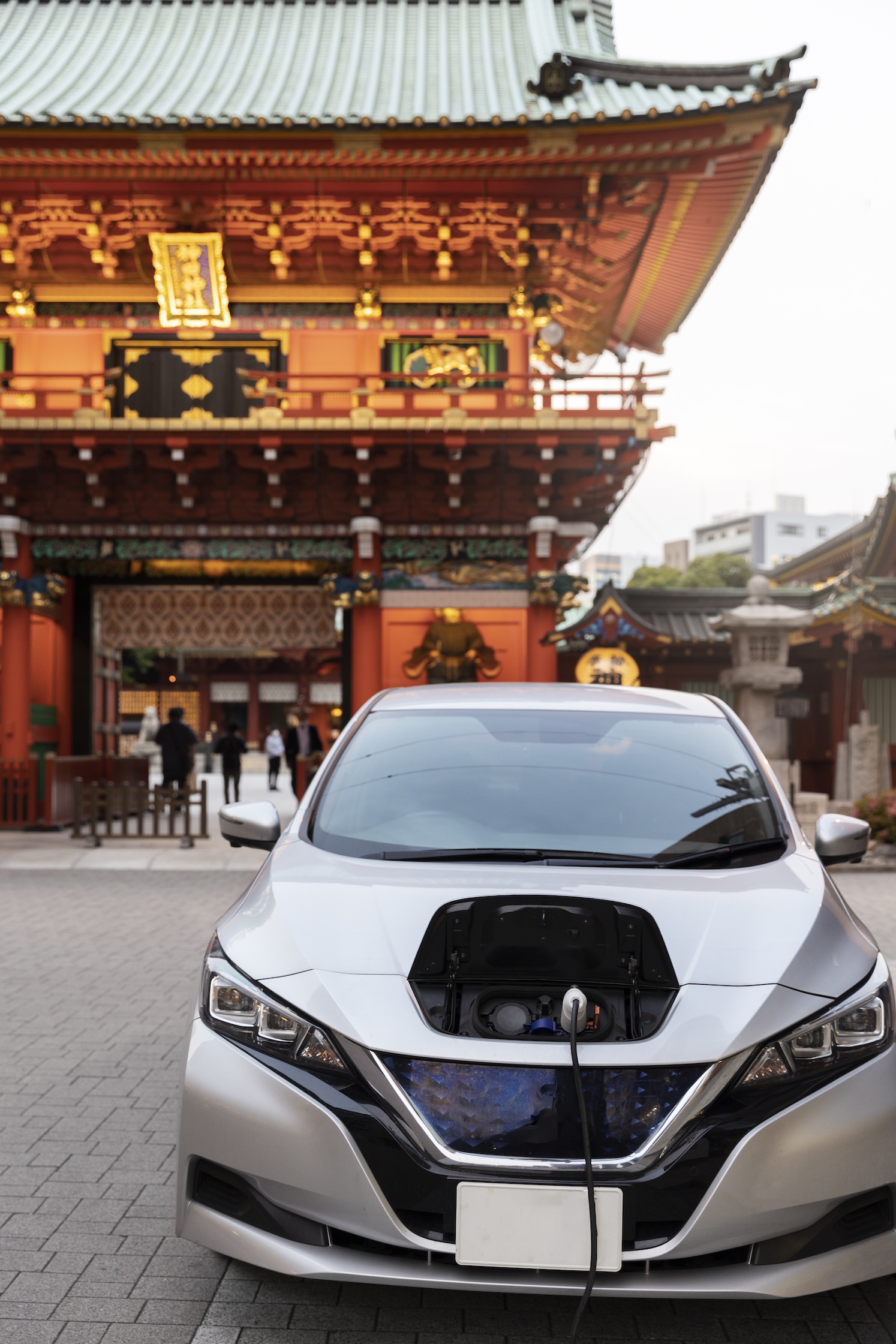
    Modern electric vehicle being charged
    Whether the vehicle on the block is a petrol Toyota or a new-energy BYD, the auction format you choose changes what you’ll pay for it

    How Live (Open) Auctions Work

    In a live auction, all bids are visible. Buyers see what others are willing to pay and can react in real time. The pace is fast, the energy is high, and the closing price is the result of an open contest between everyone who wants the vehicle.

    Where live auctions win:

    • You learn the market quickly because every bid is visible
    • It’s transparent — there’s no question about what the winning offer was
    • Vehicles that nobody wants can sell for genuinely cheap because the bidding stalls quickly

    Where they hurt your budget:

    • Emotion takes over. Buyers see another bid and react rather than think
    • “Bidding wars” inflate prices on popular models well beyond their fair value
    • Once you’ve placed three or four bids, walking away psychologically feels like losing — even when it would save you money

    If you’ve ever watched a live auction and noticed yourself thinking “just one more bid, then I’m done” — that’s the format working against you.

    How Sealed-Bid Auctions Work

    In a sealed-bid auction, every buyer submits one bid privately. Nobody sees what others bid. The highest offer at the close wins. There’s no back-and-forth, no live drama, and no opportunity to “react” to other buyers.

    Where sealed-bid auctions win:

    • You bid what the vehicle is worth to you rather than what others are willing to pay
    • Discipline is rewarded — buyers who price calmly tend to outperform buyers who chase
    • It removes the emotional escalation that drives prices up in live auctions
    • Less experienced buyers compete on equal footing with veteran auction-floor regulars

    Where they get tricky:

    • You only have one shot, so under-bidding loses the vehicle entirely
    • You don’t get the real-time market signal that live bidding provides
    • Some buyers feel less satisfied — there’s no “won the room” moment

    Buyer reviewing vehicle details on a tablet
    Sealed-bid auctions reward research and discipline — qualities that align well with the way smart African importers buy

    Which Format Is Better for Your Budget?

    For most African importers and dealers, the honest answer is: sealed-bid auctions tend to produce better budget outcomes. Three reasons:

    1. They protect you from your own emotions. Most buyers overpay at live auctions not because the vehicle is mispriced, but because the format itself triggers competitive instincts. Sealed-bid auctions structurally remove that risk.

    2. They reward research. If you’ve done the work — checked recent comparable sales, calculated landed cost, factored in your target margin — sealed-bid bidding lets that work pay off. Live auctions can punish disciplined buyers because they’re outbid by buyers acting on impulse.

    3. They’re easier to budget around. You decide your number, submit it, and move on. There’s no mental gymnastics about whether to add “just a bit more”. Either you win at your price or you don’t.

    For experienced auction veterans with strong market knowledge and tight discipline, live auctions can still be the better choice — they offer faster feedback and the chance to capitalise on lulls. But for everyone else, sealed-bid is the safer route to consistent margin.

    How to Bid Smartly in Either Format

    Whichever format you choose, the same principles apply:

    Calculate landed cost first. Hammer price plus buyer’s premium, plus shipping, plus customs duty, plus clearing, plus your target margin. The number you’ll bid is whatever fits inside that ceiling.

    Pull comparable sales. Look at three to five recent auction results for the same model, year, and trim. That gives you a fair-value anchor.

    Know your buyer. If you’re reselling in Lagos, the local market value of a ₦15M sedan is your ceiling. If you’re keeping the vehicle yourself, your ceiling is whatever the equivalent local-dealer price is, minus the savings you want to capture.

    Walk away cleanly when needed. The best auction discipline isn’t winning more bids. It’s losing the right ones.

    Where Autoimport Africa Fits

    The auctions that produce the best deals for African importers in 2026 are concentrated in China — where supply is huge, inspection standards are robust, and prices are structurally lower than in Japan or Europe. But accessing those auctions directly requires Chinese-language platform navigation, local payment infrastructure, vehicle export licences, and ocean shipping arrangements.

    Autoimport Africa handles all of that. We participate in both sealed-bid and live Chinese auctions on behalf of our buyers, run third-party inspections on every vehicle, and quote a transparent landed cost in your local currency before you commit. Whether you prefer the discipline of sealed-bid or the speed of live bidding, you can play whichever format suits your style — without doing the operational work yourself.

    The Bottom Line

    Sealed-bid and live auctions are tools, not philosophies. The right tool depends on your experience level, the vehicle in question, and how disciplined you can stay under pressure. For most buyers — and especially those scaling their import volume in 2026 — sealed-bid is the format that aligns most cleanly with budget control and consistent margin.

    If you’d like to put that into practice with verified Chinese inventory, transparent inspection reports, and end-to-end import handling, talk to Autoimport Africa. We’ll help you bid smart in whichever format fits.]]>


  • How to Win at Used Car Auctions in 2026: A Practical Guide for African Importers

    <![CDATA[Car auctions are one of the oldest, fastest, and most misunderstood ways to buy a vehicle. Done right, they let you skip the dealer markup, access inventory you'd never see on a forecourt, and walk away with something genuinely well-priced. Done badly, they're a ruthless way to lose money to overpaid bids, hidden mechanical problems, and processing fees that nobody warned you about.

    This is the practical, no-fluff guide for African importers and dealers who want to buy at auction without learning the lessons the hard way.

    Modern Asian city skyline representing Asian auction marketplaces
    The largest and most active car auctions in 2026 are in Asia — particularly China, where global supply meets serious price discipline

    The Auction Types You Actually Need to Know

    There are essentially four formats you’ll encounter as a buyer in 2026:

    Live (open) auctions. Bidders see each other’s bids in real time and can react. Adrenaline-driven, fast, and easy to lose discipline in if you don’t have a hard ceiling.

    Sealed-bid auctions. You submit one offer without seeing other bids. Forces buyers to bid what the vehicle is genuinely worth to them, rather than what others are willing to pay. Generally more buyer-friendly for those without auction experience.

    Online timed auctions. A hybrid model where bids are placed within a fixed window, often with anti-sniping extensions in the final minutes. Common on platforms aggregating Chinese supply for global buyers.

    Dealer-only auctions. Closed to the public, restricted to licensed dealers. Higher trust, lower drama, but requires either a dealer licence or working through an importer with auction access.

    For most African dealers and individual importers, the practical choice in 2026 is between online timed auctions on global platforms and accessing Chinese auctions through a partner that already has the licences and infrastructure.

    Five Bidding Tips That Actually Save Money

    1. Set your maximum before you log in. Write the number down. Bidding without a hard ceiling is the single fastest way to overpay at auction.

    2. Watch three lots before you bid. Sit out the first three vehicles you’d be willing to buy. Watch how the bidding moves, who the active buyers are, and where final hammer prices land. Your fourth bid will be far more disciplined than your first.

    3. Bid odd numbers. Bidders crowd around round numbers (₦5,000,000 or $25,000). Bidding ₦5,050,000 or $25,300 puts you one tick ahead of the crowd at minimal extra cost.

    4. Don’t bid early on a lot you want. Early bids signal commitment and pull the price up. The disciplined move is to enter near the close, especially in timed online auctions where snipe-style behaviour is rewarded.

    5. Calculate landed cost, not hammer price. Every auction has buyer’s premium (typically 5–10%), documentation fees, transport to the port, ocean freight, customs duty, and clearing. A vehicle won at $12,000 might land in Lagos at $19,500. Bid against the landed cost ceiling, not the hammer.

    Aerial view of city traffic
    The vehicles you bid on at auction will eventually arrive on roads exactly like these — landed cost is what matters, not hammer price

    Inspection: The Make-or-Break Step

    A vehicle’s hammer price is only good news if the vehicle itself is sound. Auction inspections fall into three categories:

    No inspection. The vehicle is sold as-is, with whatever the seller chose to disclose. Avoid these unless you can physically inspect or you’re willing to gamble.

    Self-inspection at the auction lot. Possible if you’re physically present. Useless if you’re bidding remotely from Lagos or Accra.

    Third-party verified inspections. The gold standard. Independent technicians inspect the vehicle and publish a structured report covering exterior, interior, mechanical, electrical, and undercarriage. The best Chinese auction platforms now offer 200- to 300-point inspections by default.

    If a vehicle doesn’t have a full third-party inspection report, treat the listed price as a guide, not a guarantee. The cost of a single bad import — flood damage, accident damage, transmission issues — wipes out the savings on five good ones.

    Cost-Saving Strategies That Veterans Actually Use

    Bid Tuesdays and Wednesdays. Mid-week auctions consistently see thinner bidding than weekend events. Less competition translates directly into lower hammer prices.

    Look at “boring” colours. White, grey, and silver vehicles tend to sell for less than black or red. In hot African markets, you can resell at full market price regardless of colour, capturing the discount as margin.

    Target slightly older trims. A 2022 Limited often sells for less than a 2023 SE despite being better-equipped. Auction algorithms over-weight model year.

    Consolidate shipping. If you can fill a 40-foot container with three to four vehicles, your per-unit shipping cost drops dramatically. This is one of the biggest reasons importers buy through partners with consolidation infrastructure.

    Common Pitfalls to Avoid

    Auction veterans will tell you the same handful of mistakes catch every new buyer:

    Ignoring the buyer’s premium when calculating budget. A 10% premium on a ₦8 million vehicle is ₦800,000 — a real cost that has to come out of your margin or your pocket.

    Skipping deposit due dates. Most auctions require deposit within 24–48 hours of winning. Miss the window, lose the deposit and the vehicle.

    Trusting auction-listed condition grades blindly. A “Grade 4” vehicle from a Japanese auction is meaningfully different from a “Grade 4” from a Chinese platform. Read the inspection report itself; don’t rely on summary scores.

    Buying without an export plan. A vehicle won at auction in Shanghai is not the same as a vehicle delivered to your forecourt in Accra. Ocean freight, port congestion, customs duty, age limits — all of this needs to be priced in before you bid.

    Why More African Importers Are Working Through Autoimport Africa

    The global auction landscape in 2026 is almost overwhelming. Hundreds of platforms, dozens of auction types, varying inspection standards, and a constantly shifting regulatory environment around imports into Nigeria, Ghana, and other African markets.

    Autoimport Africa simplifies that complexity by giving buyers access to verified Chinese auction inventory with full inspection reports, transparent landed-cost calculations, end-to-end logistics, and customs clearing handled in-country. Instead of stitching together six relationships across three countries, our buyers run one process from selection to delivery.

    The Bottom Line

    Auctions are still one of the highest-leverage ways to buy a vehicle in 2026 — but only if you bid disciplined, inspect properly, and price the full landed cost rather than just the hammer. The buyers who win consistently aren’t the most aggressive bidders. They’re the ones with the most accurate cost models and the most reliable supply chain behind them.

    If you’re new to auction buying or scaling up your import volume, talk to Autoimport Africa. We’ve already done the platform vetting, the inspection partnerships, and the customs work — so you can focus on choosing the right vehicles at the right price.]]>