Five years ago, most Chinese car brands were unknown outside of China. Today, they are winning awards in Europe, selling in over 100 countries, and consistently outperforming Japanese and German rivals in technology benchmarks and customer satisfaction surveys. The transformation has been rapid, deliberate, and built on a foundation of genuine engineering progress.
The Investment Behind the Quality Shift
Chinese automakers have invested on a scale that most Western brands simply couldn’t match during the same period. BYD alone spends more on R&D annually than Toyota. The entire Chinese NEV sector received tens of billions in government support through subsidies, infrastructure investment, and manufacturing incentives — creating a concentrated burst of innovation that compressed what would normally take 20–30 years of development into about 10.
The result: Chinese brands didn’t just copy existing technology. They leapfrogged it. Instead of building better petrol engines, they built better batteries. Instead of improving traditional instrument clusters, they built 27-inch 5K displays with AI assistants. Instead of adding parking sensors, they built full 360-degree camera systems with automatic parking as standard.
Battery Technology: Where China Leads the World
Battery technology is arguably the most important component in any modern vehicle, and China’s CATL is the world’s largest and most advanced battery manufacturer. CATL’s batteries power vehicles from BYD, Avatr, IM Motors, Chery, and dozens of other brands.
Key milestones:
- BYD’s Blade Battery passed nail penetration safety tests that conventional lithium-ion batteries fail — making thermal runaway (fire risk) dramatically less likely
- CATL’s Freevoy Super Max battery (used in the IM LS6) enables 1,502km combined range in an EREV
- CATL’s latest cells achieve energy density of up to 300Wh/kg — setting global benchmarks
- Chinese fast-charging technology now enables 200km of range to be added in under 10 minutes on some platforms
Software and Connectivity: A New Benchmark
Chinese NEV brands have built their vehicles around software in a way that traditional automakers haven’t. OTA (over-the-air) updates allow Chinese EVs to improve after purchase — adding new features, fixing bugs, and enhancing driving assistance systems wirelessly, exactly like a smartphone.
Xpeng pushes around 40 OTA updates per year to its vehicles. BYD vehicles receive regular updates that improve battery management, add features to the infotainment system, and refine ADAS behaviour. Traditional Japanese automakers typically issue 2–3 software updates per year, most of which require a dealer visit.
This means a Chinese EV bought in 2026 will be functionally better in 2027 and 2028 — with no hardware change needed.
Safety Ratings: Dispelling the Old Myth
The perception that Chinese cars are unsafe is based on data that is years out of date. Current-generation Chinese exports are built to meet European NCAP standards — one of the strictest safety testing regimes in the world.
The MG4 EV received a 5-star Euro NCAP rating. BYD’s export models meet European pedestrian safety and crash test requirements. Chery’s Tiggo range passes rigorous multi-market certification.
What This Means When You Import Through Autoimport Africa
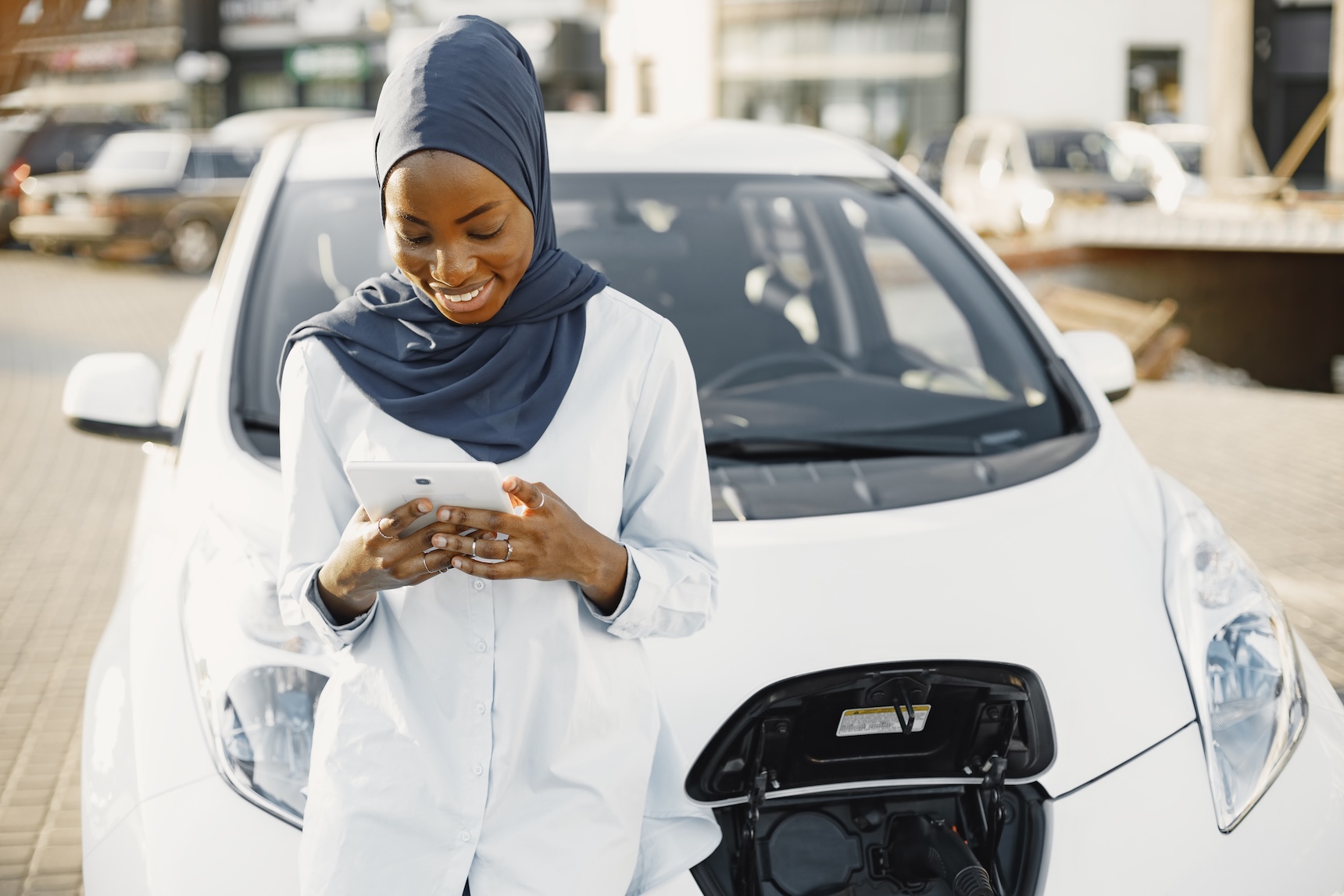
When Autoimport Africa sources a vehicle for you from China, you are getting a vehicle from manufacturers who are actively competing — and winning — in Europe, the Middle East, and Australia. You’re getting:
- Battery technology that is the global leader in energy density and safety
- Software systems that continue to improve after you buy
- Safety engineering rated to European standards
- Build quality that has been independently validated in competitive international markets
- All of this at a price point that makes equivalent Japanese or European vehicles look dramatically overpriced
Chinese vehicles in 2026 are not a compromise. They are, for many buyers, the objectively better choice.